
regal+e places Kyoto’s bread culture outside the usual temple-and-kappo circuit, in Kizugawa rather than the city’s central dining corridors. The draw is compact and specific: bread, bagels and sandwiches, take-out service, repeat Tabelog Bread 100 selections, and a low-spend format that rewards planning rather than lingering.
Pearl is the En Primeur Club membership app — saves, bookings, and concierge access live there. Same editors, same standards.
- Address
- 京都府木津川市梅谷荊谷55-1
- Phone
- +81774731788
- Website
- tabelog.com
 Saves & bookings on Pearl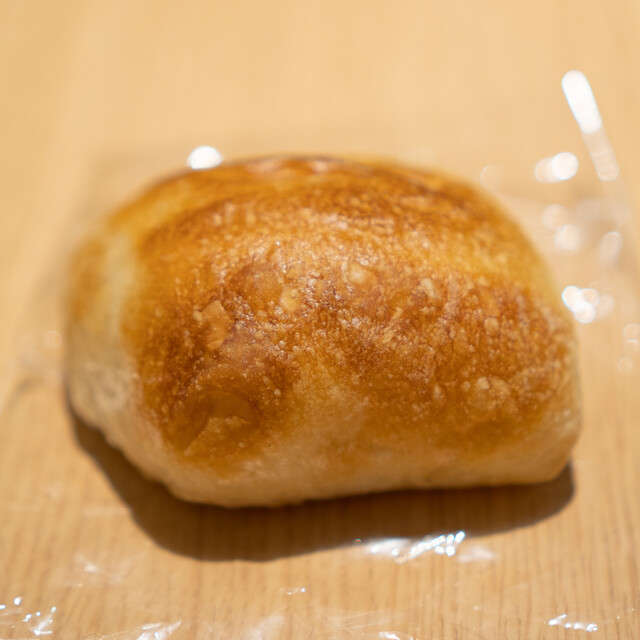
The approach to Kyoto bread is often quieter than the city’s restaurant mythology suggests. Away from the central grids of Kawaramachi and Gion, the bakery counter becomes a different kind of stage: fewer courses, fewer formalities, more attention paid to timing, stock and the physical rhythm of a small shop. In Kizugawa, regal+e belongs to that more local, low-capacity bakery culture, where the room, the shelves and the take-out format matter as much as the category labels.
Kyoto’s serious food reputation is built on kaiseki, wagashi, tofu, river fish and counter dining, but its bread scene has its own disciplined audience. Japanese bakeries often operate with the precision of restaurant kitchens while keeping the transaction brief. That contrast is the point here. The format compresses craft into a quick purchase, which makes the design of the space carry unusual weight: display, queue flow and availability shape the experience before any table service could.
A small-format bakery reading of Kyoto hospitality
The useful way to read regal+e is not as a restaurant trying to behave like a café, but as a specialist bakery with a take-out identity. Its listed categories, bread, bagel and sandwich, place it in a practical everyday field rather than a tasting-menu one. That makes the Tabelog Bread 100 recognition more revealing: the accolade sits in a category where repeat local use, product consistency and narrow specialization carry more weight than theatrical service.
The 2022 Tabelog Bread WEST 100 selection gives the shop a credible signal within western Japan’s bakery field. Earlier Bread 100 selections in 2017, 2018, 2019 and 2020 point to sustained visibility rather than a single-season spike. In a city where many visitors build itineraries around reservations, this is a different metric of quality: a bakery has to earn attention through repeat purchasing patterns and day-to-day reliability.
Design matters more in this genre than travelers often realize. A take-out bakery has little room for recovery: there is no long wine list, no progression of courses, no extended service arc. The first read comes from the counter, the arrangement of baked goods and the pace of movement through the room. regal+e’s appeal sits in that compressed architecture of choice, where the visitor has to decide quickly and the shop’s point of view is expressed through what is presented, not explained.
Kizugawa changes the expectations
Location changes the editorial frame. Kizugawa is not the Kyoto most visitors mean when they talk about dining in the city. That matters. Central Kyoto rewards density: a traveler can move from Nishiki Market to a tea room, from a hotel bar to dinner, from a temple district to sweets without much friction. Kizugawa asks for a more deliberate route, which immediately filters the audience toward people who treat bakeries as destinations rather than incidental breakfast stops.
That outer-city position also puts the bakery closer to everyday Kansai food habits than to the polished hospitality circuit around luxury hotels. The spending band is low, the format is direct, and the value proposition depends on execution rather than ceremony. Compared with a central Kyoto meal at ristorante NAKAMOTO, the decision is not about occasion or length. Compared with Mutepou Souhon ten, another low-price reference point in Kyoto, the comparison is more about how specialist formats compete for attention in a city with deep casual-food literacy.
The relocation note attached to the shop is useful context because it suggests continuity across addresses rather than a venue created for destination traffic. For bakeries, that kind of continuity often matters: regulars follow habits, and habits are the real infrastructure of neighborhood food. Visitors should read the shop less as a detour for novelty and more as a case study in how Kyoto’s food seriousness extends into small, cash-sensitive formats.
How to fit it into a Kyoto food day
The restaurant works in an itinerary when bread is treated as a dedicated stop, not a filler between temples. Its take-out structure makes it better suited to a day with movement built in than to a slow sit-down meal. The practical rhythm is closer to a bakery run in Tokyo or Osaka than to Kyoto’s formal dining pattern: arrive with a narrow plan, buy decisively, and do not expect the meal to unfold around you.
For a broader Kyoto eating map, contrast this kind of specialist bakery with central-city options such as 3TOKU6MI Shijo karasuma ten, the mass-appeal comfort of 551蓬莱, the sharper contemporary register of [ki:], French-leaning dining at Abbesses, and the older snack tradition around Aburi Mochi Honke Nemoto Kazariya. The point is not that these places are interchangeable; it is that Kyoto rewards travelers who understand format before chasing reputation.
Travelers building a wider Kansai or Japan food circuit can use Our full Kyoto restaurants guide as the main map, then cross-reference Our full Kyoto hotels guide, Our full Kyoto bars guide, Our full Kyoto wineries guide and Our full Kyoto experiences guide. For comparisons beyond Kyoto, the spread is instructive: beef-focused dining at -Grilled beef Sukiyaki- KAMAKURA TANUKIAN 鎌倉 たぬき庵 in Kamakura, seafood and charcoal at. 鮪と炭火焼き うお炭 秋葉原店 in Tokyo, café culture at.cafe in Osaka, contemporary casual dining at.know in Kumamoto, Vietnamese cooking at (Shoku) Vietnam in Kawasaki, curry specialization at [Curry Senmon Ten] Maruyama Kyoju. in Sapporo, sake-bar dining at Jōdo Saké Bar in Los Angeles, and Japanese grab-and-go culture abroad at Onigiri Time in Pasadena.
The editorial case for the restaurant is its restraint of format. It does not need the vocabulary of luxury dining to make sense. Kyoto’s food culture is often strongest when discipline appears in modest forms, and this is a bakery example of that principle: specific category, repeat recognition, low-friction service and a physical setup that turns a short visit into a precise choice.
Same-City Peers
Comparable options at the same price tier.
| Venue | Cuisine | Price | Notes |
|---|---|---|---|
| regal+eThis venue — the venue you are viewing | Artisanal bakery for bread, bagels, and sandwiches | $ | Not listed |
| Tsukiji | Traditional Japanese Kissaten / Coffee Shop | $ | Nakagyō |
| maison de frouge | Strawberry specialty café & patisserie | $ | Nakagyō |
| CLAMP COFFEE SARASA | Specialty coffee & toast café | $ | Nakagyō |
| Radio Bagel | Bagel shop & sandwiches | $ | Kita |
| SUGITORA | Gelato & Parfait Cafe | $ | Nakagyō |
Recognition history
Dated appearances from independent guides and award organizations, with the underlying list record or original source where available.
Tabelog 100 #10 · No. 10
Tabelog · Tabelog 100 - Bread - WEST - 2022
Continue exploring
More in Kyoto
Restaurants in Kyoto
Browse all →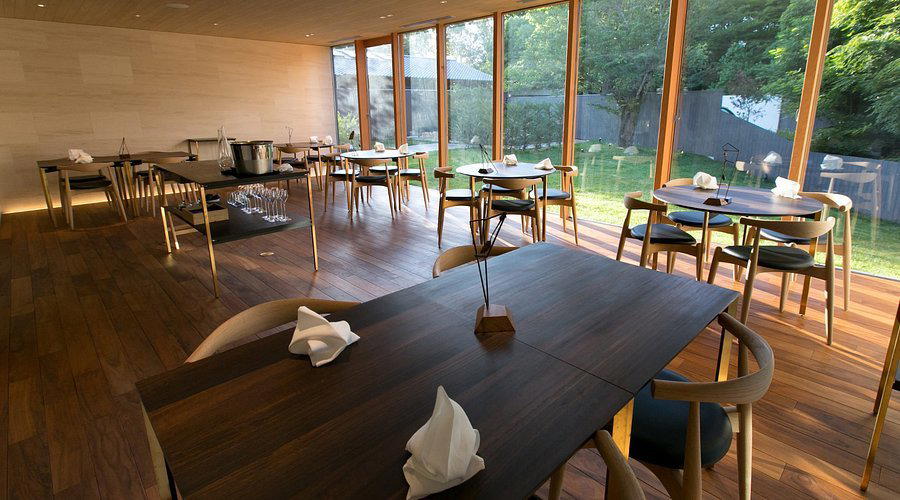



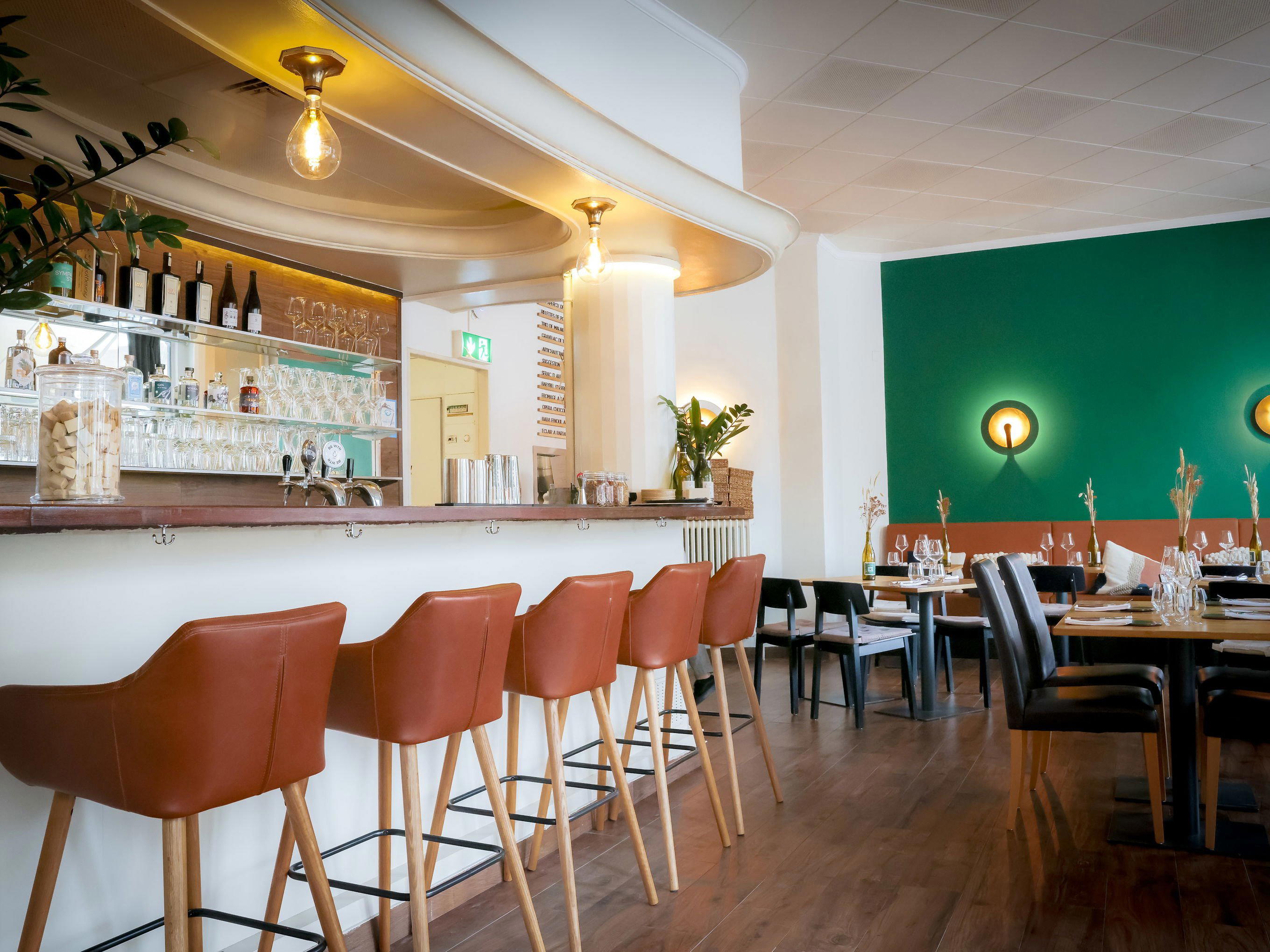
Bars in Kyoto
Browse all →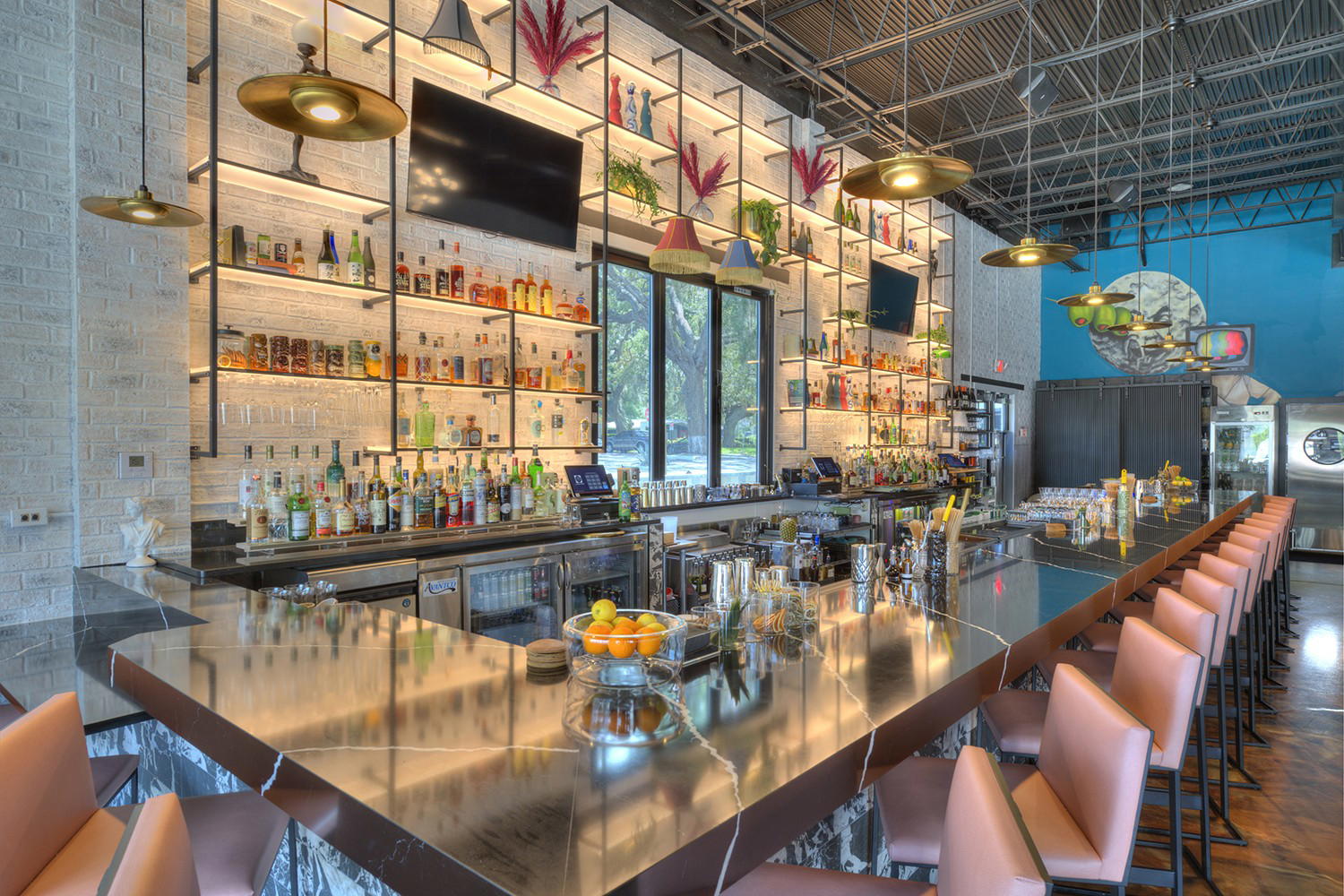

Hotels in Kyoto
Browse all →
Wineries in Kyoto
Browse all →
At a Glance
- Cozy
- Trendy
- Solo
- Casual Hangout
- After Work
- Family
- Standalone
- Design Destination
A small, stylish bakery space with a clean, modern feel that is often busy during its short weekend opening hours, creating an energetic yet relaxed atmosphere focused on take-out rather than dine-in lingering.