Bullinarium
Bullinarium sits in Markt Allhau, a small Burgenland village in Austria's southeast, where the region's agricultural heritage shapes what ends up on the plate. The address alone signals a departure from urban fine dining conventions, positioning this as a destination for those who track Austrian regional cooking beyond the major cities. Proximity to Hungary and the Pannonian plain gives the surrounding larder a distinctly different character from alpine-facing kitchens elsewhere in the country.
Pearl is the En Primeur Club membership app — saves, bookings, and concierge access live there. Same editors, same standards.
- Address
- Gemeindestraße 30, 7411 Markt Allhau, Austria
- Phone
- +43335622212
- Website
- bullinarium.com
- Directions
- Get directions
 Saves & bookings on Pearl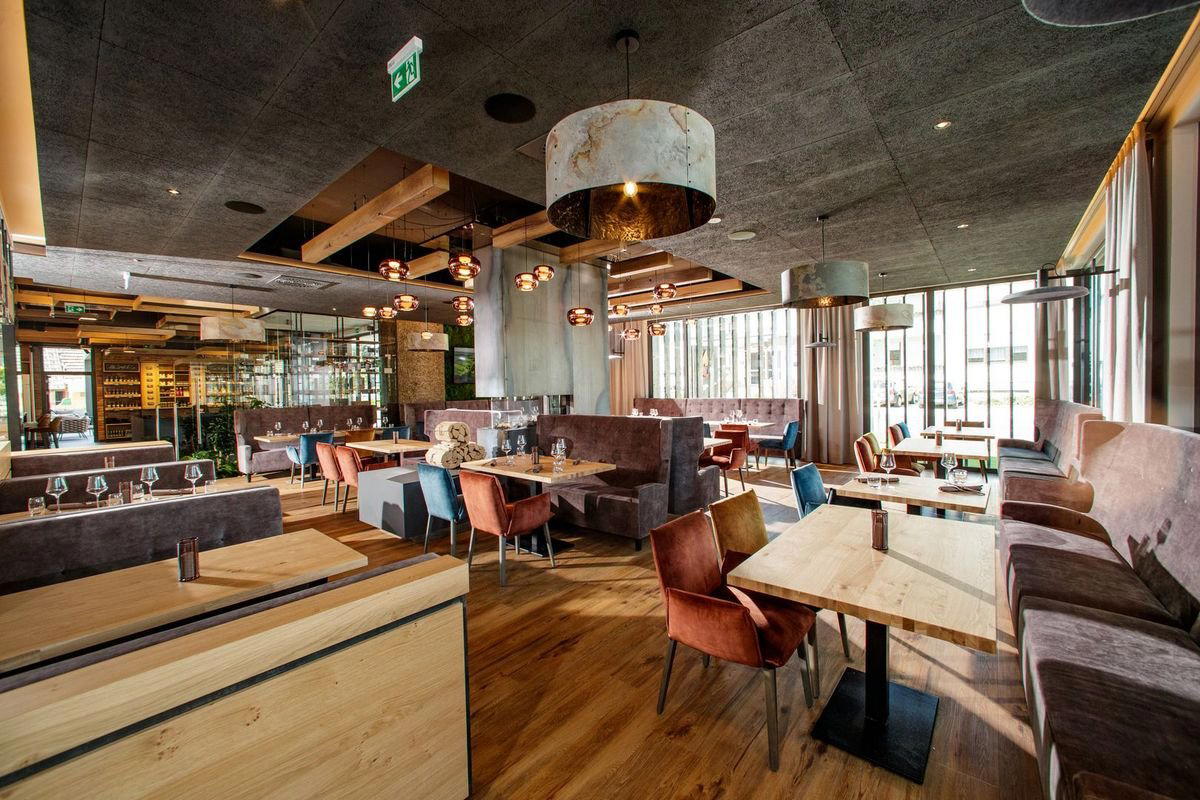
Where Burgenland's Larder Defines the Table
Austria's southeast corner rarely appears in the same conversation as Vienna's first-tier restaurants or the alpine kitchen traditions of Salzburg and Tyrol. Burgenland operates on a different register altogether. The Pannonian plain stretching from Markt Allhau toward Hungary produces a growing climate unlike anything in the alpine or Danubian regions: warm, dry summers, light soils, and an agricultural tradition oriented toward cattle, game, and root vegetables rather than dairy-heavy mountain cooking. Bullinarium, addressed at Gemeindestraße 30 in Markt Allhau, is a restaurant serving Austrian Bull Beef Steakhouse cuisine and sits directly inside that producing landscape, which makes the question of sourcing not a marketing choice but a geographical condition.
The village of Markt Allhau counts well under a thousand residents. A restaurant operating here is not competing in the same tier as Steirereck im Stadtpark in Vienna or Taubenkobel in Schützen am Gebirge, both of which carry international recognition and urban or peri-urban footprints. Instead, Bullinarium belongs to a smaller, quieter category of Austrian regional cooking where the point is not prestige signaling but proximity to the source. This is a pattern visible across Austria's serious smaller restaurants: Obauer in Werfen and Döllerer in Golling an der Salzach both built reputations in towns that require deliberate travel, and both did it by making the regional ingredient the argument rather than the technique.
The Pannonian Larder and Why It Matters Here
Burgenland's agricultural output is frequently overshadowed by its wine reputation. Neusiedlersee Dac, Blaufränkisch from Mittelburgenland, and the dessert wines of Rust dominate the region's international profile. But the land that produces those grapes also raises cattle, geese, and wild game in conditions that differ sharply from anything west of the Semmering Pass. The Pannonian influence brings continental heat during summer and a dryness that concentrates flavors in both produce and livestock. Restaurants that work seriously with this geography will find a larder with its own internal logic, and that logic is what gives a place like Bullinarium its reason for existing at this address rather than anywhere else.
This sourcing orientation is not distinctive to Burgenland. Across Austria's serious regional kitchens, from Kräuterreich by Vitus Winkler in Sankt Veit im Pongau to Ois in Neufelden, the argument for cooking in a small town is inseparable from what grows or grazes nearby. The difference in Burgenland is that the ingredients arrive with a Hungarian and Central European inflection rather than a Bavarian or Swiss one, giving the kitchen a different set of references. Paprika cultivation, goose preparations, and carp from the Neusiedlersee all sit within reach of kitchens in this corridor, drawing from a culinary tradition that connects southward and eastward rather than northward toward German-speaking alpine food culture.
Reading the Room: Format and Atmosphere
Arriving in Markt Allhau requires either a car from the Oberwart direction or willingness to work with regional rail connections to the southern Burgenland network. This is not incidental. The travel requirement self-selects the audience toward those with a specific reason to be here, which shapes the atmosphere in small Austrian regional restaurants more than décor or playlist choices do. Rooms that require deliberate travel tend to feel purposeful rather than casual, even when the physical setting is modest. The contrast with destination-coded restaurants in leisure zones like Griggeler Stuba in Lech or Stüva in Ischgl is structural: those rooms serve guests already in a holiday frame of mind, while a village restaurant in Burgenland draws guests who drove specifically to eat.
For planning purposes, Burgenland restaurants at this address scale tend to operate without the infrastructure of urban venues. Reservations are recommended, particularly for weekend visits. Travelers coming from Vienna face roughly ninety minutes by road via the A2 and then south toward Oberwart, making Bullinarium a viable half-day detour for those already exploring southern Burgenland's wine villages.
Placing Bullinarium in Austria's Wider Regional Scene
Austria's restaurant scene outside Vienna and the major alpine resorts has developed a coherent identity over the past decade. Properties like Landhaus Bacher in Mautern an der Donau and Schwarzer Adler in Hall in Tirol demonstrate that serious cooking can sustain itself outside major population centers when the regional argument is strong enough. Atelier Fischer in Sankt Gilgen and Restaurant 141 by Joachim Jaud in Mieming follow comparable logic in their respective regions. What separates the convincing operations from the merely local ones is whether the kitchen treats its geography as a genuine creative constraint or as a backdrop. The Burgenland context, with its cross-border agricultural connections and its distance from alpine cooking conventions, gives a kitchen at Bullinarium's address material that simply is not available to restaurants working in more-visited corridors.
Internationally, the model has parallels at restaurants like Lazy Bear in San Francisco, where sourcing specificity and a defined regional identity carry as much weight as technique. The contrast with a venue like Le Bernardin in New York City is instructive: classical French precision operating at scale requires an entirely different infrastructure argument from a small Pannonian-adjacent kitchen where the producing farms may be visible from the parking area.
For those building a southern Austria itinerary that takes the region's food seriously, the broader local context includes nearby regional houses. Thaller - Gasthaus in Sankt Veit am Vogau and Gourmetrestaurant Tannenhof in Sankt Anton am Arlberg illustrate how the Gasthaus format can anchor serious cooking across different Austrian regions, a tradition Bullinarium's Markt Allhau address fits within. Ikarus in Salzburg offers a counterpoint as a destination-format restaurant built around visiting chefs rather than fixed regional identity.
Comparable Venues
Comparable venues nearby, for context on price, style, and recognition.
| Venue | Cuisine | Price | Notes |
|---|---|---|---|
| BullinariumThis venue — the venue you are viewing | Austrian Bull Beef Steakhouse | $$$ | Not listed |
| Steak-House LADICH Parndorf – The Original since 1997 | Classic Steakhouse | $$$ | Parndorf |
| Boxwood | The Art of Steak - International Fine Dining | $$$ | Innere Stadt |
| Heizhaus | Modern Steakhouse | $$$ | near Villacher Warmbad |
| El Gaucho | Argentine Steakhouse | $$$ | Innere Stadt |
| DER WEBER | Regional Austrian Natural Cuisine | $$$ | Bad Schönau |
Continue exploring
More in Markt Allhau
Restaurants in Markt Allhau
Browse all →
Bars in Markt Allhau
Browse all →
Hotels in Markt Allhau
Browse all →

At a Glance
- Modern
- Elegant
- Rustic
- Group Dining
- Family
- Celebration
- Special Occasion
- Open Kitchen
- Private Dining
- Standalone
- Farm To Table
- Local Sourcing
Current opening hours
- Monday
- Closed
- Tuesday
- Closed
- Wednesday
- 11:30 AM–8:30 PM
- Thursday
- 11:30 AM–8:30 PM
- Friday
- 11:30 AM–10 PM
- Saturday
- 11:30 AM–10 PM
- Sunday
- 10:30 AM–6 PM
Hours can change for holidays and private events. Last verified .
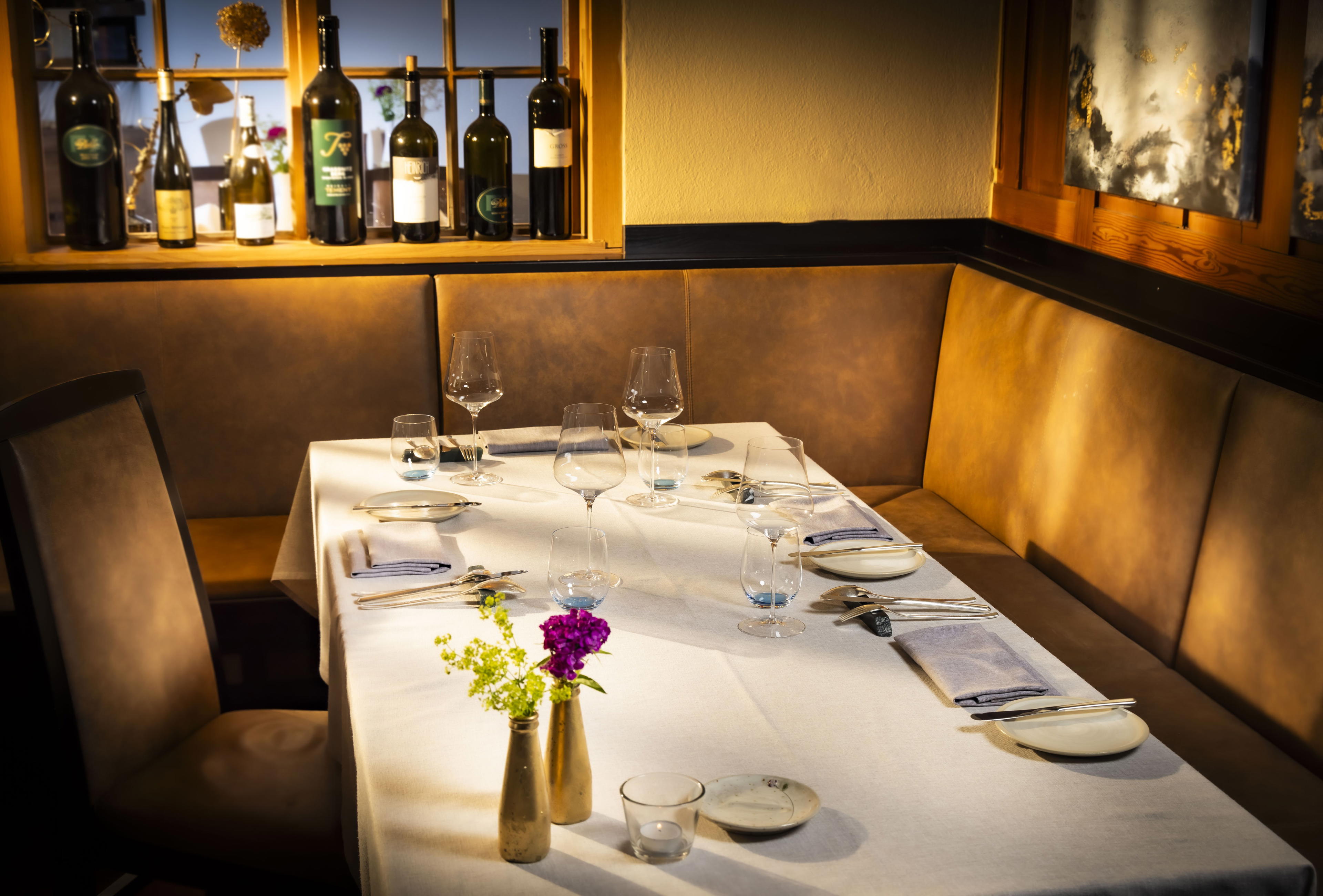
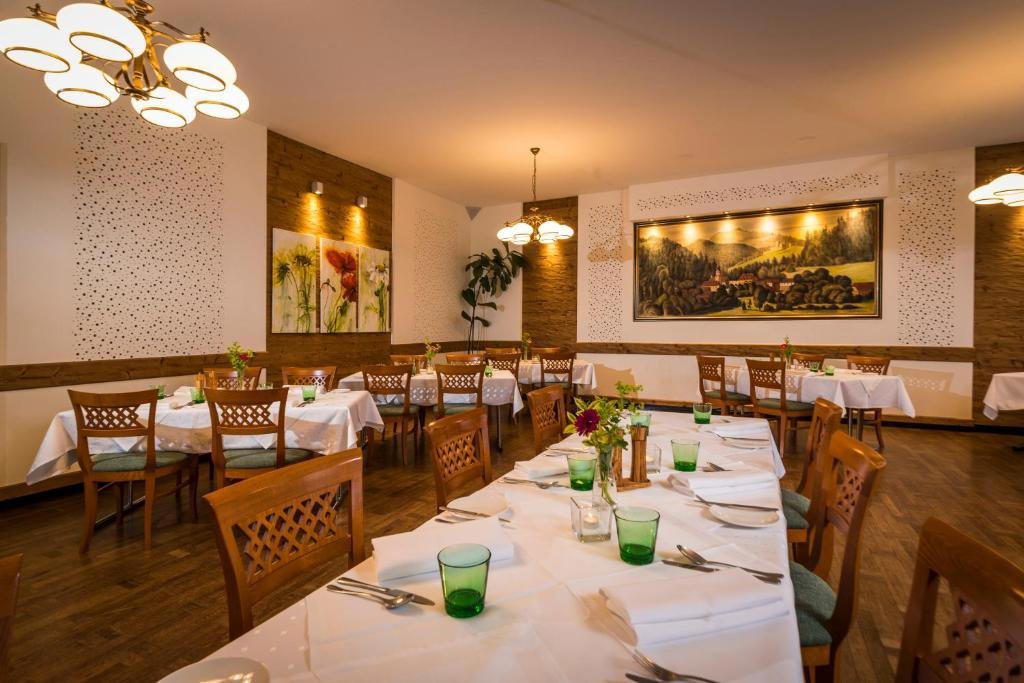
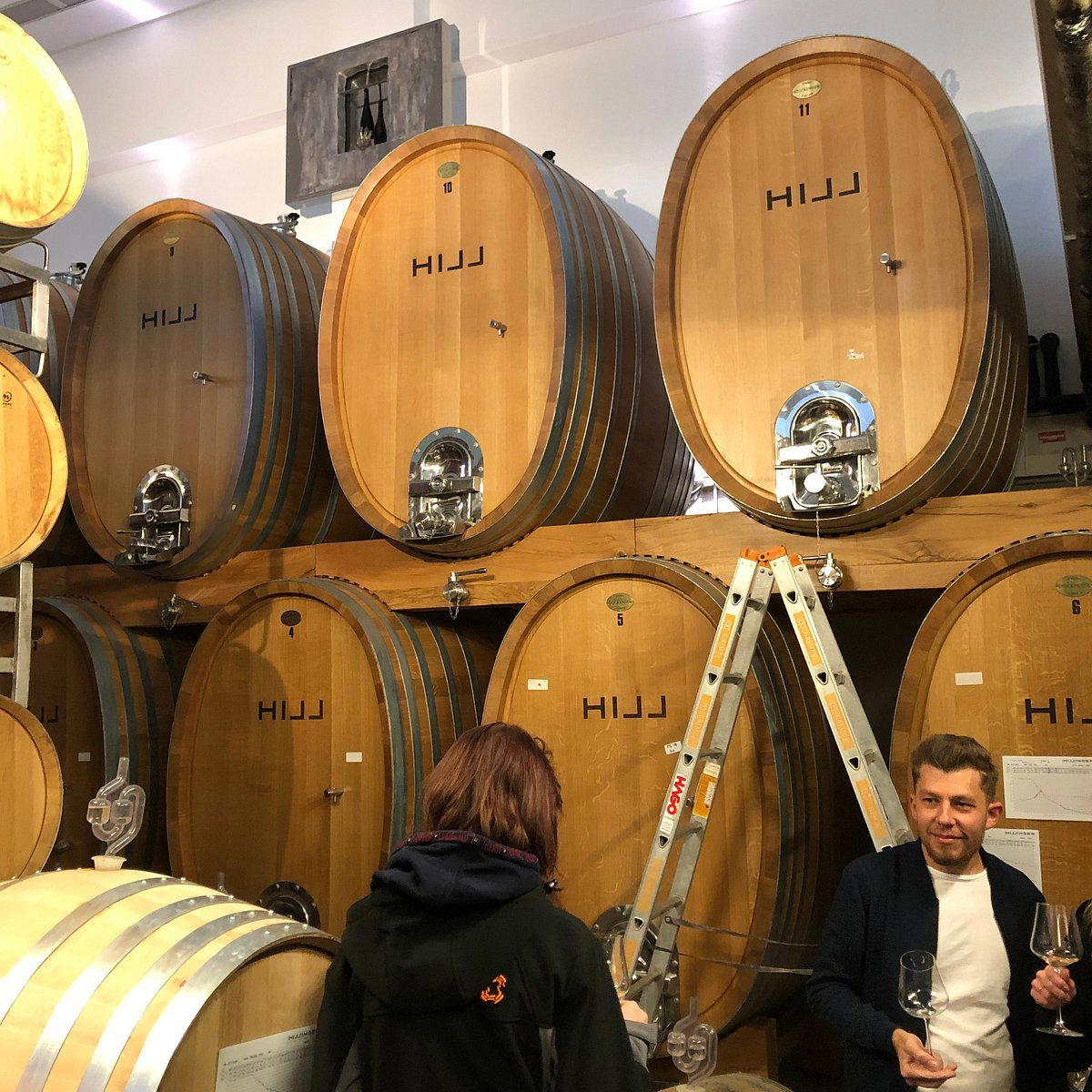
Modern and stylish with a contemporary dining aesthetic; cozy and welcoming atmosphere that invites lingering, with visually appealing design elements.