On Bayview Avenue in Leaside, Ramona's Kitchen occupies a stretch of Toronto's mid-city dining corridor where neighbourhood familiarity and culinary ambition have long coexisted. The kitchen draws on locally sourced Canadian ingredients interpreted through globally trained technique, positioning it within a growing tier of Toronto restaurants that treat terroir as a starting point rather than a marketing note. Bookings and format details are best confirmed directly with the venue.
Pearl is the En Primeur Club membership app — saves, bookings, and concierge access live there. Same editors, same standards.
- Address
- 1608 Bayview Ave, Toronto, ON M4G 3B7, Canada
- Phone
- +14378805515
- Website
- ramonaskitchen.ca
- Directions
- Get directions
 Saves & bookings on Pearl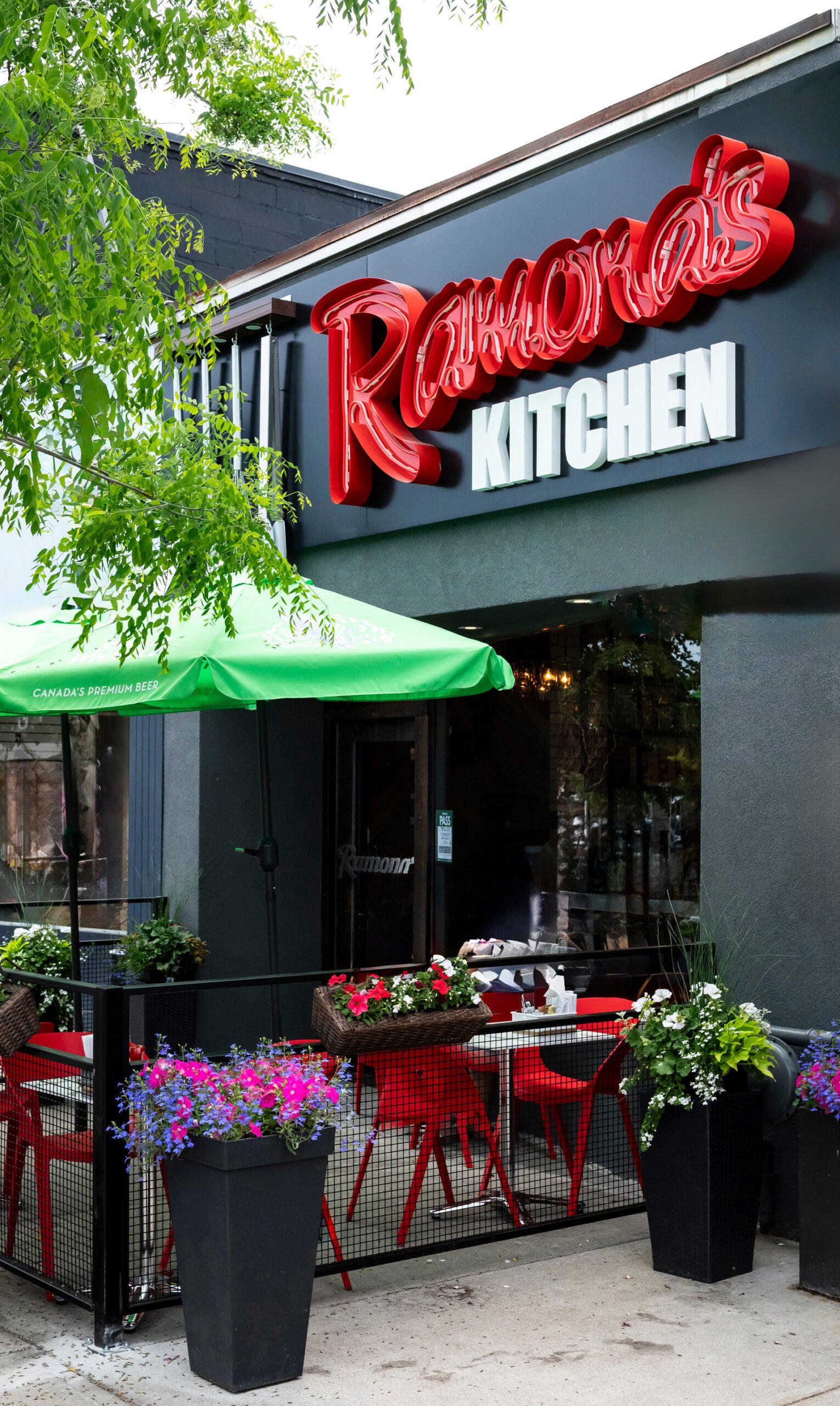
Bayview Avenue and the Neighbourhood Restaurant That Earns Its Regulars
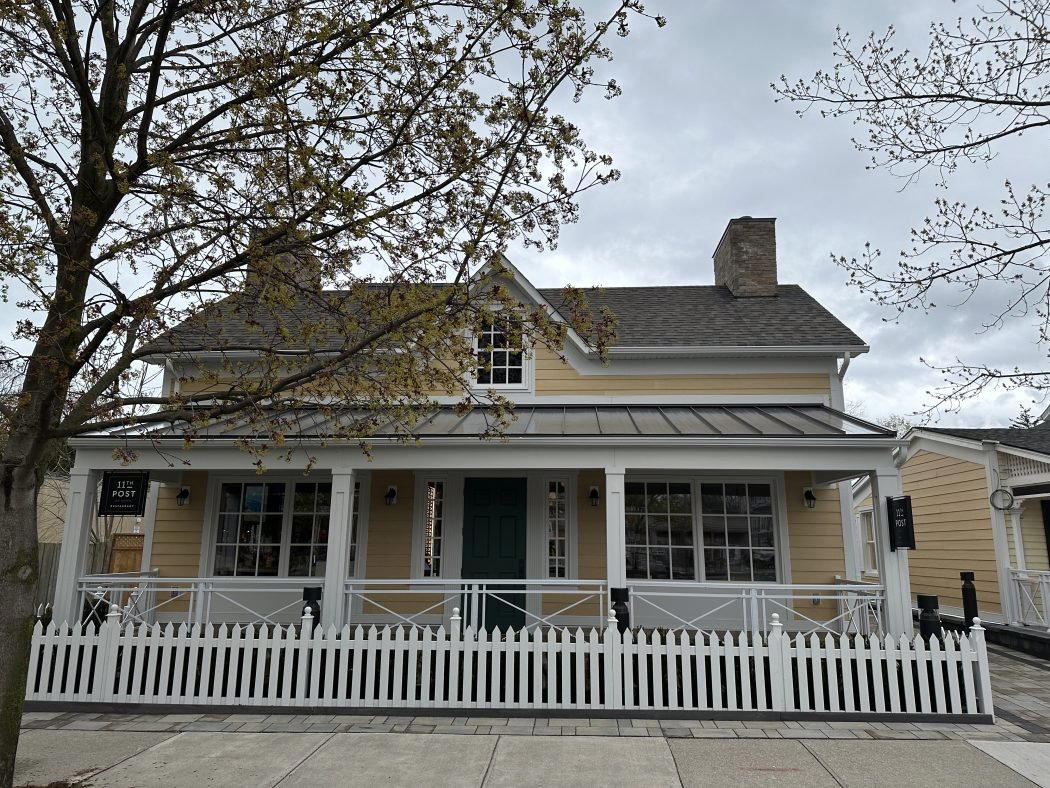
Leaside sits in a part of Toronto that doesn't announce itself. Bayview Avenue between Eglinton and Millwood runs through a residential grid where the dining room across the street is as likely to be a long-standing family operation as a new arrival with ambitions beyond the postal code. It is precisely this kind of street, low on spectacle, high on repeat custom, where a kitchen has to deliver on food alone. The address at 1608 Bayview Ave places Ramona's Kitchen in that context, a mid-city corridor with a loyal residential catchment and limited patience for restaurants that coast on atmosphere.
That neighbourhood character shapes how a place like this gets read. In Toronto's more central dining clusters, King West, Ossington, the Financial District, a restaurant competes for attention through design, PR, and social reach. On Bayview, the competition is quieter and the verdict arrives through word of mouth, repeat bookings, and the simple test of whether tables fill on a Tuesday. Venues that pass that test over multiple years tend to be doing something right at the level of the plate.
Local Ingredients, Global Technique: The Framework That Defines Modern Canadian Cooking
One interesting shift in Canadian fine dining over the past decade has been the adoption of globally trained technique in service of distinctly local produce. This is not a trend distinctive to Toronto, Tanière³ in Quebec City has built its reputation on exactly this premise, and AnnaLena in Vancouver operates in similar territory on the West Coast, but Toronto's version of this conversation is shaped by the city's particular immigrant density and the extraordinary variety of producers within a two-hour radius.
Ontario's agricultural output is broader than most international visitors expect: cold-climate stone fruit from the Niagara Peninsula, foraged mushrooms from the Shield's edge, heritage grains from farms in Wellington County, lake fish from Georgian Bay and Lake Huron. Kitchens that engage seriously with this supply chain, rather than simply listing local provenance as a menu footnote, tend to produce food with a specificity that imported ingredients, however premium, cannot replicate. The technique layer is where training lineage matters: French classical structure, Japanese precision in temperature and texture, Korean fermentation logic, and South American acid-forward seasoning have all entered Toronto's kitchen vocabulary through chefs who trained or staged abroad before returning to cook with Canadian produce.
Ramona's Kitchen sits within this broader current. The Bayview address and the neighbourhood format suggest a kitchen focused on consistency and ingredient quality rather than on high-concept tasting menus, though the specific format and current menu composition should be confirmed with the venue directly, as details are not independently verifiable at this time.
How Ramona's Kitchen Compares in Toronto's Dining Tiers
Toronto's restaurant market has stratified clearly over the past several years. At the leading end, a small number of rooms operate at the level of international fine dining reference points: Alo holds multiple awards and prices at the level of a destination tasting menu; Sushi Masaki Saito and Aburi Hana represent the city's serious Japanese omakase tier, both demanding advance booking and commanding $$$$ price points. Italian-rooted rooms like DaNico and Don Alfonso 1890 occupy the formal contemporary end of that cuisine's Toronto presence.
Below that tier, and not in any pejorative sense, sits a denser and more interesting layer: neighbourhood-anchored restaurants where the cooking is serious, the margins are tighter, and the relationship between kitchen and regular diner is closer. This is the tier where the restaurant most plausibly operates, based on its Leaside address and mid-city positioning. It is also the tier where Canadian ingredient sourcing tends to be most honestly expressed: without the theatre budget of a destination restaurant, the food itself carries more weight.
For broader context on where the restaurant sits within Ontario's wider dining geography, the region has produced a number of serious destination kitchens outside the city: Restaurant Pearl Morissette in Lincoln, The Pine in Creemore, and Eigensinn Farm in Singhampton represent a strand of Ontario cooking rooted in producer relationships and agricultural proximity that influences how city kitchens think about sourcing, even when they cannot replicate the farm-direct access of a rural operation.
Toronto in the Canadian Dining Conversation
Toronto occupies an interesting position in the national picture. Montreal's dining culture runs deeper in classical French terms, Jérôme Ferrer - Europea represents that lineage clearly, while Quebec's regional traditions, preserved at places like Aux Anciens Canadiens, offer a historical specificity that Toronto's more immigrant-shaped culture doesn't have in the same way. What Toronto does have is scale, diversity of culinary influences, and a producer network within reach that few North American cities can match for variety.
That combination, multicultural technique vocabulary, strong local supply, and a large enough dining population to sustain specialist restaurants, is what makes the city's neighbourhood tier worth paying attention to. International comparisons are instructive: Le Bernardin in New York City and Atomix in New York City both demonstrate how technique-forward kitchens in large North American cities anchor their identity in produce sourcing as well as cooking methodology. Toronto's version of that conversation happens across a wider range of price points and postal codes than New York's, which is part of what makes a Bayview address a legitimate place to pursue it.
Planning Your Visit
The restaurant is recommended for reservations and is open Mon: 9 AM-3 PM; Tue: 9 AM-3 PM; Wed: 9 AM-3 PM; Thu: 9 AM-9 PM; Fri: 9 AM-9 PM; Sat: 8:30 AM-9 PM; Sun: 8:30 AM-9 PM.
| Venue | Format | Price Tier | Booking Lead Time |
|---|---|---|---|
| The restaurant | Neighbourhood restaurant (confirm format) | Not confirmed | Confirm with venue |
| Alo | Tasting menu, Contemporary | $$$$ | Several weeks ahead |
| Sushi Masaki Saito | Omakase counter | $$$$ | Months ahead |
| DaNico | Contemporary Italian | $$$$ | Weeks ahead |
For comparison with neighbourhood-anchored cooking in other Canadian cities, Barra Fion in Burlington offers a useful regional reference point.
Recognition Snapshot
Comparable venues nearby, for context on price, style, and recognition.
| Venue | Cuisine | Price | Notes |
|---|---|---|---|
| Ramona's KitchenThis venue — the venue you are viewing | Comfort Canadian Brunch | $$ | Not listed |
| Marben | Modern Canadian | $$ | Fashion District |
| Signatures Restaurant | Contemporary Canadian | $$$ | Annex |
| Oliver & Bonacini Hospitality | Modern Canadian Fine Dining | $$$ | Uptown Yonge |
| 360 Restaurant | Contemporary Canadian Fine Dining | $$$ | Entertainment District |
| Saving Grace | Canadian Brunch Diner | $$ | Trinity Bellwoods |
Continue exploring
More in Toronto
Restaurants in Toronto
Browse all →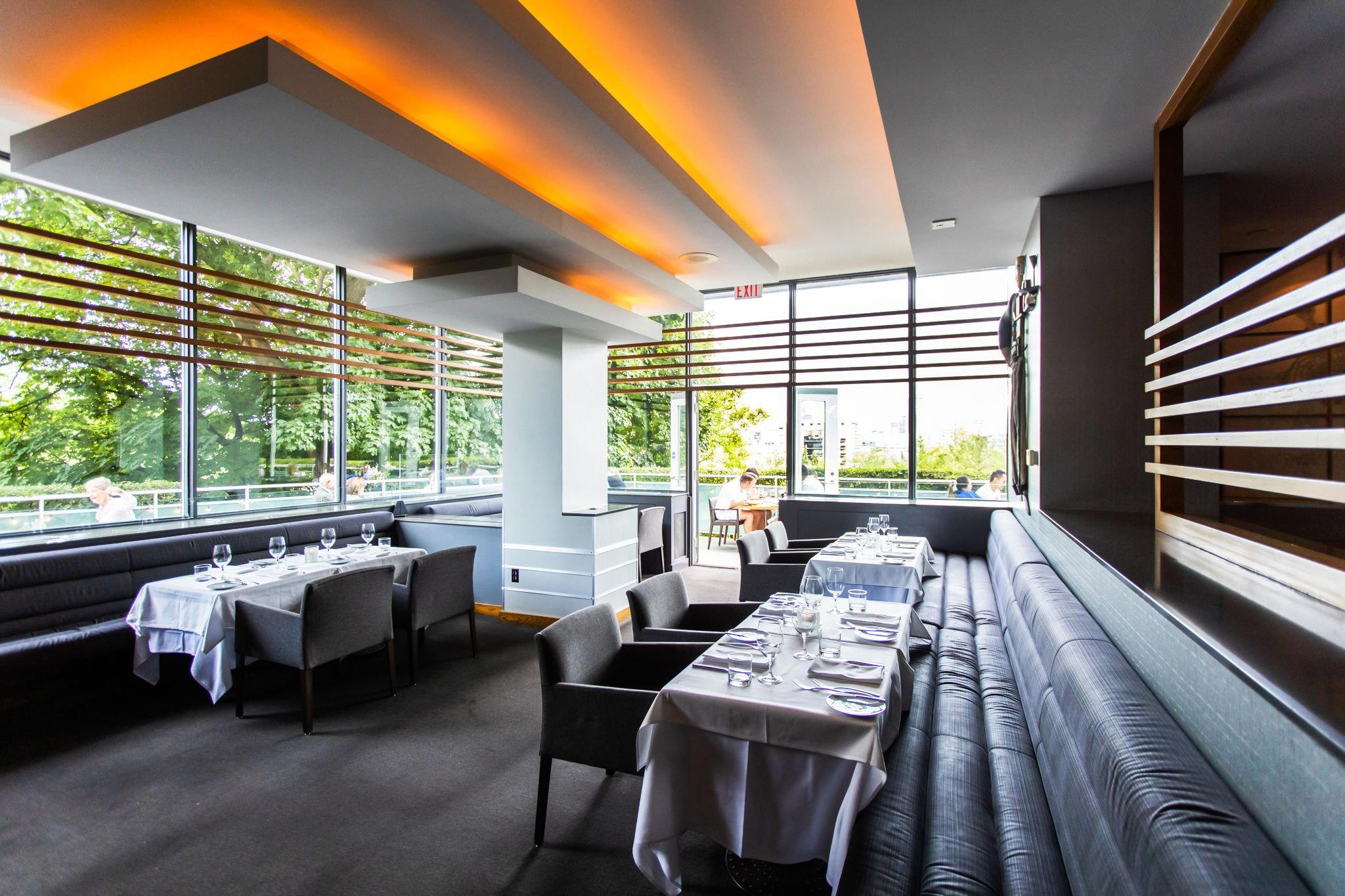
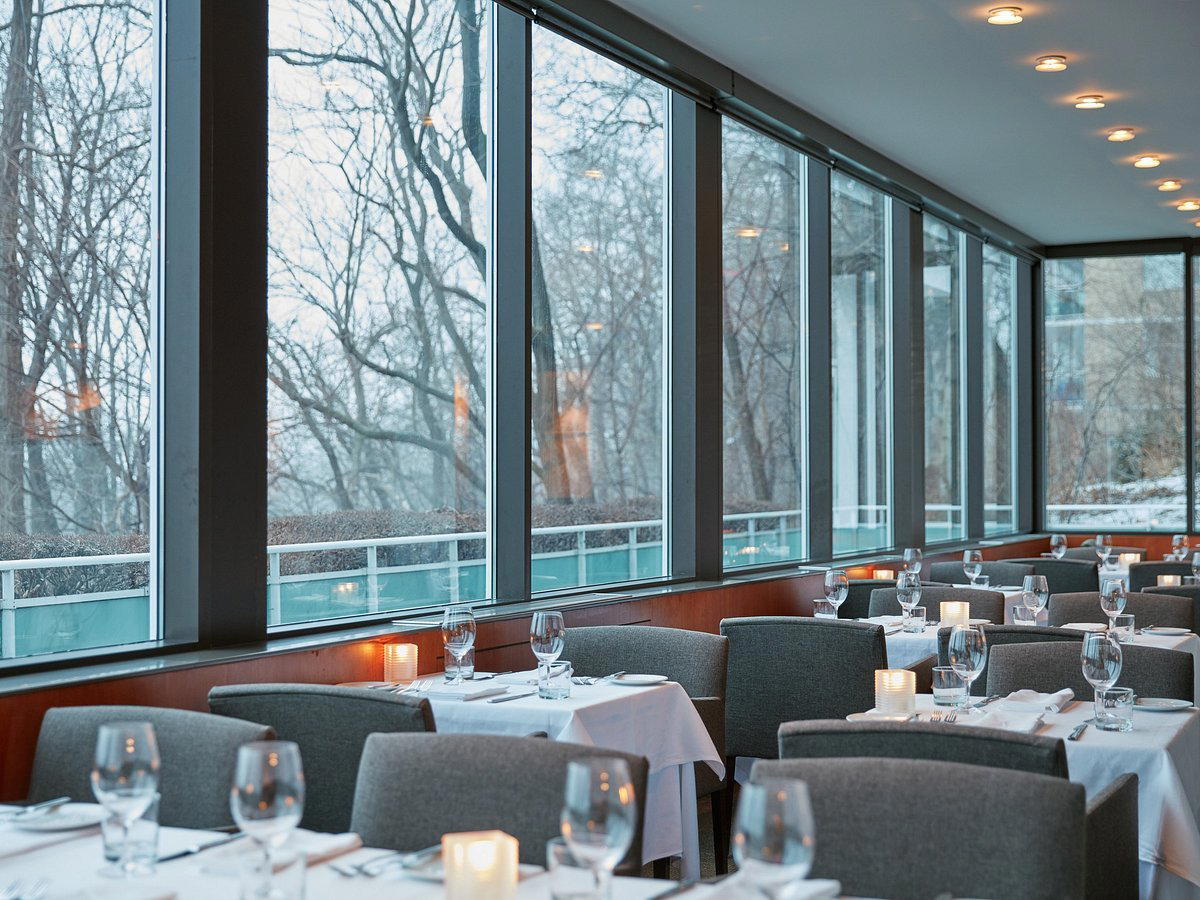
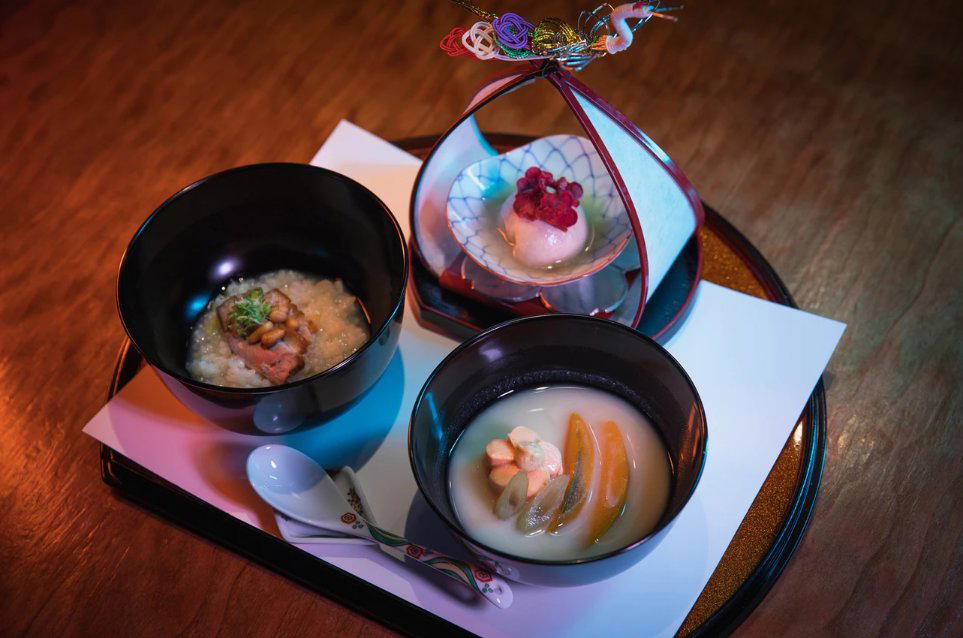
Bars in Toronto
Browse all →

Hotels in Toronto
Browse all →


At a Glance
- Cozy
- Brunch
- Family
- Casual Hangout
- Open Kitchen
- Local Sourcing
Current opening hours
- Monday
- 9 AM–3 PM
- Tuesday
- 9 AM–3 PM
- Wednesday
- 9 AM–3 PM
- Thursday
- 9 AM–9 PM
- Friday
- 9 AM–9 PM
- Saturday
- 8:30 AM–9 PM
- Sunday
- 8:30 AM–9 PM
Hours can change for holidays and private events. Last verified .
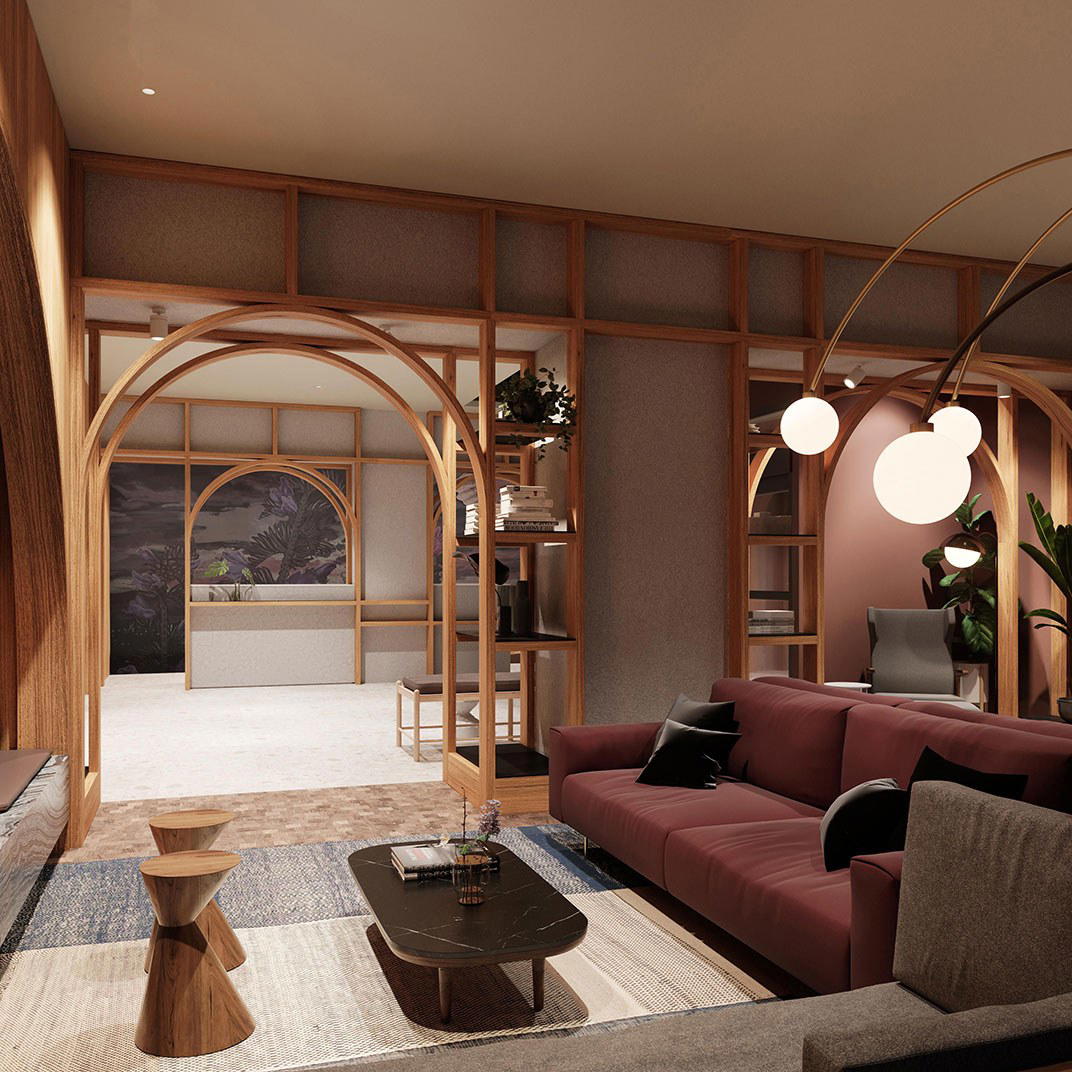
Inviting and cozy atmosphere well-suited for family meals and community gatherings with a comforting, homey feel.