Marben occupies a converted space on Wellington Street West in Toronto's King West neighbourhood, offering a Canadian-leaning menu that shifts noticeably between its daytime and evening service. The room draws a mixed crowd of locals and visitors, and the kitchen's approach sits comfortably in the mid-tier of Toronto's casual-fine dining bracket, below the omakase counters and tasting-menu flagships but well above neighbourhood convenience dining.
- Address
- 488 Wellington St W, Toronto, ON M5V 1E3, Canada
- Directions
- Get directions
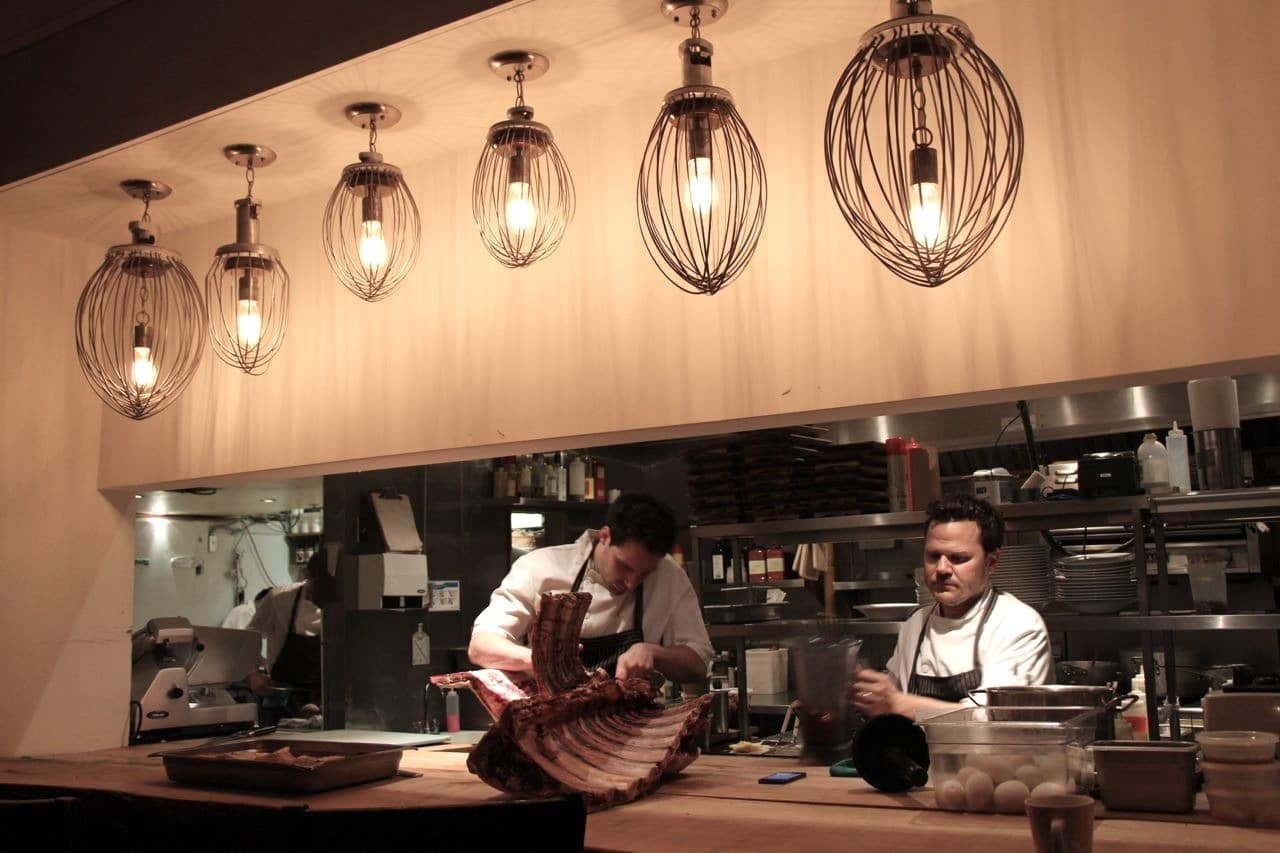
Wellington West and the Mid-Tier Dining Zone It Anchors
King West and the blocks along Wellington Street W have, over the past decade, settled into a particular role in Toronto's restaurant geography. This is not the city's tasting-menu corridor, that runs through the financial district and midtown, where Alo (Contemporary) and Aburi Hana (Kaiseki, Japanese) anchor the upper end of the price spectrum. Nor is it the kind of neighbourhood where a restaurant can coast on foot traffic alone. Wellington West demands a defined identity: casual enough to fill tables on a Tuesday, considered enough to hold the attention of a dining public that has access to serious options across the city. Marben, at 488 Wellington St W, has held that position long enough to be considered part of the neighbourhood's institutional fabric.
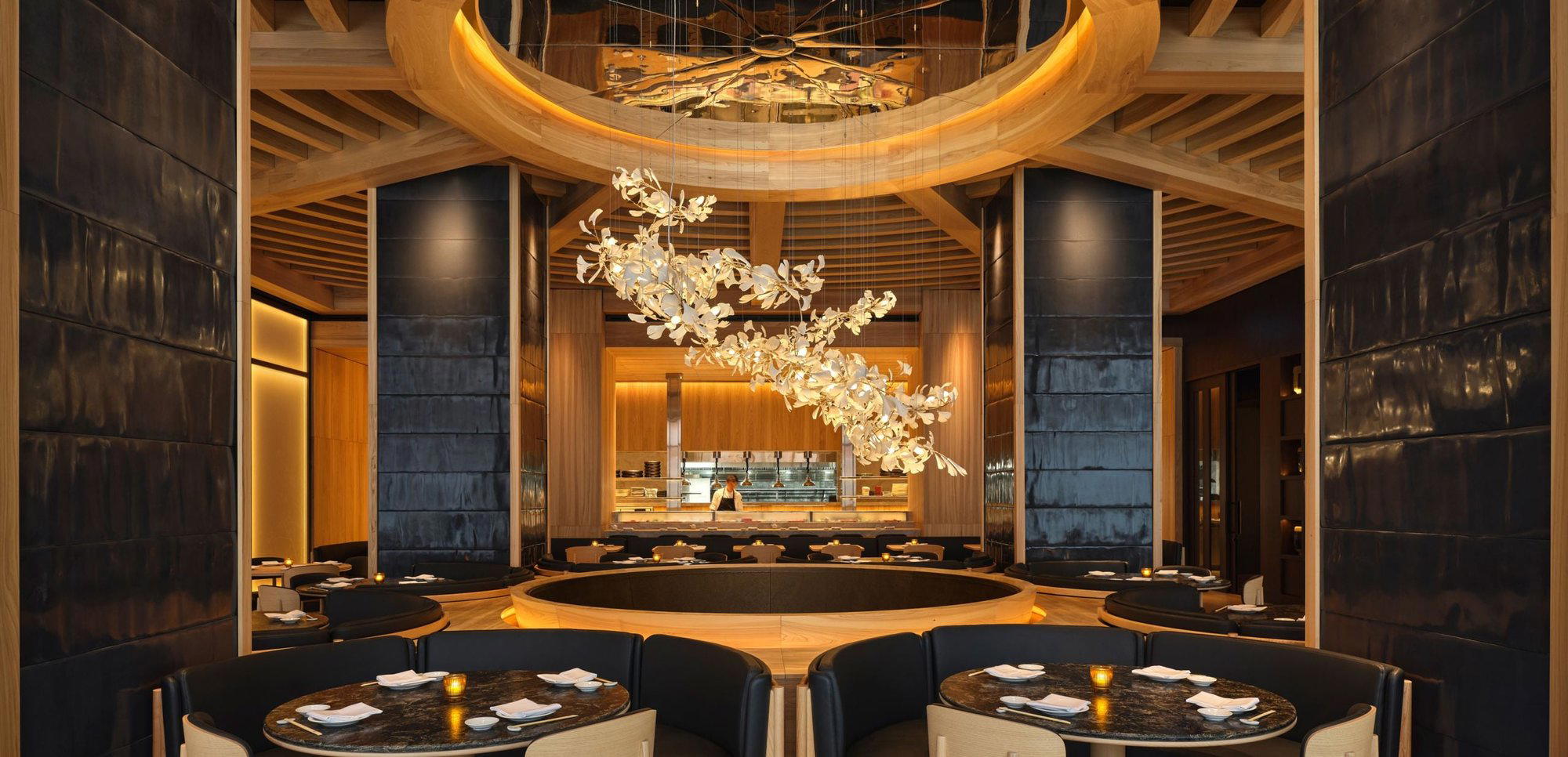
The room itself sets the tone before the menu arrives. The conversion of an older commercial space into a dining room with exposed structural elements, the kind of aesthetic that Toronto's mid-market restaurant scene leaned hard into through the 2010s, has aged reasonably well here, because the proportions work. It reads as a place for sustained conversation rather than performance dining, which turns out to be precisely the register the kitchen plays in.
Lunch and Dinner: Two Different Arguments for the Same Room
One instructive way to read Marben is through the gap between its daytime and evening service, a divide that reveals something genuine about how the kitchen thinks about its audience. Across Canadian cities, the lunch-versus-dinner split at mid-tier restaurants tends to follow a predictable pattern: lunch is edited and value-forward, dinner is expanded and occasion-oriented. Marben fits that model, but with enough craft in the daytime execution that the lunch service functions as a standalone argument rather than a truncated preview of the dinner menu.
Daytime at Wellington West has a particular rhythm. The neighbourhood draws a working population from the media and creative industries concentrated in the surrounding blocks, and a lunch crowd that is time-conscious but not indifferent to quality. A kitchen that can hold that room without defaulting to sandwich-and-salad filler is doing something worth noting. The Canadian-leaning sourcing approach, broadly shared by a cohort of Toronto restaurants that emerged in the late 2000s and early 2010s as a conscious counter to European fine dining orthodoxy, translates more legibly at lunch, where it reads as practicality rather than ideology.
Evening service shifts the room's register. The same space that functions as a productive midday canteen becomes, after six, something closer to a neighbourhood anchor for groups and couples who want more than a quick turnaround but aren't in the market for the commitment of a tasting menu. In Toronto's dinner economy, that is a legitimate and underserved position. The counter-examples at the summit of the market, Sushi Masaki Saito (Sushi, Japanese) and Don Alfonso 1890 (Contemporary Italian, Italian), require booking discipline and a three-figure commitment per head. Marben asks for neither, which is not a criticism but a placement signal.
Where Marben Sits in Toronto's Broader Restaurant Conversation
Toronto has developed, over the past fifteen years, a restaurant culture genuinely worth comparing to peer cities in North America. The city's leading rooms now draw critical attention that reaches beyond the Canadian press. DaNico (Italian) has pushed Italian cooking in the city toward a more technically serious register. At the other end of the country, comparators like AnnaLena in Vancouver show how a mid-format Canadian restaurant can build a durable identity around ingredient sourcing and neighbourhood loyalty without chasing tasting-menu credentials.
Marben belongs to the same generational cohort as these restaurants, places that formed their identities around Canadian produce and an informal-but-considered service model, without necessarily competing at the same visibility level. That is partly a function of the neighbourhood, and partly a reflection of the restaurant's deliberate pitch toward regulars over destination diners.
For context on the wider Canadian dining conversation, the contrast with Tanière³ in Quebec City or Restaurant Pearl Morissette in Lincoln is instructive. Those restaurants have built their identities around a specific and demanding relationship with local terroir, Pearl Morissette through its winery connection, Tanière³ through a foraging-led tasting menu structure. Marben's version of Canadian sourcing is less programmatic and more pragmatic, which makes it more accessible and less singular. That trade-off is worth naming rather than eliding. Places like Eigensinn Farm in Singhampton and Fogo Island Inn Dining Room in Joe Batt's Arm sit at the extreme end of the terroir-defined Canadian restaurant, where the sourcing philosophy is the entire premise. Marben operates on a different axis entirely.
What the Room Does Well
The strongest case for Marben is one of consistent availability and consistent execution in a city where both are harder to guarantee than they should be. Toronto's dining public has become accustomed to restaurants that open with significant critical momentum and then lose the thread within eighteen months as staff turnover and expansion pressure erode the original kitchen culture. A room that has held its neighbourhood position over a sustained period is providing a form of reliability that has real value. The comparison to Cafe Brio in Victoria is reasonably apt.
Across North America, the restaurants that tend to generate the durable local loyalty are rarely the ones at the summit of any given year's critical list. Lazy Bear in San Francisco and Le Bernardin in New York City operate in a different category entirely, destination restaurants where the critical identity is the primary product. Marben's proposition is essentially the inverse: the room, the consistency, and the price point are the product, and the critical identity is secondary.
Same-City Peers
Comparable venues nearby, for context on price, style, and recognition.
| Venue | Cuisine | Price | Notes |
|---|---|---|---|
| MarbenThis venue — the venue you are viewing | Modern Canadian | $$ | Not listed |
| Steam Whistle Kitchen | Contemporary Canadian Gastropub | $$ | Entertainment District |
| Ramona's Kitchen | Comfort Canadian Brunch | $$ | Leaside |
| Signatures Restaurant | Contemporary Canadian | $$$ | Annex |
| L'Avenue | Quebec-Inspired Brunch | $$$ | Fashion District |
| Mother Tongue | Asian Fusion | $$ | Entertainment District |
Continue exploring
More in Toronto
Restaurants in Toronto
Browse all →
Bars in Toronto
Browse all →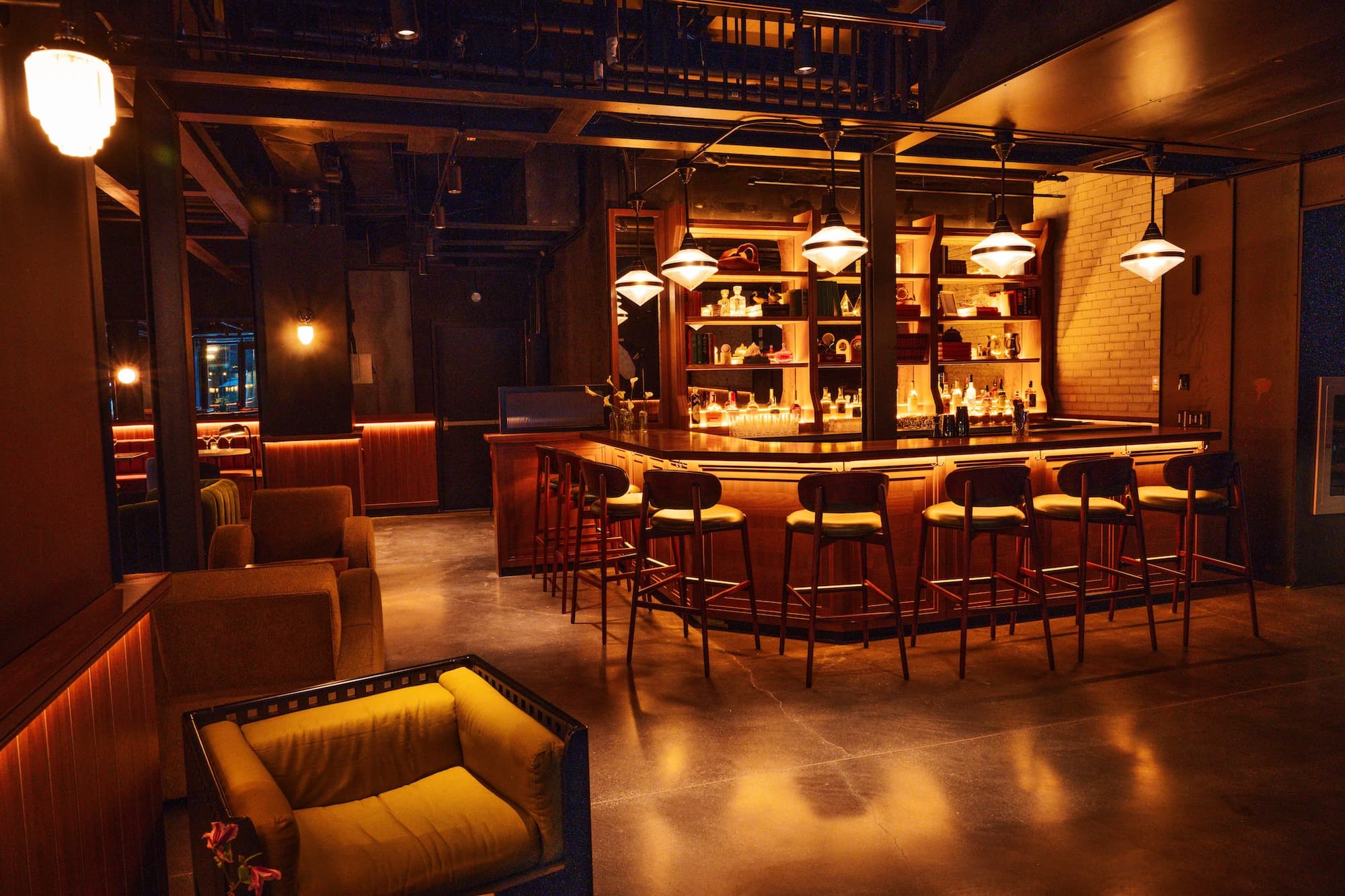
Hotels in Toronto
Browse all →

At a Glance
- Cozy
- Modern
- Rustic
- Date Night
- Special Occasion
- Open Kitchen
- Craft Cocktails
- Farm To Table
- Local Sourcing
Cozy with art deco decor, inviting down-to-earth atmosphere, and a renovated downstairs space offering intimate seating.