Where the Sea Comes First Otaru has long occupied a specific position in the geography of Japanese seafood. Sitting on the west coast of Hokkaido, roughly forty minutes from Sapporo by express train, the city functions as both a working port and...
Pearl is the En Primeur Club membership app — saves, bookings, and concierge access live there. Same editors, same standards.
- Address
- Japan, 〒047-0026 Hokkaido, Otaru, Shinonomecho, 2−4 Vista 東雲 1F
- Phone
- +81134655588
- Website
- tabelog.com
 Saves & bookings on Pearl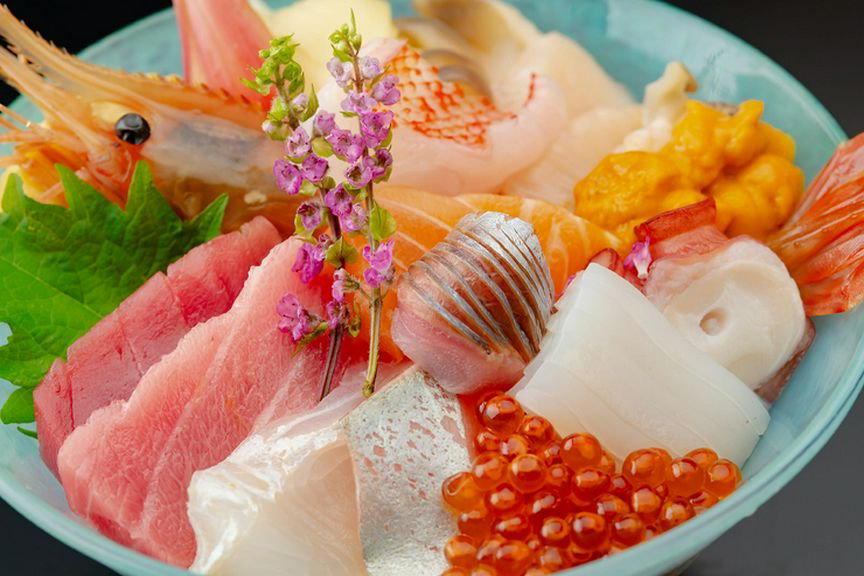
Where the Sea Comes First
Otaru has long occupied a specific position in the geography of Japanese seafood. Sitting on the west coast of Hokkaido, roughly forty minutes from Sapporo by express train, the city functions as both a working port and a destination for visitors who understand that the distance between the ocean and the bowl matters enormously. The morning catch at Otaru's fish markets is not a tourist performance; it is a supply chain that feeds some of the most direct seafood cooking in Japan. Shinkai, a donburi specialist operating out of a ground-floor space in the Shinonomecho district, sits squarely inside that tradition.
The Donburi Format and What It Means in Hokkaido
To understand what a seafood donburi restaurant in Otaru represents, it helps to understand what the format demands. Kaisendon, the rice bowl piled with raw seafood, is one of Japan's most deceptively simple dishes. The format strips away the ceremony of omakase counters such as Harutaka in Tokyo or multi-course constructions like those at Gion Sasaki in Kyoto, and places the entire burden of quality on the ingredient itself. There is no sauce architecture to compensate for second-rate tuna, no technique to rescue a mediocre scallop. In Otaru, where the supply is genuinely exceptional, the format makes sense. Hokkaido produces roughly a third of Japan's total fisheries output, and the cold currents of the Sea of Japan and the Tsugaru Strait push a particular richness into local shellfish and cephalopods. Botan ebi, Hokkaido's prized spot prawns, develop their characteristic sweetness in these waters. Uni from the surrounding kelp forests carries a clean, mineral finish that differs from the sweeter varieties brought up from warmer southern seas.
Shinkai operates within this Otaru kaisendon cluster, a format well-represented along the city's Sankaku Market area and the streets surrounding the old canal district. The city's seafood bowl restaurants compete primarily on sourcing proximity and bowl composition rather than on dining-room ambience or service formality. This places them in a different category from the white-tablecloth seafood restaurants found in Sapporo or the highly engineered tasting menus at places like HAJIME in Osaka. The comparison comparable set for Otaru's donburi houses includes Yoichiya Uni Specialty Restaurant and fellow Otaru establishments such as 伍堂鮨, かまわぬ, and オタル ダイニング ノーネーム, each working with comparable raw material from the same regional supply.
Seasonal Supply and What It Implies
The kaisendon format is inherently seasonal, and Hokkaido's marine calendar is specific. Bafun uni peaks between late spring and midsummer, with the Rishiri and Rebun island varieties considered the reference point for quality within Japan. Kita murasaki uni, the longer-spined variety, extends the season into autumn. Botan ebi are available year-round from Hokkaido waters but are particularly prized in winter when cold temperatures intensify their sweetness. Salmon peaks in autumn during the run. Hokkaido scallops, farmed extensively in Sarufutsu and Omu, supply the market consistently through the year. What this means practically is that a kaisendon bowl in Otaru assembled in August looks and tastes different from the same restaurant's bowl in February. The format's honesty cuts both ways: the bowl tells you exactly what the season has to offer.
For reference points on how Japan's premium seafood culture has evolved toward ingredient-forward formats, the kaisendon tradition shares its philosophical underpinning with high-investment counters, even if the price point and formality differ sharply. Restaurants like Goh in Fukuoka and akordu in Nara represent what happens when that same ingredient-first logic is applied inside a tasting-menu structure. Otaru's donburi houses represent the other pole: maximum ingredient focus, minimum intervention, lower price point, and considerably less ceremony.
The Otaru Dining Scene in Context
Otaru's restaurant ecosystem has a clear character. It is not Sapporo, where you find the full range of Japanese dining formats from ramen to kappo, and it is not a destination that chases Michelin recognition in the way that Hokkaido's Sapporo restaurants increasingly do. Otaru's culinary identity is tighter: the canal district draws visitors primarily for seafood, sushi, and the particular pleasure of eating something very cold and very fresh within sight of the water. The city's donburi restaurants function within that identity. They are not trying to compete with the engineering at Le Bernardin in New York City or the conceptual ambition of Atomix. Their authority comes from place and supply, not from kitchen complexity.
Regional comparisons extend to other Hokkaido-adjacent seafood traditions at places such as 三本松 石川製 in Nanao and broader Sea of Japan coastal cooking at 湖畔荘 in Takashima.
Planning Your Visit
Shinkai is located at Vista 東陽 1F, Shinonomecho 2-4, Otaru, Hokkaido 047-0026. The Shinonome-cho address places it within walkable distance of Otaru's central sightseeing corridor, though slightly removed from the densest concentration of tourist-facing seafood restaurants near the canal. That positioning can be relevant: restaurants slightly off the main circuit in Japanese port cities often operate with shorter queues and more direct service. Queueing before opening is standard practice at popular kaisendon restaurants in Otaru, and arriving early is more reliable than assuming walk-in availability later in the day.
Price and Recognition
Comparable venues nearby, for context on price, style, and recognition.
| Venue | Cuisine | Price | Awards | Notes |
|---|---|---|---|---|
| Otaru Seafood Donburi Restaurant "Shinkai"This venue — the venue you are viewing | $$ | , | ||
| Ramen Shodai Otaru honten | Sumiyoshi-cho, Japanese Ramen | $$ | , | |
| かまわぬ | Hana no Sono, Seafood Izakaya | $$ | , | |
| Shirokuma Shokudo | $$ | , | Ironai, Cozy Hokkaido izakaya & cafeteria | |
| Wagyu Kurosawa Otaru Main Store (和牛黒澤 本店) | Ironai, Japanese Wagyu Sukiyaki | $$$ | , | |
| オタル ダイニング ノーネーム | $$ | , | Shinonomecho, Otaru Yoshoku (Japanese Western Cuisine) |
Continue exploring
More in Otaru
Restaurants in Otaru
Browse all →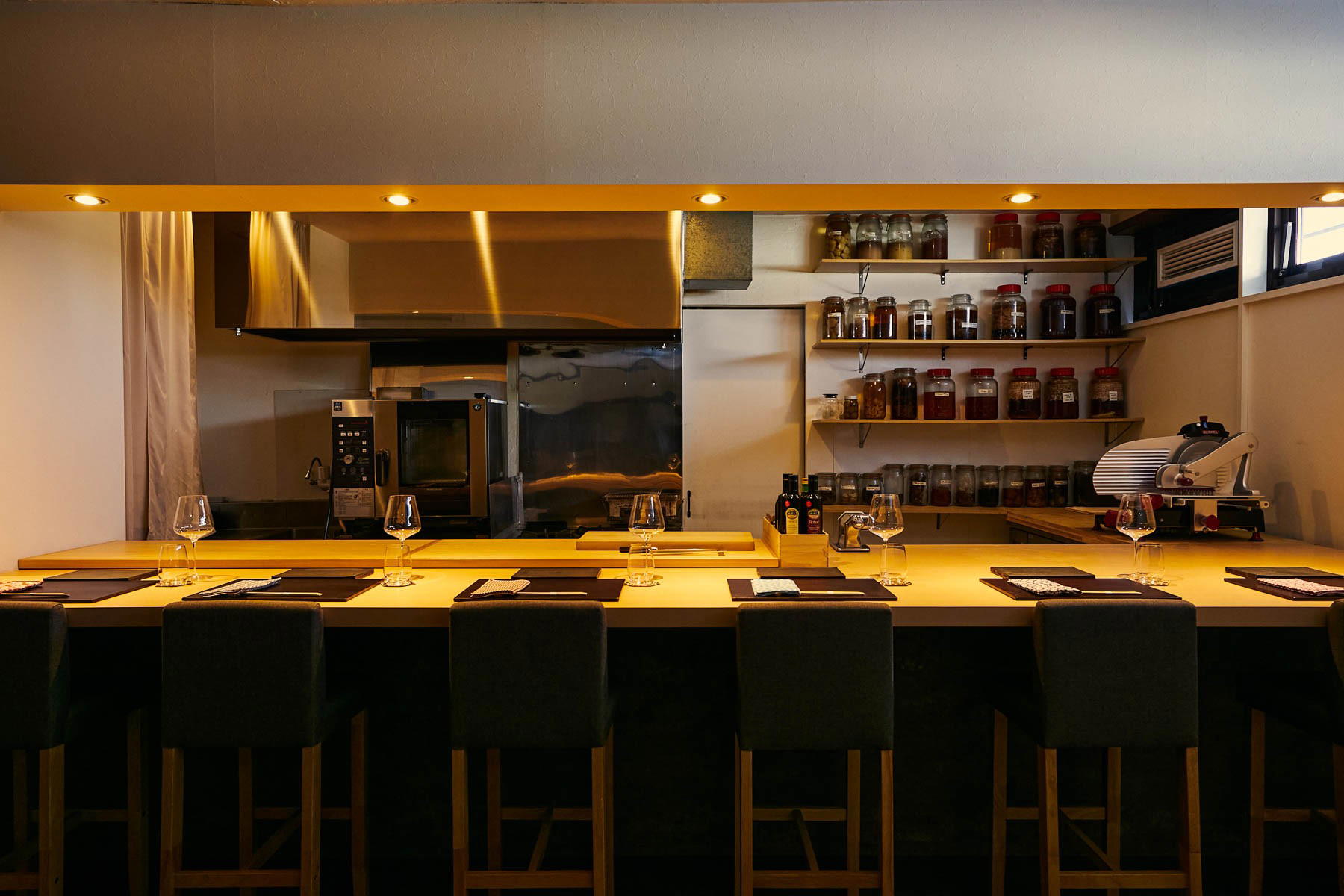
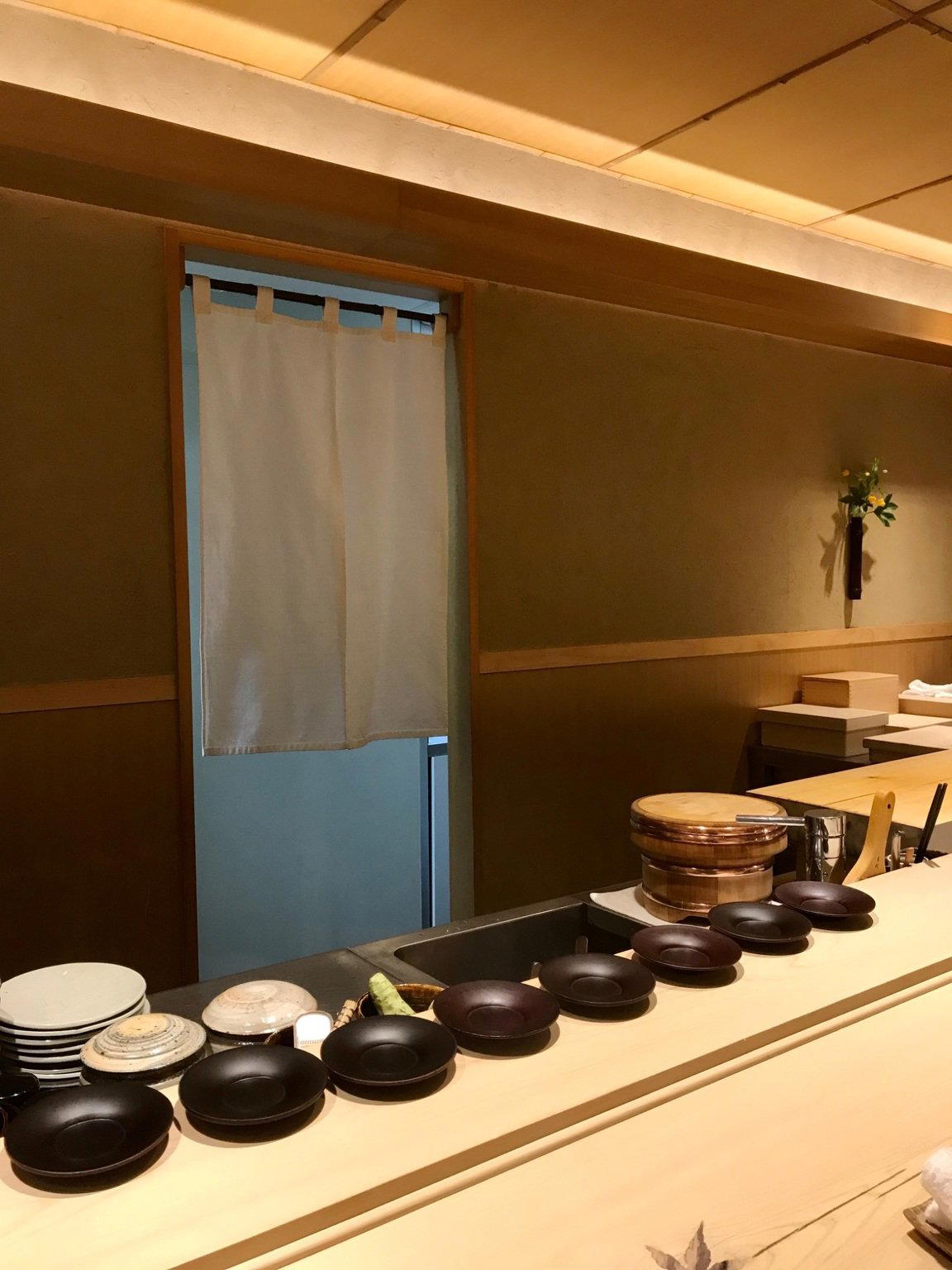
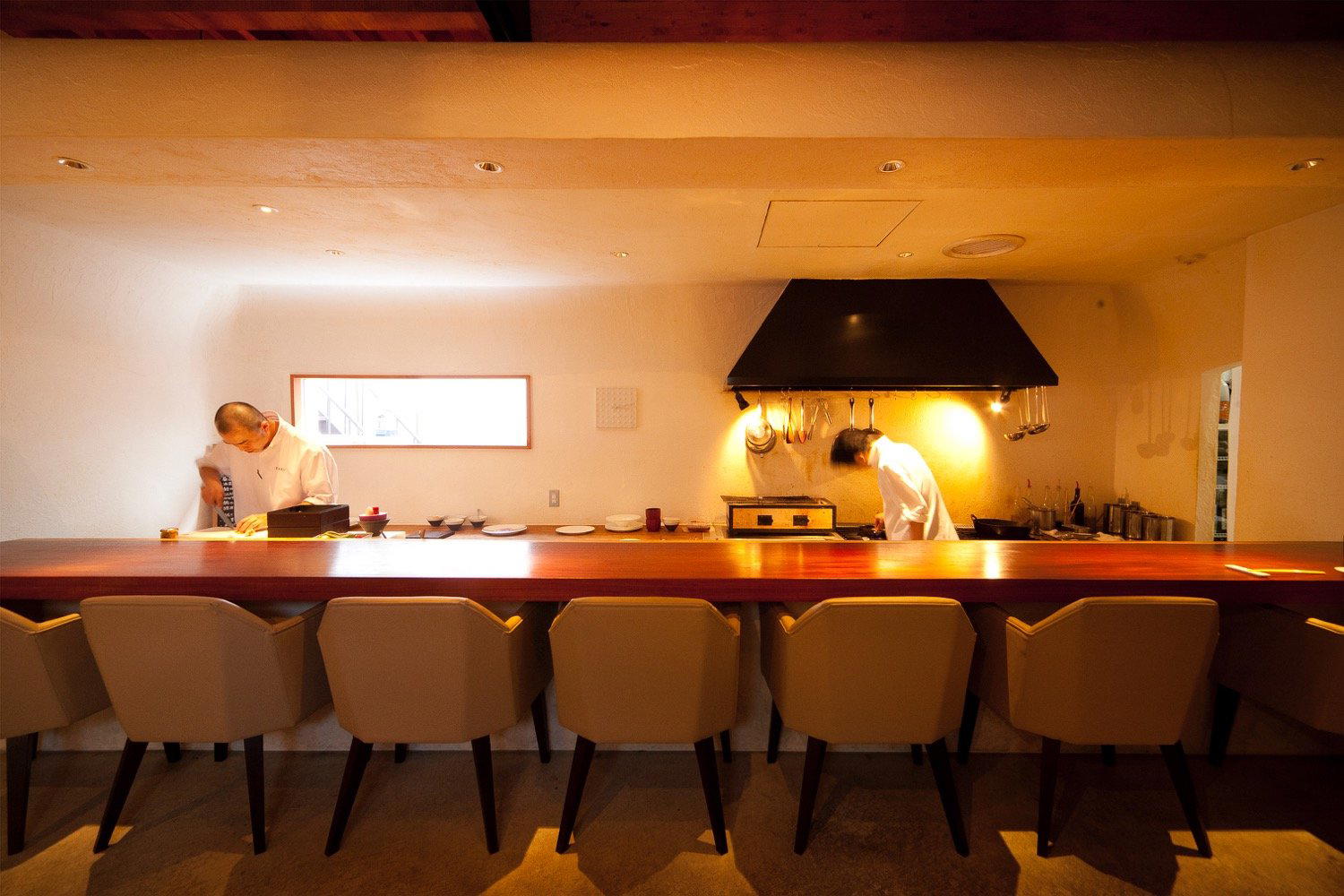
Bars in Otaru
Browse all →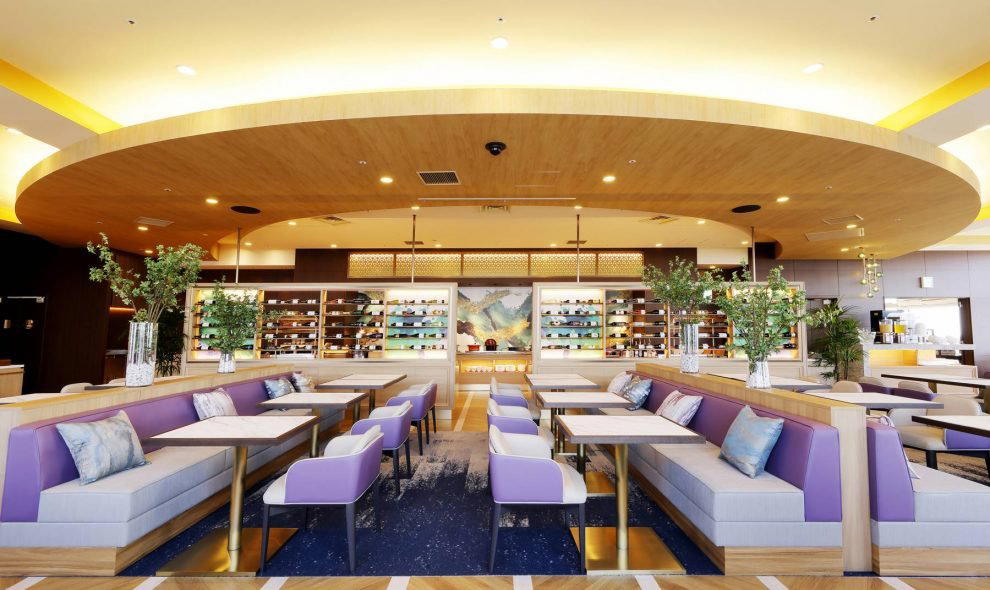
Hotels in Otaru
Browse all →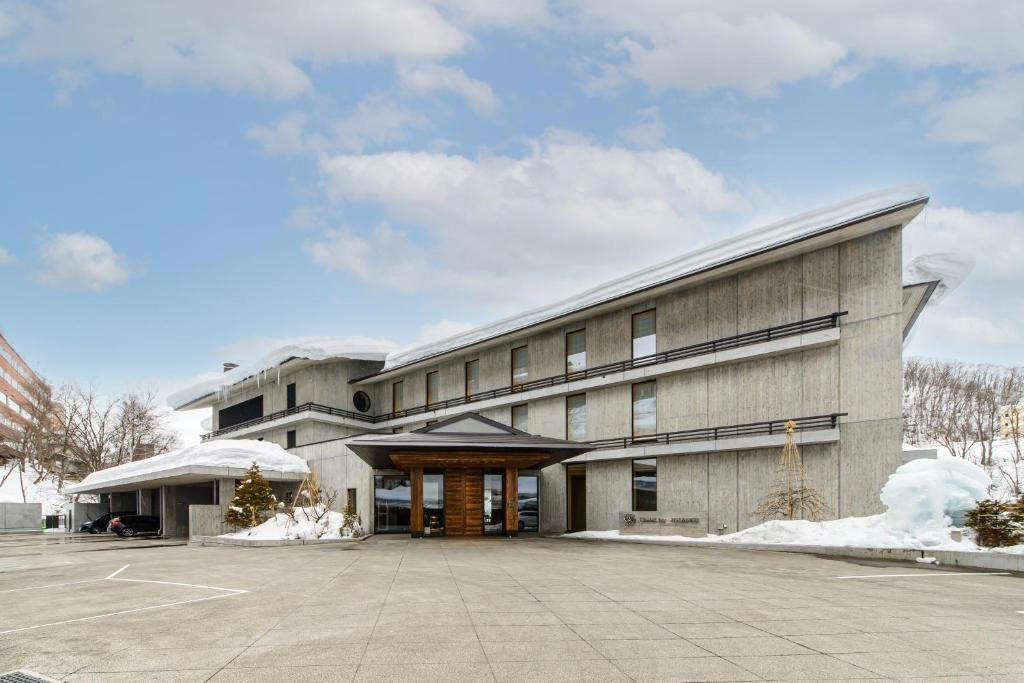


Wineries in Otaru
Browse all →
At a Glance
- Elegant
- Cozy
- Casual Hangout
- Sake Program
- Local Sourcing
- Sustainable Seafood
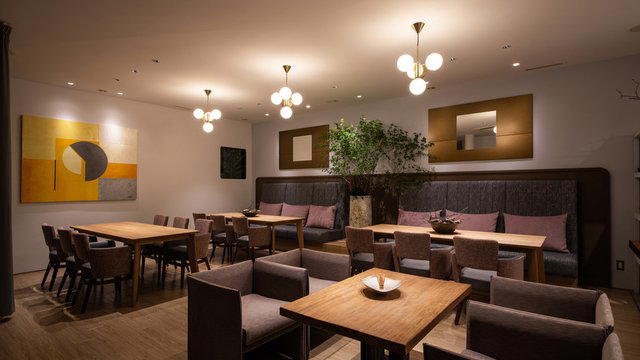
Elegant setting with an intimate, cozy atmosphere suitable for tourists.