On the second floor of a low-rise building in Otaru's Hanazono district, かまわぬ occupies a quieter register than the canal-front tourist circuit. The restaurant draws on Hokkaido's ingredient depth — seafood, dairy, seasonal produce — in a format that rewards attention to how the menu is assembled rather than how loudly it announces itself. A considered choice for those already familiar with Otaru's more prominent counters.
Pearl is the En Primeur Club membership app — saves, bookings, and concierge access live there. Same editors, same standards.
- Address
- Japan, 〒047-0024 Hokkaido, Otaru, Hanazono, 1 Chome−6−4 嵐山ビル 2階
- Phone
- +81134243232
- Website
- otaru.mypl.net
- Directions
- Get directions
 Saves & bookings on Pearl
Second Floor, Hanazono: What the Address Tells You
Otaru's dining reputation runs along predictable lines: sushi counters facing the canal, seafood donburi shops near the market, uni specialists staking claims on Hokkaido's sea urchin season. The restaurants that step outside that circuit tend to occupy quieter addresses, and かまわぬ fits that pattern precisely. Located on the second floor of the Arashiyama Building in Hanazono — a residential-commercial pocket a short distance from the main tourist corridors — the restaurant positions itself away from foot-traffic dining. That physical placement is not incidental. It filters the room toward guests who have made a deliberate choice rather than wandered in from the canal promenade.
In Japanese provincial cities, the second-floor address has long functioned as a soft signal: a place that relies on word of mouth and return visits rather than signage and passing trade. Otaru has a cluster of such addresses, and they tend to share certain characteristics: smaller rooms, closer service ratios, menus that change with supply rather than season marketing. Whether かまわぬ operates precisely within that tradition is difficult to confirm from public data alone, but the address and the name, which translates loosely as "I don't mind" or "it doesn't matter," a phrase carrying a certain studied nonchalance in Japanese, suggest a deliberate posture toward the casual and the self-assured.
Menu Architecture and What It Signals
The most revealing thing about any Japanese restaurant operating in a regional city is not what it serves but how the menu is structured. In Otaru, the dominant formats are transactional and ingredient-led: a bowl of uni, a platter of crab, a sushi course built around that morning's catch at the Sankaku Market. These are menus organised around a single ingredient's authority. A restaurant that steps outside that format is making a different argument about what dining in this city can mean.
かまわぬ's menu structure is not fully documented in public records, which is itself informative. Restaurants that publish detailed menus online tend to be working in volume or in formats where the menu is a marketing instrument. The absence of a website and a publicly available menu suggests a format closer to the izakaya-kaiseki hybrid that has become more common in mid-sized Hokkaido cities over the past decade: a core of seasonal small plates, adjusted nightly or weekly, communicated in the room rather than in advance. This format places the editorial burden on the kitchen rather than the guest, and it tends to attract a regulars-heavy dining room.
What Hokkaido's ingredient calendar allows in this format is considerable. The prefecture's dairy produce, cold-water seafood, mountain vegetables, and game create a seasonal rhythm that is genuinely distinct from the kaiseki tradition of Kyoto or the tasting-menu architecture of restaurants like HAJIME in Osaka or Harutaka in Tokyo. Regional restaurants in Hokkaido that work this calendar honestly tend to produce menus that feel anchored rather than assembled, grounded in supply constraints that function as creative discipline.
Otaru's Dining Room: Where かまわぬ Sits in the City
Otaru's dining scene operates at two fairly distinct altitudes. The first is the tourist-facing tier: the well-documented sushi houses, the market-adjacent donburi counters like Otaru Seafood Donburi Restaurant "Shinkai", and the uni specialists such as Yoichiya Uni Specialty Restaurant, which draw visitors from Sapporo on day trips and from further afield on Hokkaido itineraries. These are excellent operations in their format, and they represent what most visitors mean when they say they are eating well in Otaru.
The second altitude is smaller and less mapped: neighbourhood restaurants that serve a primarily local clientele, where the menu's point of reference is the city's own eating culture rather than the expectations of the arriving tourist. オタル ダイニング ノーネーム and 伊勢鮨 represent different points within this second tier. かまわぬ, based on its address and operating profile, appears to belong to the same cohort. These are not restaurants hiding from recognition; they are restaurants that have chosen a different relationship with their audience.
For visitors already familiar with the canal-front experience and looking to understand how Otaru actually eats, this tier is where the more instructive meals tend to happen. The context for that kind of dining in Hokkaido more broadly is explored in our full Otaru restaurants guide.
The Regional Frame: Hokkaido Restaurants Beyond the Counter
It is worth situating かまわぬ within a broader pattern visible across Hokkaido's mid-sized cities. The prefecture's culinary identity has long been defined by its ingredients rather than its techniques, and the most internationally recognised expressions of Japanese fine dining, the kaiseki houses of Gion Sasaki in Kyoto, the tasting formats of akordu in Nara or Goh in Fukuoka, operate in a different register from what Hokkaido's regional dining culture typically produces.
What Hokkaido does well, and what its stronger neighbourhood restaurants tend to express, is a kind of ingredient honesty that doesn't require the architecture of a formal tasting menu to land. The prefecture's proximity to cold-water fishing grounds, its dairy farming tradition, and its relatively short growing season create a culinary culture that is instinctively seasonal in ways that more temperate Japanese regions manage only with effort. Restaurants like 夕仙山乃 in Sapporo operate within this tradition at a higher documented tier; かまわぬ appears to work in a similar spirit at a neighbourhood scale in Otaru.
Planning a Visit
かまわぬ is located at 1 Chome-6-4 Hanazono, Otaru, on the second floor of the Arashiyama Building. No website or phone number is listed in current public records, which means advance contact requires local knowledge or in-person inquiry. This is consistent with a format built around regulars and word-of-mouth referrals rather than online booking infrastructure. Visitors travelling from Sapporo, roughly 40 minutes by train on the Hakodate Main Line, should treat confirmation of opening hours and availability as a prerequisite rather than an afterthought. The Hanazono address is accessible on foot from Otaru Station, making it a practical addition to an itinerary that already includes the market district or the canal area, rather than a separate excursion.
For comparison, the planning logistics for more extensively documented Hokkaido dining require similar groundwork: 湖畔荘厨 in Takashima and 鳥羽屋 in Nishikawa Machi both operate in formats where advance planning is rewarded. The same principle applies here.
How かまわぬ Otaru compares with similar nearby venues.
| Venue | Price |
|---|---|
| Ice cream Parlor Misono | JPY 999 - JPY 999 |
| Yamanaka Bokujou Otaru ten | JPY 999 - JPY 999 View spending breakdown |
Continue exploring
More in Otaru
Restaurants in Otaru
Browse all →
Bars in Otaru
Browse all →
Hotels in Otaru
Browse all →



Wineries in Otaru
Browse all →
At a Glance
- Cozy
- Intimate
- Rustic
- Casual Hangout
- Group Dining
- Private Dining
- Sake Program
- Local Sourcing
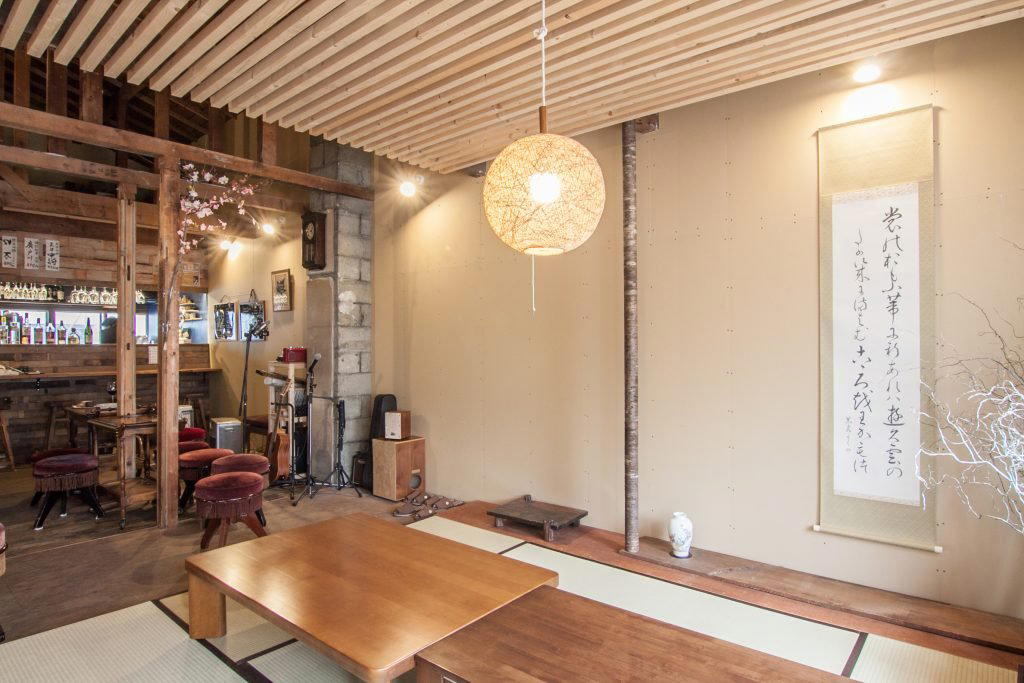
Relaxed and cozy atmosphere in a calm interior with warm hospitality, featuring kotatsu tables, tatami rooms, and private seating.
Know Before You Go
- Getting there
- Japan, 〒047-0024 Hokkaido, Otaru, Hanazono, 1 Chome−6−4 嵐山ビル 2階