
Sumiyoshiya Sohonten belongs to Kawasaki’s shrine-adjacent wagashi culture, where bean starch, kuzu-style textures and low-priced tea-shop formats matter more than ceremony. Its Tabelog 100 selection for Japanese traditional sweets and sweets cafes in East Japan in 2023 gives it a credentialed place in a category that often sits outside luxury dining coverage.
Pearl is the En Primeur Club membership app — saves, bookings, and concierge access live there. Same editors, same standards.
- Address
- 8-16 Daishihoncho, Kawasaki Ward, Kawasaki, Kanagawa 210-0817, Japan
- Phone
- +81 44-266-4668
- Website
- big-advance.site
 Saves & bookings on Pearl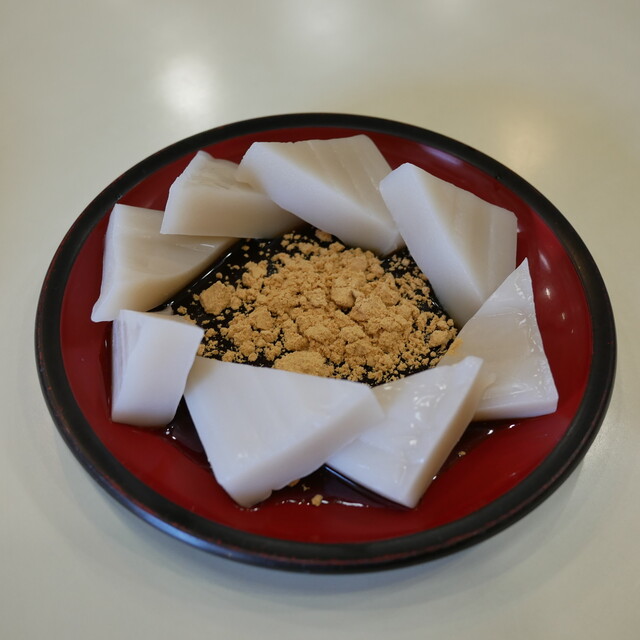
Approaching Kawasaki Daishi, the mood shifts from commuter Kanagawa to temple-town snacking: shopfronts, gift boxes, tea counters and the older rhythm of sweets bought for the walk home. Here wagashi functions less as dessert than local memory, tied to pilgrim routes, family outings and edible souvenirs that define a shrine district. Sumiyoshiya Sohonten fits with unusual clarity: a sweets cafe and take-out shop recognized in Tabelog’s 2023 Japanese traditional sweets and sweets cafe East Japan selection, priced under ¥1,000 and grounded in repetition over reinvention.
The point is not chef-driven novelty. Kawasaki’s wagashi shops compete on supply chains, texture, shelf life and trust: starch and bean quality, controlled sweetness and the ability to serve locals and Daishi visitors. The useful comparison is not a Tokyo tasting-menu restaurant but Kawasaki’s sweets and casual food circuit, from Kuzumochi Honpo Sumiyoshi and Pastry shop Tamagawa (Oiwake Bun) to low-cost staples such as Ramen Jiro Keikyu kawasaki ten and Matsu no Ki. They answer different appetites but share a price-conscious local grammar: quick service, familiar categories and little need for explanation.
Kawasaki Daishi sweets culture is built on starch, beans and take-home ritual
Wagashi near major temples has always been practical. Sweets must survive transport, suit multigenerational groups and pair with tea without overwhelming it. Ingredients matter because the category depends on restraint: starch for bounce and set, beans for sweetness and structure, kinako and syrups in the broader tradition for aroma and contrast. Shops are judged by whether sweets feel honest at everyday prices, not by plating or theatre.
That is why a Tabelog 100 nod carries weight here. The Japanese traditional sweets and sweets cafe East Japan scope places the shop among regional specialists, not a general restaurant ranking. A 3.63 Tabelog score, take-out service marker and small cafe room of seven four-seat tables point to the same conclusion: this is a compact, high-throughput sweets stop, not a lingering restaurant. Reservations are not the currency; timing and appetite are.
For travelers mapping Kawasaki beyond the Tokyo overflow narrative, this address is useful. The city’s dining character splits between transport-hub convenience, heavy local comfort food and specialist pockets around older pilgrimage and shopping streets. A full meal may sit elsewhere in our full Kawasaki restaurants guide, but the Daishi sweets tradition explains a side of the city ramen counters and izakaya do not. It also contextualizes nearby contrasts, from (Shoku) Vietnam and Belmatine to bakery-led stops such as Boulangerie Metier Pa-ku shiti musashi kosugi za ga-den.
A low-price sweets cafe, not a destination dining room
The mistake is to treat Sumiyoshiya Sohonten as a restaurant in the Western critical sense. Its category listing includes Japanese sweets cafe alongside udon and soba, signaling a hybrid neighborhood format rather than a single-discipline dining room. That hybridity is common in Japan’s older commercial streets: a shop may feed visitors, sell sweets to carry away and offer family seating without changing its core identity.
Against comparison venues, the price signal is sharp. Kuzumochi Honpo Sumiyoshi and Pastry shop Tamagawa (Oiwake Bun) share the sub-¥1,000 bracket, while Ramen Jiro Keikyu kawasaki ten and Matsu no Ki sit at ¥1,000–¥1,999. Wagashi here can be an add-on to a temple visit, a morning errand or a family pause, not a planned lunch with a reservation strategy.
There is also a sourcing argument in the format. Traditional Japanese sweets are unforgiving because inexpensive ingredients cannot hide behind sauces, fat or alcohol. Bean paste, starch-based textures and simple accompaniments expose shortcuts. Selection in a regional wagashi list recognizes a discipline where consistency often matters more than surprise. The editorial reason to pay attention is ingredient handling at a daily price point, not luxury cues.
For a broader Kawasaki itinerary, use it as a cultural counterweight. Buta Boshi speaks to another side of the city’s casual eating, while C'EST UNE BONNE IDEE! sits closer to bakery and patisserie logic. Visitors building a longer stay can cross-reference our full Kawasaki hotels guide, full Kawasaki bars guide, full Kawasaki wineries guide and full Kawasaki experiences guide rather than forcing this stop to carry the day.
How it fits into a Japan sweets itinerary
For serious food travelers, the value is comparative. Japanese sweets shops are often overlooked by visitors chasing sushi counters, kaiseki rooms and ramen queues, yet wagashi can be the clearer lens on regional habit. A Kawasaki Daishi sweets stop can sit beside a Kamakura day built around -Grilled beef Sukiyaki- KAMAKURA TANUKIAN 鎌倉 たぬき庵 in Kamakura, a Tokyo detour to. 鮪と炭火焼き うお炭 秋葉原店 in Tokyo, or a wider domestic route that includes.cafe in Osaka.know in Kumamoto, [Curry Senmon Ten] Maruyama Kyoju. in Sapporo and [ki:] in Kyoto.
The overseas comparison is instructive. Japanese casual formats abroad often translate rice balls, sake bars and cafe culture first, as seen in Jōdo Saké Bar in Los Angeles and Onigiri Time in Pasadena. A shrine-district wagashi shop in Kawasaki shows the domestic root system behind that export story: low ceremony, high specificity, sweets linked to place rather than spectacle.
The editorial read is simple. Sumiyoshiya Sohonten is worth scheduling around Kawasaki Daishi if the goal is to understand how traditional sweets function in everyday Japan. It is not a luxury detour and does not need to be. Its strength is narrower and more durable: a recognized wagashi address in a temple district where ingredients, texture and take-home culture carry the experience.
Snapshot
Comparable venues by cuisine and price in the same metro.
| Venue | Cuisine | Price | Notes |
|---|---|---|---|
| Sumiyoshiya SohontenThis venue — the venue you are viewing | Traditional Japanese sweets café (kuzumochi, soba & udon) | $ | Not listed |
| Ramen Jiro Ikuta ekimae ten | Jiro-style Ramen Shop | $ | Tama-ku |
| Ramen Marusen | Traditional Ramen Shop | $ | Musashi-Kosugi |
| noodles kitchen GUNNERS | Ramen shop (clam-broth focus) | $ | Nakahara-ku (Musashi-Kosugi Area) |
| FUJIMORI Saginuma ten | Japanese Bakery Café | $$ | Saginuma |
| Niboshi Ramen Tanaka Niboru | Niboshi-focused ramen & tsukemen | $ | Takatsu Ward |
Recognition history
Dated appearances from independent guides and award organizations, with the underlying list record or original source where available.
Tabelog 100 #16 · No. 16
Tabelog · Tabelog 100 - Japanese traditional sweets / Japanese sweets cafe - EAST - 2023






At a Glance
- Classic
- Cozy
- Quiet
- Solo
- Family
- Casual Hangout
- After Work
- Historic Building
- Standalone
- Local Sourcing
- Street Scene
Current opening hours
- Monday
- 8:30 AM–6 PM
- Tuesday
- 8:30 AM–6 PM
- Wednesday
- 8:30 AM–6 PM
- Thursday
- 8:30 AM–6 PM
- Friday
- 8:30 AM–6 PM
- Saturday
- 8:30 AM–6 PM
- Sunday
- 8:30 AM–6 PM
Hours can change for holidays and private events. Last verified .
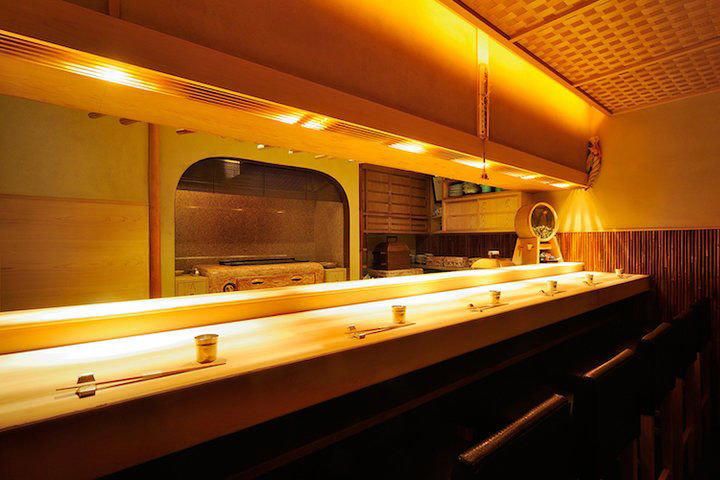
A small, old-school wagashi café with a calm, nostalgic atmosphere; simple table seating, no smoking, and a relaxed, temple-side vibe where guests quietly enjoy kuzumochi, noodles, and tea after visiting Kawasaki Daishi.