Our verdict
In Osaka's Tenroku neighbourhood, Ramen Chonmage sits within a city that treats ramen as a serious culinary category rather than a casual fallback. The shop draws regulars who return for broth-driven bowls rooted in the Osaka tradition of measured seasoning and clarity of flavour. For visitors building a broader picture of the city's eating scene, it offers a grounded entry point into neighbourhood-level ramen culture.

Pearl is the En Primeur Club membership app, where members save venues, book tables and use the concierge.
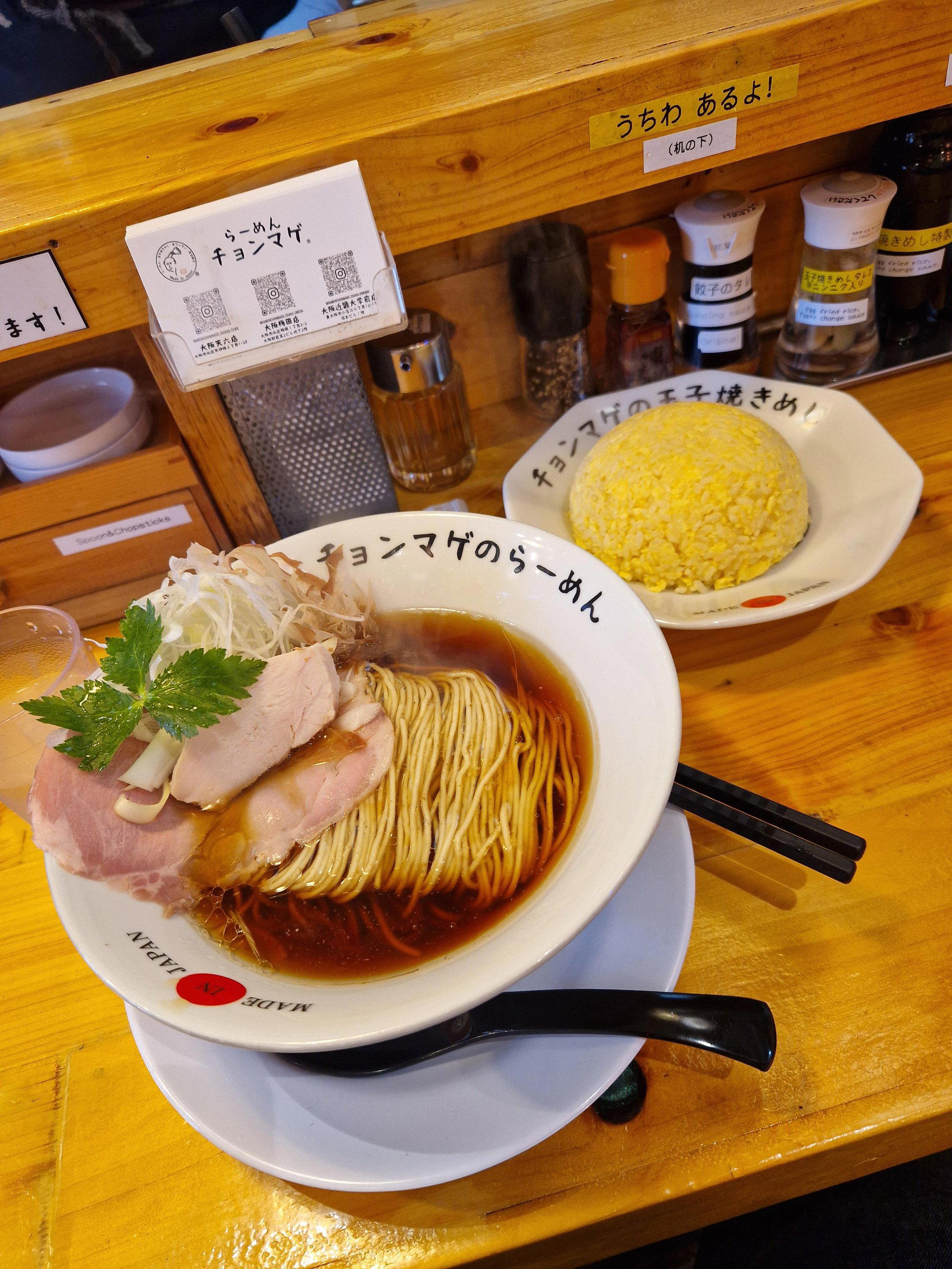
The menu
What to order
- Tamagoyaki Fried Rice
- Shoyu Ramen
- Miso Ramen
- Karaage
Tenroku and the Ramen Tradition It Belongs To
Osaka's ramen scene operates differently from Tokyo's. Where Tokyo counters often push intensity, thick tonkotsu fats, concentrated tare, aggressive seasoning, Osaka's better-regarded shops tend toward restraint. The broth reads cleaner, the salt balance sits lower, and the bowl as a whole reflects the same instinct toward dashi-led subtlety that runs through the city's broader cooking. Tenroku, a mid-city neighbourhood north of the Umeda rail hub, has enough working-local foot traffic to support shops that don't depend on tourist throughput. That matters: venues in tourist-heavy corridors calibrate their bowls differently. Ramen Chonmage Osaka Tenroku sits in this quieter register, in a neighbourhood where the customer base is primarily local and repeat.
Osaka's dining map tends to concentrate prestige at the fine-dining end, HAJIME and Fujiya 1935 anchor the French and innovative brackets at ¥¥¥¥, while Taian and Kashiwaya Osaka Senriyama hold the kaiseki tier. Ramen operates in a different register entirely: lower price point, higher frequency, and a different relationship between cook and customer. What the two ends of the market share, in Osaka more than most Japanese cities, is an expectation of clarity, in broth, in technique, in what the bowl is actually trying to say.
Reading the Bowl: A Progression Through the Meal
A well-constructed ramen bowl is a sequenced experience, even if it arrives all at once. The editorial angle that matters here is progression: what you encounter first, how it shifts, and what the bowl reveals as it cools and the components integrate. In the Osaka style, the opening impression is typically broth, assessed before the noodles are lifted, before the toppings are displaced. A clean, amber-toned shoyu or a lightly clouded shio broth announces its salt level and depth within the first spoonful. Osaka shops that earn repeat custom generally get this opening moment right: the broth is complete on its own terms before the noodles enter the equation.
The mid-bowl phase is where technique shows most clearly. Noodle calibre, thickness, alkalinity, hydration, either complements or fights the broth. Shops that source noodles to match their specific soup style rather than using a standard house noodle tend to produce more coherent bowls. Toppings in this phase begin to dissolve into the broth: chashu fat renders slightly, seasoned eggs break and bleed yolk, and the overall salinity of the bowl shifts. A shop that has calibrated its components well holds the bowl's character across this middle third without it becoming either flat or aggressively salty.
The end of the bowl, the remaining broth after the noodles are finished, is the clearest measure of restraint. Osaka ramen culture, informed by the same sensibility that shapes the city's dashi traditions, tends to produce finishes that are clean rather than cloying. The cook's intention becomes most legible here. For visitors building context around Japan's ramen geography, this is a useful calibration point: an Osaka bowl at its finest is not trying to do what a Fukuoka tonkotsu or a Sapporo miso bowl does. It operates in its own register. Goh in Fukuoka sits within a city where pork-bone intensity is the baseline; Osaka's default sits markedly further toward subtlety.
Tenroku as a Neighbourhood Context
Locating a ramen shop in its neighbourhood is not incidental. Tenroku sits north of central Umeda, close enough to be accessible but removed from the main commercial corridors that funnel tourist traffic. The eating culture in areas like this is oriented around locals who eat out frequently and have strong opinions about their regular shops. Ramen in this kind of neighbourhood succeeds through consistency and a calibrated regular menu rather than through seasonal innovation or elaborate limited editions. The shop that occupies this kind of address is making a different proposition than a destination counter in a city-centre food hall.
Osaka as a whole rewards this kind of neighbourhood-level investigation. The city's eating culture is distributed: the leading meals are rarely in the most obvious locations. This is true across the price spectrum, from the La Cime tier down to neighbourhood ramen. Visitors who limit themselves to Dotonbori and Namba-adjacent blocks are reading an edited version of the city. Our full Osaka restaurants guide maps this more completely, across neighbourhoods and price points.
Ramen in the Wider Kansai Context
Osaka ramen does not exist in isolation. The Kansai region has its own internal ramen logic, shaped partly by proximity to Kyoto's lighter broth traditions and partly by the influence of immigrant cooking communities that brought different regional styles into the city. Gion Sasaki in Kyoto operates in an entirely different category, but the same regional palate that supports restrained Kyoto kaiseki also shapes what Osaka ramen drinkers find satisfying. Further afield, akordu in Nara signals that even smaller Kansai cities now support serious destination dining, which in turn raises the baseline expectations of regional diners across the board.
Japan's ramen geography extends well beyond Kansai. Harutaka in Tokyo operates in a city where ramen diversity spans more styles per square kilometre than anywhere else in the country. Northern comparisons are instructive too: the contrast between an Osaka bowl and what comes out of shops in cities like Sapporo, where fine dining operates in a different northern register, illustrates how much regional context shapes what a bowl is supposed to taste like. Even internationally, the gap between Japanese ramen's broth-centric logic and the French technique applied at counters like Le Bernardin in New York City or the Korean-influenced tasting formats at Atomix illustrates how distinctly Japanese this culinary tradition remains.
Planning a Visit
Tenroku is accessible from Osaka's central rail network, with connections through the Hankyu and Osaka Metro lines making it direct to reach from Umeda or Namba without significant travel time. Ramen shops at this neighbourhood level in Osaka typically operate on a walk-in basis during service hours, with queues forming at peak lunch and dinner periods rather than reservation slots. Arriving slightly off-peak, after the lunch rush or in the early part of the evening service, tends to reduce wait time. Given that Ramen Chonmage does not have widely published booking details, arriving in person and reading the queue is the standard approach. Visiting with some knowledge of what Osaka's ramen register tastes like helps calibrate expectations: this is not a tonkotsu counter, and the bowl should be read on its own terms.
Frequently asked questions
How does Ramen Chonmage Osaka Tenroku fit into Osaka's wider ramen scene compared to Tokyo-style shops?
Osaka's ramen tradition, including shops in the Tenroku area, leans toward lighter, less aggressive broths than the concentrated tonkotsu or heavily salted tare profiles associated with many Tokyo counters. Ramen Chonmage operates within this Kansai framework, where broth clarity and balance are the measure of craft rather than intensity. For visitors who have built their ramen reference points around Tokyo shops, a Tenroku bowl in Osaka reads as a deliberate contrast, not a lesser version.
What do regulars order at Ramen Chonmage Osaka Tenroku?
At counters in this neighbourhood, a base ramen with chashu is the most commonly repeated order among returning customers. Arriving with that as the starting point is reasonable.
Do they take walk-ins at Ramen Chonmage Osaka Tenroku?
No booking policy is documented for Ramen Chonmage Osaka Tenroku. Most ramen shops in the Tenroku district operate on a walk-in basis, with queuing during peak lunch and post-work dinner hours. Arriving before the midday or evening rush is the practical approach for avoiding a wait.
What's Ramen Chonmage Osaka Tenroku best at?
Ramen Chonmage sits within a Tenroku neighbourhood known for straightforward, craft-focused ramen that prioritises broth clarity over theatre. The shop's positioning north of central Umeda places it in a local-facing context rather than a tourist-circuit one, which tends to correlate with bowls built around consistency rather than novelty. Kansai-inflected lighter broths are the regional signature this part of Osaka is associated with.
What if I have allergies at Ramen Chonmage Osaka Tenroku?
No allergen information or menu composition data is confirmed for Ramen Chonmage Osaka Tenroku. Ramen broths in Japan commonly contain wheat, soy, and shellfish-derived ingredients, and pork is a standard component in most bowls across the Kansai region. Visitors with serious dietary restrictions should confirm specifics directly with the shop before visiting, as English-language communication may be limited at neighbourhood counters in Tenroku.
Is Ramen Chonmage Osaka Tenroku better for lunch or dinner?
No confirmed hours are available for Ramen Chonmage Osaka Tenroku. In the Tenroku area, many ramen shops run continuous service from midday through the late evening, with the lunch window drawing office workers and the post-work period drawing a local neighbourhood crowd. Either sitting works at this type of counter; lunch tends to move faster.
Recognition, Side-by-Side
Comparable venues nearby, for context on price, style, and recognition.
| Venue | Cuisine | Price | Awards | Notes |
|---|---|---|---|---|
| Ramen Chonmage Osaka TenrokuThis venue (the venue you are viewing) | Japanese Ramen | $10–20 | Not listed | Not listed |
| Okonomiyaki Ajikuraya | Osaka okonomiyaki & teppanyaki | $30–50 | Tabelog 100 #26 | Tennōji |
| RAMU-NO-LOVESONG | Lamb-focused Modern Japanese Stand Bar | $20–30 | Tabelog 100 #67 | Kita |
| Kamo to Kamoshi Kodou | Japanese Soba, Duck & Oyakodon | Not listed | Tabelog 100 #88 | Ryokuchi Koen |
| Tanaka no Chuka Soba | Japanese Ramen | Not listed | Tabelog 100 #43 | Nishi |
| Aaaa | Japanese Stand-up Bar | $20–30 | Tabelog 100 #47 | Chūō |
Continue exploring
More in Osaka
Restaurants in Osaka
All restaurants in Osaka →


Bars in Osaka
All bars in Osaka →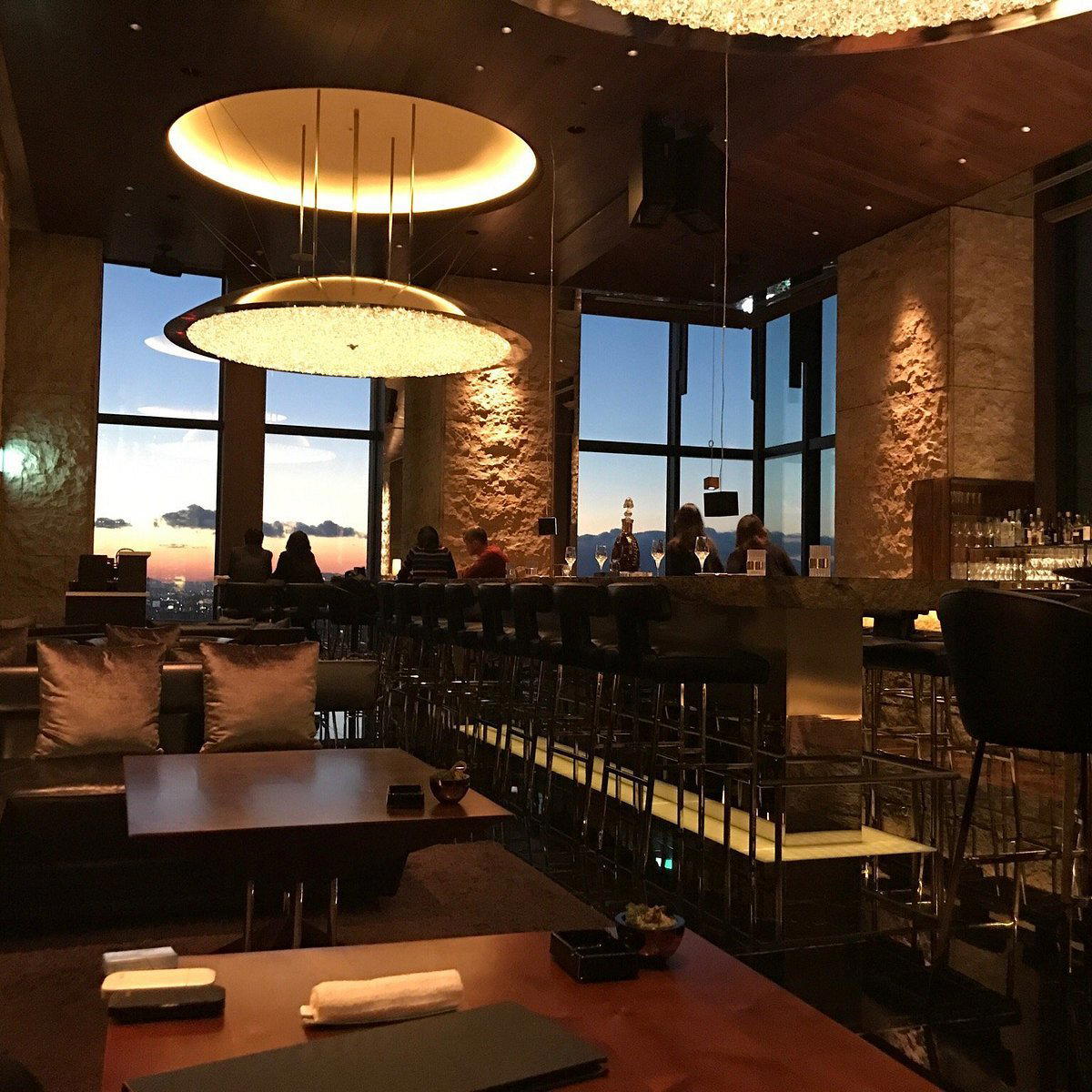
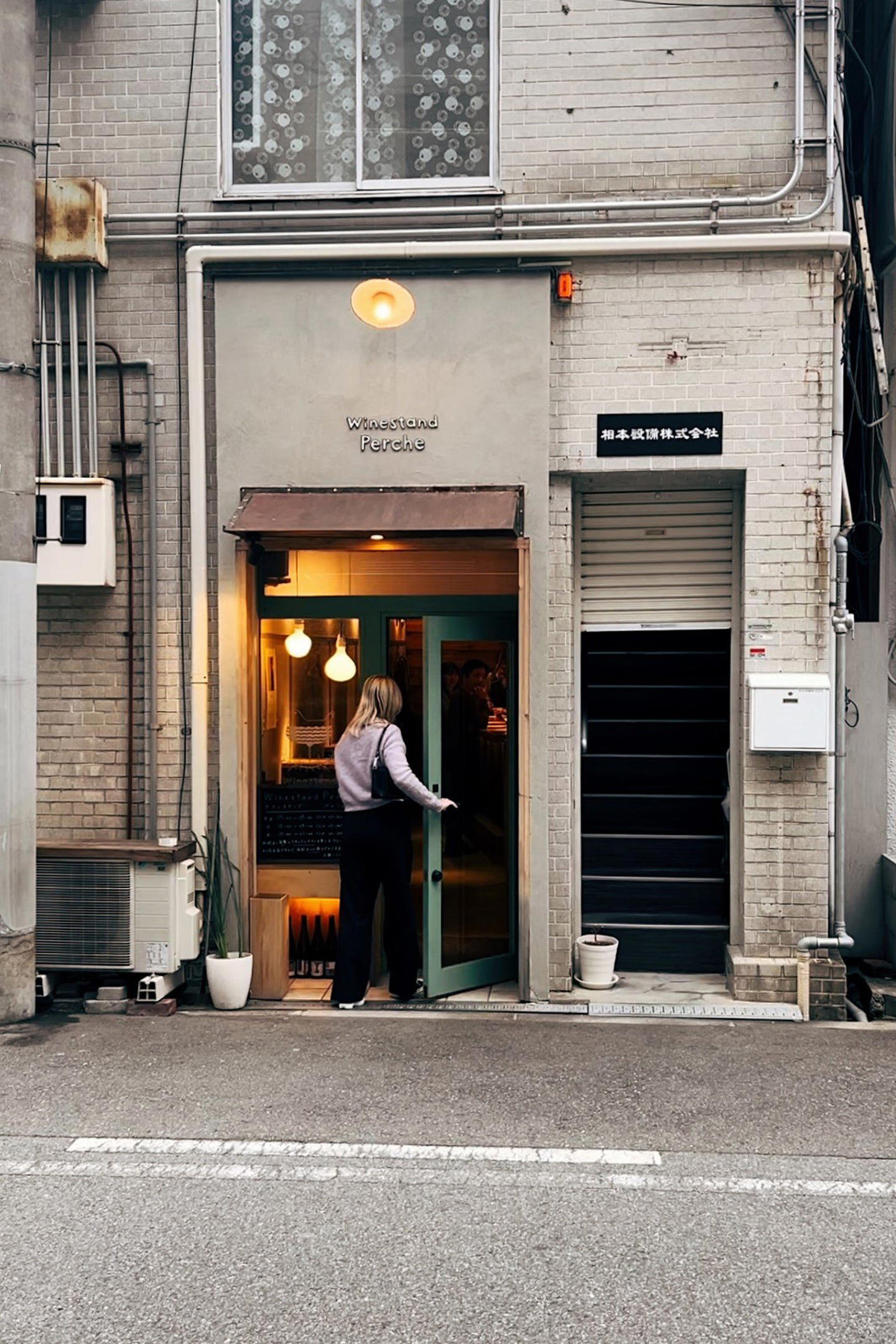

Hotels in Osaka
All hotels in Osaka →


Wineries in Osaka
Browse all →
Details
- Trendy
- Cozy
- Minimalist
- Solo
- Family
- Casual Hangout
- Sake Program
- A La Carte
- Counter Dining
Current opening hours
- Monday
- 11:30 AM–2:30 PM, 6–11:30 PM
- Tuesday
- 11:30 AM–2:30 PM, 6–11:30 PM
- Wednesday
- 11:30 AM–2:30 PM, 6–11:30 PM
- Thursday
- 11:30 AM–2:30 PM, 6–11:30 PM
- Friday
- 11:30 AM–2:30 PM, 6–11:30 PM
- Saturday
- 11:30 AM–2:30 PM, 6–11:30 PM
- Sunday
- 11:30 AM–8:30 PM
Hours can change for holidays and private events. Hours as of .
Stylish counter seating space with air-conditioned comfort.