Tabelog 100 #67
Our verdict
Osaka’s tachinomi culture prizes speed, informality, and serious drinking without the ceremony of a full restaurant. RAMU-NO-LOVESONG brings that grammar to Doshin, pairing a stand-up bar format with lamb, herbal spice cues, shochu, wine, and cocktails, backed by selection for Tabelog 100 - Tachinomi - 2025.

Pearl is the En Primeur Club membership app, where members save venues, book tables and use the concierge.
The menu
What to order
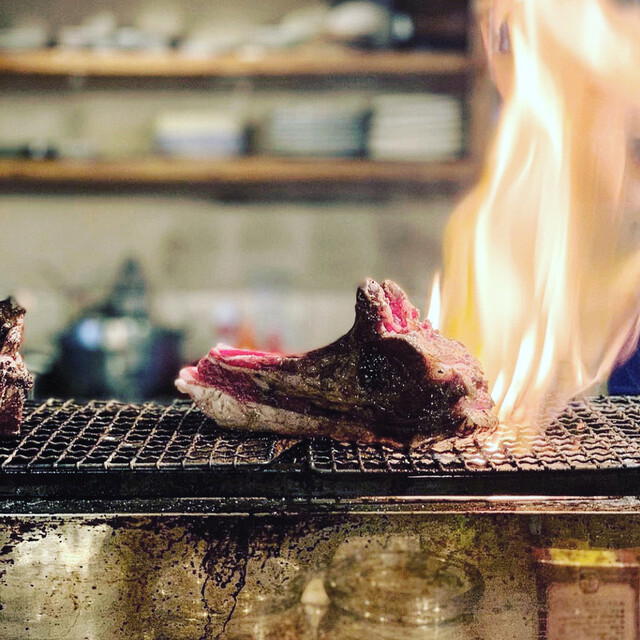
- Charcoal-grilled lamb
- Lamb skewers
- Medicinal spice lamb dishes
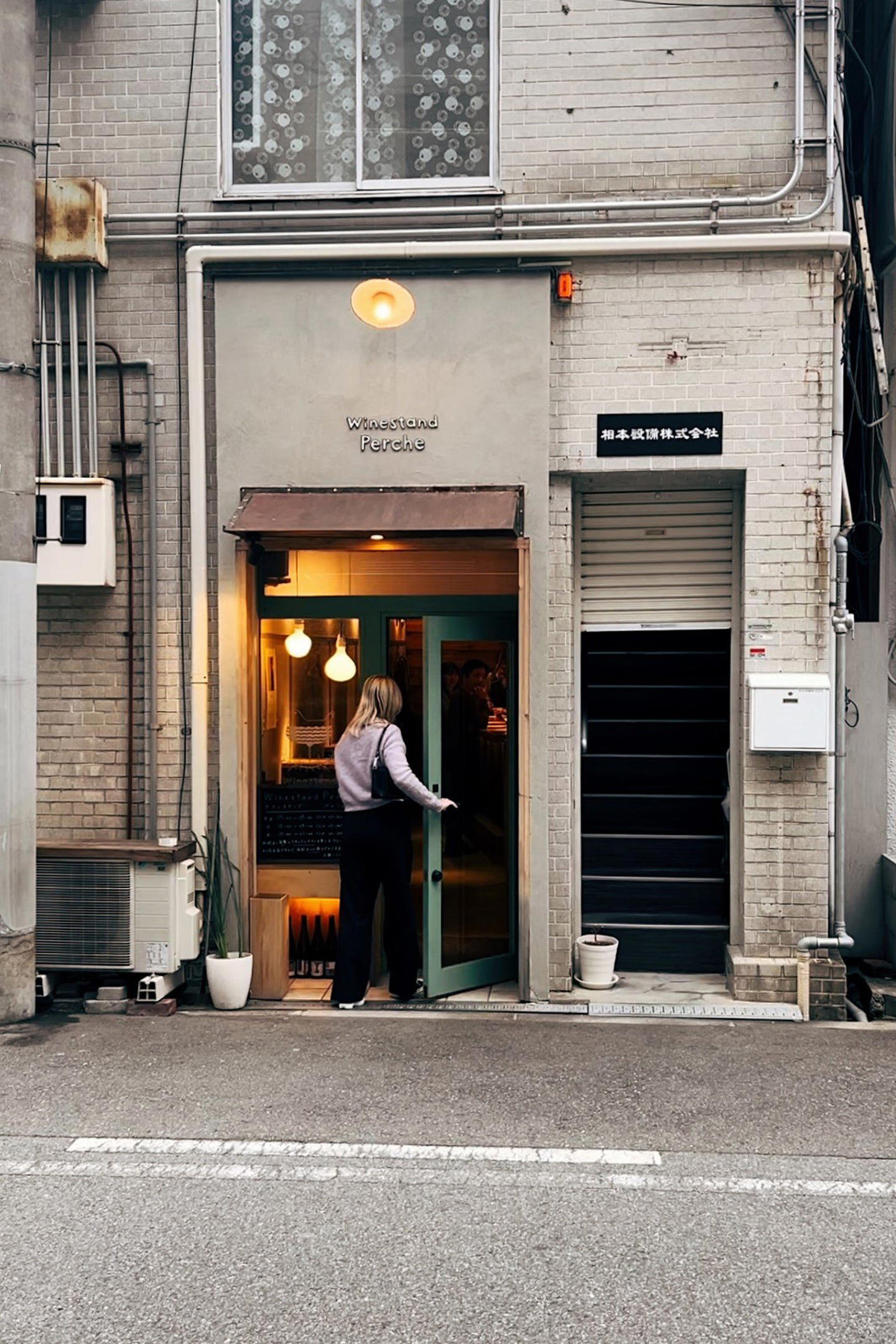
Approaching a tachinomi in Osaka is less about arrival theatre than tempo: a compact room, counter energy, early-evening drinkers, and the quick calibration of how much space a group should take. In Osaka, RAMU-NO-LOVESONG belongs to that city tradition of standing bars that treat informality as a format rather than a lack of ambition. The category matters. Tachinomi in Osaka is built for movement, short decisions, and repeat ordering, yet the better examples now compete on curation: what gets poured, what can be served quickly, and how a small room handles both solo drinkers and small groups.
The 2025 selection for Tabelog 100 - Tachinomi places the venue inside a narrow Japanese drinking category that is often misunderstood by visitors. This is not izakaya dining scaled down, and it is not a cocktail bar with food attached. Tachinomi works through compression: less ceremony, more immediacy, and a price band that keeps the evening flexible. In Osaka, that makes the format culturally useful. It sits between street-level snacking, after-work drinking, and the city’s habit of making strong opinions about value part of the meal.
Stand-up bar discipline in Osaka
The draw here is the way a stand-up bar frame creates its own discipline. Osaka drinking rooms often lean on quick decisions, direct flavours, and a close relationship between food and drink; RAMU-NO-LOVESONG fits that grammar without needing the ceremony of a full restaurant evening. The appeal is less about a long scripted meal than about the clarity of the format: arrive, read the room, order with pace, and let the bar’s compact rhythm set the tone.
That position is useful in Osaka, where the dining map can shift quickly from formal counters to everyday local rooms and quick-service institutions. A visitor using Our full Osaka restaurants guide will see how the city splits between destination counters, everyday local rooms, and quick-service institutions. The stand-up bar lane occupies a different social register from places such as Doshincho Washoku Zui, Yakitori Shokudo, MAR, Sangourmand, or anu, each of which points to another version of dining in the city. Here, the editorial question is not whether the room replaces a full dinner. It is whether the room captures Osaka’s low-ceremony drinking culture with enough specificity to justify building an evening around it.
That specificity comes from format signals as much as food. In tachinomi, the counter-height rhythm is where the category’s character is clearest, and RAMU-NO-LOVESONG is best approached with that in mind. Small-group drinking can fit the mood, but the cultural read is sharper when the visit is treated as part of a loose Osaka evening rather than a fixed, formal reservation plan. Osaka rewards that style of eating: one focused stop, one strong point of view, then another room elsewhere in the city.
How Osaka's casual canon frames the experience
Osaka has a long habit of turning modest formats into civic identity. Takoyaki, okonomiyaki, kushikatsu, pork buns, bakeries, coffee counters, and standing bars all operate on the same underlying principle: the threshold is low, but the judgment is severe. A place can be casual and still be judged on detail, pace, and value. That is why a Tabelog tachinomi selection carries weight. It recognizes a category where excellence is not expressed through linen, tasting menus, or chef biography, but through repeat-use reliability and a clear reason to drink there rather than anywhere else.
For a broader Osaka eating day, the contrast is instructive. The city can move from coffee to bread, street snacks, casual cooking, and more formal dining without treating any one format as culturally minor. The same logic applies to tachinomi. A standing bar with a defined point of view can say as much about Osaka’s appetite as a longer, higher-priced meal.
The comparison also helps avoid the common visitor mistake of over-scheduling Osaka as if it were Kyoto with heavier seasoning. Osaka’s strength is not just restaurants; it is the density of edible decisions. The better plan is to mix formats across the day and keep the evening loose. Broader Osaka bar and experience planning is most useful when read alongside restaurant planning, because the city’s drinking culture often carries the night as much as the meal does. For lodging base decisions, Osaka hotel planning gives the practical counterpoint; wine-focused travellers can also scan the wider region, though Osaka’s strongest alcohol identity remains bar- and restaurant-led.
Where this fits in a Japan dining itinerary
RAMU-NO-LOVESONG is strongest as a cultural calibration stop: a way to understand how Osaka’s casual dining formats have become more curated without losing their frictionless mood. It should not be read through the same lens as a tasting-menu restaurant or a hotel dining room. The value lies in seeing how a focused bar idea can live inside a standing-bar grammar and still feel native to the city.
That makes it a useful counterweight to more formal or category-specific addresses across Japan and abroad. A traveller comparing regional casual formats might move between unnamed rooms in other Japanese cities and see how each place handles specificity at an approachable scale. Outside Japan, similar drinking and snack formats can translate abroad, but Osaka’s version remains less explanatory and more instinctive.
The editorial verdict is simple: this is a focused Osaka tachinomi for drinkers who understand that casual does not mean generic. The Tabelog 100 - Tachinomi 2025 recognition supplies the trust signal; the format supplies the cultural point. Use it to read the city at counter height.
Frequently asked questions
What part of town is RAMU-NO-LOVESONG in?
Osaka.
Is RAMU-NO-LOVESONG more mid-range or high-end?
Pricing at RAMU-NO-LOVESONG is listed as JPY 3,000 - JPY 3,999 for dinner and JPY 3,000 - JPY 3,999 for lunch.
Do I need a reservation for RAMU-NO-LOVESONG?
Because RAMU-NO-LOVESONG is recognized in the Tabelog 100 Tachinomi 2025 selection, advance planning is sensible if you are building an Osaka evening around it.
What's RAMU-NO-LOVESONG best at?
It is strongest as a tachinomi, or stand-up bar, in Osaka. The 2025 Tabelog 100 Tachinomi selection is the clearest trust signal for its format and standing.
Is RAMU-NO-LOVESONG allergy-friendly?
Does RAMU-NO-LOVESONG work for a family meal?
Its listed budget of JPY 3,000–JPY 3,999 keeps it in a casual Osaka price band, but suitability for children should be confirmed directly.
Cuisine Lens
Comparable options at the same price tier.
| Venue | Cuisine | Price | Awards | Notes |
|---|---|---|---|---|
| RAMU-NO-LOVESONGThis venue (the venue you are viewing) | Lamb-focused Modern Japanese Stand Bar | $20–30 | Tabelog 100 #67 | Not listed |
| New Babe | Tonkatsu | $20–30 | Tabelog 100 #25 | Chūō |
| Tanaka no Chuka Soba | Japanese Ramen | Not listed | Tabelog 100 #43 | Nishi |
| カドヤ食堂 本店 | Japanese Ramen | $10–20 | Tabelog 100 #24 | Nishi-Ku / Nishi-Nagahori |
| Yakiniku Dote | Japanese Yakiniku | Not listed | Tabelog 100 #63 | Kita |
| Sakana Tetsu | Seasonal Oden & Sake Izakaya | $50–100 | Tabelog 100 #35 | Chūō |
Recognition history
Dated appearances from independent guides and award organizations, with the underlying list record or original source where available.
Tabelog 100 #67 · No. 67
Tabelog · Tabelog 100 - Tachinomi - 2025