
Menya Takahashi is a compact Sapporo ramen and tsukemen shop in Toyohira Ward, working in a price band that keeps the spend below JPY 999. Its Tabelog 100 Ramen HOKKAIDO 2025 selection, 10-seat room, counter-led setup, and long run since 2008 place it in the city’s serious noodle conversation without pushing into luxury pricing.
Pearl is the En Primeur Club membership app — saves, bookings, and concierge access live there. Same editors, same standards.
- Address
- Japan, 〒062-0051 Hokkaido, Sapporo, Toyohira Ward, Tsukisamu Higashi 1 Jo, 19 Chome−2−72 伸光ビル 1F
- Phone
- +81 11-303-7688
- Website
- ameblo.jp
 Saves & bookings on Pearl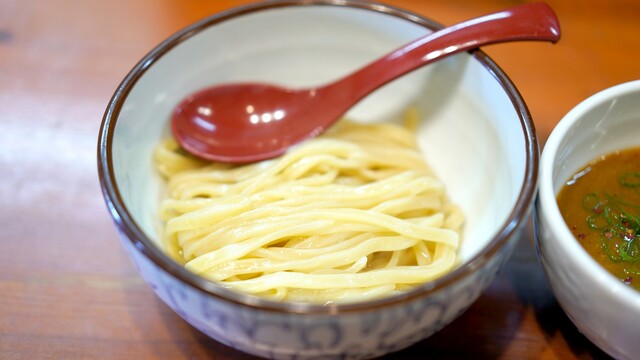
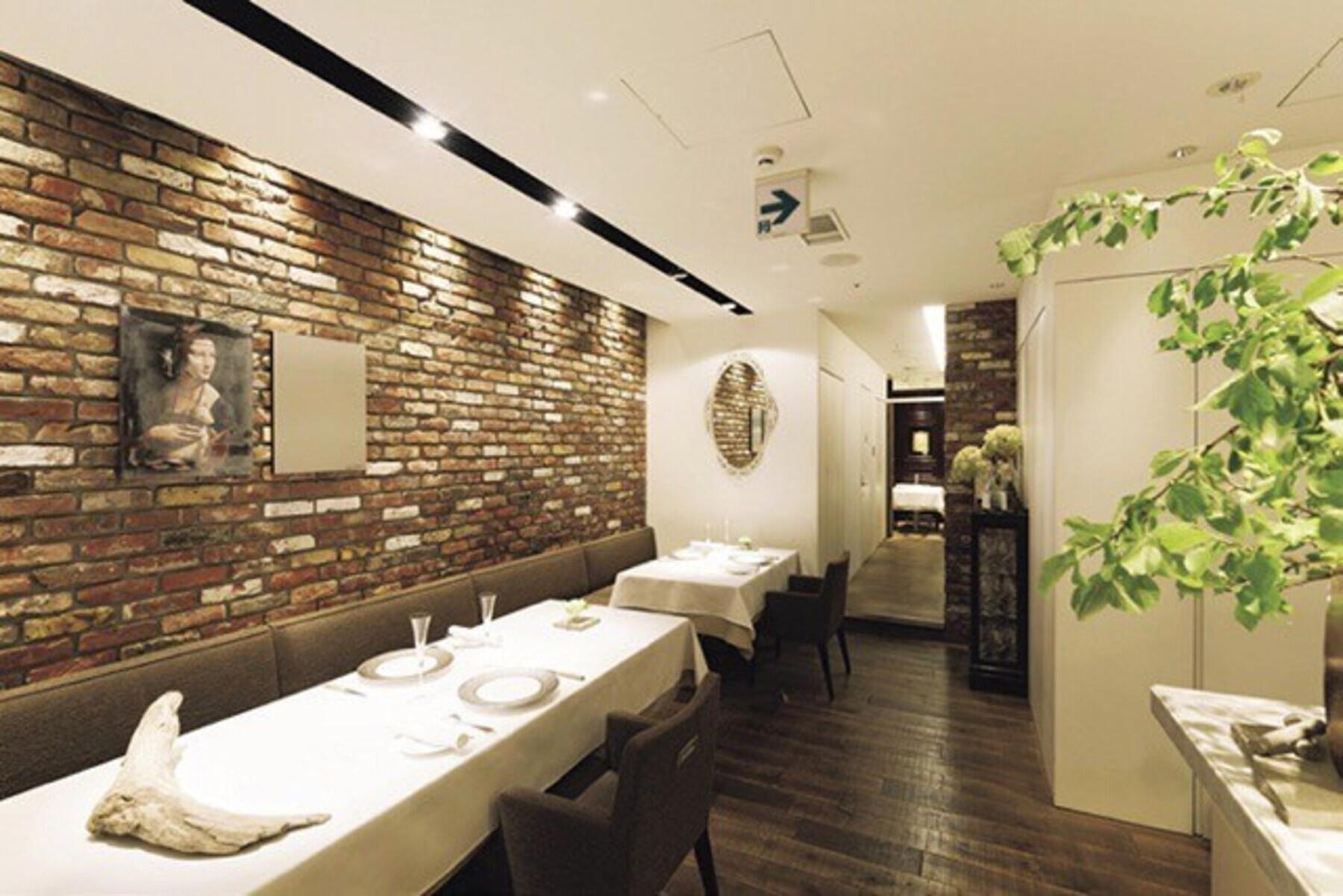
Approaching a small ramen shop in suburban Sapporo feels different from arriving at a restaurant-district counter: fewer theatrics, more purpose, and a room calibrated for turnover, not lingering. Menya Takahashi fits that model. The format is tight, with 10 seats split between counter and tables, and the food sits in the tsukemen and ramen lane rather than the broader izakaya-style noodle category. In a city known internationally for miso ramen, that matters. Sapporo’s ramen culture is not one bowl but a field of specializations, from butter-corn tourist versions to shops making dipping noodles the main event.
The value proposition is the first serious signal. A sub-JPY 999 average price puts this address in the same accessible bracket as TORA, while many casual Sapporo curry and soup-curry addresses in the comparison field sit around JPY 1,000 to JPY 1,999. In Japan’s ramen economy, low pricing with critical recognition usually points to a narrow operating model: short menu logic, fast seating, limited space, and a kitchen built around repetition. Menya Takahashi supports that reading, selected for Tabelog 100 - Ramen - HOKKAIDO - 2025, with a Tabelog score of 3.73.
Tsukemen gives Sapporo's ramen scene a different center of gravity
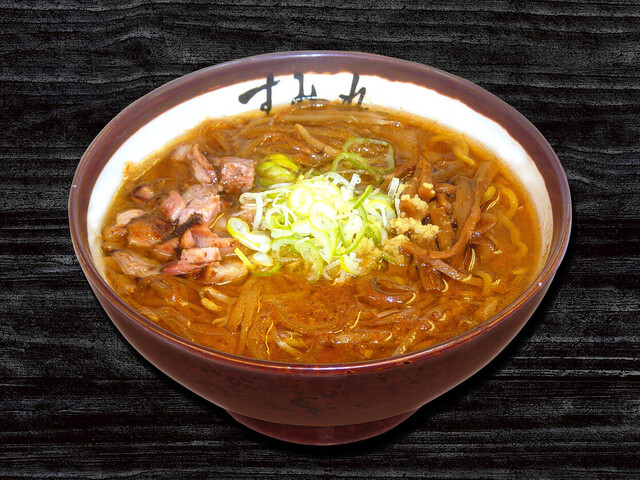
Sapporo is often reduced to miso ramen shorthand, but the city’s stronger noodle shops are not all chasing the same bowl. Tsukemen changes the meal’s rhythm: noodles and soup are separated, the diner controls contact, and texture becomes more pronounced than in a fully assembled ramen bowl. The format rewards consistency across noodles, broth concentration, and pacing. Menya Takahashi is listed for tsukemen and ramen, placing it where noodle structure matters as much as broth identity.
For travelers using Sapporo as a winter food city, this is a useful corrective to the usual central-district ramen crawl. The address is in Toyohira Ward, not the obvious nightlife corridor, and the nearest station is Fukuzumi. That removes it from the easy sequence of beer hall, hotel bar, and late bowl, but places the meal closer to how many serious ramen shops function in Japan: destination by intent, not accident. The 10-seat counter-and-table room makes timing part of the experience, especially at lunch hours and on weekends.
Recognition from Tabelog’s ramen list gives the shop a useful external marker. Tabelog 100 selections are not luxury awards; they tend to map local enthusiasm, consistency, and category credibility. In a ramen city, that signal can matter more than a white-tablecloth accolade. A low-cost noodle counter can be evaluated as seriously as a tasting-menu room, by different standards: concentration, speed, repeatability, and whether the meal justifies crossing town.
The spend stays low, but the operating cues are serious
At this price level, practical details become part of the assessment. Cash-only payment, no private rooms, and a non-smoking room point to a direct ramen-shop format rather than a flexible restaurant experience. Parking is available, with 10 spaces listed, more meaningful in Toyohira Ward than in central Susukino. The shop operates daytime hours, closes Wednesday, and is noted as open until sold out, favoring a planned lunch over a spontaneous late dinner.
The shop opened in 2008, giving it a longer operating history than many short-cycle ramen openings. That matters in Sapporo, where weather, neighborhood routines, and repeat local traffic can be unforgiving. A compact shop can attract attention for a season; staying relevant for years requires a durable proposition. Here, the argument is simple: a recognized ramen and tsukemen counter, priced below many casual meals in the city, with enough logistical clarity to reward diners who plan rather than wander.
The restaurant is also a useful contrast against Sapporo’s broader casual food map. Curry specialists such as [Curry Senmon Ten] Maruyama Kyoju., Ajanta Indo Curry Ten, and Ajanta Sohonke show how the city’s casual dining strength extends beyond noodles, while 175°DENO Tantanmen Sapporo kitaguchi ten points to another strand of the noodle conversation. For a wider read on the city, use Our full Sapporo restaurants guide, then place the meal alongside Our full Sapporo hotels guide, Our full Sapporo bars guide, Our full Sapporo wineries guide, and Our full Sapporo experiences guide.
Who should make the trip
This is not the Sapporo choice for travelers seeking a long dinner, drinks list, or chef-led counter narrative. It is a focused noodle stop for diners who care about category credibility and price discipline. Solo diners are a natural fit, families with school-age children are explicitly accommodated, and small groups have limited table seating. The small capacity will not absorb large-party indecision.
The editorial case is strongest for travelers who understand that value in Japan is often found in disciplined specialists rather than lower-priced versions of luxury dining. A bowl or dipping-noodle meal under JPY 999, backed by Tabelog 100 Ramen HOKKAIDO 2025 recognition, is sharper than many casual meals with broader menus and weaker category identity. For readers mapping Japan beyond Hokkaido, compare this specificity with different regional formats such as -Grilled beef Sukiyaki- KAMAKURA TANUKIAN 鎌倉 たぬき庵 in Kamakura. 鮪と炭火焼き うお炭 秋葉原店 in Tokyo.cafe in Osaka.know in Kumamoto, (Shoku) Vietnam in Kawasaki, and [ki:] in Kyoto. The same lens works outside Japan too: Jōdo Saké Bar in Los Angeles and Onigiri Time in Pasadena show how tightly defined formats travel when the concept is clear.
Within Sapporo, the decision is less about luxury than allocation of appetite. The restaurant is a targeted stop: go for ramen and tsukemen credibility, go with cash, and expect a compact room built around the meal rather than ceremony.
Awards and Standing
Comparable venues at the same tier for side-by-side context.
| Venue | Cuisine | Price | Notes |
|---|---|---|---|
| Menya TakahashiThis venue — the venue you are viewing | Tsukemen & ramen shop | $ | Not listed |
| Ramen Yamasawa | Ramen & Tsukemen Shop | $ | Shiroishi |
| European Curry Domon | Japanese European-style curry house | $ | Toyohira |
| Hot Spice Shop Hood Dog | Soup curry and hot dog diner | $ | Chūō |
| Go Maru Do | Japanese Soup Curry | $ | Chūō |
| Ramen Jiro Sapporo ten | Jiro-Style Ramen | $ | Kita |
Recognition history
Dated appearances from independent guides and award organizations, with the underlying list record or original source where available.
Tabelog 100 #35 · No. 35
Tabelog · Tabelog 100 - Ramen - HOKKAIDO - 2025
At a Glance
- Cozy
- Lively
- Solo
- Casual Hangout
- After Work
- Chefs Counter
- Standalone
Current opening hours
- Monday
- 10:30 AM–4:30 PM
- Tuesday
- 10:30 AM–4:30 PM
- Wednesday
- Closed
- Thursday
- 10:30 AM–4:30 PM
- Friday
- 10:30 AM–4:30 PM
- Saturday
- 10:30 AM–4:30 PM
- Sunday
- 10:30 AM–4:30 PM
Hours can change for holidays and private events. Last verified .