
A 10-seat counter in Maruyama Koen puts China Soba Chiu in Sapporo’s quieter ramen register: compact, repeatable, and built for regulars rather than spectacle. Its Tabelog Ramen HOKKAIDO 100 selections in 2024 and 2025 place it inside the city’s serious noodle conversation, where a short lunch format can carry as much local weight as longer-form dining.
Pearl is the En Primeur Club membership app — saves, bookings, and concierge access live there. Same editors, same standards.
- Address
- Japan, 〒064-0821 Hokkaido, Sapporo, Chuo Ward, Kita 1 Jonishi, 27 Chome−2−13 リバーサウス円山 1F
- Phone
- +81 11-624-6669
- Website
- tabelog.com
 Saves & bookings on Pearl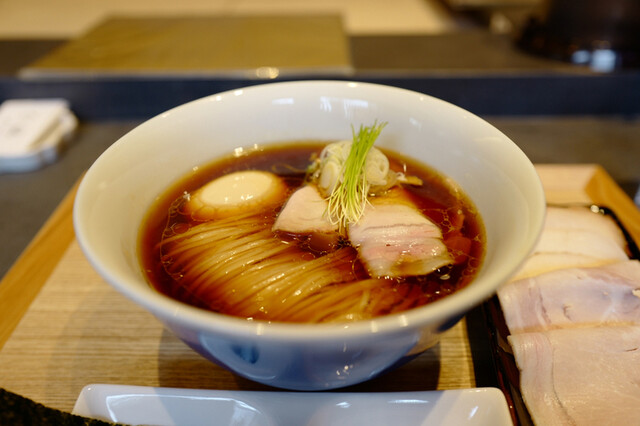
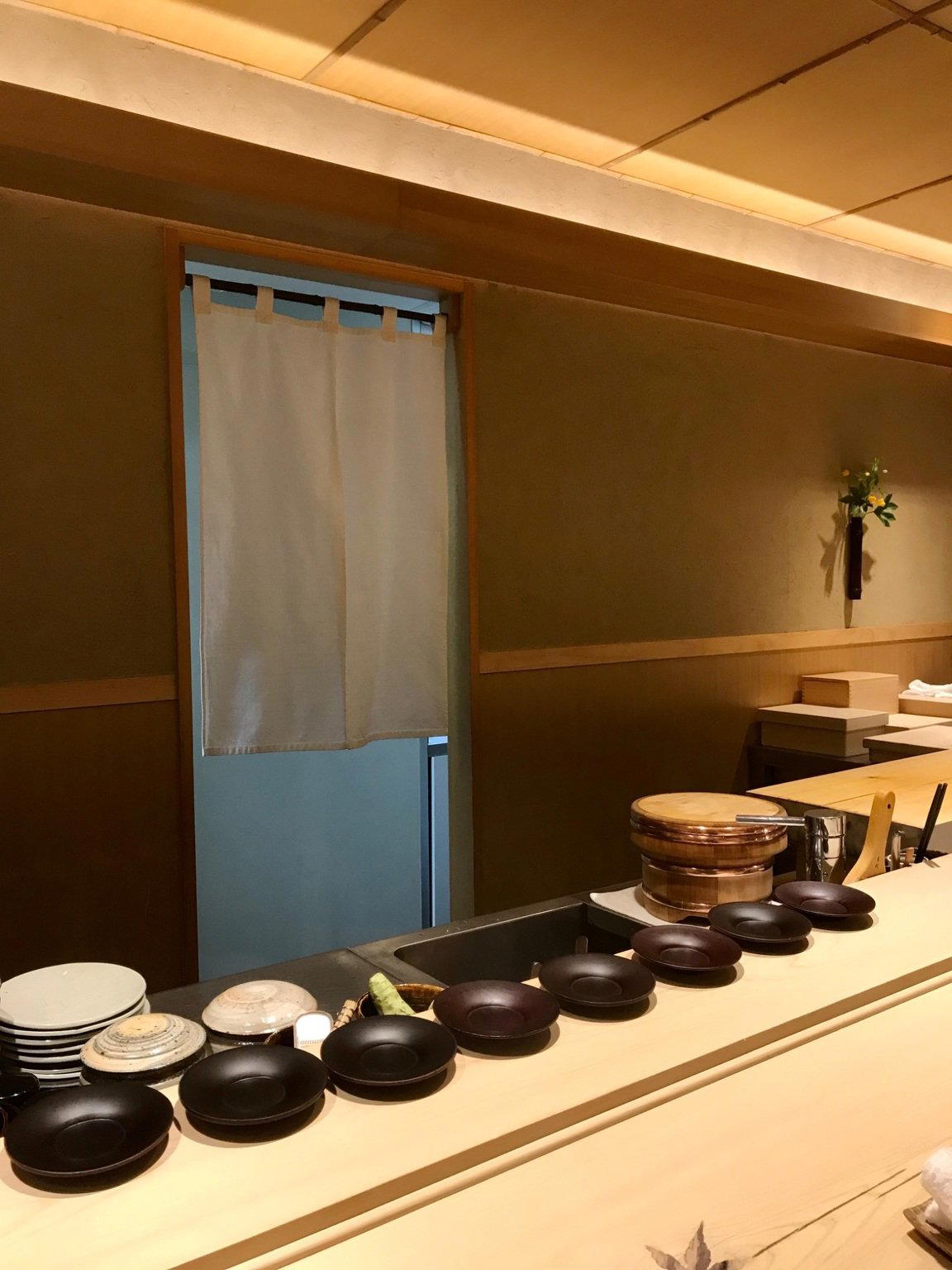
Maruyama Koen changes the tempo of Sapporo dining before a bowl appears. Calmer than Susukino, the station area has residential blocks, small storefronts, and a lunch rhythm that rewards regulars who know when a counter turns over. Here, China Soba Chiu belongs to Sapporo’s compact ramen school: 10 counter seats, no private-room theatre, and a format that makes the bowl, not the room, carry the argument.
Abroad, Sapporo is often reduced to miso ramen, butter, corn, and snow-country appetite. That exists, but the city’s noodle culture is broader: clearer broths, Chinese soba references, and chef-led counters have made the ramen map less predictable, especially beyond the drinking districts. China Soba Chiu sits in that conversation. Its repeat selection for Tabelog Ramen HOKKAIDO 100 in 2024 and 2025 signals not a novelty stop, but a shop that has held attention where ramen loyalty is hard-earned.
A Maruyama counter built for repeat bowls, not ceremony
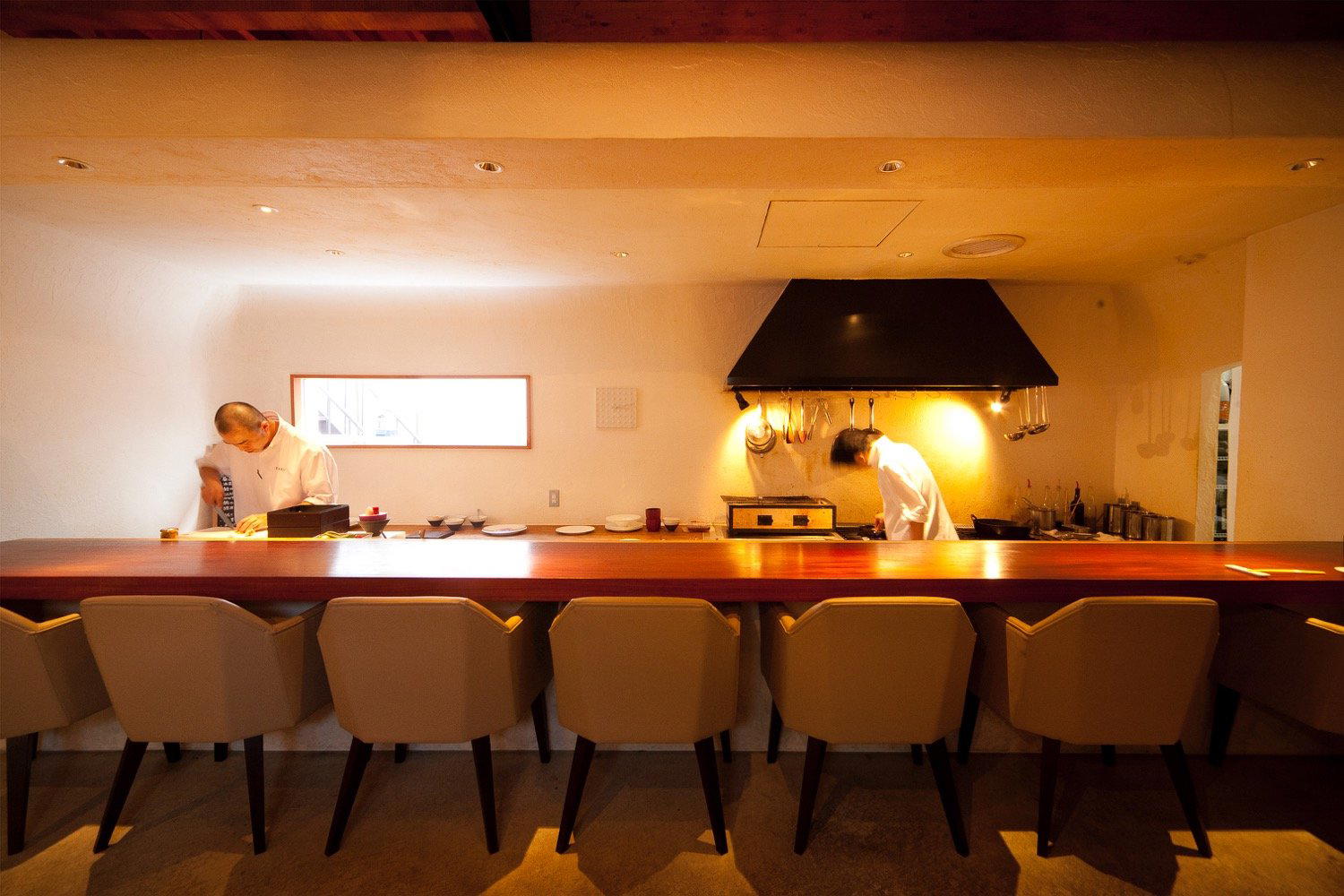
The regulars’ perspective matters because ramen is built on repetition. A tasting-menu restaurant can impress once; a ramen counter must survive comparison with last week’s lunch, the shop near the office, the post-subway bowl, and the place locals defend by habit. At China Soba Chiu, the small counter creates direct scrutiny: diners face the kitchen, turnover is visible, and there is little room for distraction. That is not a limitation; it is the point.
Maruyama Koen also shapes the meal. The area does not rely on visitor volume like central Sapporo corridors, so a ramen shop here must work for neighborhood diners, solo eaters, and families treating a bowl as part of an ordinary day, not a trophy booking. Public notes identify the shop as solo-dining friendly and children welcome, showing its role in the city: serious enough for ramen hunters, accessible enough for repeat local use.
The counter-only room places the restaurant closer to specialist ramen culture than casual multi-purpose dining. A 10-seat shop must make choices: the menu cannot sprawl, service cannot drift, and guests know lingering is not the format. In Sapporo, where higher-ticket dining ranges from sushi at Sushizen to kaiseki at Hanakoji Sawada and French-leaning rooms such as La Sante and オーベルジュ・ド・リル・サッポロ, this ramen counter offers another measure of seriousness: ambition compressed into a short meal, low ceremony, and repeatable execution.
Why the Hokkaido ramen conversation is broader than miso
Hokkaido ramen is often explained through archetypes: Sapporo miso, Asahikawa shoyu, Hakodate shio. Useful, but it can make the current scene look fixed. Contemporary Sapporo ramen has absorbed Tokyo-style chuka soba, dried-fish broths, chicken-based clarity, and spice-led bowls. A diner can move from a lighter Chinese-soba register to the sesame heat of 175°DENO Tantanmen Sapporo kitaguchi ten without leaving the broader noodle conversation.
The restaurant’s value is in that reframing. The name points toward shina soba, ramen’s older Chinese-influenced lineage, and its Hokkaido ramen recognition places it among shops noticed beyond neighborhood convenience. The listed Tabelog score of 3.63 is not the whole story, but in Japan’s user-review culture it is a meaningful public marker, especially in ramen, where volume, preference, and local allegiance complicate consensus.
For travelers, this is why it matters. Sapporo’s dining appeal is not only expensive counters or winter seafood; everyday formats also carry local standards. A ramen lunch can reveal as much about the city’s appetite as a longer dinner, especially in a small, disciplined shop recognized within a Hokkaido-specific field rather than a broad national list. The comparison is not luxury versus simplicity, but different kinds of precision.
How to place it in a Sapporo eating day
A practical Sapporo itinerary benefits from contrast. Maruyama’s quieter dining pocket can sit alongside curry, bakeries, sushi, and central-city drinking without overplanning the day. Nearby curry culture has its own loyal following, from [Curry Senmon Ten] Maruyama Kyoju. to longer-running Indian curry specialists such as Ajanta Indo Curry Ten and Ajanta Sohonke. For a coastal change outside the city’s ramen frame, Aigues Vives gives the region another register entirely.
The decision point is simple: use the restaurant when the day calls for a focused meal rather than a long reservation-led plan. The counter scale suits solo dining, the Maruyama location rewards combining lunch with the neighborhood, and repeat Tabelog 100 recognition separates it from a random noodle stop. It is not competing with Sapporo’s formal rooms; it competes where ramen lives, in the judgment of people who return.
For broader planning, use EP Club’s city pages by category rather than a single dining list. Start with Our full Sapporo restaurants guide, then build the trip through Our full Sapporo hotels guide, Our full Sapporo bars guide, Our full Sapporo wineries guide, and Our full Sapporo experiences guide. Readers mapping Japan beyond Hokkaido can cross-reference formats, from -Grilled beef Sukiyaki- KAMAKURA TANUKIAN 鎌倉 たぬき庵 in Kamakura and. 鮪と炭火焼き うお炭 秋葉原店 in Tokyo to.cafe in Osaka.know in Kumamoto, (Shoku) Vietnam in Kawasaki, and [ki:] in Kyoto. For Japanese food culture abroad, Jōdo Saké Bar in Los Angeles and Onigiri Time in Pasadena show how categories shift outside their home context.
The editorial verdict is measured but clear. The restaurant is for diners who understand that Sapporo ramen is not one flavor profile, and that a modest counter can be a serious address when the city keeps returning. In a food city often read through seafood, beer halls, and winter comfort, this is a smaller, sharper entry into how local noodle culture works.
Standing Among Peers
Comparable venues in the metro at similar price points.
| Venue | Cuisine | Price | Notes |
|---|---|---|---|
| China Soba Chiu | Traditional Sapporo ramen counter | $ | Chūō |
| Sapporo Ramen Kifu Susukino ten | Japanese Ramen | $ | Chūō |
| Shoyuya Honten Sanpiaza ten | Traditional shoyu ramen | $ | Atsubetsu |
| Isono Kazuo | Late‑night Sapporo Black Ramen | $ | Chūō |
| Menya 169 | Modern Japanese Ramen | $ | Chūō |
| Sapporo Junren Kita 31 jou ten | Traditional Sapporo ramen | $ | Higashi |
Recognition history
Dated appearances from independent guides and award organizations, with the underlying list record or original source where available.
Tabelog 100 #33 · No. 33
Tabelog · Tabelog 100 - Ramen - HOKKAIDO - 2025
At a Glance
- Cozy
- Classic
- Intimate
- Solo
- Family
- Casual Hangout
- After Work
- Chefs Counter
- Standalone
Current opening hours
- Monday
- 11 AM–3 PM
- Tuesday
- 11 AM–3 PM
- Wednesday
- 11 AM–3 PM
- Thursday
- 11 AM–3 PM
- Friday
- 11 AM–3 PM
- Saturday
- 11 AM–3 PM
- Sunday
- 11 AM–3 PM
Hours can change for holidays and private events. Last verified .
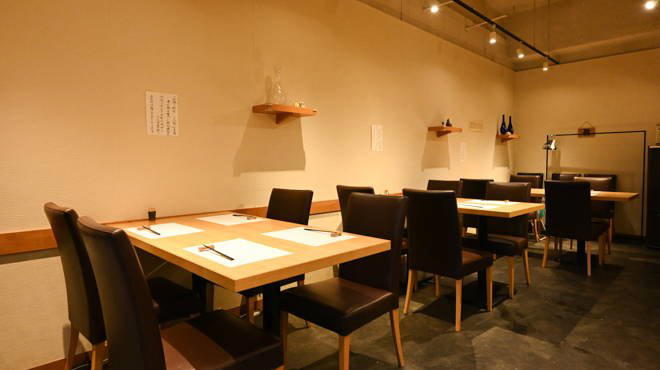
An intimate, counter-only space with a simple, classic ramen-shop design and a calm, dignified atmosphere that feels both local and welcoming, suited to solo diners and families alike.