
Menya Keserasera belongs to Sapporo’s serious ramen circuit: a small Kita Ward shop with repeat Tabelog 100 Ramen recognition and a format built around ramen and tsukemen rather than broad izakaya range. Its reputation sits in the city’s low-priced, high-competition noodle tier, where critical selection and repeat local use matter more than ceremony.
Pearl is the En Primeur Club membership app — saves, bookings, and concierge access live there. Same editors, same standards.
- Address
- Japan, 〒002-8007 Hokkaido, Sapporo, Kita Ward, Taihei 7 Jo, 5 Chome−2−5 マウンテンビル 1階
- Phone
- +81 11-771-5246
- Website
- m.facebook.com
 Saves & bookings on Pearl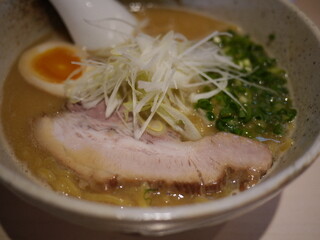
North of central Sapporo, the ramen map thins into residential blocks, rail stops, parking spaces and small rooms that live or fail by repeat custom. This is where a counter can matter more than a dining room and a bowl has to justify itself against dozens of nearby alternatives. Menya Keserasera fits that Sapporo pattern: compact, informal, and judged in the same breath as other specialist ramen shops rather than as a destination restaurant with theatre around it.
Sapporo’s noodle culture is often flattened into miso ramen shorthand, but the city’s stronger shops are less uniform than that suggests. The serious tier runs across ramen and tsukemen, old neighbourhood addresses, station-adjacent counters, and newer shops that compete through broth style, noodle texture and local loyalty. The useful distinction for travellers is not luxury versus casual. It is whether a shop has evidence of sustained attention in a crowded category. Here, repeat Tabelog 100 Ramen selection supplies that signal.
A small-room ramen address judged by repeat recognition
Tabelog’s Hyakumeiten lists are not luxury awards; they are more revealing for everyday Japanese dining because they sort highly contested genres by local credibility. Menya Keserasera was selected for Tabelog 100 Ramen HOKKAIDO in 2025 and 2024, and appeared in the earlier Ramen EAST selections in 2021, 2020, 2018 and 2017. That pattern matters. A single inclusion can follow a wave of attention; repeated selection across cycles points to a shop that has remained visible in a category where novelty fades quickly.
The listed score, 3.68, also needs Japanese context. On Tabelog, ramen shops with scores in the high threes are already operating in a competitive public-review environment; the platform’s scoring culture is conservative compared with international review sites. In Sapporo, that places the shop inside a serious local conversation rather than in the tourist-only lane.
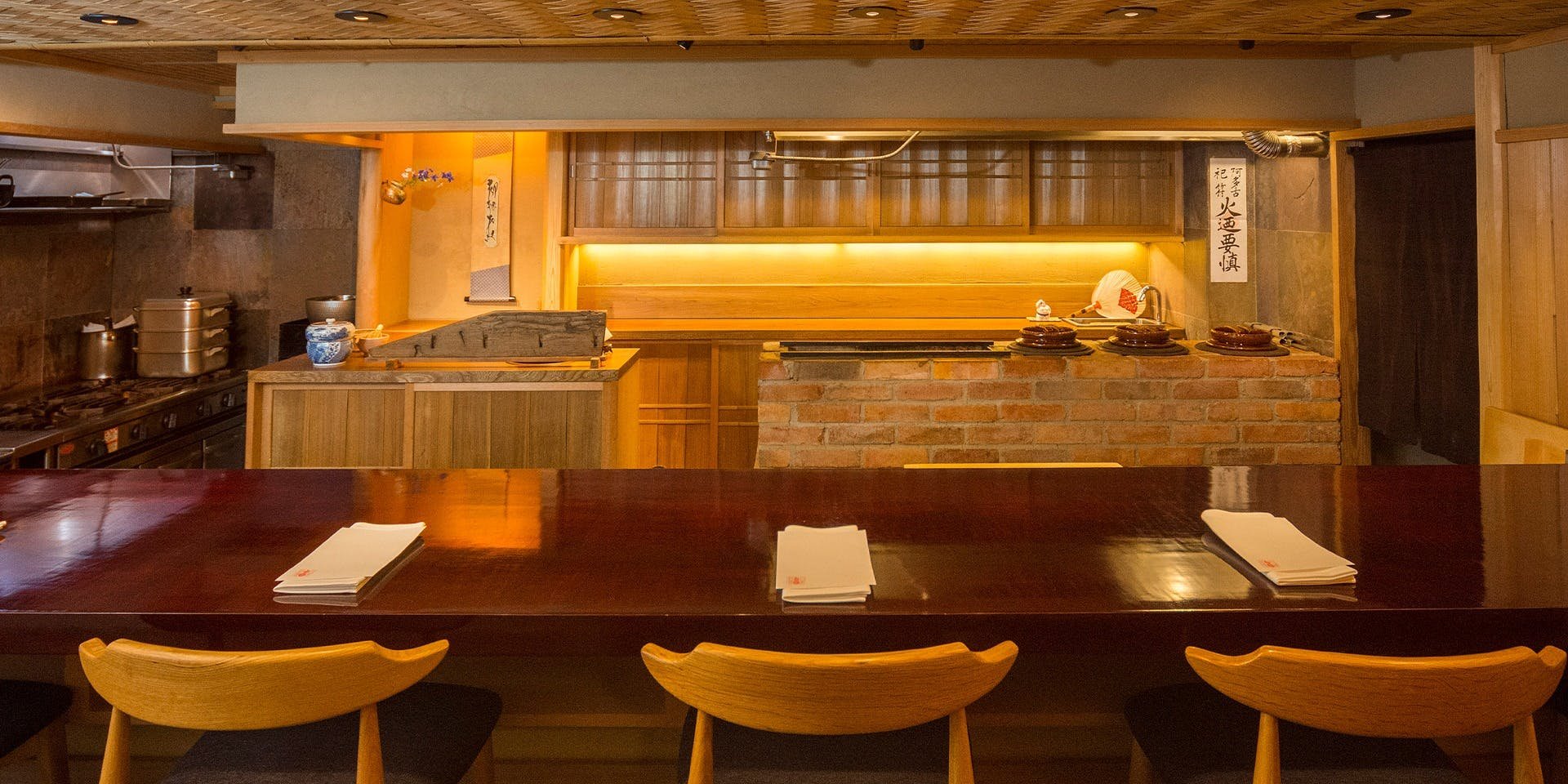
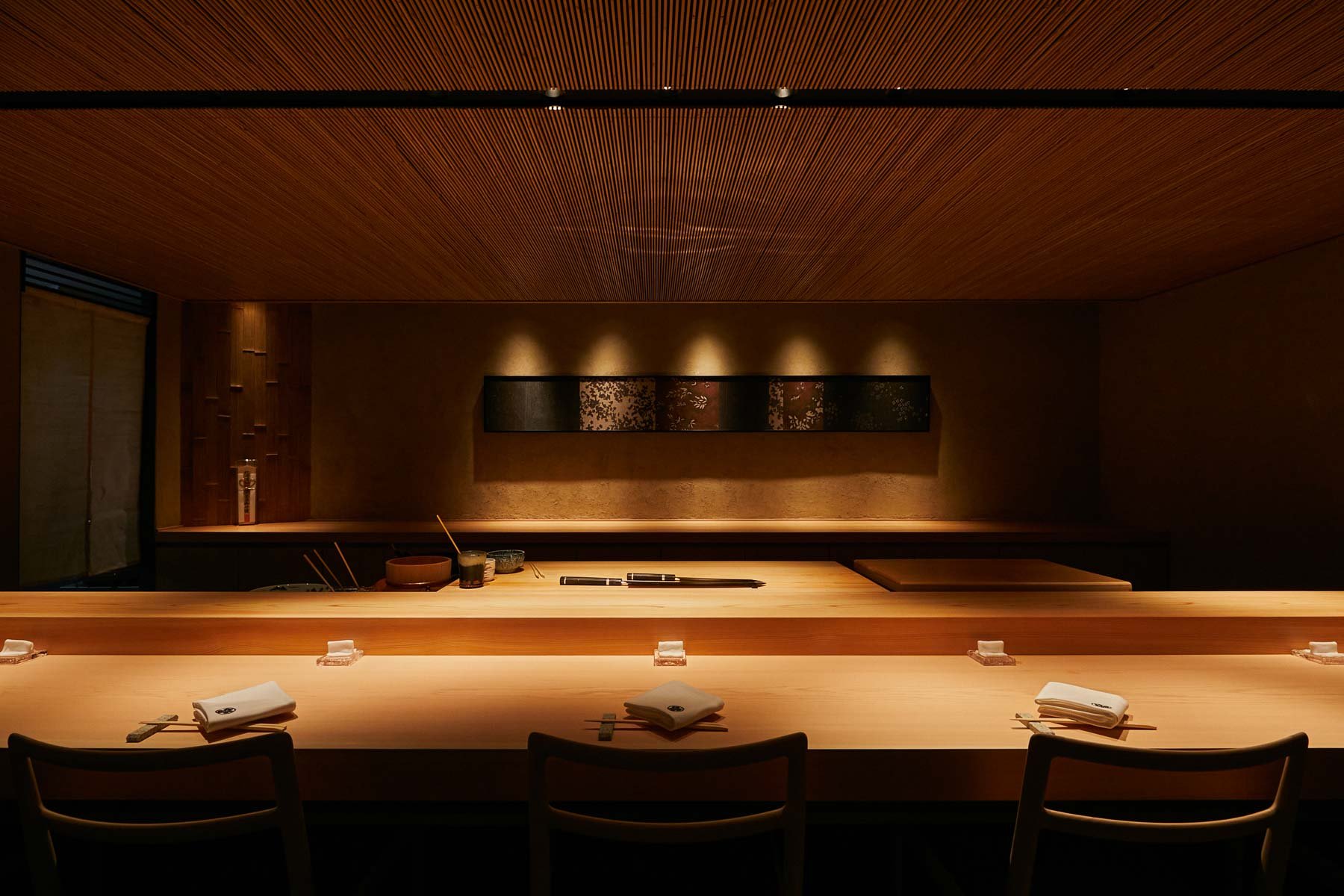
The format is equally telling. The public category is ramen and tsukemen, not a sprawling menu built to catch every diner. Six counter seats, a raised table for six and a table for four make this a small operation with enough range for solo diners, friends and families, including children. That mix says something about Sapporo ramen at its strongest: technically focused food served in ordinary neighbourhood conditions, without asking the guest to treat lunch as an event.
How it sits inside Sapporo's noodle-and-curry circuit
For visitors, Sapporo’s casual dining intelligence comes from comparing categories rather than chasing a single famous bowl. Menya Keserasera sits with ramen peers such as Kokumin Shokudo, Menya Kamejin, Hokuzan Ryu and Yondaime Mendokoro Yuji, all part of the low-to-moderate priced noodle conversation in the city. The contrast is useful: a kaiseki address such as Suyama belongs to a different register entirely, while Sapporo’s curry culture runs on its own logic through places like [Curry Senmon Ten] Maruyama Kyoju., Ajanta Indo Curry Ten and Ajanta Sohonke.
That broader circuit is why the shop reads less as a trophy stop and more as a calibration point. Sapporo rewards diners who move between categories: ramen for speed and depth, soup curry and Indian-influenced curry for local comfort, bakeries and cafés for cold-weather pacing, and higher-form Japanese cooking when the trip calls for a longer meal. In that mix, a recognized ramen address near Yurigahara gives the city’s northern side culinary weight, not just a detour from the center.
The comparison also keeps expectations honest. This is not the polished-counter omakase model that dominates parts of Tokyo, nor the design-led casual dining that has spread through Osaka and Kyoto. Sapporo ramen culture is more direct. Recognition comes from consistency in a narrow format, not from a chef biography or a branded tasting sequence.
Planning the meal as part of a sharper Sapporo itinerary
The practical read is simple: this is a small ramen shop in Kita Ward, useful for travellers who are already spending time north of the central hotel belt or who are prepared to build a ramen-focused excursion around the area. Its appeal is strongest for diners who care about Japanese review culture, genre-specific awards and the difference between a convenient bowl and a shop that has held attention over several award cycles.
Because the city’s food scene is wider than ramen, the restaurant works better as one node in a considered Sapporo plan. For nearby and category-adjacent research, 175°DENO Tantanmen Sapporo kitaguchi ten offers another noodle reference point, while Aigues Vives broadens the casual-food map beyond soup and noodles. The city guides are the cleaner planning layer: Our full Sapporo restaurants guide, Our full Sapporo hotels guide, Our full Sapporo bars guide, Our full Sapporo wineries guide and Our full Sapporo experiences guide show how the ramen stop fits with the rest of the trip.
For a national comparison, Japan’s casual dining spectrum runs far beyond Hokkaido. The same planning logic can extend from -Grilled beef Sukiyaki- KAMAKURA TANUKIAN 鎌倉 たぬき庵 in Kamakura and. 鮪と炭火焼き うお炭 秋葉原店 in Tokyo to.cafe in Osaka.know in Kumamoto, (Shoku) Vietnam in Kawasaki and [ki:] in Kyoto. Outside Japan, Japanese formats have their own export logic at Jōdo Saké Bar in Los Angeles and Onigiri Time in Pasadena, but Sapporo’s ramen shops remain grounded in a denser local habit: a small room, quick turnover, narrow specialization and a reputation tested one bowl at a time.
Pricing, Compared
Comparable venues to place this listing in its category.
| Venue | Cuisine | Price | Notes |
|---|---|---|---|
| Menya KeseraseraThis venue — the venue you are viewing | Kita, Japanese Ramen | $ | Not listed |
| China Soba Chiu | Chūō, Traditional Sapporo ramen counter | $ | Not listed |
| Sapporo Bon no Kaze | Chūō, Classic Sapporo Ramen Shop | $ | Not listed |
| Yondai Kashin | Not listed | $ | Chūō, Japanese Confectionery (Wagashi) |
| 東雲 | Chūō, japanese | $ | Not listed |
| Menya Suzuran | Not listed | $ | Chūō, Sapporo ramen & soup curry-style ramen |
Recognition history
Dated appearances from independent guides and award organizations, with the underlying list record or original source where available.
Tabelog 100 #51 · No. 51
Tabelog · Tabelog 100 - Ramen - HOKKAIDO - 2025

At a Glance
- Cozy
- Classic
- Solo
- Casual Hangout
- Standalone
Current opening hours
- Monday
- 11:30 AM–3 PM, 5–8 PM
- Tuesday
- 11:30 AM–3 PM, 5–8 PM
- Wednesday
- 6:30–10 AM, 11:30 AM–3 PM
- Thursday
- Closed
- Friday
- 11:30 AM–3 PM, 5–8 PM
- Saturday
- 11:30 AM–3 PM, 5–8 PM
- Sunday
- 11:30 AM–3 PM, 5–8 PM
Hours can change for holidays and private events. Last verified .
Small, simple, and focused on ramen service rather than a polished dining-room experience.