
Sapporo’s ramen culture is often read through central Susukino queues and late-night bowls, but Kokumin Shokudo points north to Taihei, where an eight-seat counter and Tabelog 100 Ramen HOKKAIDO 2025 selection put a suburban lunch shop inside the city’s serious noodle conversation. The appeal is not spectacle; it is small-format ramen with local credibility and a tight counter rhythm.
Pearl is the En Primeur Club membership app — saves, bookings, and concierge access live there. Same editors, same standards.
- Address
- Japan, 〒002-8004 Hokkaido, Sapporo, Kita Ward, Taihei 4 Jo, 3 Chome−3−3 スリバービル 1F
- Website
- x.com
 Saves & bookings on Pearl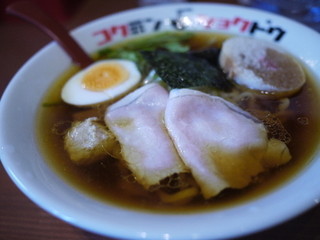
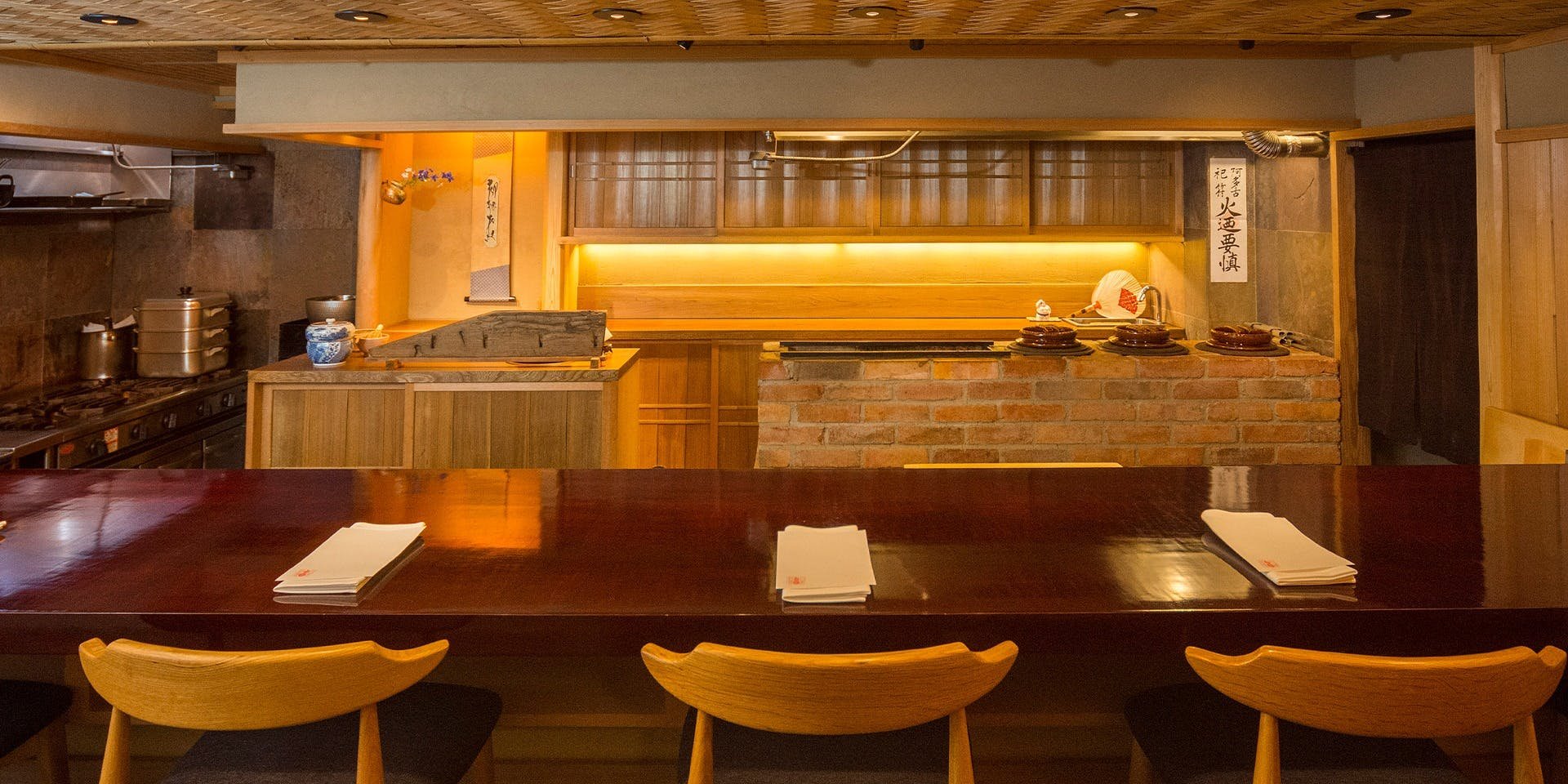
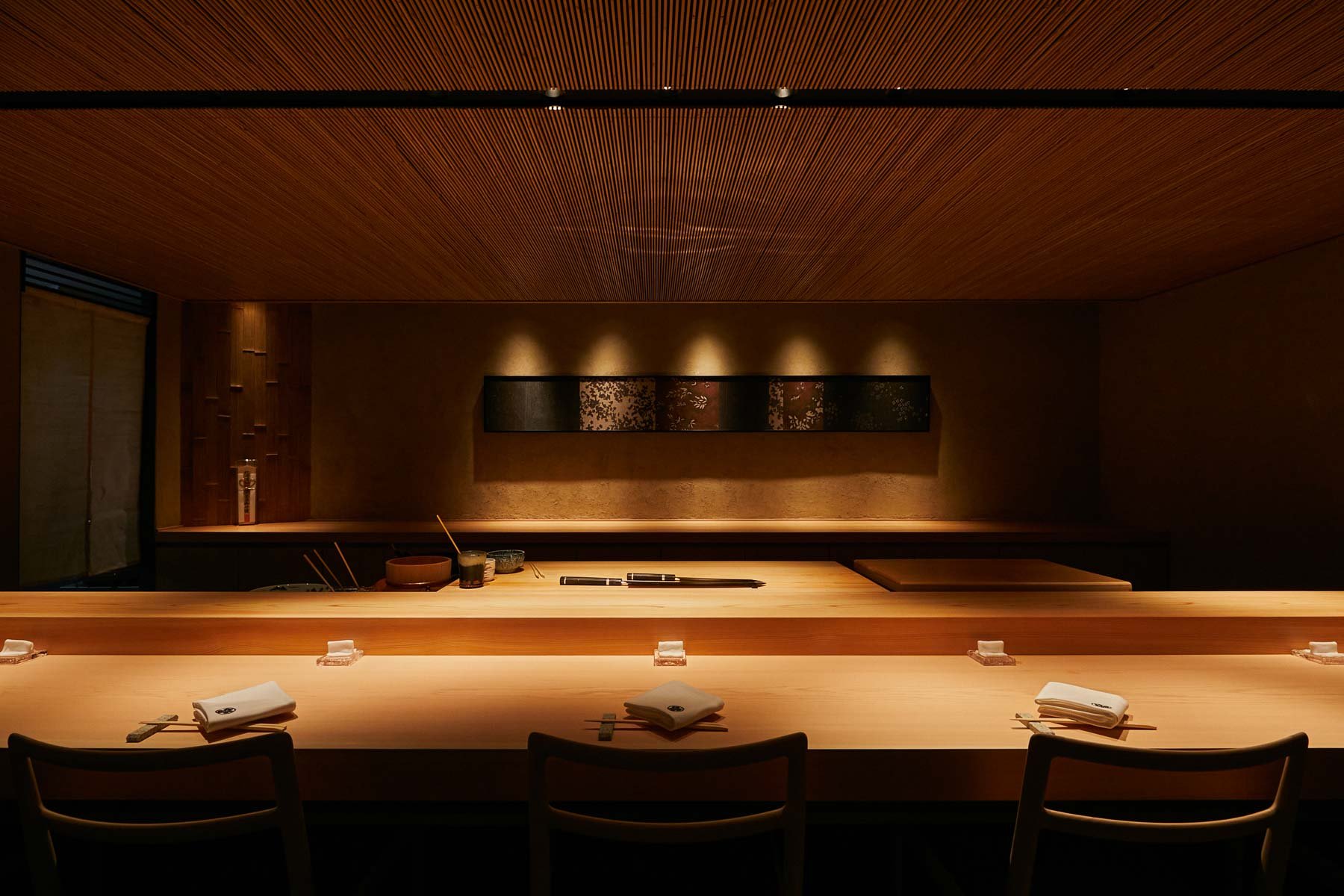
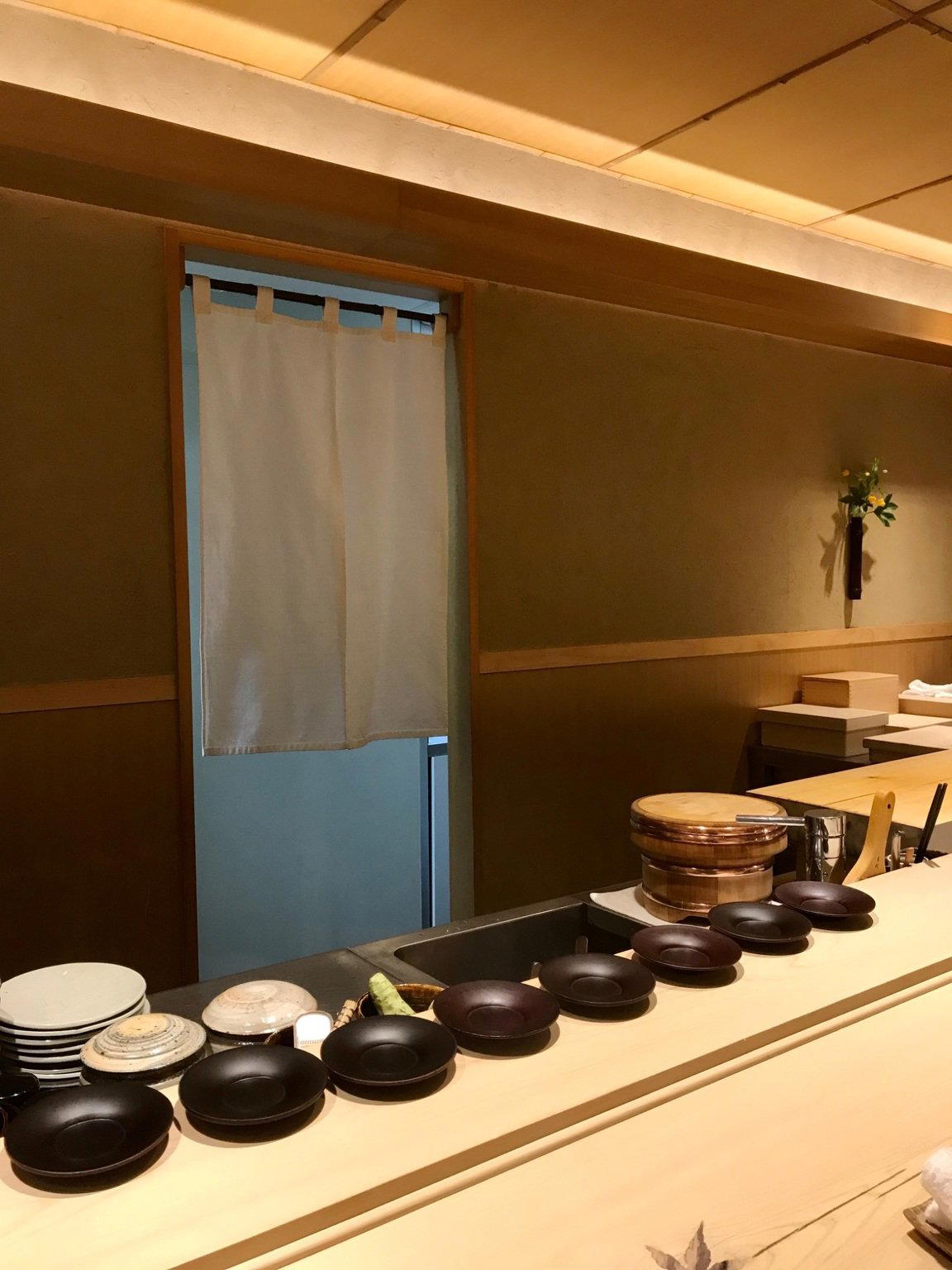
North of Sapporo’s central restaurant corridors, the ramen experience changes scale. The city thins into residential blocks, station routines, and compact lunch rooms for regulars rather than visitors moving between hotels and nightlife. Kokumin Shokudo belongs to that quieter Sapporo: an eight-seat counter in Taihei where the room is part of the argument. Ramen here is not luxury performance, but short-service, high-turnover dining with local recognition beyond the neighbourhood.
That matters in Sapporo, whose food reputation is often flattened into miso ramen, seafood markets, and winter appetite. The better reading is granular. Central ramen shops often serve the travel circuit; suburban counters face a different test, where repeat custom, station access, and value matter. Kokumin Shokudo’s selection for Tabelog 100 Ramen HOKKAIDO 2025 places it in a recognised regional cohort, while its setting keeps the experience grounded in a small Sapporo shop.
Taihei ramen, away from the central Sapporo circuit
Taihei is not the obvious first stop for visitors planning around Susukino, Odori, or Sapporo Station. That makes this counter instructive. In Hokkaido, ramen is not only a late-night dish after drinks; it is a suburban lunch economy, supported by parking, short opening windows, and small rooms where turnover matters. The format rewards precision and speed over ceremony.
Kokumin Shokudo operates in the same broad low-price ramen bracket as several Sapporo peers. Menya Keserasera, Menya Kamejin, and Hokuzan Ryu also sit in the sub-1,000-yen ramen conversation, while Yondaime Mendokoro Yuji moves slightly higher. That separates this category from destination tasting menus and frames the meal as a local staple with strong recognition, not a special-occasion splurge.
The counter-only scale changes the social contract. Eight seats cannot absorb leisurely grazing, large groups, or indecision like a larger central shop. Solo diners fit naturally, and small parties should expect a compact, practical meal rather than a long restaurant session. For travellers, the draw is not just the bowl; it is seeing Sapporo ramen away from the city-centre spotlight.
For a wider read on the city’s dining spread, Our full Sapporo restaurants guide is the useful companion, especially when comparing compact ramen counters with curry rooms such as [Curry Senmon Ten] Maruyama Kyoju., soup-curry institutions like Ajanta Sohonke, and specialised city addresses including 175°DENO Tantanmen Sapporo kitaguchi ten and Ajanta Indo Curry Ten.
What the recognition says about the bowl
Tabelog’s 2025 Hokkaido ramen selection is a meaningful signal because ramen is hard to judge from outside. Menus can look deceptively similar, queues can reflect location as much as quality, and travel attention often clusters around central names. A Tabelog 100 placement does not make a neighbourhood counter formal fine dining; it shows the shop has earned notice in a crowded regional category where small differences in broth, noodle handling, seasoning, and consistency matter.
The listed categories, ramen and tsukemen, place the shop inside two related but distinct habits. Ramen is immediate: broth, noodles, aroma, and temperature converging in one bowl. Tsukemen slows the act down, separating noodles and dipping broth, foregrounding texture and concentration. That dual category clarifies the counter choice: soup-led comfort or a more segmented noodle-and-dip format.
Sapporo ramen is often associated with richness and cold-weather appetite, but serious noodle rooms here are not one style bloc. Some lean toward miso heft, others toward clarity, spice, or dipping-noodle intensity. The restaurant is best understood through scale and recognition rather than invented house mythology. It occupies the disciplined end of casual dining: small room, narrow service, low spend, and enough regional validation to justify the trip north for ramen-focused travellers.
That makes it a useful counterpoint to other Sapporo dining categories. Kaiseki rooms such as Suyama require time, planning, and different budget logic; ramen counters compress the city’s food culture into a shorter, sharper encounter. The comparison is not about which format wins, but matching the meal to the day. A counter bowl in Taihei belongs to a different rhythm than a formal dinner, and that rhythm is part of Sapporo’s appeal.
How to fold it into a Sapporo itinerary
Treat this as a targeted daytime ramen stop, not an add-on between central appointments. Taihei sits outside the main visitor cluster, so the meal suits travellers already interested in Sapporo’s residential edges, rail-linked neighbourhoods, or a ramen itinerary beyond the usual core. Parking reinforces the local-use character; the counter format keeps the experience compact once seated.
Families have a clearer path here than at many tight counters because school-age children are welcomed, though the eight-seat setup still favours smaller groups and a quick meal. Payment is old-school ramen: plan for cash, as cards, electronic money, and QR payments are not part of the setup. None of this is a drawback if expectations are calibrated. It is the infrastructure of a modest Sapporo ramen room, not a hospitality production built around foreign-language ease.
For a broader city plan, ramen in Taihei pairs better with neighbourhood exploration than a rushed hotel-to-restaurant dash. Use Our full Sapporo hotels guide to decide whether staying central still makes sense, then map food and drink around the day with Our full Sapporo bars guide, Our full Sapporo wineries guide, and Our full Sapporo experiences guide. The better itinerary gives ramen its own slot rather than treating it as filler.
Seen against Japan’s wider casual-dining field, the restaurant shows why small formats travel poorly as generic recommendations and well as specific editorial choices. A counter in Sapporo, an onigiri shop such as Onigiri Time in Pasadena, or a sake-focused address like Jōdo Saké Bar in Los Angeles each depends on format as much as menu. The same applies across Japan, from [ki:] in Kyoto and.cafe in Osaka to.know in Kumamoto, (Shoku) Vietnam in Kawasaki. 鮪と炭火焼き うお炭 秋葉原店 in Tokyo, -Grilled beef Sukiyaki- KAMAKURA TANUKIAN 鎌倉 たぬき庵 in Kamakura, and Hokkaido bakery-dining outliers such as Aigues Vives. The lesson is consistent: the strongest casual meals often have a narrow brief, a clear room, and no need to perform beyond the plate.
A Lean Comparison
Comparable venues at the same tier for side-by-side context.
| Venue | Cuisine | Price |
|---|---|---|
| Kokumin Shokudo | Kita, Japanese Ramen | $ |
| Menya Keserasera | Kita, Japanese Ramen | $ |
| Marutaka Ramen | Kita, Sapporo ramen & pork rice bowls | $ |
| IN CURRY | Nishi, Sapporo soup curry | $ |
| Sapporo Tsukemen Sapporo Ramen Furaido | Toyohira, Sapporo tsukemen and ramen | $ |
| Sumire Nakanoshima honten | Toyohira, Sapporo miso ramen shop | $ |
Recognition history
Dated appearances from independent guides and award organizations, with the underlying list record or original source where available.
Tabelog 100 #99 · No. 99
Tabelog · Tabelog 100 - Ramen - HOKKAIDO - 2025


At a Glance
- Classic
- Cozy
- Solo
- Casual Hangout
- Family
- Standalone
Current opening hours
- Monday
- 11 AM–2:30 PM
- Tuesday
- 11 AM–2:30 PM
- Wednesday
- Closed
- Thursday
- Closed
- Friday
- 11 AM–2:30 PM
- Saturday
- 11 AM–2:30 PM
- Sunday
- 11 AM–2:30 PM
Hours can change for holidays and private events. Last verified .
Compact, no-frills ramen-shop atmosphere with a focused, neighborhood feel and a busy counter-service pace.