
Sapporo’s curry culture has its own grammar, and Sapporo Rou Curry NAGAMIYA sits in the city’s compact, specialist tier rather than the broad tourist circuit. Recognition in Tabelog Curry EAST “Tabelog 100” in 2019, 2020, and 2024 gives it a clear credential, while its curry-and-Indian-curry classification places it in a sharper category than standard soup-curry stops.
Pearl is the En Primeur Club membership app — saves, bookings, and concierge access live there. Same editors, same standards.
- Address
- Japan, 〒060-0061 Hokkaido, Sapporo, Chuo Ward, Minami 1 Jonishi, 13 Chome−4−62 ベストール南大通 1F
- Phone
- +81 11-231-4131
- Website
- tabelog.com
 Saves & bookings on Pearl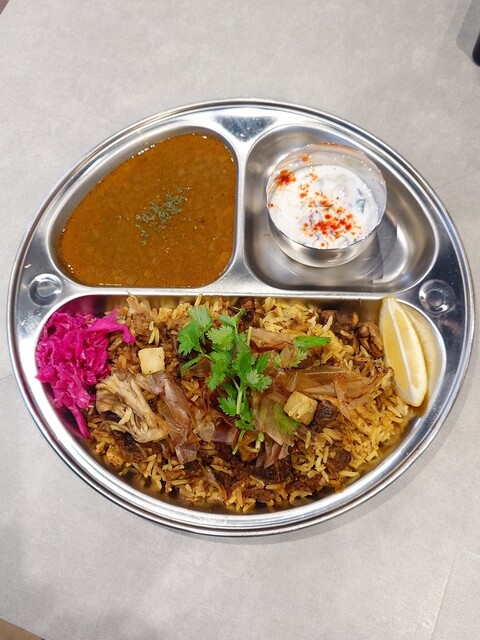
Approaching Sapporo’s western Chuo Ward, the restaurant rhythm shifts from station-front convenience to smaller rooms built around regulars, counters, and quick midday decisions. Curry in Sapporo is often reduced to soup curry, but the broader scene includes tighter, rice-led shops where format matters as much as spice. Sapporo Rou Curry NAGAMIYA belongs to that group: compact, low-friction, and judged less by ceremony than by how clearly the kitchen delivers curry within a narrow daily frame.
The useful comparison is not with high-budget Sapporo dining rooms such as Yamasa Wa, where spending moves into another register, but with specialist casual addresses. CAPSULE MONSTER and Akatsuki sit in the lower-priced everyday tier; curry shops such as [Curry Senmon Ten] Maruyama Kyoju., Ajanta Indo Curry Ten, and Ajanta Sohonke show how deep Sapporo’s curry taxonomy runs beyond tourist shorthand. This makes the place legible: not a grand appointment, but a focused curry counter in a city that takes the category seriously.
A compact curry room in a city that rewards specialization
Sapporo’s strength as a restaurant city is its spread of narrow formats. Ramen shops, curry counters, bakeries, sweets rooms, izakaya, and tasting-menu restaurants compete without sharing the same language of luxury. The 19-seat scale matters because small curry restaurants rely on coordination: kitchen pace, counter turnover, and front-of-house timing have to align. In a room this size, the team dynamic is functional rather than theatrical. The kitchen sets the cadence; the floor keeps the line moving; the counter gives solo diners a practical seat, not an afterthought.
The category label, curry and Indian curry, is useful. Japanese curry can range from thick, home-style roux to spice-driven formats shaped by South Asian techniques, and Sapporo adds local expectations through decades of curry culture. NAGAMIYA’s public description points to additive-free ingredients, fresh meat and vegetables, chicken curry, and biryani. Those details place it near the craft-casual end of the spectrum rather than a generic curry-rice shop, but the appeal stays grounded: a short format, tight menu identity, and room built for repeat use.
Tabelog’s Curry EAST “Tabelog 100” selections in 2019, 2020, and 2024 give the restaurant a stronger signal than casual popularity. In Japan, where curry has hundreds of local expressions and deep review culture, repeated selection across years indicates consistency in a crowded field. The 2024 listing places it in a competitive eastern Japan curry category, not just a Sapporo neighborhood conversation. That matters for travelers choosing whether to spend a meal slot here rather than at a ramen counter such as 175°DENO Tantanmen Sapporo kitaguchi ten or a bakery-led detour like Aigues Vives.
Why the format works for Sapporo itineraries
The strongest case is editorial rather than ceremonial. Sapporo visitors often over-index on seafood, miso ramen, jingisukan, and soup curry, then treat every other category as filler. That misses how the city eats. A focused curry room can be as revealing as a crab dinner because it shows the everyday infrastructure beneath destination clichés: modest footprints, short service windows, counter seating, and menus designed for repeat customers rather than once-in-a-lifetime spending.
For travelers building a food day, the restaurant works as a compact anchor, not the evening’s main event. Its value is in precision and category depth: curry, Indian curry, take-out availability, children welcome, and solo-dining friendliness all point to a flexible address within Sapporo’s casual dining system. The absence of private rooms clarifies expectations. This is not for a long business meal or formal group dinner; it is a targeted stop for readers who want to understand Sapporo’s curry culture beyond the obvious soup-curry circuit.
The practical judgment is simple: choose it when the itinerary needs a serious curry stop without turning lunch into a production. Choose something else when the meal needs sake service, a long counter progression, or a celebratory room. That distinction matters in Sapporo, where one day can move from market seafood to ramen, pastry, whisky, and late-night bars. The ambitious route is not only prestige dining, but mapping categories correctly. In that map, Sapporo Rou Curry NAGAMIYA fills the curry specialist slot with credible recognition and a format that does not pretend to be grander than it is.
Where it sits in a broader Sapporo run
Readers comparing categories should treat this as part of a wider Sapporo edit, not a standalone trophy. For restaurants, start with Our full Sapporo restaurants guide; for where to stay around dining routes, use Our full Sapporo hotels guide. Drinking and after-dinner planning sit better in Our full Sapporo bars guide, while regional context can widen through Our full Sapporo wineries guide and Our full Sapporo experiences guide.
For broader Japan and overseas comparison, the thread is format discipline. A tightly run curry shop in Sapporo has more in common, structurally, with compact specialists elsewhere than with luxury rooms in its own city. That lens helps when reading across addresses such as -Grilled beef Sukiyaki- KAMAKURA TANUKIAN 鎌倉 たぬき庵 in Kamakura. 鮪と炭火焼き うお炭 秋葉原店 in Tokyo.cafe in Osaka.know in Kumamoto, (Shoku) Vietnam in Kawasaki, and [ki:] in Kyoto. Outside Japan, Jōdo Saké Bar in Los Angeles and Onigiri Time in Pasadena make the same point from different angles: small formats travel well when the concept is disciplined, the menu legible, and the room does not overcomplicate the promise.
The verdict is restrained but clear. In a Sapporo itinerary, this is a category specialist with repeated Tabelog Curry EAST “Tabelog 100” recognition, a small-seat format, and a role that suits solo diners, families, and curry-focused travelers. It is not designed to replace the city’s more elaborate dining experiences. It is designed to show another Sapporo: practical, specific, and confident in the everyday craft of curry.
The Short List
Side-by-side context: comparable cuisine and price.
| Venue | Cuisine | Price | Notes |
|---|---|---|---|
| Sapporo Rou Curry NAGAMIYAThis venue — the venue you are viewing | Not listed | $ | Not listed |
| China Soba Chiu | Chūō, Traditional Sapporo ramen counter | $ | Not listed |
| MEN SHOUKI | Not listed | $ | Higashi, Modern Japanese Ramen & Tsukemen |
| 鮨処 有馬 | Chūō, Japanese Sweet Shop - Imo Youkan | $ | Not listed |
| Tokou An Shinkotoni | Kita, Japanese Ramen | $ | Not listed |
| Menya Keserasera | Kita, Japanese Ramen | $ | Not listed |
Recognition history
Dated appearances from independent guides and award organizations, with the underlying list record or original source where available.
Tabelog 100 #57 · No. 57
Tabelog · Tabelog 100 - Curry - EAST - 2024


At a Glance
- Cozy
- Modern
- Solo
- Family
- Casual Hangout
- After Work
- Standalone
- Organic
- Local Sourcing
Current opening hours
- Monday
- 10 AM–2:30 PM
- Tuesday
- 10 AM–2:30 PM
- Wednesday
- Closed
- Thursday
- 10 AM–2:30 PM
- Friday
- 10 AM–2:30 PM
- Saturday
- 10 AM–2:30 PM
- Sunday
- 10 AM–2:30 PM
Hours can change for holidays and private events. Last verified .
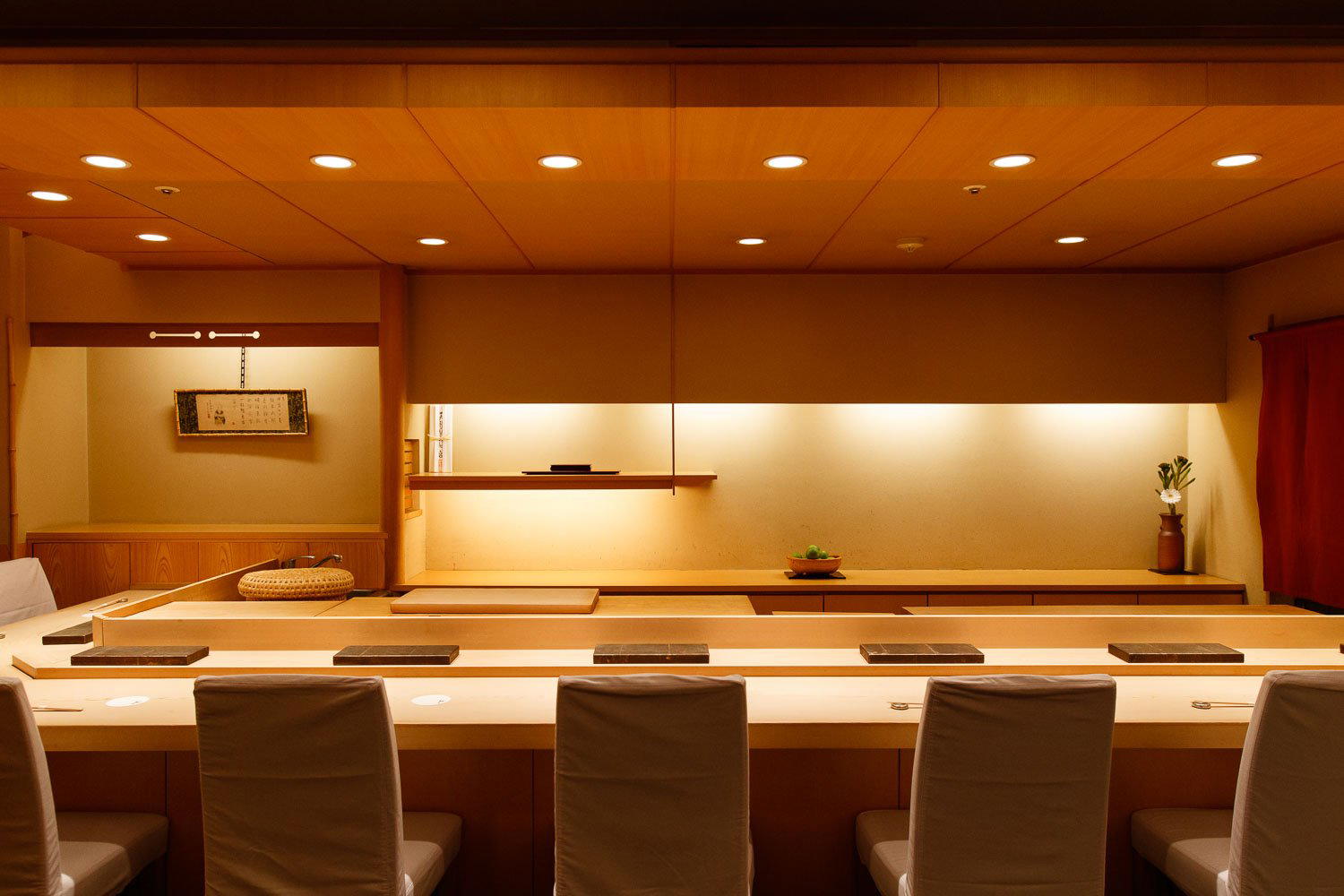
Small, non-smoking curry shop with counter seating and a simple, relaxed interior, offering a comfortable, casual atmosphere suited to solo diners and families.