
Ramen sits in Nagoya’s serious everyday-noodle bracket: low spend, counter-led service, and enough local recognition to place it on Tabelog’s Ramen AICHI 100 selection for 2025. The appeal is not ceremony but precision within a compact format, where queue etiquette, cash payment, and timing matter as much as appetite.
Pearl is the En Primeur Club membership app — saves, bookings, and concierge access live there. Same editors, same standards.
- Address
- 愛知県名古屋市中川区高畑5-25 マンション善 1F
- Website
- tabelog.com
 Saves & bookings on Pearl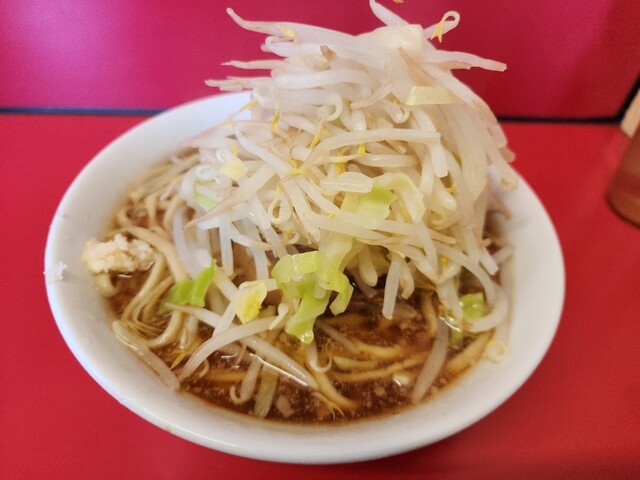
Approach in Nakagawa-ku and the rhythm is familiar to anyone who eats ramen seriously in Japan: small frontage, compact room, and diners arriving with purpose rather than lingering over courses. This is not Nagoya’s polished kappo or hotel-dining circuit. It belongs to the city’s faster, leaner ramen culture, where the counter is the stage and the meal is measured in focus, not duration.
Ramen’s selection for Tabelog 100 - Ramen - AICHI - 2025 places it in a competitive prefectural category, not a national luxury list. That matters. Aichi’s ramen scene rewards consistency, specialization, and repeatability at prices still unusually accessible by international dining standards. Recognition here carries a different weight from tasting-menu awards: it signals a shop that has entered the local conversation for a format built on turnover, craft, and habit.
A counter-format noodle shop in Nagoya's value-driven ramen tier
Nagoya dining is often reduced to miso katsu, hitsumabushi, and tebasaki, but its ramen culture has its own logic, between commuter practicality and obsessive specialization. The strongest shops do not need long menus or theatrical service; they need a broth identity, disciplined pacing, and a room that can absorb a steady lunch crowd without losing control.
This address fits that compact model. The room is counter-led and small, putting the experience closer to a neighborhood ramen shop than a destination dining room. That matters for expectations. Compared with Nagoya venues such as Shunsai Tempura Shinra, Oryori Hisamatsu, or Yasui, where meals occupy a higher-spend Japanese dining bracket, this is another kind of precision: less ceremony, lower tariff, and sharper dependence on timing. Among casual peers, tokyo miso style IKEDA and Curry Senmon Ten cafe New Delhi sit nearer the same low-spend universe, but ramen carries its own pressure because arrival, ordering, eating, and exit are compressed.
The name, simply Ramen, is almost aggressively plain in English. That plainness works better than a concept label. In Japan, ramen shops often build reputation through repetition rather than branding: the line, the counter, the ticket or order flow, the regulars who know how not to slow the room. For a traveler, treat the format with the same respect as a small sushi counter, even when the bill is a fraction of the price.
The recognition is local, but the planning discipline is real
The Tabelog 100 placement for Aichi in 2025 is the main trust signal. It does not make the shop a luxury reservation chase, and that is the point. Ramen’s appeal lies in a category where excellence is judged in small differences: broth balance, noodle handling, service rhythm, and whether a compact room can keep standards intact across repeated covers.
For international visitors, the useful comparison is not with grander Japanese restaurants but with the operational culture of serious ramen shops across the country. This is a plan-around stop, not a tasting-menu slot to lock in. Build slack into the day, avoid large groups, and understand that queue behavior is part of the meal’s social contract. Line management is explicit: diners are told not to queue in front of the neighboring curry shop, and if the line extends beyond the shopfront, it should form along the east side of the building. That tells experienced ramen eaters plenty. Demand exists, space is tight, and neighbors matter.
Cash keeps the experience in the old-school everyday lane. Cards, electronic money, and QR payments are not accepted, making this a rare case where a low price point still requires preparation. The shop’s accessibility is not frictionless convenience. It is accessible in cost, compact in format, and strict in how diners move through it.
There is a broader Nagoya point here. The city’s dining identity is often more practical than performative, especially outside hotel and central nightlife zones. Ramen shops in districts such as Nakagawa-ku can carry serious local credibility without presenting themselves as special-occasion rooms. That is the draw: a meal that asks for attention but not ceremony.
How to place it in a Nagoya eating itinerary
This is a strong fit for solo diners and small parties who understand counter-dining pace. Families are not excluded, and children are welcomed, but the room’s scale suits families who can move with the tempo of a compact ramen shop. It is not the place to settle in, over-order, or turn lunch into a long table session.
Use it as a focused ramen stop rather than the anchor of an evening. Pair it with broader city exploration rather than building a formal dining day around it. Readers mapping Nagoya should cross-reference Our full Nagoya restaurants guide, then decide whether the day calls for low-spend noodles or a higher-spend Japanese meal. The same itinerary can sit alongside city planning through Our full Nagoya hotels guide, Our full Nagoya bars guide, Our full Nagoya wineries guide, and Our full Nagoya experiences guide.
For readers comparing across EP Club’s Japan and international restaurant coverage, the useful lens is format rather than cuisine alone. Nagoya entries such as 1022, 451, Aaron, Alan., and All Day Dining Montmartre show how varied the city’s restaurant map becomes once ramen sits beside broader dining categories. Beyond Nagoya, casual Japanese formats and specialist counters take different forms at -Grilled beef Sukiyaki- KAMAKURA TANUKIAN 鎌倉 たぬき庵 in Kamakura. 鮪と炭火焼き うお炭 秋葉原店 in Tokyo.cafe in Osaka.know in Kumamoto, (Shoku) Vietnam in Kawasaki, [Curry Senmon Ten] Maruyama Kyoju. in Sapporo, Jōdo Saké Bar in Los Angeles, and Onigiri Time in Pasadena.
The verdict is simple: this is for diners who value ramen’s disciplined, high-turnover culture and will follow the room’s rules. The reward is not luxury polish. It is a sharply defined Nagoya ramen stop with recognized local standing, low financial risk, and enough operational friction to punish poor planning.
Cuisine Context
Comparable venues in the metro at similar price points.
| Venue | Cuisine | Price | Notes |
|---|---|---|---|
| RamenThis venue — the venue you are viewing | Ramen | $ | Not listed |
| Udon Nishiki | Nagoya curry udon & wheat noodles counter | $ | Naka |
| Gin no Kura Honten | Nagoya-style Ramen Shop | $ | Higashi |
| Tsukesoba Jinguji | Tsukemen & Ramen Specialist | $ | Kita |
| Tonkatsu Shokubo Atsumaru | Tonkatsu | $ | Moriyama |
| Kounan JR sentoraru tawazu ten | Ramen & Gyoza Shop | $ | Nakamura |
Recognition history
Dated appearances from independent guides and award organizations, with the underlying list record or original source where available.
Tabelog 100 #59 · No. 59
Tabelog · Tabelog 100 - Ramen - AICHI - 2025
Continue exploring
More in Nagoya
Restaurants in Nagoya
Browse all →


At a Glance
- Cozy
- Classic
- Solo
- Family
- Casual Hangout
- Standalone
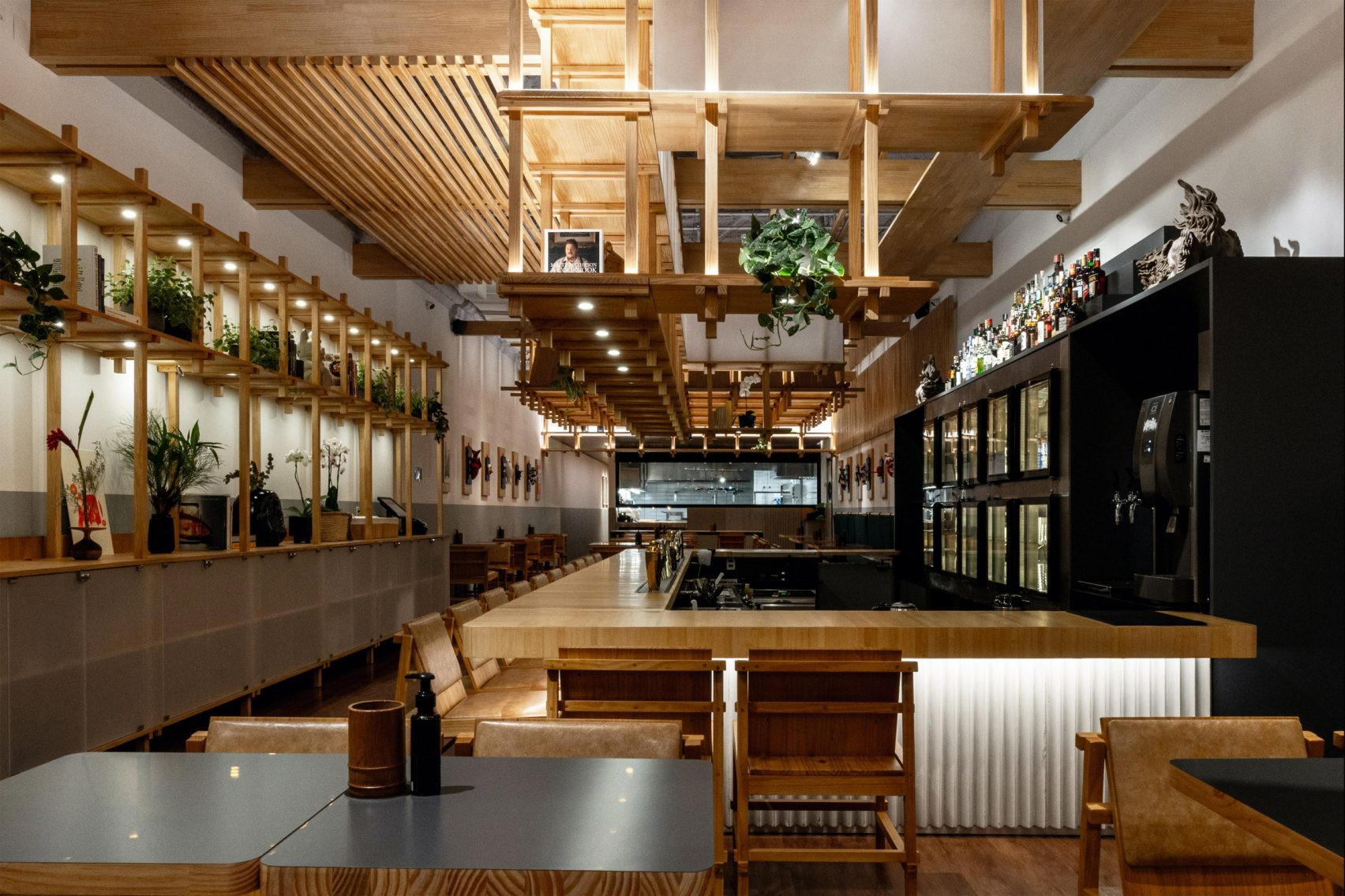
Compact, no-frills ramen shop atmosphere with counter seating and a busy, queue-driven feel.