
Tonkatsu Shokubo Atsumaru brings Nagoya’s tonkatsu culture into a domestic-scale room in Moriyama-ku, with counter seating, tatami, sunken seating, and a no-smoking policy shaping a slower local meal rather than a station-front quick stop. Its repeated Tabelog Tonkatsu 100 selections, including 2026, give the address national context without stripping away its neighbourhood character.
Pearl is the En Primeur Club membership app — saves, bookings, and concierge access live there. Same editors, same standards.
- Address
- 愛知県名古屋市守山区大字下志段味字釼当先1022
- Phone
- +81527367791
- Website
- tabelog.com
 Saves & bookings on Pearl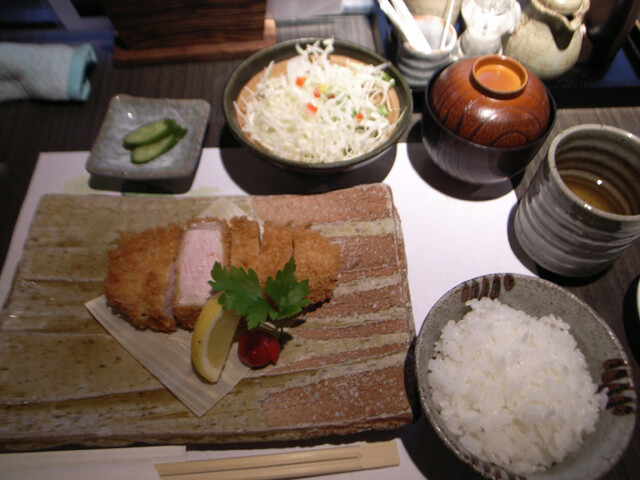
Approaching a house restaurant in Moriyama-ku changes a tonkatsu meal before ordering. This is not the clipped rhythm of a department-store dining floor or central station basement queue, but a Nagoya habit: pork cutlet as neighbourhood routine, family meal, and specialist craft inside a domestic frame. Counter seats keep the kitchen visible; tatami and sunken seating slow the format into a group-friendly register.
That container matters. Tonkatsu is judged by crust, pork quality, frying control, and cabbage discipline, yet the room shapes how those details read. A counter turns frying into theatre without ceremony. Tatami makes the meal feel like a local dining room. Sunken seating gives Japanese-room comfort without full floor posture. In a city better known nationally for miso katsu, tebasaki, hitsumabushi, and kishimen, a recognised outer-ward tonkatsu address adds useful range to Nagoya’s dining map.
A house-style room for a craft usually judged at the counter
Japan’s tonkatsu culture splits into two useful categories: efficient urban cutlet shops built for speed, lunch sets, and turnover; and specialist rooms where frying is treated with the seriousness elsewhere given to sushi rice or tempura oil. Tonkatsu Shokubo Atsumaru sits closer to the second, while its setting keeps the experience grounded rather than formal. Croquette alongside pork cutlet also places it within the yoshoku-adjacent tradition, where Western-influenced frying became Japanese comfort food through rice, cabbage, sauce, and repetition.
The awards context is the clearest external signal. Selection for Tabelog Tonkatsu 100 in 2026, with prior selections across 2024, 2022, 2021, 2019, 2018, and 2017, places the restaurant in a national cutlet conversation, not merely a local recommendation cycle. Tonkatsu lists reward consistency as much as novelty: a fryer can have a strong month, but repeated selection implies enough regular diners and category-watchers stayed convinced over multiple evaluation periods.
Nagoya’s dining identity can make tonkatsu seem deceptively simple. The city’s better-known food vocabulary leans dark, sweet-savory, and sauce-driven, with red miso shaping how visitors read Aichi cooking. A specialist tonkatsu meal asks for narrower attention: batter adhesion, pork thickness, oil management, rice quality, cabbage freshness, and condiments. The pleasure is not complication, but whether a familiar plate feels controlled from edge to centre.
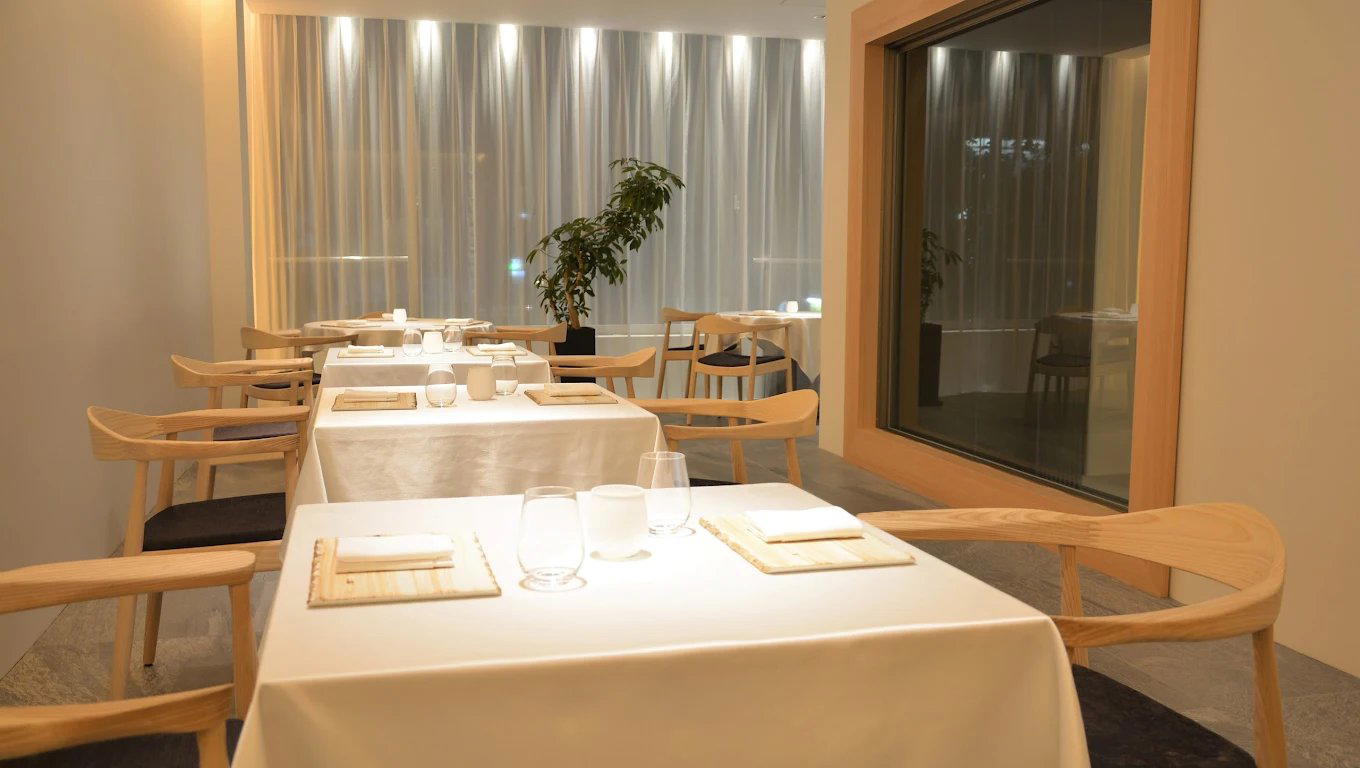
Design and seating are not decorative footnotes. A 25-seat room with counter, tatami, and sunken seating creates several experiences: solo diners stay close to the cooking, families sit with ease, and friends keep the meal casual rather than precious. That flexibility helps neighbourhood tonkatsu specialists outlast flashier openings. They are not only for culinary pilgrims; they must work for repeat local use.
Where Nagoya's specialist restaurants sit beyond the station core
For visitors, Moriyama-ku corrects the idea that Nagoya dining is concentrated around the main station and Sakae. Outer-ward restaurants often trade central convenience for a settled local audience, and Tonkatsu Shokubo Atsumaru’s house-style setting and varied seating suit an area where meals are less likely squeezed between shopping stops and train transfers.
That geography changes expectations. Central Nagoya rewards speed and density; outer wards reward planning and patience. A destination tonkatsu meal here should be treated less as a spontaneous add-on than a focused detour within a broader Aichi itinerary. The payoff is not glamour, but seeing a Japanese comfort-food category handled with care that often hides behind modest formats.
Compared with lower-budget out-of-metro peers such as Menno Haru, Menja Sugure, Haruki, and Pan no Mise Polka, this address occupies a more recognised specialist lane through repeated tonkatsu awards. Compared with a higher-spend out-of-metro restaurant such as hape, it shows a different value logic: not expanded menu ambition, but category concentration at an accessible everyday dining level. These comparisons matter because Nagoya and its region do not operate on a single luxury axis. Recognition can attach to a humble format when execution is narrow and consistent.
Readers building a Nagoya food itinerary should pair this address with sharper category thinking. The city is easier to understand when meals are grouped by function: miso-led local classics, specialist counters, casual drinking rooms, and suburban restaurants with loyal repeat custom. For broader planning, see Our full Nagoya restaurants guide, then widen the trip through Our full Nagoya hotels guide, Our full Nagoya bars guide, Our full Nagoya wineries guide, and Our full Nagoya experiences guide.
How to read the meal: comfort food with national signals
The right way to assess a tonkatsu specialist is not whether the format surprises; it rarely needs to. The question is whether a narrow menu category earns repeat attention in a country with severe competition for fried pork cutlet. Tabelog’s Tonkatsu 100 selections give this restaurant a relevant trust signal because the award is category-specific, not a general popularity badge; it places the restaurant among cutlet specialists compared on their own terms.
The room reinforces that reading. Counter seating serves diners seeking proximity to process. Tatami and sunken seating make the same food work for families and groups. A non-smoking dining room adds clarity to a fry-focused meal, where oil, sauce, rice, and cabbage need to register cleanly. None of this turns tonkatsu into fine dining, and that is the point: the category is strongest when discipline does not erase comfort.
For a wider Japan dining file, useful contrasts include Nagoya restaurants such as 1022, 451, Aaron, Alan., and All Day Dining Montmartre. Beyond the city, the comparison becomes more instructive against formats as different as -Grilled beef Sukiyaki- KAMAKURA TANUKIAN 鎌倉 たぬき庵 in Kamakura. 鮪と炭火焼き うお炭 秋葉原店 in Tokyo.cafe in Osaka.know in Kumamoto, (Shoku) Vietnam in Kawasaki, [Curry Senmon Ten] Maruyama Kyoju. in Sapporo, Jōdo Saké Bar in Los Angeles, and Onigiri Time in Pasadena. The through-line is not cuisine type; it is how modest formats carry serious editorial weight when room, category, and repeat recognition align.
Nearby-ish Comparables
Comparable venues by cuisine and price in the same metro.
| Venue | Cuisine | Price | Notes |
|---|---|---|---|
| Tonkatsu Shokubo Atsumaru | Tonkatsu | $ | Moriyama |
| Kourai Dojo | Nagoya Kourai-kei ramen | $ | Chikusa |
| Kanmidokoro Shibafuku | Japanese Sweets | $ | Naka |
| Tsukemen Maruwa Haruta honten | Tsukemen and ramen shop | $ | Nakagawa |
| Tsukesoba Jinguji | Tsukemen & Ramen Specialist | $ | Kita |
| Menya Tamagusuku | Okinawan-style Ramen & Soki Soba | $ | Chikusa |
Recognition history
Dated appearances from independent guides and award organizations, with the underlying list record or original source where available.
Tabelog 100 #11 · No. 11
Tabelog · Tabelog 100 - Tonkatsu - 2026
Continue exploring
More in Nagoya
Restaurants in Nagoya
Browse all →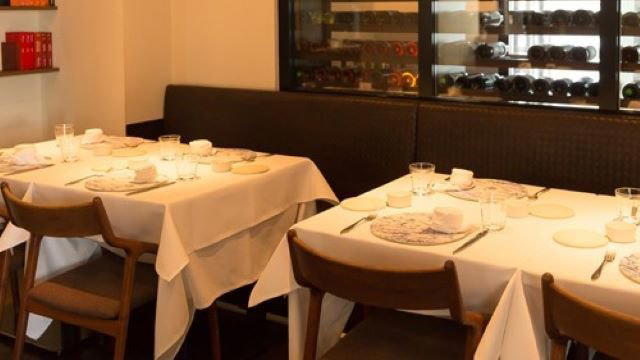
At a Glance
- Cozy
- Classic
- Family
- Casual Hangout
- Solo
- Standalone
- Sake Program
A relaxed, stylish house-restaurant setting with counter and tatami seating that feels casual and welcoming.