RAKKAN RAMEN
RAKKAN RAMEN serves vegetable-based Japanese ramen at 4926 N Broadway in Chicago, with Amber Ramen, Pearl Ramen, and Garnet Ramen alongside a sake program.
Pearl is the En Primeur Club membership app — saves, bookings, and concierge access live there. Same editors, same standards.
- Address
- 4926 N Broadway, Chicago, IL 60640
- Phone
- +17737399239
- Website
- rakkanramen.com
- Directions
- Get directions
 Saves & bookings on Pearl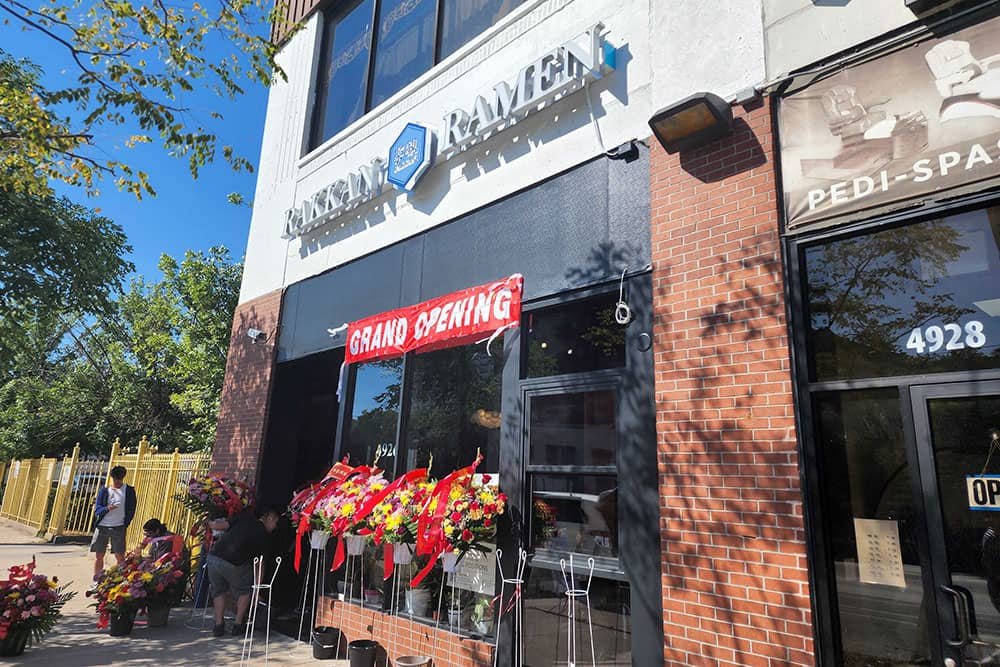
Uptown's Ramen Counter and the Neighbourhood That Shapes It
Broadway Avenue in Uptown has long operated as one of Chicago's more culturally layered commercial strips, running through blocks where Vietnamese grocers, Ethiopian restaurants, and longtime Japanese businesses have coexisted for decades. It is precisely this kind of neighbourhood that tends to produce the more serious ramen operations in American cities: not the downtown showcase built for tourist traffic, but the counter that earns its regulars through repetition and consistency. RAKKAN RAMEN, at 4926 N Broadway, sits in that context, drawing from a street that rewards specificity over spectacle.
Chicago's ramen scene has matured considerably over the past decade. The city moved through its initial wave of tonkotsu-forward shops and has since developed a more varied market that includes shoyu-focused counters, regional Japanese styles, and operators who trained in Japan before opening in the United States. RAKKAN, originally a Japanese chain, represents a particular tier of that market: structured, repeatable, and positioned for the kind of diner who arrives with a specific bowl preference rather than a vague appetite for something warm.
The Physical Container: Space as Argument
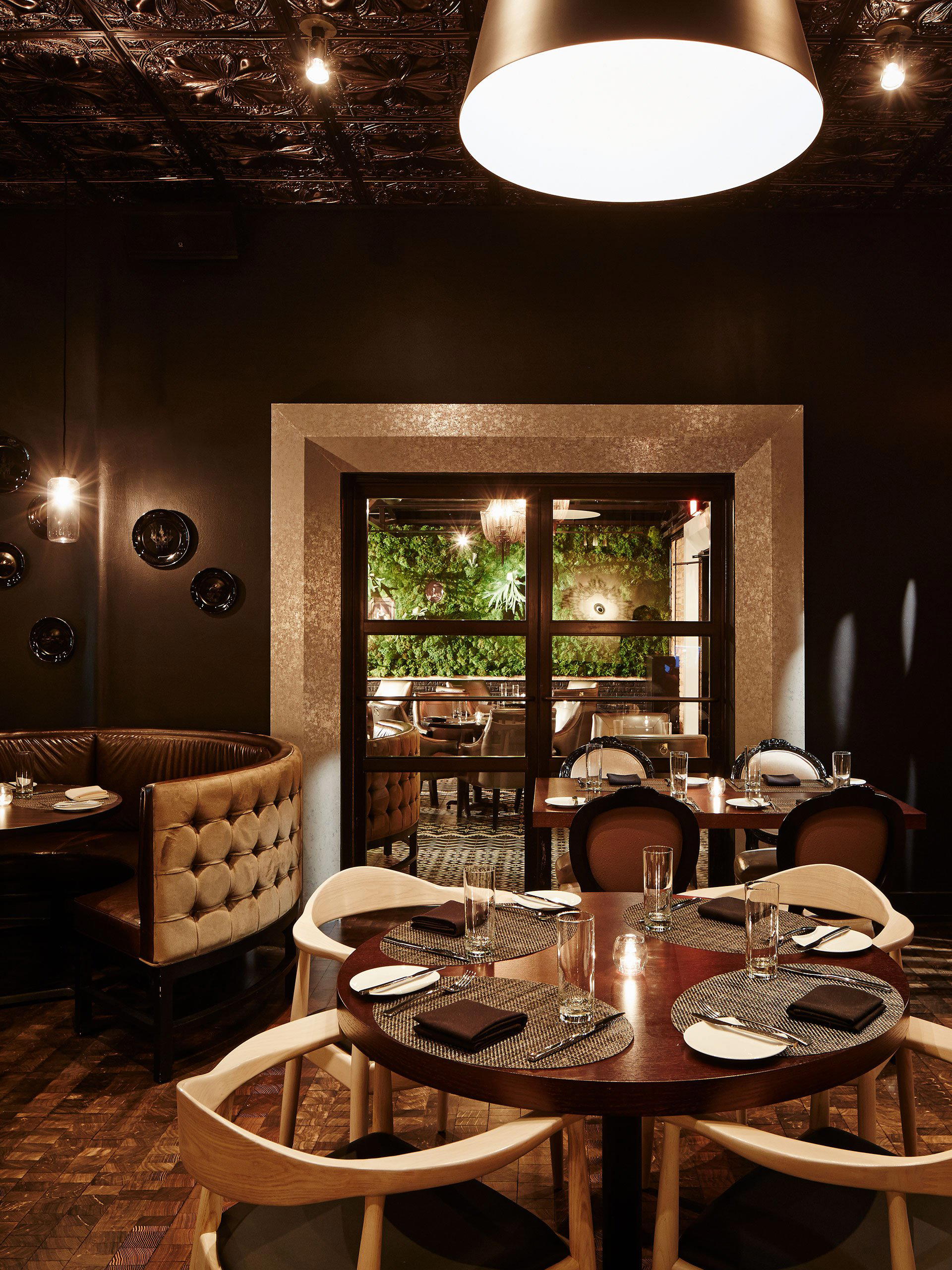
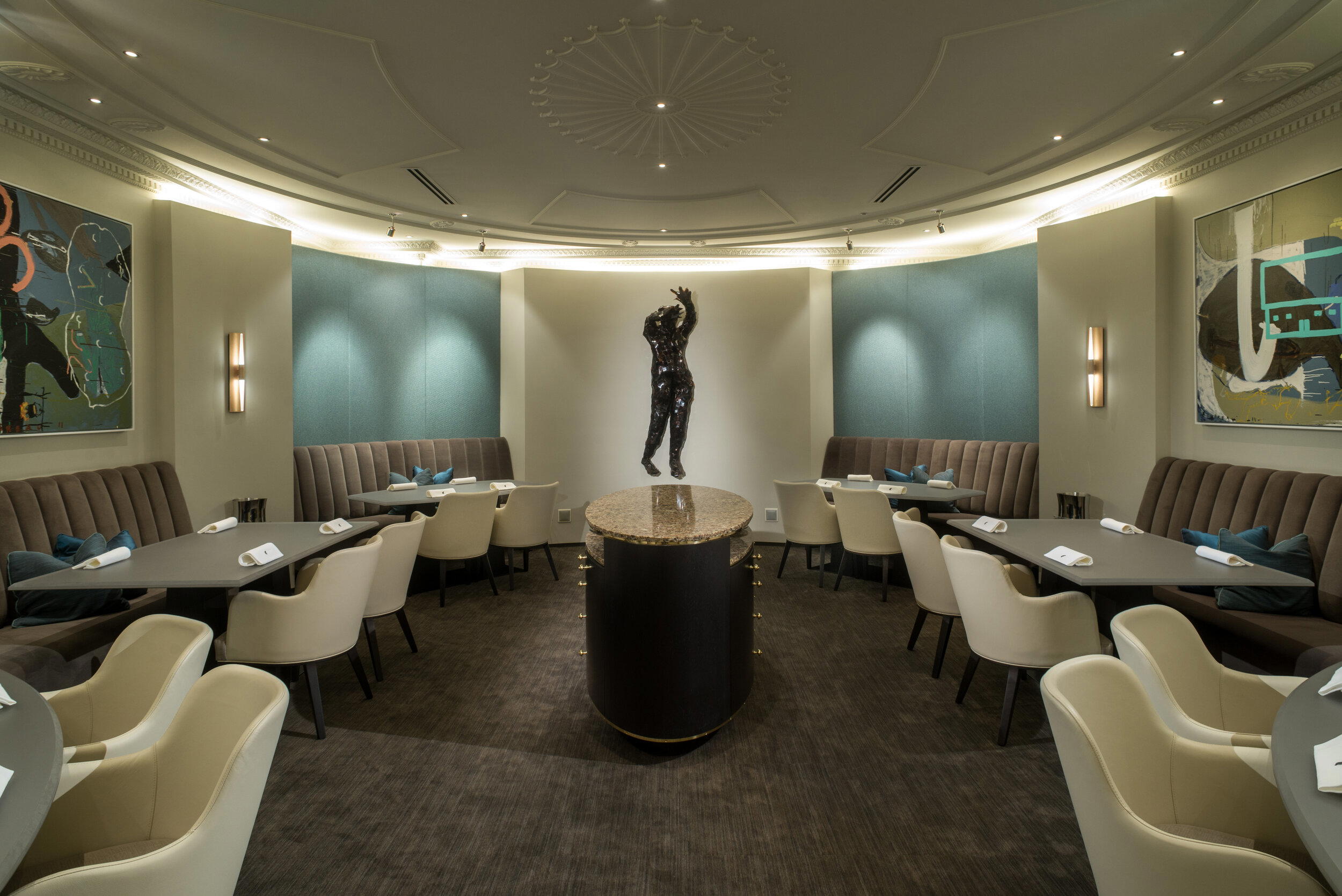
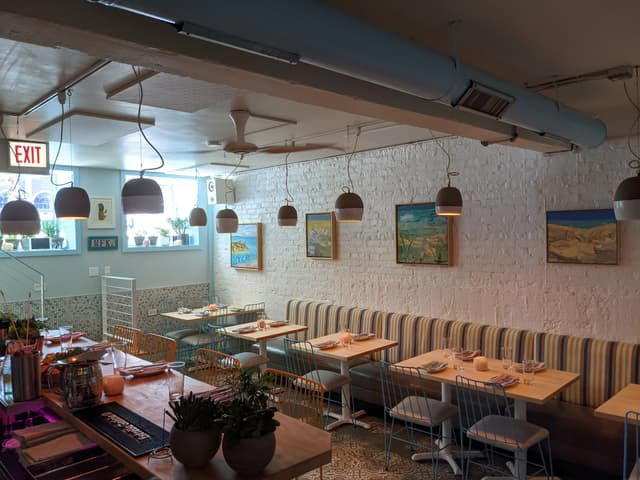
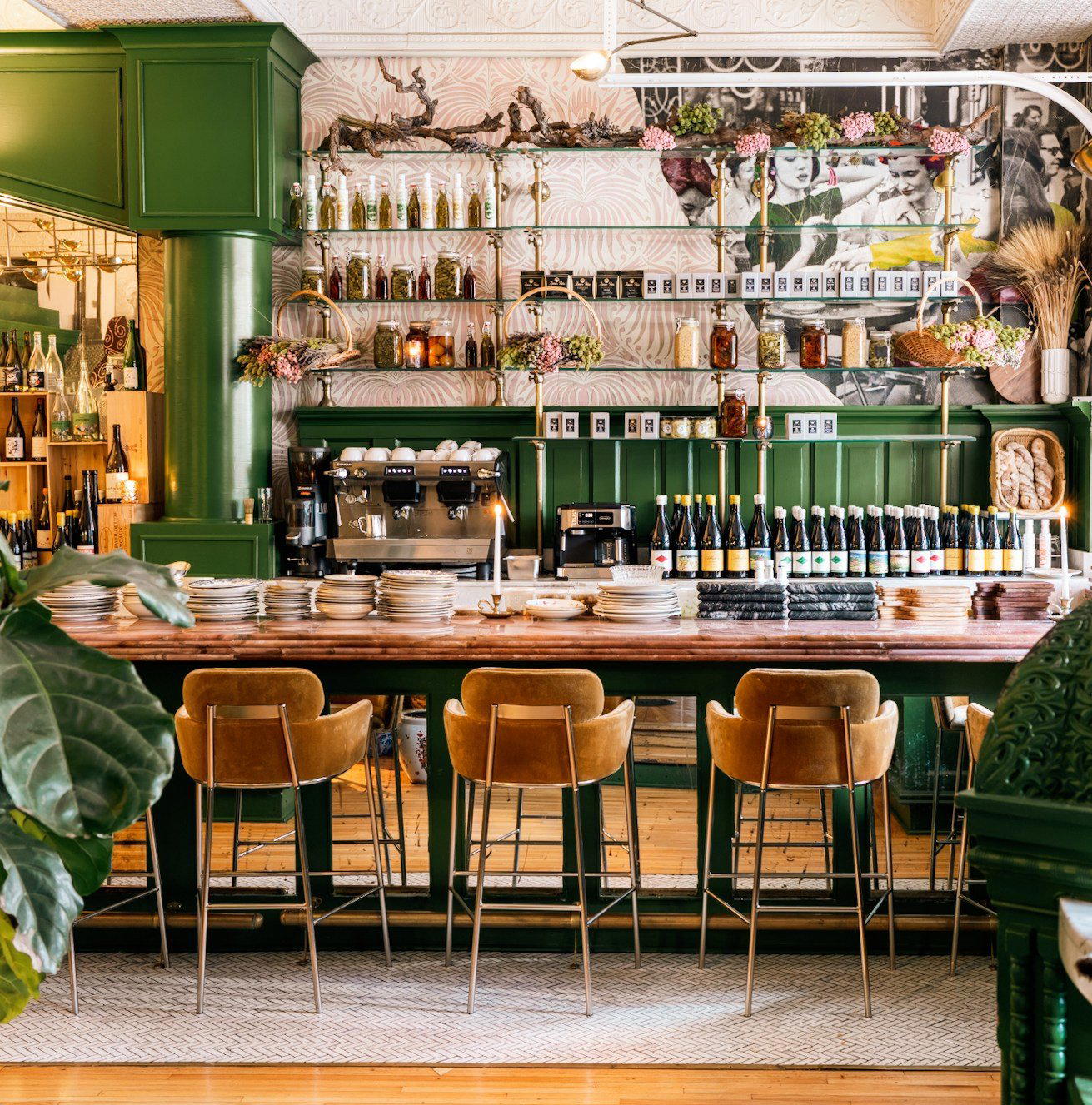
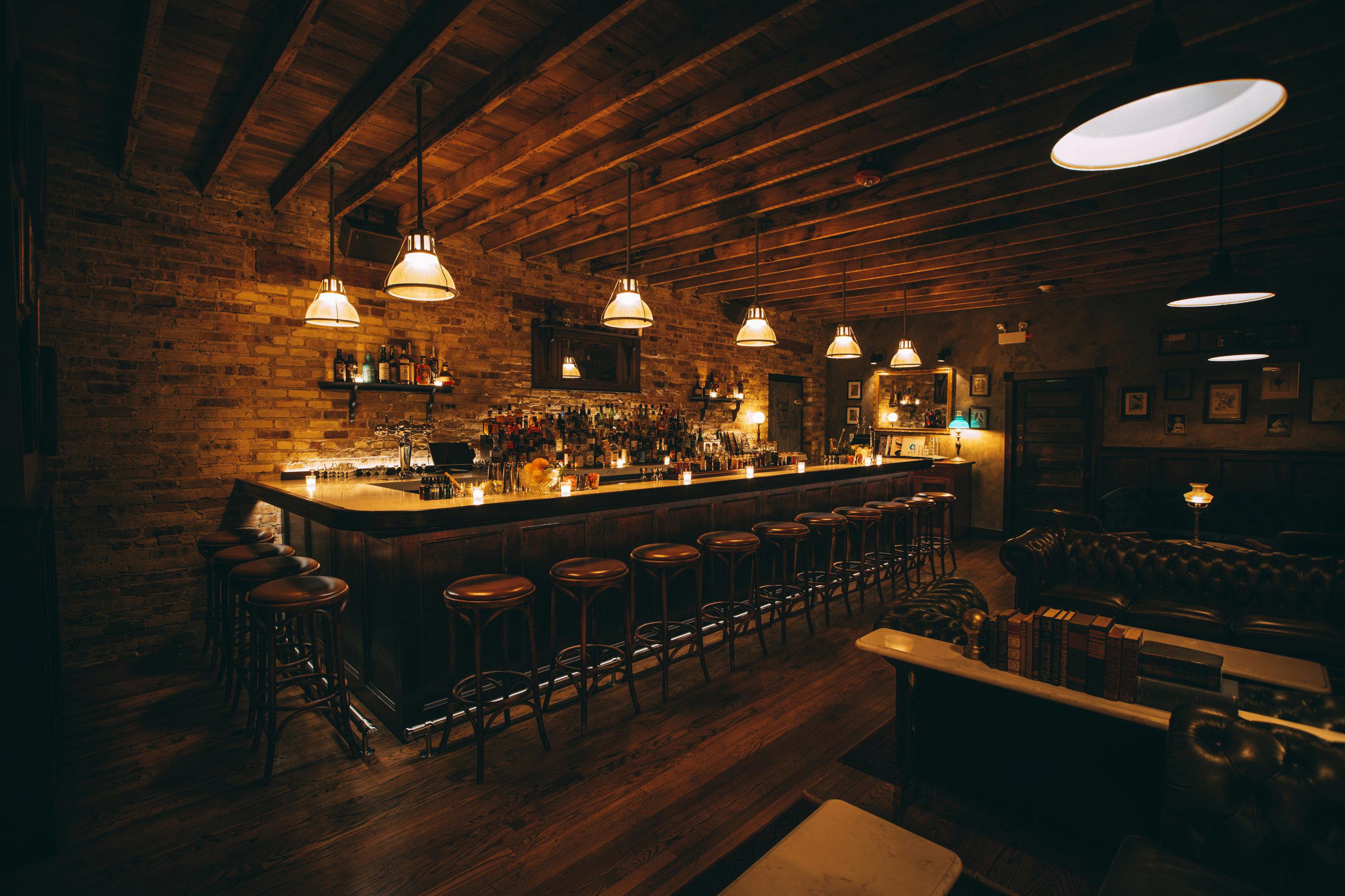
In ramen culture, the design of a room makes a statement before any broth is served. Tokyo's most respected counters tend toward spareness: exposed wood, minimal decoration, a layout that keeps attention on the bowl and the interaction across the counter. American ramen shops have taken different positions, ranging from the deliberately industrial to the deliberately festive. RAKKAN's Uptown location operates in a mid-register that reflects neither extreme. The address on N Broadway places it in a pedestrian-scale streetfront, the kind of space that communicates neighbourhood belonging rather than destination dining.
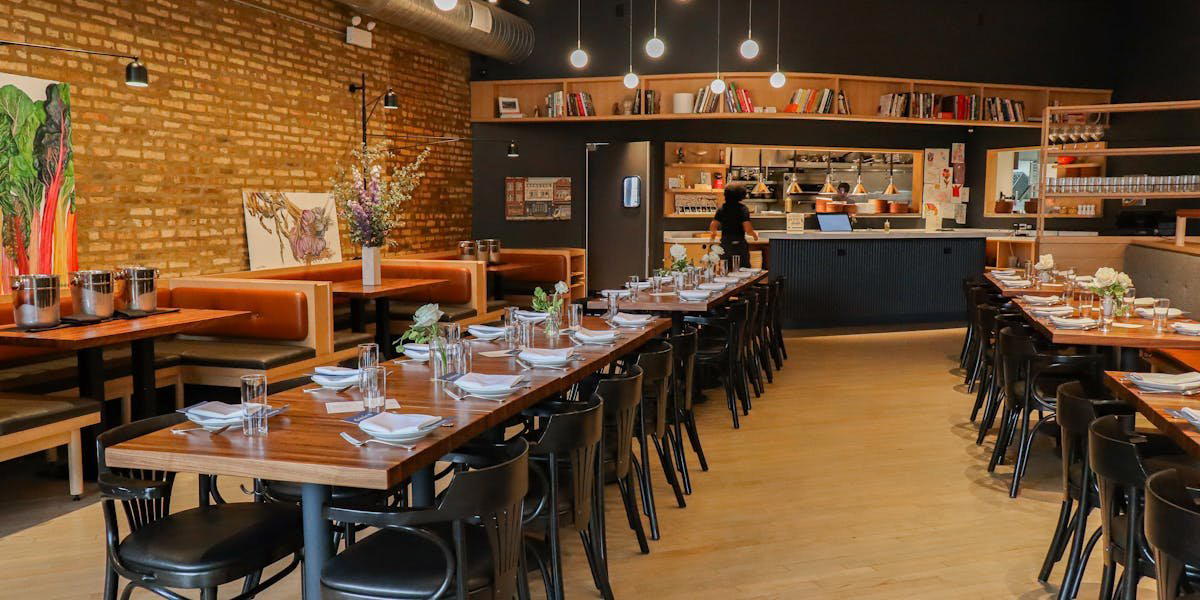
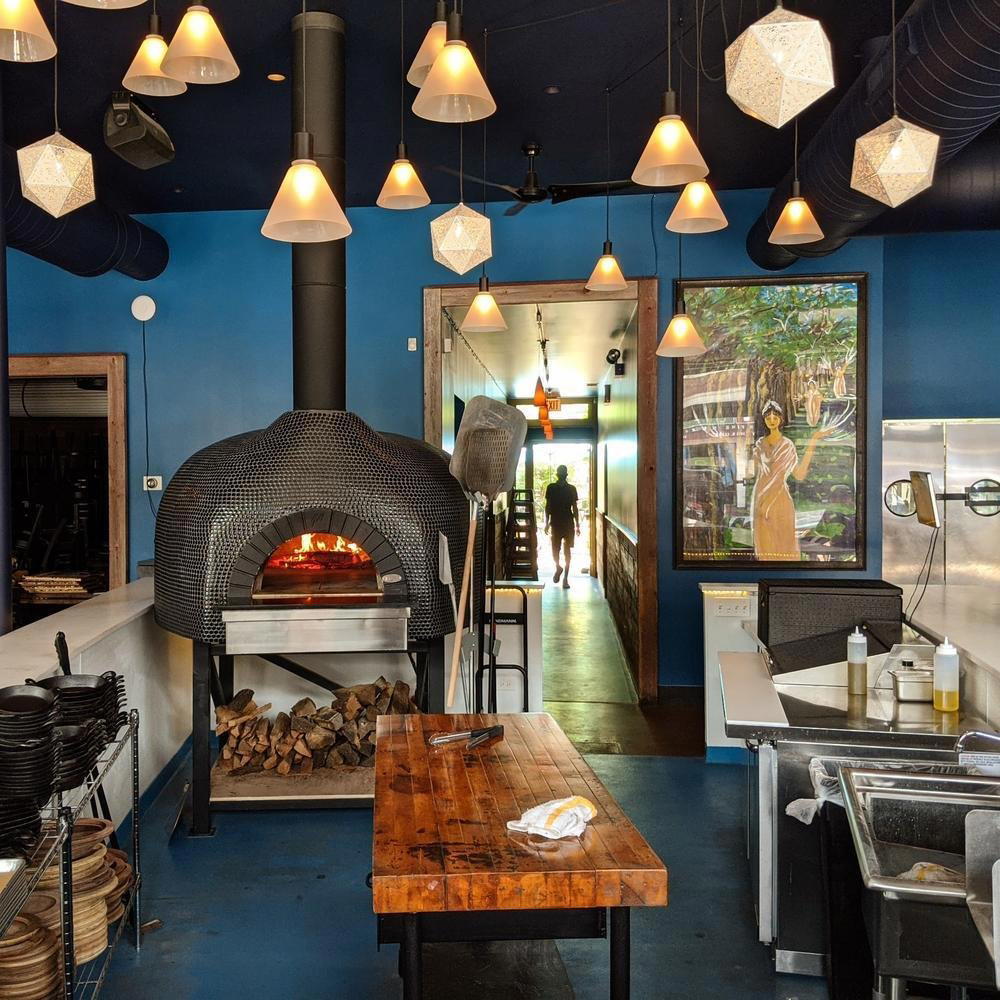
The interior format common to RAKKAN's footprint internationally tends toward counter seating and a clear sightline to the kitchen, which functions as a form of transparency in a category where broth quality is the primary variable. Counter-forward layouts in ramen shops serve a practical purpose: they allow single diners to eat efficiently and create a rhythm between kitchen output and table turnover that keeps bowl quality consistent. In a city like Chicago, where ramen has historically been consumed more as casual dining than as the considered counter experience it represents in Japan, this format signals a specific commitment to the form.
The Uptown location competes in a different register than the high-concept dining rooms of restaurants like Alinea or the refined chef-driven formats at Smyth and Oriole, but it occupies a distinct and defensible space in the city's broader dining map. Where those rooms are built around extended experiences and destination bookings, a ramen counter operates on entirely different logic: speed of service, bowl precision, and the ability to satisfy the same diner three times a week without fatigue. These are different disciplines, and RAKKAN is playing on that second field.
Ramen Formats and What Chicago Has Come to Expect
Dominant ramen styles that have found sustained audiences in American cities include tonkotsu (the opaque, pork-bone-based Fukuoka style), shoyu (a cleaner, soy-seasoned Tokyo-style broth), shio (the lightest of the primary styles, salt-seasoned and often built around chicken or seafood), and miso (a Hokkaido-origin style that carries greater body and a fermented depth). RAKKAN has historically positioned its menu around a concentrated broth philosophy, with the house tonkotsu as its reference point. This is common among Japanese-origin chains expanding internationally: the tonkotsu style travels reliably because its richness is legible to a broad palate and its preparation signals a commitment to long-cook technique.
Chicago diners comparing ramen options in 2024 have access to a wider range than a decade ago, which means the standard for what constitutes a serious bowl has risen. The comparison set is no longer just other ramen shops: it now includes the general quality bar set by Chicago's expanding Japanese restaurant culture, which includes serious omakase formats and thoughtful izakaya operations. RAKKAN operates in a casual tier well below those price points, which places it in a different conversation: it is evaluated on value, consistency, and bowl construction, not on ambition or novelty. This is a useful frame for understanding who the room is built for.
For diners who arrive from Chicago's wider fine dining scene, venues like Kasama or Next Restaurant represent a different register entirely. Ramen at RAKKAN is not competing with that tier; it is competing with the full category of casual, well-executed Asian noodle operations that line Broadway and the surrounding Uptown blocks. Across American cities with equivalent ramen scenes, from San Francisco (see Lazy Bear's neighbourhood for local context) to Los Angeles (where Providence anchors a different dining culture nearby), the casual counter format has proven consistently viable when broth quality holds.
Planning Your Visit
RAKKAN RAMEN's N Broadway location is accessible by the Red Line CTA, with Argyle station serving the immediate Uptown corridor. The neighbourhood rewards a longer visit: Argyle Street itself, two blocks south, functions as one of Chicago's more established Southeast Asian food corridors, making the area practical for a broader dining itinerary. Parking along Broadway varies by time of day, with weekday lunch windows generally easier than weekend evenings.
Because no live booking data is confirmed for this location, walk-in visits are the safest assumption. Ramen counters at this price tier in Chicago generally do not require advance reservations, though weekend dinner windows can produce waits at popular locations.
Logistics at a Glance
| Venue | Format | Price Tier | Booking |
|---|---|---|---|
| RAKKAN RAMEN | Casual ramen counter | $ (casual) | Walk-in assumed |
| Kasama | Filipino tasting / bakery | $$$$ | Advance booking required |
| Next Restaurant | Ticketed tasting | $$$$ | Ticket purchase in advance |
| Alinea | Progressive tasting | $$$$ | Advance booking, weeks out |
Le Bernardin in New York, The French Laundry in Napa, Single Thread Farm in Healdsburg, Addison in San Diego, Blue Hill at Stone Barns in Tarrytown, The Inn at Little Washington, Bacchanalia in Atlanta, Atomix in New York, 8½ Otto e Mezzo Bombana in Hong Kong, Emeril's in New Orleans, and Providence in Los Angeles all offer context for how serious dining culture scales from casual to formal across markets.
A Pricing-First Comparison
Comparable venues nearby, for context on price, style, and recognition.
| Venue | Cuisine | Price | Notes |
|---|---|---|---|
| RAKKAN RAMENThis venue — the venue you are viewing | Uptown, Vegetable-Based Japanese Ramen | $$ | Not listed |
| Friends Ramen | Near North Side, Japanese Ramen Izakaya | $$ | Not listed |
| 312 Fish Market | Pilsen, Premium Sushi Counter | $$ | Not listed |
| Sushi Hall | Lincoln Park, Modern Japanese Sushi | $$ | Not listed |
| RAMEN-SAN Deluxe | Not listed | $$ | Streeterville, Japanese Ramen & Sushi Rolls |
| Nori Sushi Chicago | Not listed | $$ | Lincoln Park, Neighborhood Japanese Sushi Bar |
At a Glance
- Modern
- Trendy
- Casual Hangout
- Group Dining
- Family
- Open Kitchen
- Sake Program
Current opening hours
- Monday
- 11 AM–10 PM
- Tuesday
- 11 AM–10 PM
- Wednesday
- 11 AM–10 PM
- Thursday
- 11 AM–10 PM
- Friday
- 11 AM–10 PM
- Saturday
- 11 AM–10 PM
- Sunday
- 11 AM–10 PM
Hours can change for holidays and private events. Last verified .
Moderate noise level with a modern, casual atmosphere focused on comforting ramen dining.