Friends Ramen
Friends Ramen occupies a direct address on North State Street in Chicago's Gold Coast, placing it within reach of the city's densest concentration of restaurants. The ramen category in Chicago has matured considerably over the past decade, moving from novelty imports to a diverse local scene with distinct regional interpretations. Friends Ramen sits inside that broader shift, drawing a neighborhood crowd on a stretch where casual and fine dining coexist without much ceremony.
Pearl is the En Primeur Club membership app — saves, bookings, and concierge access live there. Same editors, same standards.
- Address
- 808 N State St, Chicago, IL 60610
- Phone
- +13126431209
- Website
- friendsramen.com
- Directions
- Get directions
 Saves & bookings on Pearl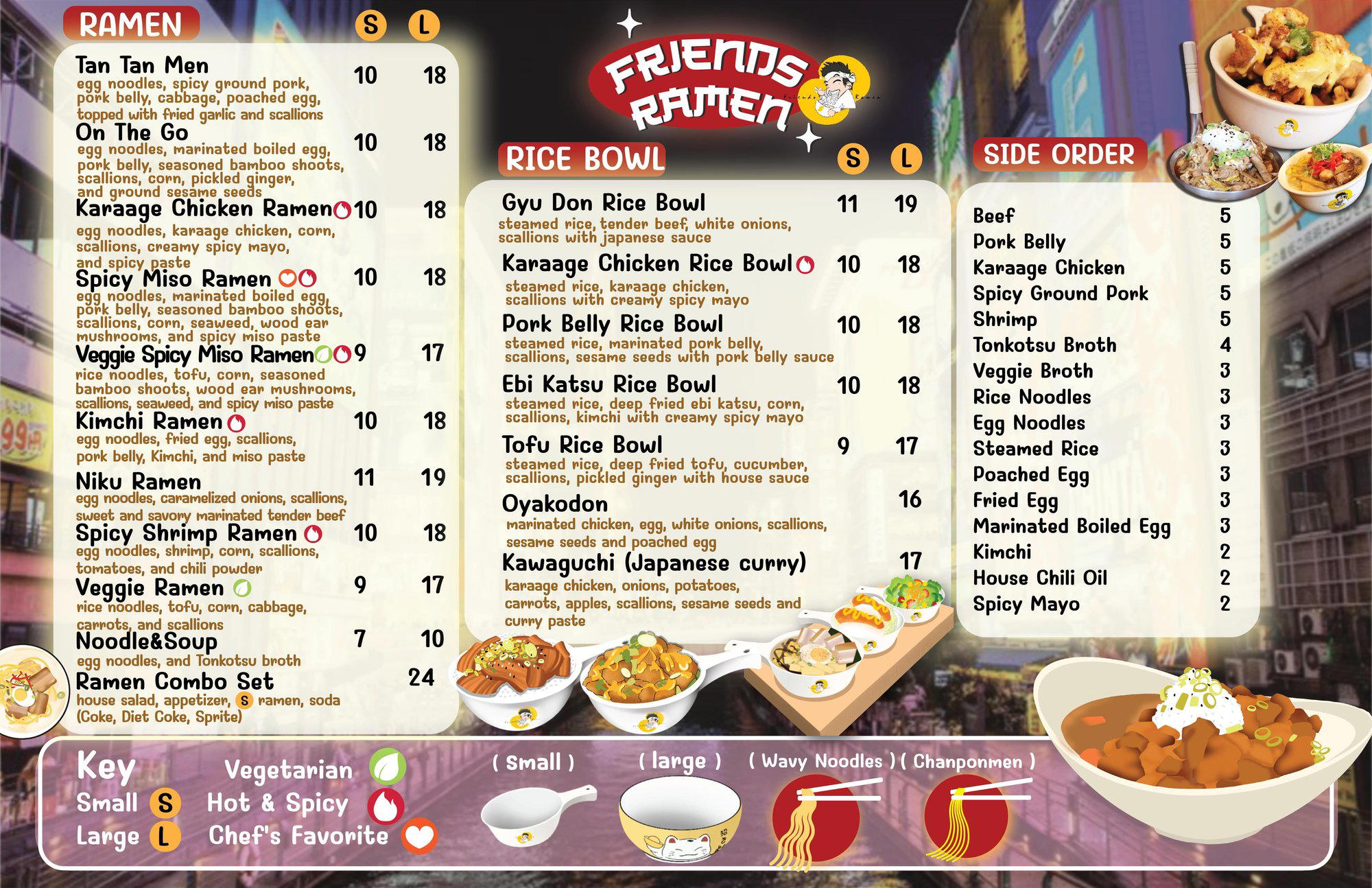
North State Street and the Ramen Moment in Chicago
The city's Japanese restaurant corridor never consolidated around a single neighborhood the way Chicago's Chinatown or Greektown did, which means ramen shops have dispersed across the map, each anchoring itself to a particular block's foot traffic rather than a culinary district's gravity. The address at 808 N State St places Friends Ramen in the Gold Coast, a stretch where the customer base skews residential and office-adjacent rather than destination-driven. That context matters when assessing what a ramen counter here is actually doing: it is feeding a neighborhood, not auditioning for a broader reputation.
Ramen in the United States has passed through several phases since the early 2010s boom. First came the tonkotsu wave, driven largely by Japanese chain exports. Then came the regional variation period, with shoyu, shio, and miso formats each finding advocates. The current phase in cities like Chicago is consolidation: the spots that survived the pandemic and the fast-casual ramen surge are now the ones with a clear identity and a loyal local base.
The Gold Coast Block: What the Location Signals
The Gold Coast sits north of the Magnificent Mile and west of Lake Shore Drive, a neighborhood defined less by a single dining identity than by density of residents with disposable income and limited patience for long commutes to dinner. Venues in this corridor tend to serve a specific function: reliable, accessible, and good enough to warrant a repeat visit without requiring a reservation made weeks in advance. That is a different competitive brief than the one faced by, say, Kasama in Ukrainian Village or Oriole in the West Loop, both of which operate in the destination-dining tier where Michelin recognition shapes the customer expectation before anyone walks through the door.
Chicago's most discussed restaurants in recent years have clustered in the West Loop and River North, with the city's progressive American scene anchored by venues like Alinea, Smyth, and Next Restaurant. Friends Ramen operates in a different register entirely: it is a neighborhood bowl shop on a block that needs one. For a certain kind of diner, that is exactly the point.
How Ramen Counters Evolve: The Broader Pattern
The evolution of ramen formats in American cities follows a recognizable arc. Early operations are often scrappy, menu-light, and focused on one or two broth styles. As the category matures locally, successful shops either specialize more aggressively (going deep on a single regional style), expand their menu laterally (adding rice dishes, gyoza programs, bar components), or reposition toward a more polished experience with adjusted price points. The shops that do not make a deliberate choice in one of these directions tend to occupy an ambiguous middle ground that makes them harder to recommend with precision.
Where Friends Ramen sits along that arc is best understood through its neighborhood counter format and casual positioning. What can be said is that the North State Street address has seen the broader market around it shift considerably. Chicagoans now have access to a wider range of ramen options than they did five years ago, which means any counter on this block is competing against a more educated customer base. That customer knows the difference between a broth built over eighteen hours and one assembled from concentrate, and they are increasingly willing to travel for the former. Holding a neighborhood audience in that environment requires either competitive pricing, reliable consistency, or both.
For context on how premium ramen and Japanese-adjacent dining has evolved nationally, it is worth noting that cities like New York have seen their own ramen hierarchies stratify, with counters at the summit tier pricing and operating closer to omakase formats. Chicago has not gone that far, but the directional pressure is similar. The casual-to-premium spread is widening, and where a given shop positions itself on that spectrum shapes everything from its sourcing decisions to its service model.
The comparable set: What You Give Up and What You Gain
Placing the restaurant in context against Chicago's broader dining map requires honesty about category distance. The venues most discussed in the city's national press cycle, including Alinea and Smyth, operate at price points and experiential registers that have no meaningful overlap with a neighborhood ramen counter. The more instructive comparison is against other accessible, cuisine-specific spots in Chicago that have built loyal local followings: Kasama in its casual daytime format, or the more accessible end of Chicago's Japanese restaurant scene. Nationally, the category comparison extends to ramen-adjacent casual dining in cities where the format has matured further, though Chicago's own scene has developed enough that most comparisons are now local.
It is also worth situating the restaurant against the national context of serious American restaurant cities. Venues like Le Bernardin in New York, The French Laundry in Napa, and Lazy Bear in San Francisco define one end of the American dining spectrum. What venues like Friends Ramen represent is the necessary other end: the everyday infrastructure of a city's food culture, the spots where people eat on a Tuesday without ceremony. Both ends matter, and a city's dining health depends on both functioning well.
Planning Your Visit
| Venue | Category | Price Tier | Booking |
|---|---|---|---|
| The restaurant | Ramen / Casual | Not confirmed | Not confirmed |
| Kasama | Filipino | $$$$ | Advance required (tasting menu) |
| Next Restaurant | American | $$$$ | Ticketed in advance |
| Smyth | Progressive American | $$$$ | Advance required |
| Alinea | Progressive American | $$$$ | Ticketed, months ahead |
Other reference points for serious dining across the country include Providence in Los Angeles, Addison in San Diego, Blue Hill at Stone Barns, Frasca Food and Wine in Boulder, Atomix in New York, SingleThread Farm in Healdsburg, The Inn at Little Washington, Emeril's in New Orleans, and Atelier Moessmer Norbert Niederkofler in Brunico.
Cuisine and Credentials
Comparable venues nearby, for context on price, style, and recognition.
| Venue | Cuisine | Price | Notes |
|---|---|---|---|
| Friends RamenThis venue — the venue you are viewing | Japanese Ramen Izakaya | $$ | Not listed |
| Ron of Japan | Teppanyaki Japanese Steakhouse | $$ | Near North Side |
| Sushi Hall | Modern Japanese Sushi | $$ | Lincoln Park |
| Kai Zan | Modern Japanese Omakase | $$ | West Town |
| Sushi Dokku | Modern Japanese Sushi | $$$ | West Loop |
| Nori Sushi Chicago | Neighborhood Japanese Sushi Bar | $$ | Lincoln Park |
At a Glance
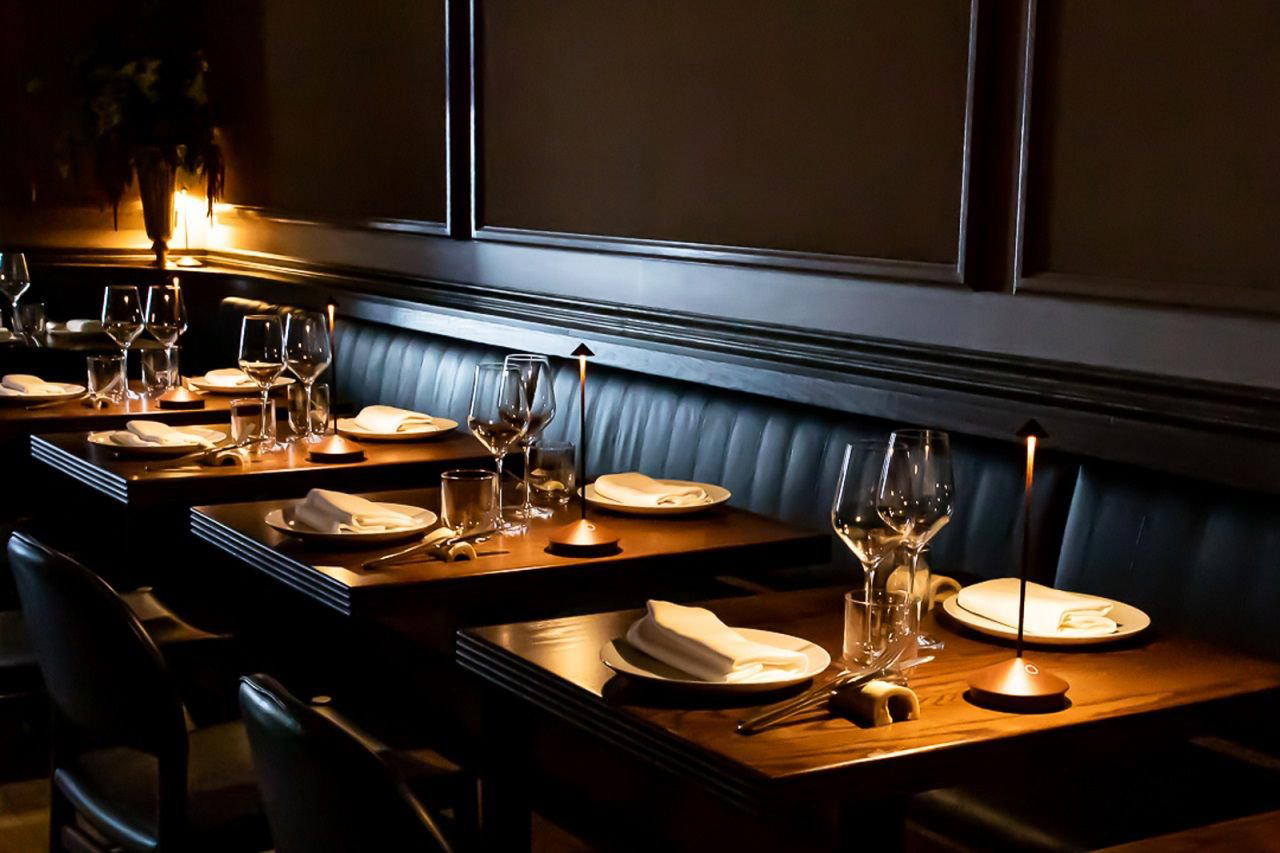
- Cozy
- Trendy
- Casual Hangout
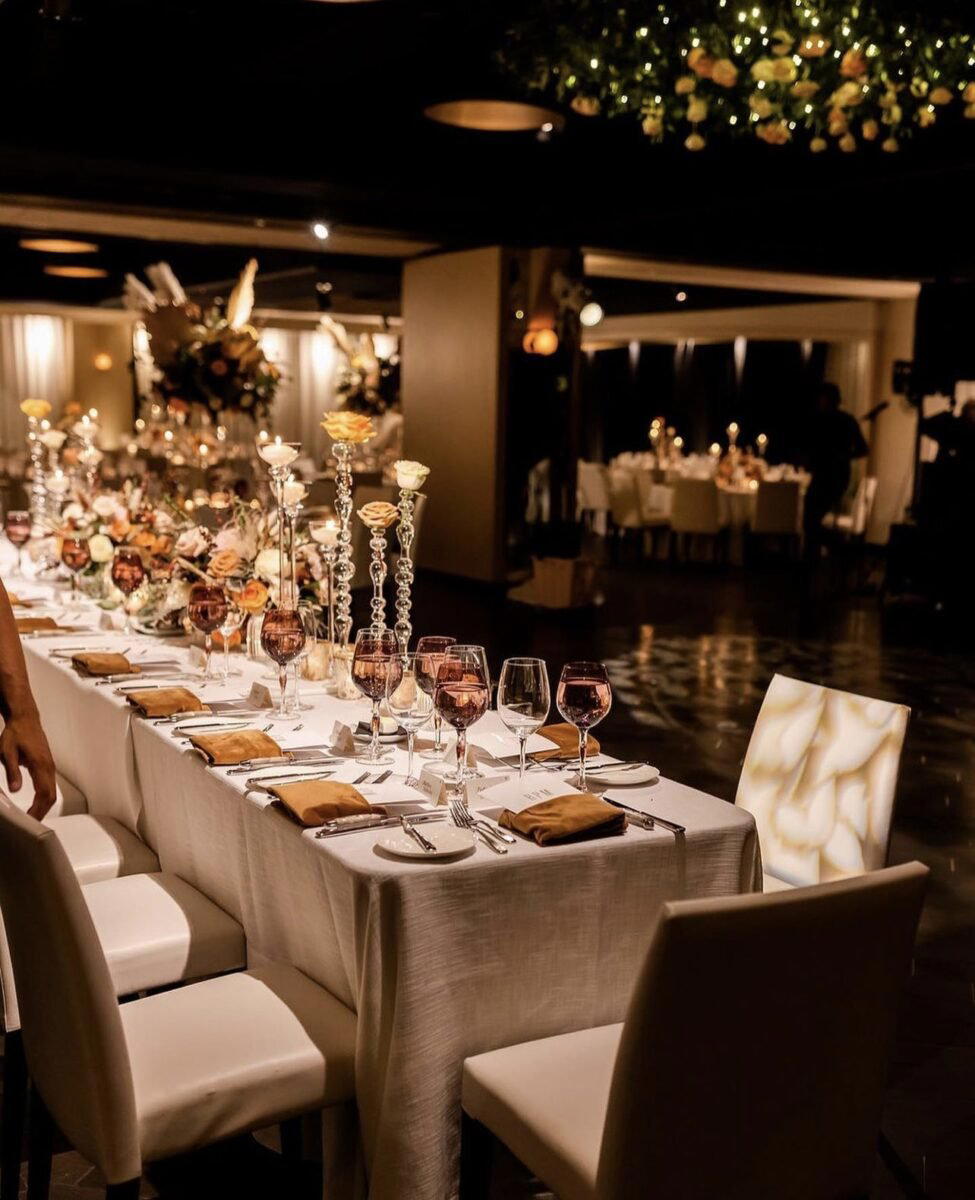
- Group Dining
- Sake Program
Current opening hours
- Monday
- 11:30 AM–10 PM
- Tuesday
- 11:30 AM–10 PM
- Wednesday
- 11:30 AM–10 PM
- Thursday
- 11:30 AM–10 PM
- Friday
- 11:30 AM–11 PM
- Saturday
- 11:30 AM–11 PM
- Sunday
- 11:30 AM–10 PM
Hours can change for holidays and private events. Last verified .
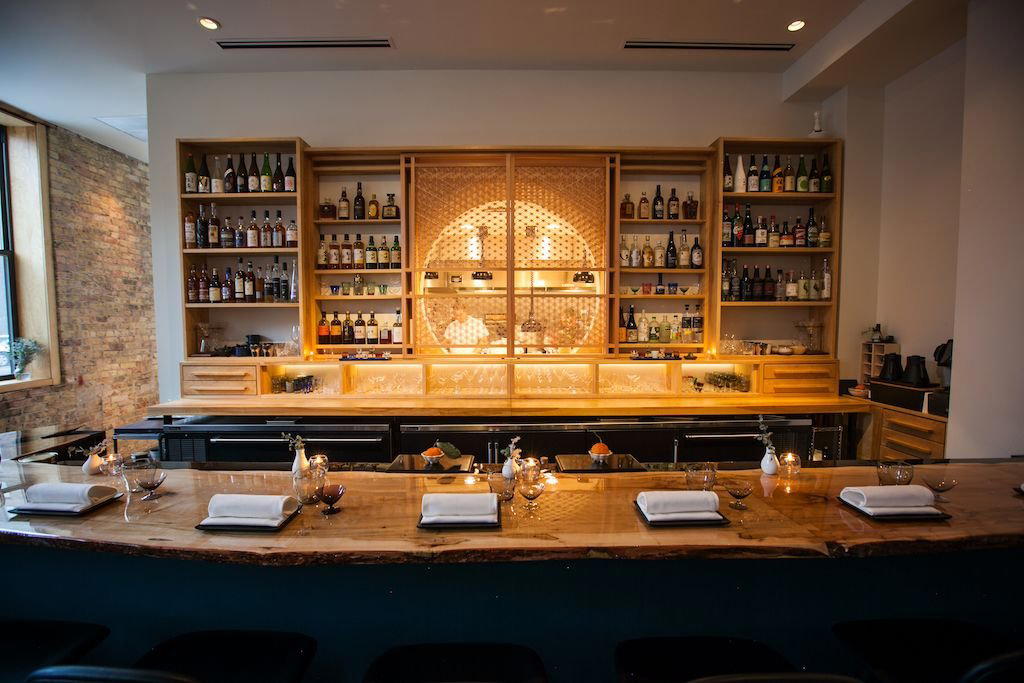
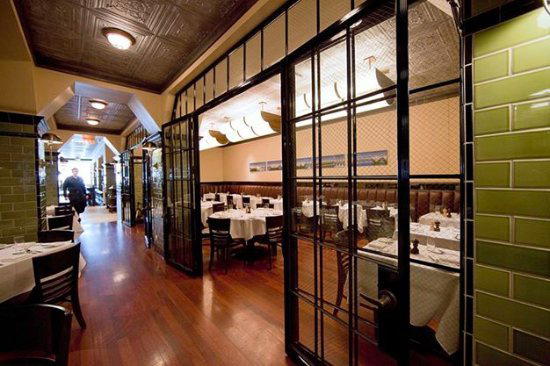
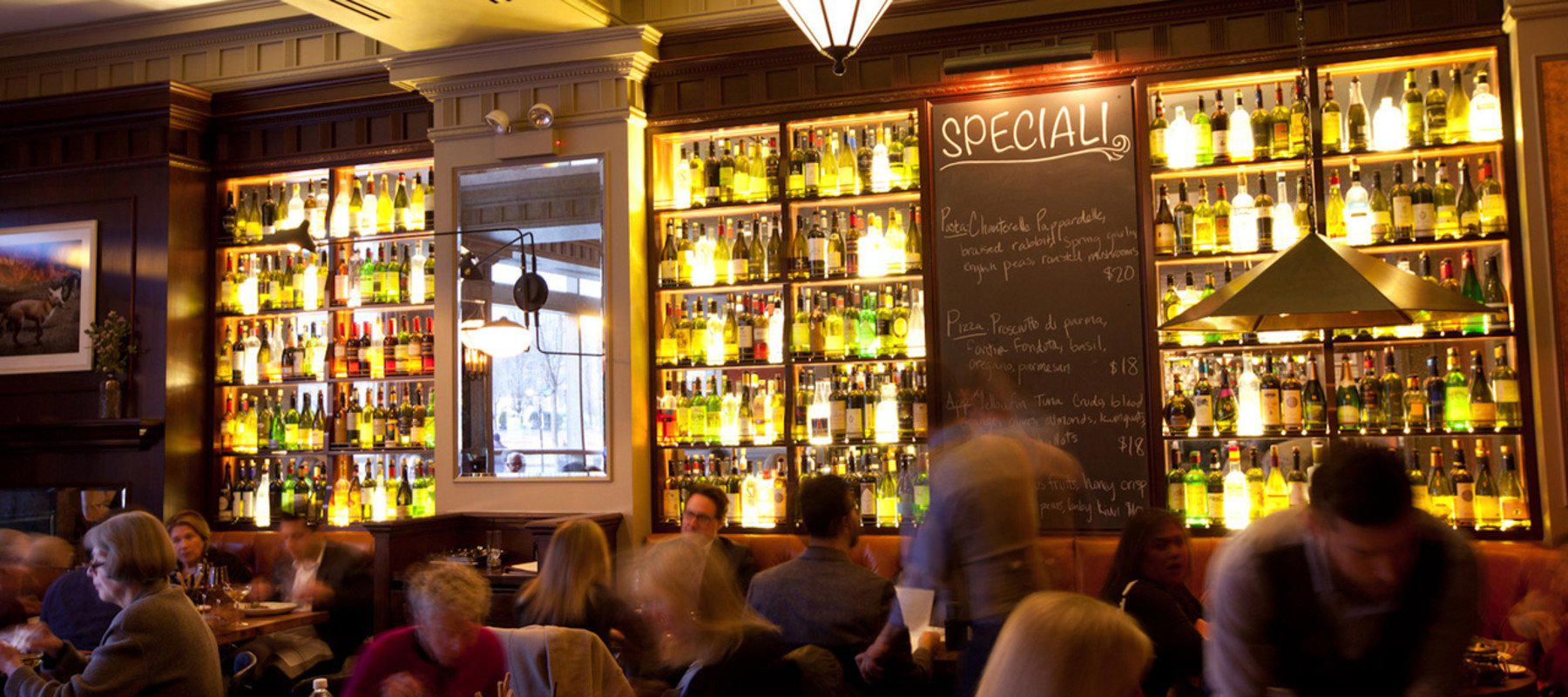
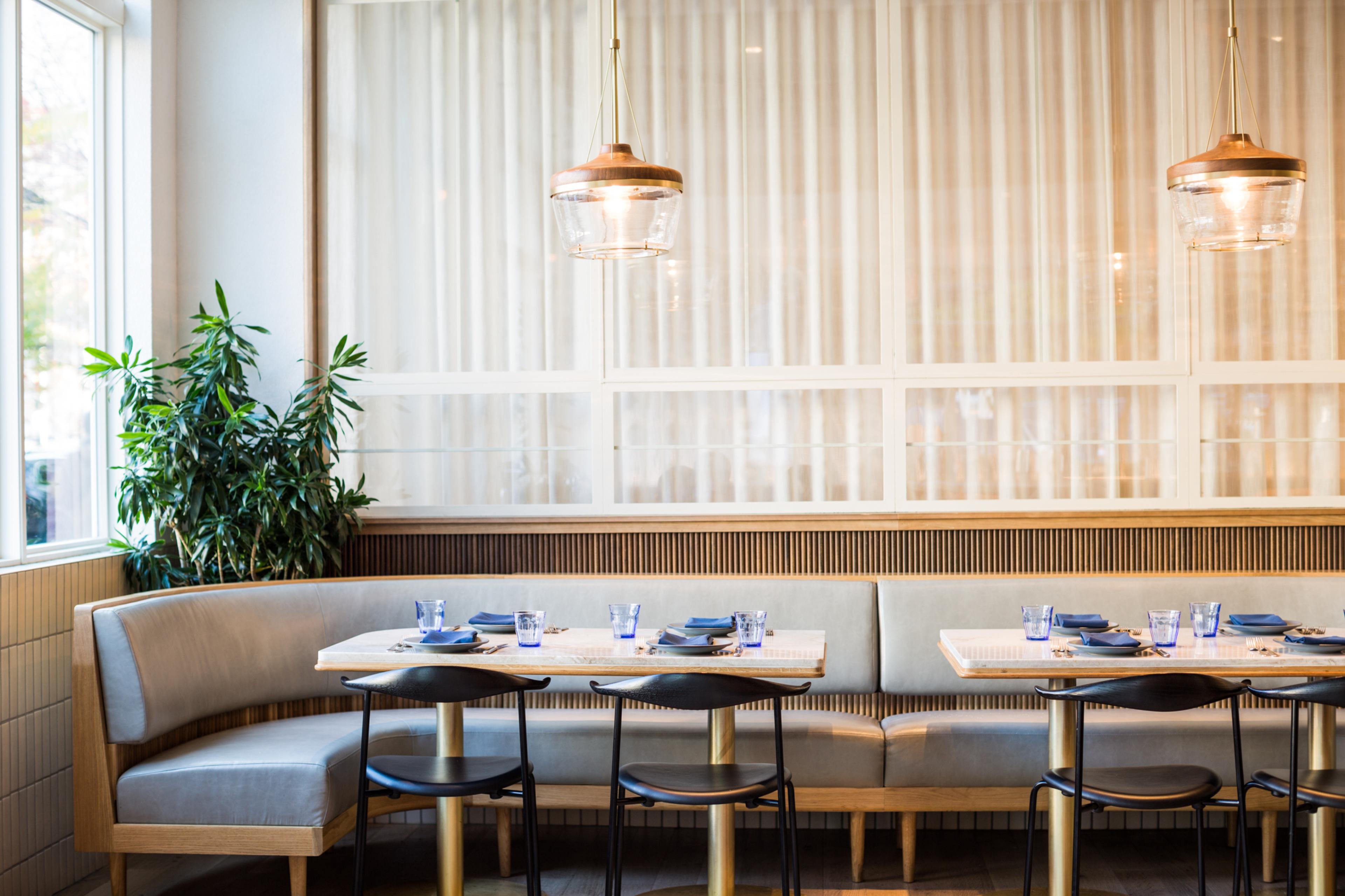
Cozy and inviting atmosphere with authentic Japanese izakaya style.