Nori Sushi Chicago
On Diversey Parkway in Lincoln Park, Nori Sushi Chicago operates within a Chicago neighbourhood where demand for serious Japanese cooking has grown steadily alongside the city's broader fine-dining expansion. The address at 954 W Diversey Pkwy places it outside the downtown sushi cluster, a positioning that draws a local rather than tourist-driven crowd. Expect a focused sushi format with the sourcing discipline that defines the better end of Chicago's Japanese dining tier.
Pearl is the En Primeur Club membership app — saves, bookings, and concierge access live there. Same editors, same standards.
- Address
- 954 W Diversey Pkwy, Chicago, IL 60614
- Phone
- +17739041000
- Website
- norichicago.com
- Directions
- Get directions
 Saves & bookings on Pearl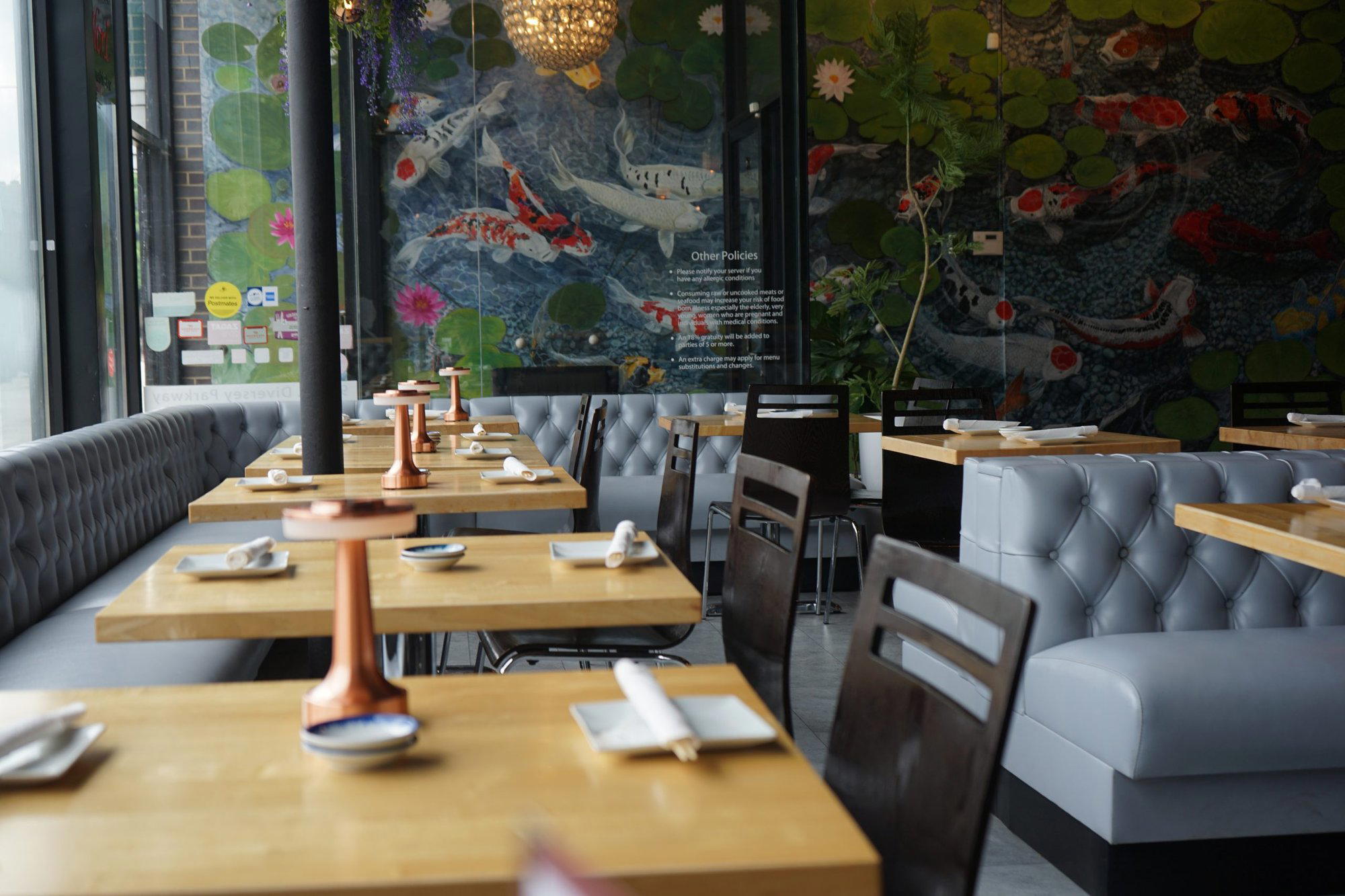
Lincoln Park and the Geography of Chicago Sushi
Chicago's sushi scene has never been geographically tidy. The city's most-discussed Japanese counters cluster in the River North and West Loop corridors, where expense-account traffic and proximity to hotel guests sustain high covers and high prices. Lincoln Park operates differently. The neighbourhood around Diversey Parkway draws a residential crowd with genuine eating habits rather than occasion-driven dining, and the sushi establishments that survive here do so on repeat local custom rather than first-time tourism. Nori Sushi Chicago, at 954 W Diversey Pkwy, sits squarely in that residential-loyalty tier. Alinea or the contemporary tasting-menu rooms at Smyth and Oriole.
Chicago does not sit near a fishing coast. Every bluefin loin, every live uni, every ikura that appears on a Chicago sushi menu has traveled, from Tokyo's Toyosu market via air freight, from the Gulf of Mexico by overnight carrier, from the Pacific Northwest by refrigerated truck. The sourcing chain is longer here than in Los Angeles, Seattle, or New York, which means the quality ceiling is also lower unless a restaurant is willing to pay the premium required to close that gap.
What the Ingredient Chain Tells You About the Format
The broader debate inside American sushi is whether omakase formats justify their sourcing claims or whether the multi-course, counter-only model is primarily a pricing mechanism. Le Bernardin, the sourcing conversation is public, specific, and verifiable. At neighbourhood sushi addresses, the sourcing story is quieter and the verification harder.
Restaurants like Kasama and Next Restaurant have raised the general expectation around ingredient provenance in the city, and that expectation has filtered into the Japanese dining segment as well.
For Nori Sushi Chicago, the practical questions are supplier relationships, purchase frequency, and how closely the menu tracks seasonal supply.
How Lincoln Park Compares to the Broader Chicago Dining Context
Chicago's international dining reputation spans many formats, and Lincoln Park includes both destination restaurants and neighborhood-frequency spots. The neighbourhood's dining range is wide precisely because Lincoln Park has enough residential wealth to support both destination formats and local-frequency operations.
Sushi specifically has become one of the formats where that range is most visible. At the upper end, omakase counters in Chicago now price at $150 to $300 per person before beverage, competing against New York benchmarks and drawing on the same import networks. At the neighbourhood level, sushi addresses price more modestly and serve a different function: regularity over occasion, familiarity over discovery. The comparable set for Nori Sushi Chicago is other Lincoln Park and Lakeview sushi addresses rather than the downtown omakase tier.
For readers comparing Chicago's fish-forward dining to other American cities, the reference points are instructive. Providence in Los Angeles demonstrates what a dedicated seafood sourcing program looks like at the highest American tier, while Single Thread Farm in Healdsburg shows how proximity to primary producers changes the ingredient conversation entirely. Chicago, without that proximity, relies on the quality of its import relationships and the willingness of individual kitchens to pay for the leading available fish in a given week rather than the consistent or the cheapest.
The Neighbourhood Visit: Practical Frame
Lincoln Park as a dining neighbourhood is most active in the early evening on weekdays and through the weekend lunch period. The Diversey Parkway corridor draws foot traffic from the park, the lakefront, and the residential density of the surrounding blocks. Sushi on this stretch serves a crowd that is walking distance from home more often than not, which shapes the pace and the format of the meal. A visitor arriving from downtown should expect a 20-minute ride on the Red Line to Fullerton or the Brown/Purple lines to Diversey, placing the venue comfortably within reach of the city's transit grid. For those consulting our full Chicago restaurants guide, the Lincoln Park cluster is worth treating as a separate dining excursion from the West Loop and River North corridors rather than a convenient add-on.
At the neighbourhood level in Chicago, the ceiling is set by the sourcing budget and the supplier relationships in place. What sits above that ceiling belongs to the omakase tier; what sits below it is product-focused sushi with efficiency as the primary operational logic.
Planning Your Visit
Address: 954 W Diversey Pkwy, Chicago, IL 60614. Neighbourhood: Lincoln Park. Reservations: Recommended. Dress: Casual. Budget: About $25 per person.
Cuisine Context
Comparable venues nearby, for context on price, style, and recognition.
| Venue | Cuisine | Price | Notes |
|---|---|---|---|
| Nori Sushi ChicagoThis venue — the venue you are viewing | Neighborhood Japanese Sushi Bar | $$ | Not listed |
| Ramen Wasabi - West Loop | Japanese Ramen | $$ | West Loop |
| Chicago Kalbi BBQ | Japanese Yakiniku BBQ | $$ | Albany Park |
| Ramen Wasabi | Authentic Japanese Ramen | $$ | Logan Square |
| Yusho | Japanese Yakitori Izakaya | $$ | Avondale |
| Rollapalooza | Contemporary Japanese Sushi | $$ | Lake View |
At a Glance
- Cozy
- Trendy
- Casual Hangout
- Sake Program
Current opening hours
- Monday
- 4–9:30 PM
- Tuesday
- 4–9:30 PM
- Wednesday
- 4–9:30 PM
- Thursday
- 4–10 PM
- Friday
- 12–10 PM
- Saturday
- 12–10 PM
- Sunday
- 12–9:30 PM
Hours can change for holidays and private events. Last verified .
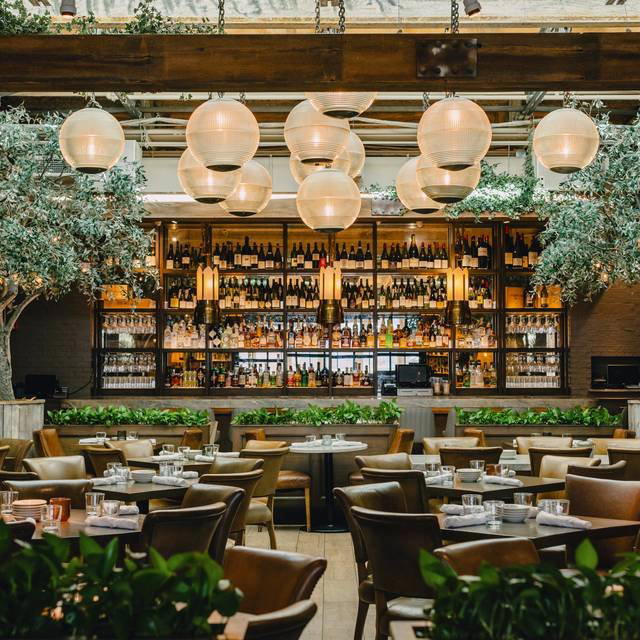
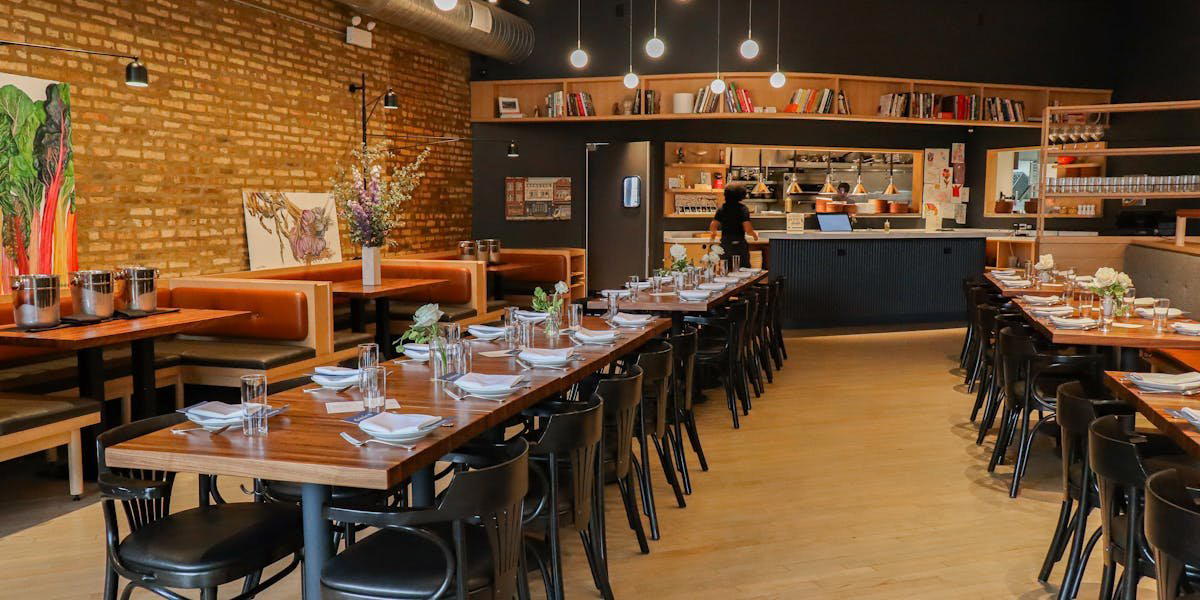
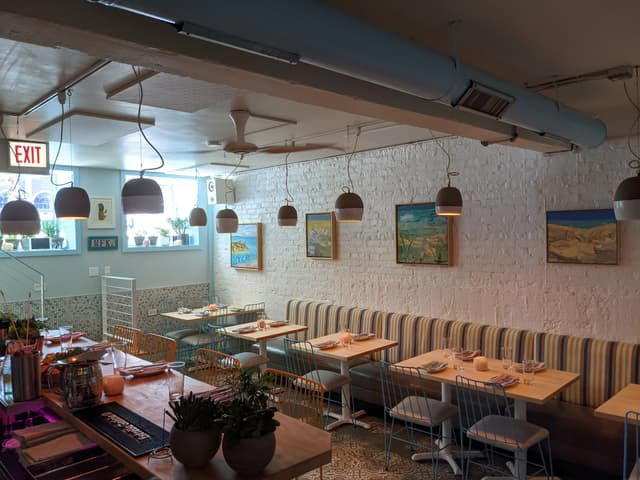
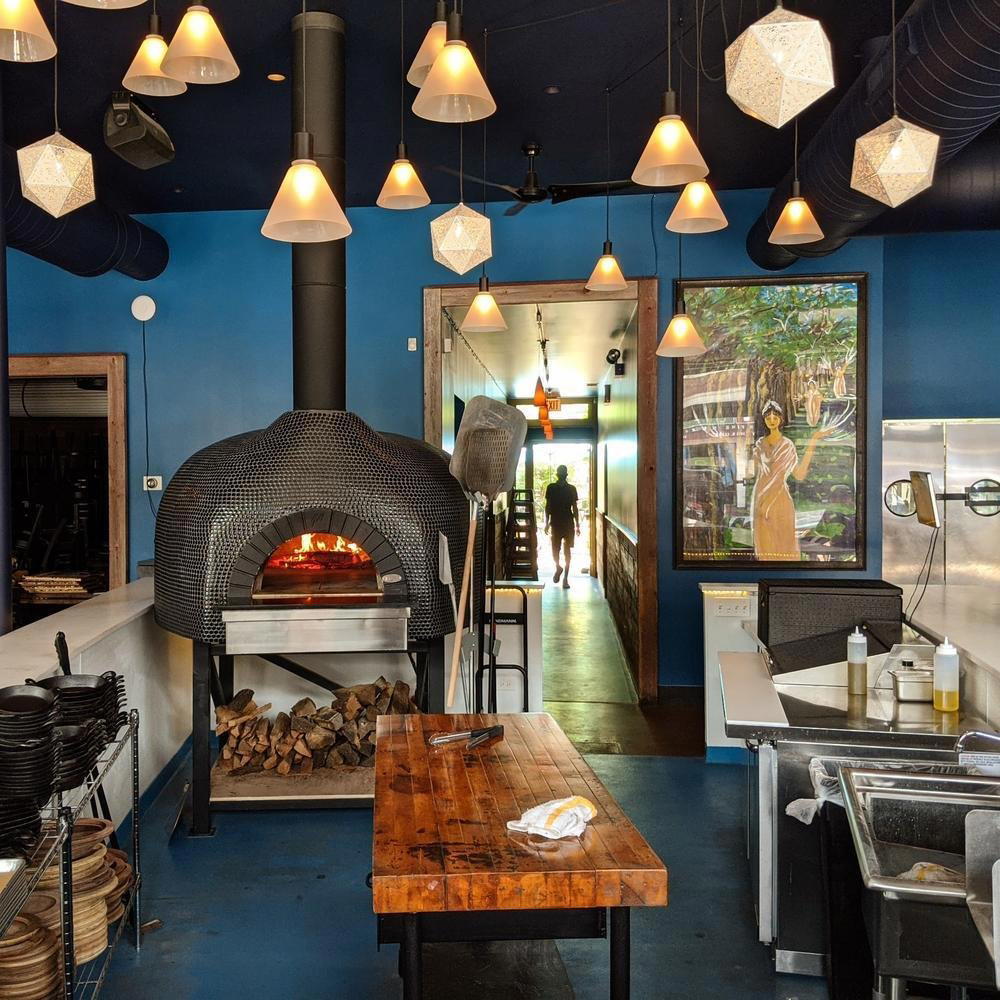
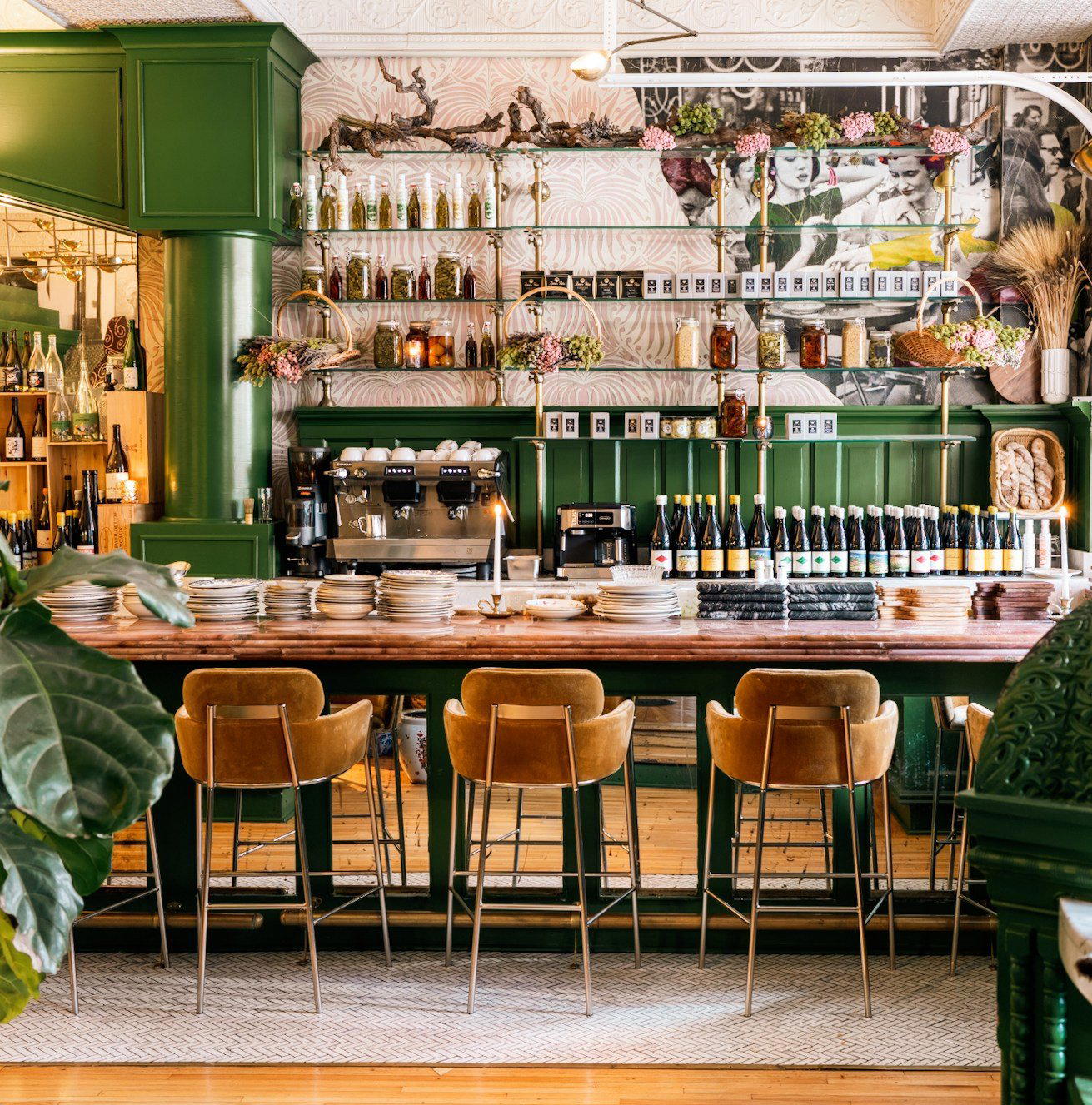
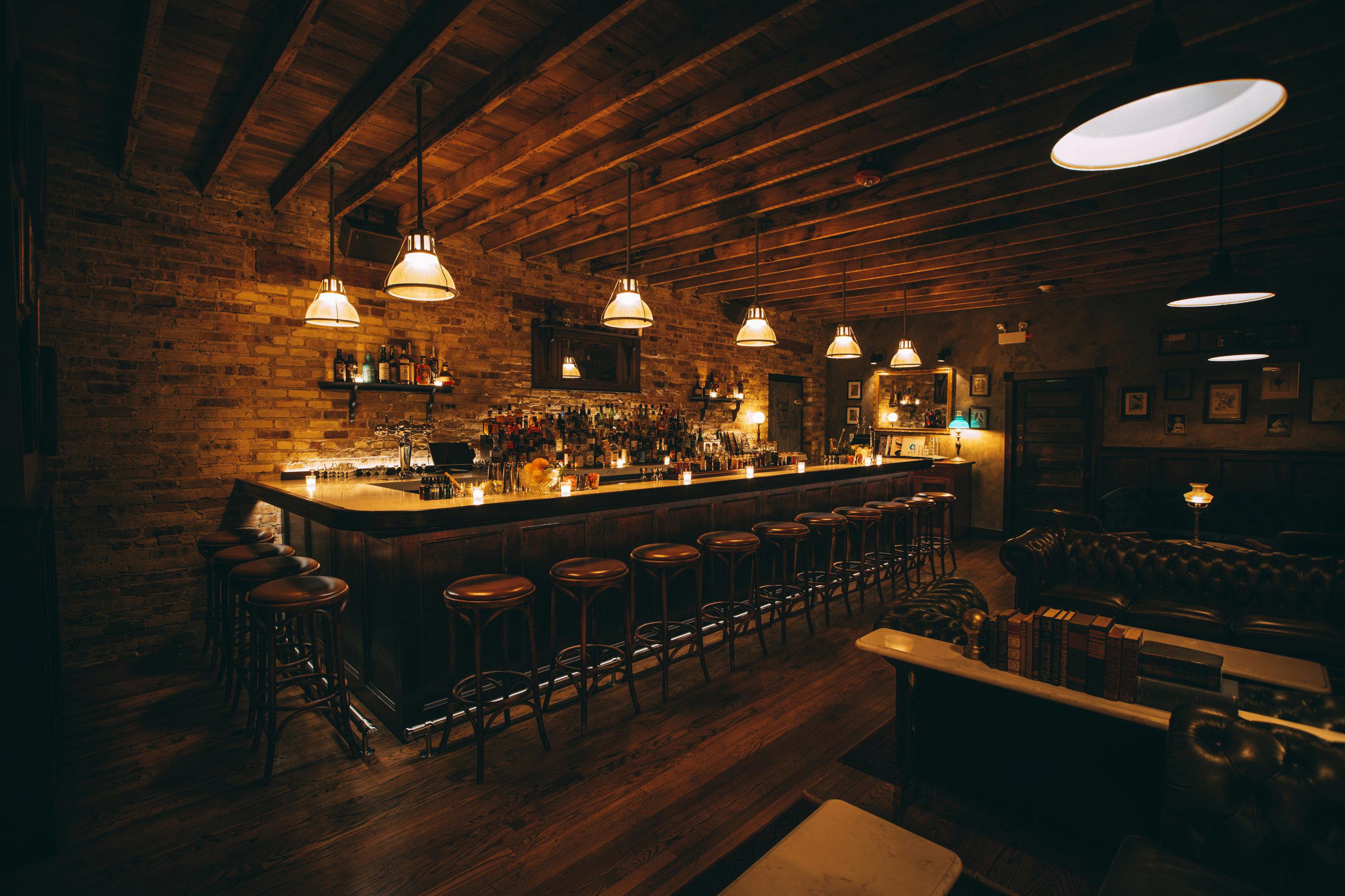
Casual and welcoming atmosphere in a small, neighborhood-oriented space with moderate noise levels.