Feld




1 Michelin Star · James Beard Award Best Chef: Great Lakes · Bon Appétit The 20 Best New Restaurants #11
Our verdict
A Michelin Plate-recognized tasting counter in Chicago's Ukrainian Village, Feld builds its 20-to-30-course menu around ingredients sourced within a four-hour radius, with dishes that cycle daily according to what's in season. The kitchen operates in the center of the room, in full view of the dining room, and a backyard fire pit extends the experience when weather allows. Recognized by both the Michelin Guide and Bon Appétit as one of America's best new restaurants.

Pearl is the En Primeur Club membership app — saves, bookings, and concierge access live there. Same editors, same standards.
- Address
- 2018 W Chicago Ave, Chicago, IL 60622
- Hours
- Mon–Tue ClosedWed–Thu 7–10 PMFri–Sat 5–11 PMSun Closed
- Website
- feldrestaurant.com
- Directions
- Get directions
- Booking
- Book on Tock
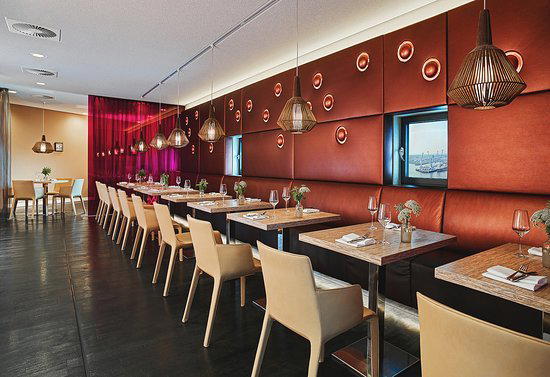
What a Farm-Radius Menu Looks Like at Full Stretch
There is a particular tension in Chicago's serious dining scene between ambition and restraint. At the $$$$ tier, the city's tasting-menu restaurants tend to resolve that tension in one of two ways: through technical maximalism, as at Alinea, where the plate is a conceptual statement, or through ingredient-led minimalism, where the menu's structure is determined by what arrived from the farm that morning. Feld, at 2018 W Chicago Ave in Ukrainian Village, belongs firmly to the second tradition — and it takes that tradition further than most Chicago restaurants operating at its price point.
The 20-to-30-course format changes nightly. That is not a marketing claim about freshness; it is a structural commitment with real consequences for the kitchen and for the guest. A dish built around asparagus one evening might arrive in three different preparations across the menu — raw with cured lemon emulsion, tempura-fried, and as a juice alongside fresh cheese, not as repetition, but as a study in what a single ingredient can do across textures and temperatures. This is menu architecture in a genuine sense: the ingredient is the organizing idea, and technique exists to reveal it from different angles. It is an approach with clear parallels at places like Single Thread Farm in Healdsburg and, at a different scale, The French Laundry in Napa, where sourcing relationships shape menu logic as much as any chef's aesthetic preference.
The Four-Hour Radius as a Design Constraint
Farm-to-table language has been so broadly applied across American dining that it has largely lost precision. What distinguishes Feld's approach is the specificity of its sourcing boundary: most products come from within a four-hour drive of Ukrainian Village. That radius covers a meaningful stretch of the Midwest, including Illinois, Wisconsin, Michigan, and Indiana farm country, but it also excludes a significant portion of what $$$$ tasting menus typically rely on, flown-in proteins, imported specialty items, out-of-season produce managed through controlled storage. The constraint is felt in the menu's seasonal depth rather than its breadth.
The presence of poached Maine halibut on a past menu is worth noting in this context. Maine sits outside any four-hour radius from Chicago, which suggests the sourcing commitment operates as a general principle with considered exceptions rather than an absolute rule. That is a more honest position than some farm-forward restaurants take, and it avoids the brittleness of a program that cannot adapt when local supply falls short. For comparison, Le Bernardin in New York City and Providence in Los Angeles both operate within sourcing philosophies that prioritize quality and relationship over geography, a model that allows for greater menu flexibility without abandoning the underlying commitment to supply-chain transparency.
Ukrainian Village as a Setting for This Kind of Restaurant
The West Town cluster, which includes Ukrainian Village and the adjacent Wicker Park and East Village neighborhoods, has become one of the more interesting zones for serious dining in Chicago precisely because it sits outside the downtown and River North circuits that host most of the city's high-profile restaurant openings. Rents run lower, spaces tend toward the intimate, and the neighborhood's residential character means a restaurant at this level draws guests who have sought it out rather than walked in from a hotel block.
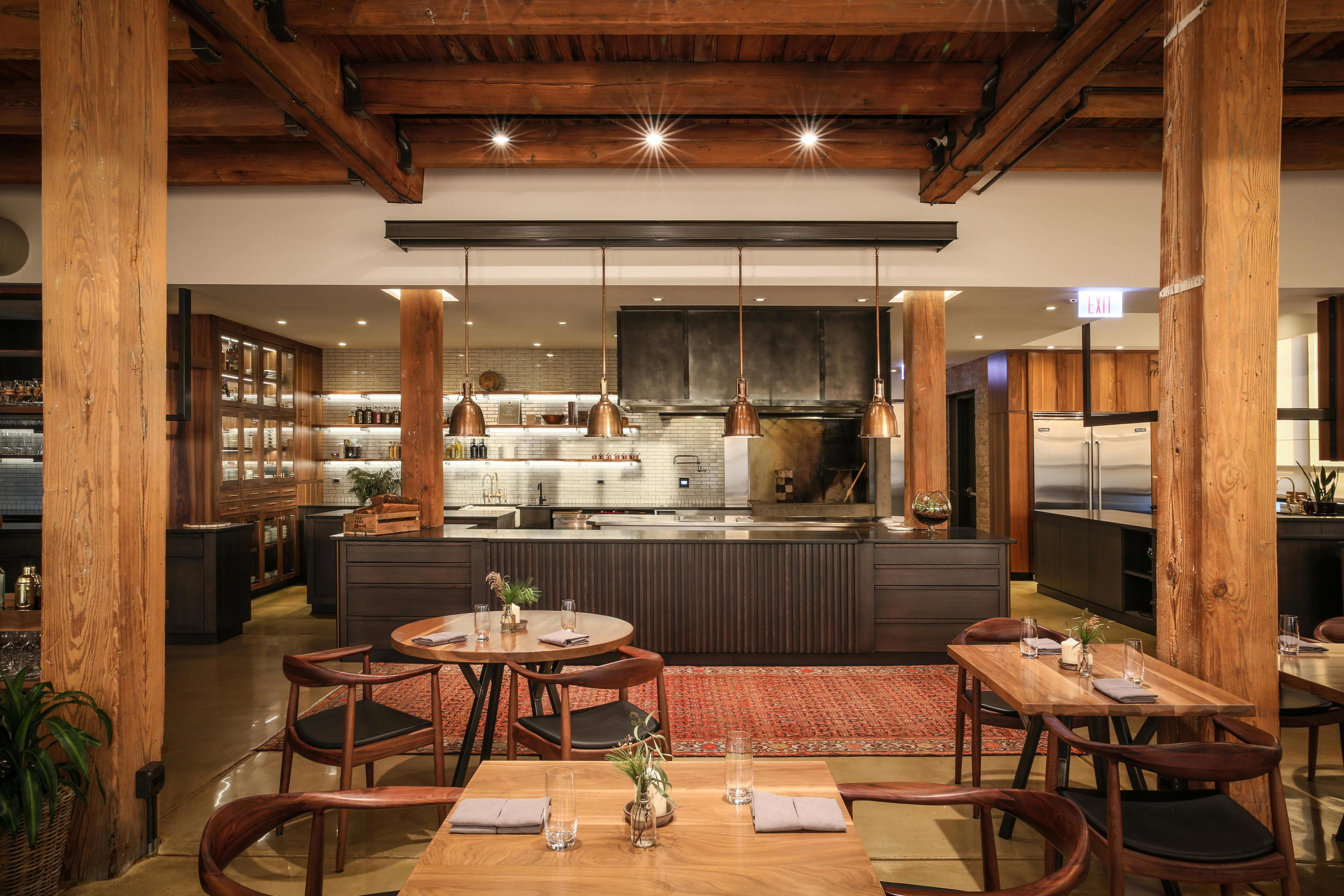
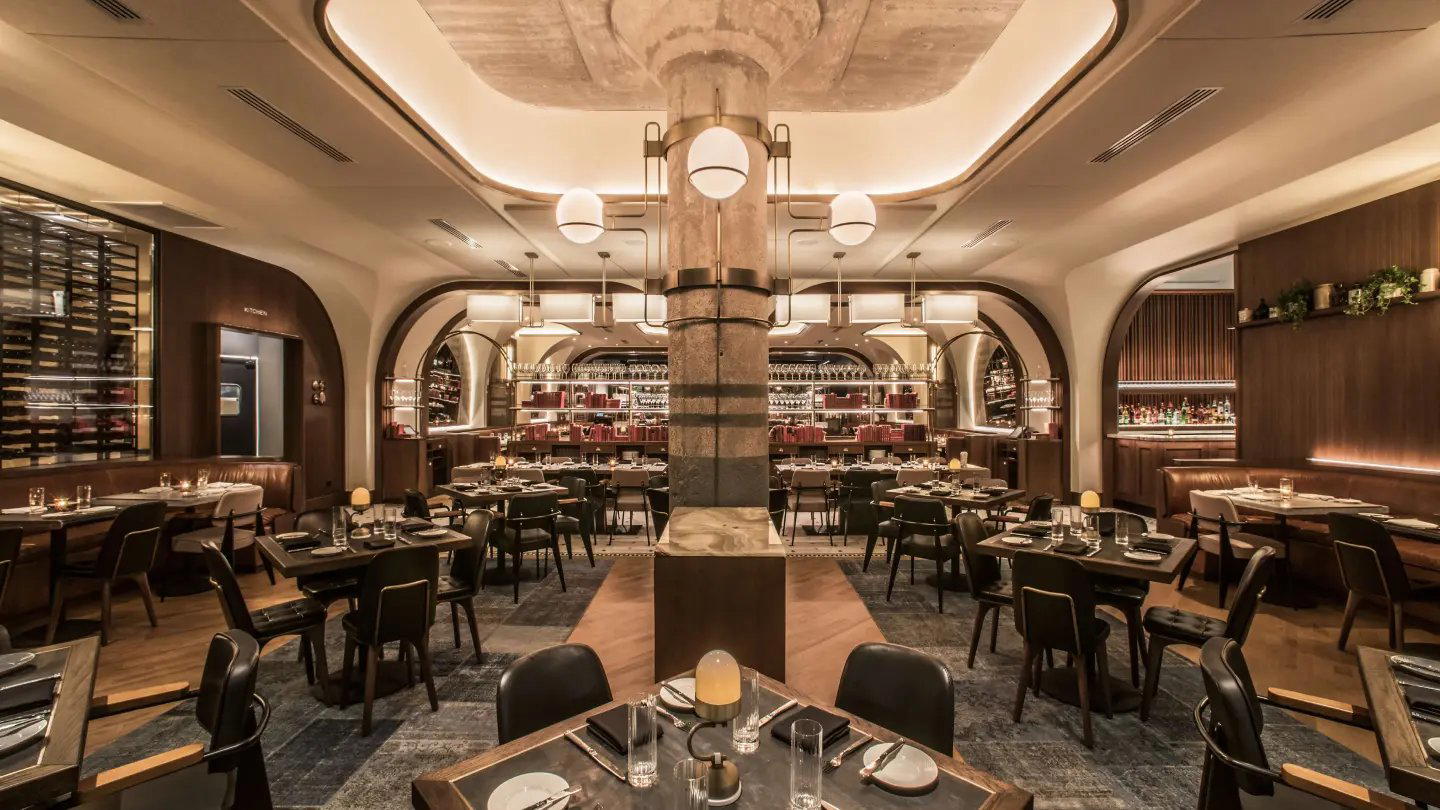
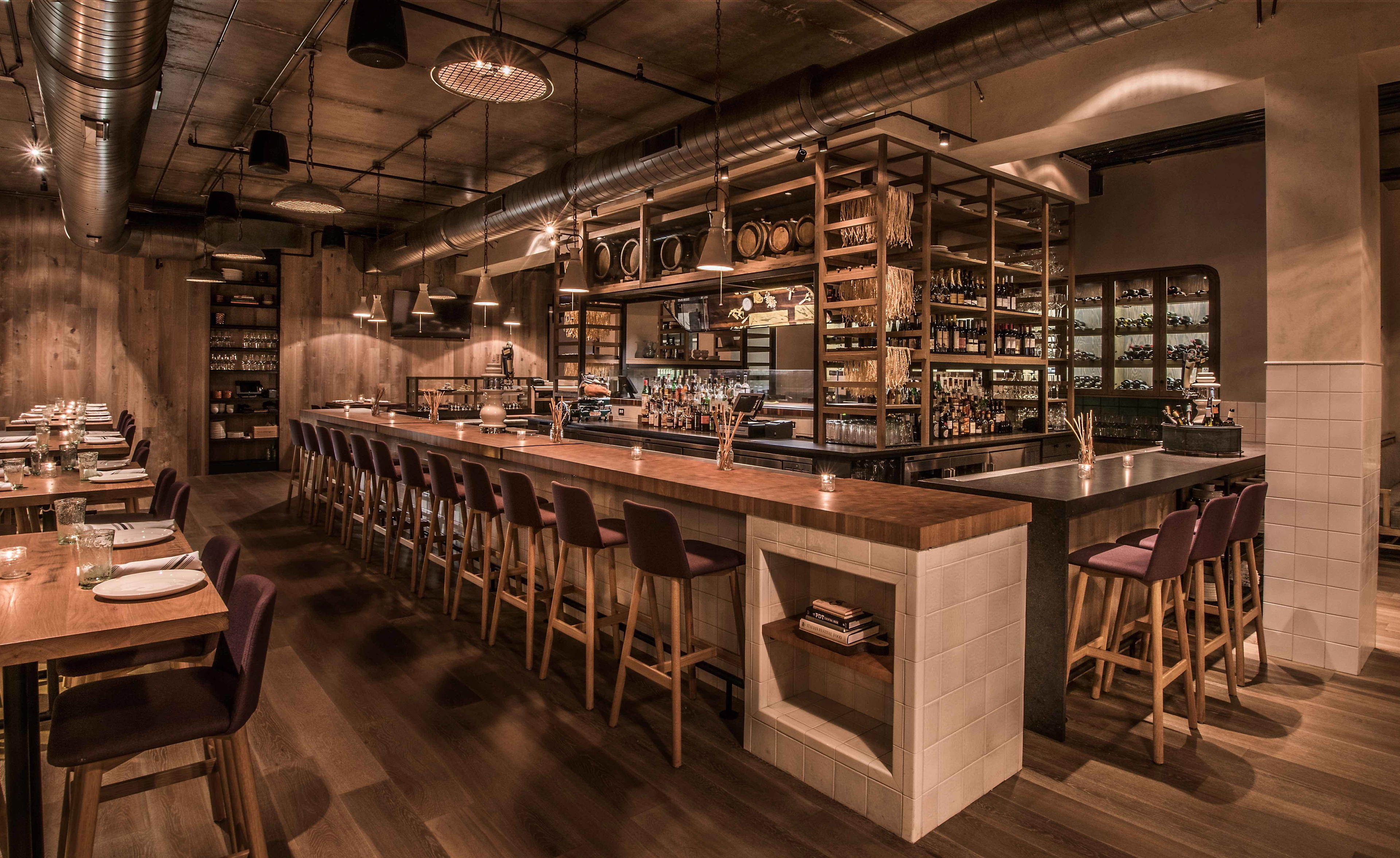
Feld's physical setup reinforces this dynamic. The kitchen occupies the center of the room, visible to everyone seated. This is a deliberate choice about transparency and theater: guests watch the team work, which means the pace and rhythm of the kitchen becomes part of the experience. The backyard fire pit, accessible when the weather cooperates, extends the evening into a more informal register, and the sour cherry trees growing there feed directly into the menu, closing the sourcing loop in the most literal possible way. Restaurants like North Pond have long made Chicago's relationship between environment and table a central design element; Feld applies a similar logic in a more compressed, garden-scale format.
For broader context on the Chicago dining scene, including the full range of options at the $$$$ tier, see our full Chicago restaurants guide.
Where Feld Sits in Chicago's Tasting-Menu Tier
The Michelin Plate designation Feld received in 2025 places it in a recognized tier without the starred classification that attaches to neighbors like Kasama, Boka, Esmé, or the two-starred Smyth. In practice, a Plate signals that Michelin inspectors found the cooking worth recommending but have not yet, or have chosen not to, assign stars. Combined with Bon Appétit's recognition as one of America's leading new restaurants, the picture is of a restaurant that has drawn serious critical attention across two credentialing systems in a short time. That dual recognition pattern, Michelin Plate plus editorial citation from a national outlet, is relatively rare at this stage of a restaurant's life and suggests the program is being watched closely.
Within Chicago's contemporary tasting-menu bracket, Feld's closest conceptual peers are restaurants that treat sourcing as a structural argument rather than a talking point. Moody Tongue applies a similar level of ingredient precision within a beer-pairing format, while Tied House and Pompette represent the lighter, bistro-adjacent end of Chicago's ingredient-focused dining. Further afield, the comparison set includes Lazy Bear in San Francisco, which similarly uses a communal, kitchen-visible format to make the cooking process part of the guest experience, and Emeril's in New Orleans, where Southern ingredient identity shapes the menu's character in comparable ways. For a sense of how ingredient-led contemporary menus operate across other cultural contexts, César in New York City and Jungsik in Seoul both sit in the contemporary tier with distinct sourcing philosophies worth understanding as comparators.
Explore the wider Chicago picture through our Chicago hotels guide, our Chicago bars guide, our Chicago wineries guide, and our Chicago experiences guide.
Know Before You Go
- Address: 2018 W Chicago Ave, Chicago, IL 60622 (Ukrainian Village / West Town)
- Price range: $$$$ (tasting menu format, 20–30 courses)
- Awards: Michelin Plate (2025); Bon Appétit recognition as one of America's leading new restaurants
- Sourcing: Most ingredients sourced within a four-hour radius of Chicago
- Menu format: Nightly changing; the same seasonal ingredient may appear across multiple preparations in a single sitting
- Outdoor seating: Backyard fire pit available, weather permitting; sour cherry trees on-site supply the menu
- Booking: Check the restaurant's current reservation channels directly; given the Michelin and national press recognition, lead time of several weeks is advisable
Frequently asked questions
Do I need a reservation for Feld?
Yes. At the $$$$ price tier with a format-specific tasting menu that changes nightly and dual recognition from both the Michelin Guide (Plate, 2025) and Bon Appétit as one of America's best new restaurants, walk-in availability is unlikely. Booking ahead is advisable, particularly for weekend seatings at 2018 W Chicago Ave in Ukrainian Village.
What's the defining dish or idea at Feld?
The defining idea is ingredient exhaustion as menu structure. Rather than a signature dish, Feld builds courses around a single seasonal product shown in multiple forms — raw, fermented, fried, juiced — across the same meal. The sourcing constraint (ingredients from within a four-hour radius of Chicago) functions as the creative framework, and the kitchen operates in the center of the dining room so the entire sequence is visible to guests.
Where It Fits
| Venue | Cuisine | Price | Awards | Notes |
|---|---|---|---|---|
| FeldThis venue — the venue you are viewing | Modern Tasting Menu | $200–300 | 1 Michelin Star · James Beard Award Best Chef: Great Lakes | Not listed |
| Alinea | Avant-Garde Molecular Gastronomy | $300–500 | 2 Michelin Stars · World's 50 Best #37 | Progressive American, Creative |
| Smyth | Modern American Tasting Menu | $200–300 | 3 Michelin Stars · World's 50 Best #1 | Progressive American, Contemporary |
| Kasama | Modern Filipino | $30–50 | 2 Michelin Stars · World's 50 Best #31 | Filipino |
| Next Restaurant | Avant-Garde Themed Tasting Menus | Not listed | 1 Michelin Star · We're Smart World 2 Radishes | American Cuisine |
| Boka | Modern American Seasonal Fine Dining | $150–200 | 1 Michelin Star · La Liste Top Restaurants | New American, Contemporary |
Recognition history
Dated appearances from independent guides and award organizations, with the underlying list record or original source where available.
Michelin 1 Star
Michelin
James Beard Award Best Chef: Great Lakes
James Beard Award
Opinionated About Dining Top Restaurants in North America Recommended
Opinionated About Dining
Bon Appétit The 20 Best New Restaurants #11
Bon Appétit
Full recognition history (7 entries)
James Beard Award Nominee
James Beard Award
James Beard Award Semi Finalist
James Beard Award
James Beard Award Semi Finalist
James Beard Award
Details
- Modern
- Intimate
- Minimalist
- Date Night
- Special Occasion
- Open Kitchen
- Chefs Counter
- Sommelier Led
- Farm To Table
- Local Sourcing
- Tasting Menu
Current opening hours
- Monday
- Closed
- Tuesday
- Closed
- Wednesday
- 7–10 PM
- Thursday
- 7–10 PM
- Friday
- 5–11 PM
- Saturday
- 5–11 PM
- Sunday
- Closed
Hours can change for holidays and private events. Last verified .
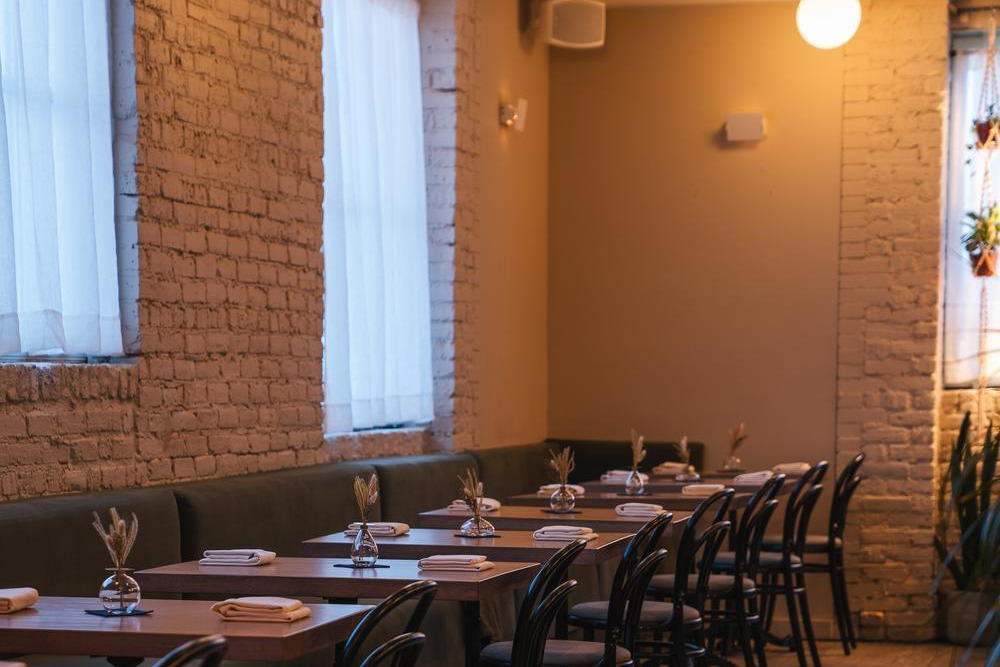
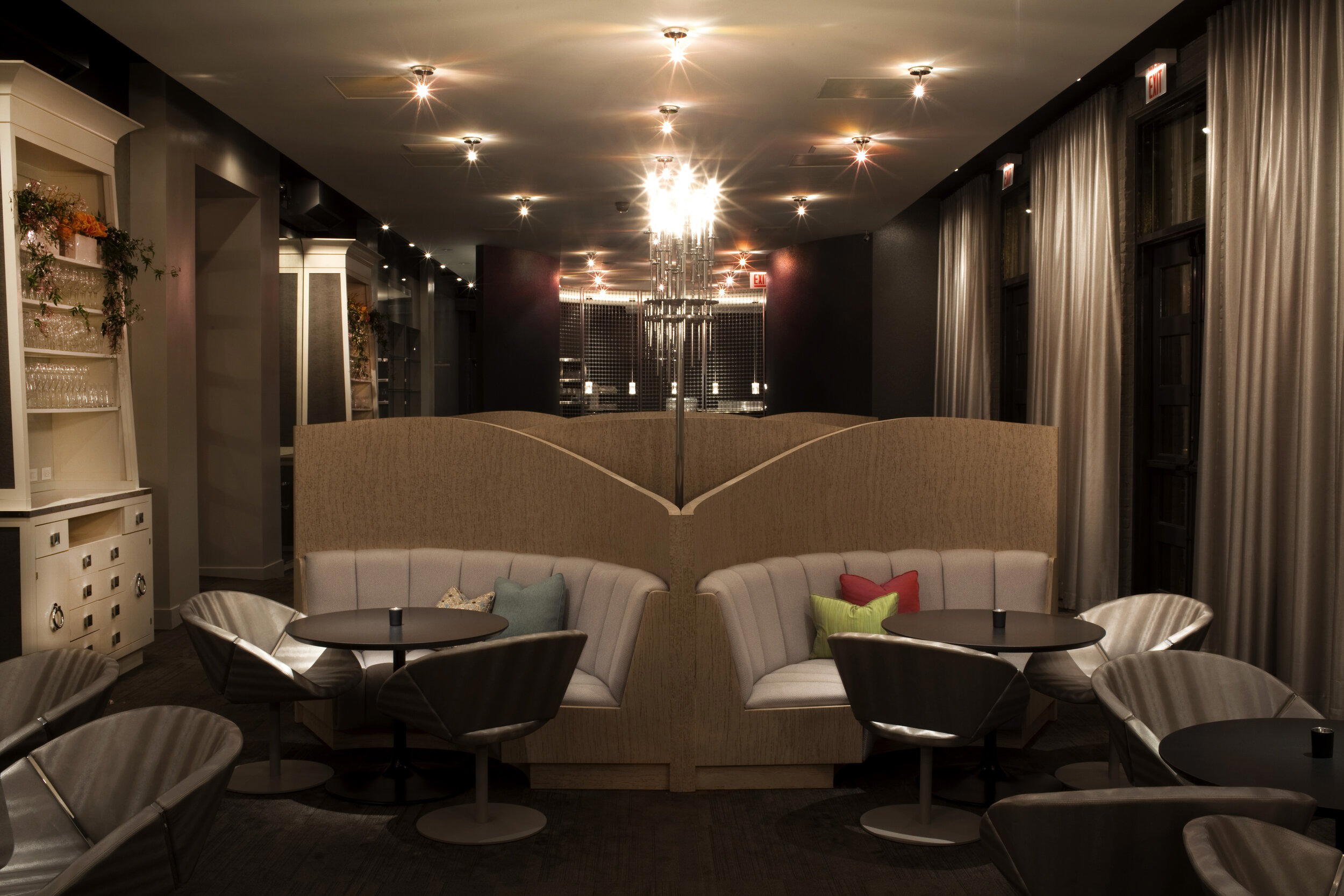
Warm atmosphere with comfortable velvet banquet seats facing the open kitchen where the chef plates each course.