
Michelin Plate
Our verdict
Radicì sits on Via Mirolte in Iseo with a Michelin Plate (2024, 2025). Three tasting menus cover lake fish, seasonal vegetables, and a more open creative format, with à la carte selection across all three. Price range is €€€, placing it in the serious mid-tier of Lombardy's contemporary Italian scene.

Pearl is the En Primeur Club membership app — saves, bookings, and concierge access live there. Same editors, same standards.
- Address
- Via Mirolte, 53, 25049 Iseo BS, Italy
- Phone
- +39 392 920 6145
- Hours
- Mon–Tue 7:30–10 PMWed ClosedThu–Fri 7:30–10 PMSat–Sun 12:30–2 PM, 7:30–10 PM
- Website
- radiciristoranteiseo.com
- Directions
- Get directions
- Booking
- Book on the venue's website
The menu
What to order
- Coregone
- Rose_cake
- Tagliolino
- Lake_fish_menu
Where the Lake Shapes What Lands on the Plate
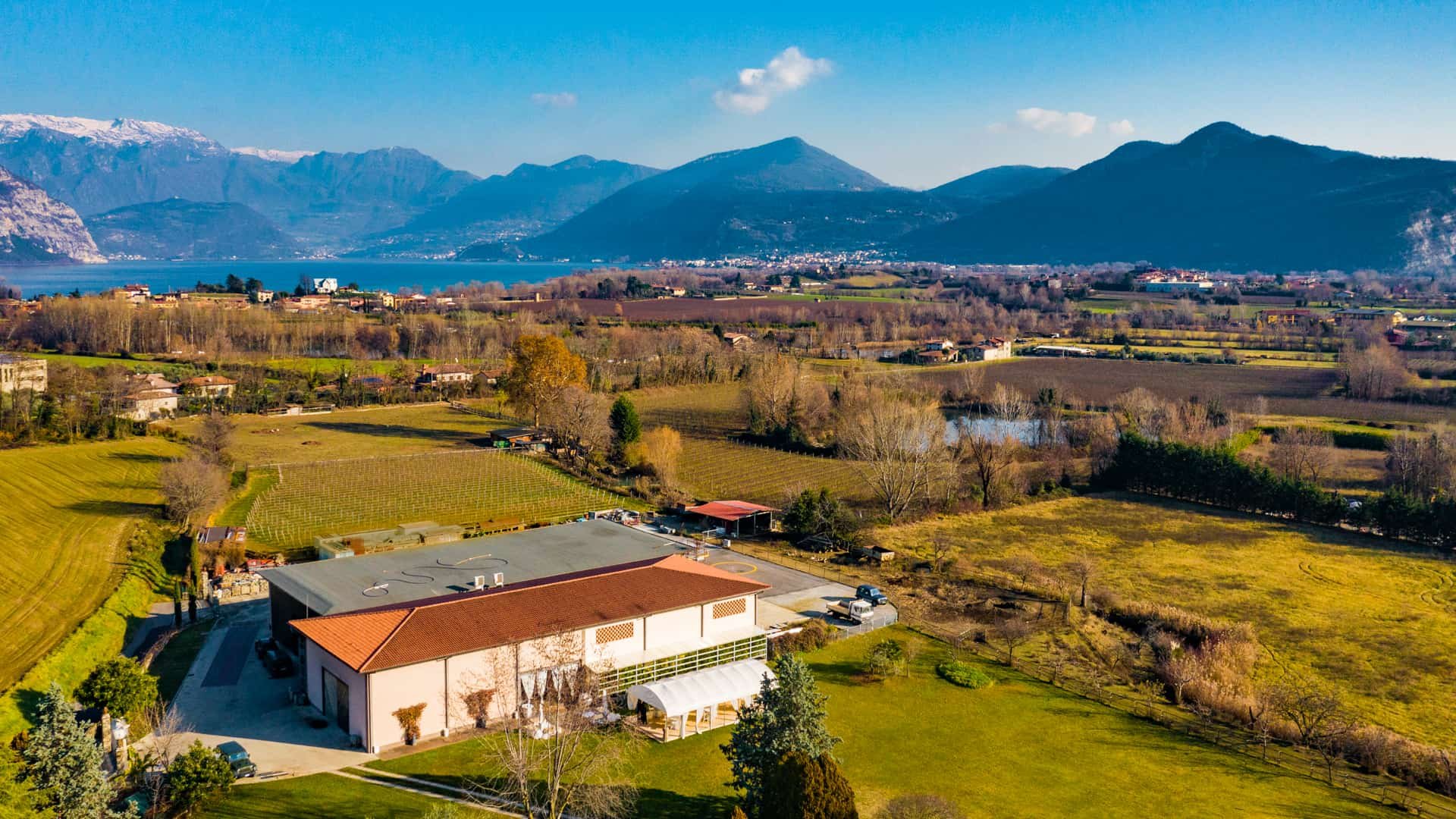
Lake Iseo sits in the shadow of its more famous Lombard neighbours, but the ingredient logic here is its own. The lake produces freshwater fish species — including the region's prized sardine di lago — that rarely travel far from the shoreline, and the hills above town yield vegetables through a growing season that runs longer than the Alps allow further north. Restaurants that take this seriously tend to be small, specific, and harder to stumble across than the lakeside trattorias that line the water's edge. Radicì, on Via Mirolte in the upper part of town, belongs to that quieter category.
The address rewards some navigation. Via Mirolte is away from the ferry terminal crowd, which means the room operates without the passing-trade pressure that shapes menus closer to the waterfront. That distance is, in effect, a filter: the guests who find their way here have usually made a deliberate choice, and the kitchen appears to cook accordingly.
Three Menus, One Discipline
The structure at Radicì reflects a particular strand of Italian contemporary cooking: not the single rigid tasting menu that forces every diner through the same sequence, but a format that acknowledges the different reasons people sit down to eat. Three menus run in parallel, one built around lake fish, one focused on seasonal vegetables, one tracking the kitchen's more experimental output, with the option to select individual courses across all three à la carte. It is a format that requires more from both the kitchen and the diner, but it avoids the increasingly common problem in tasting-menu restaurants where a single long sequence flattens individual preferences into compliance.
Vegetable menu deserves particular attention in the context of the editorial angle the name itself signals. In Italian, radici means roots, and the double meaning (geographic roots in Iseo, the root vegetables and plant-based ingredients that run through the cooking) is not incidental. Vegetable-forward tasting menus remain a minority offering in northern Italy's serious restaurant tier. At properties like Atelier Moessmer Norbert Niederkofler in Brunico, the emphasis on Alpine produce and seasonal restraint has attracted significant critical attention, but that approach still sits outside the mainstream of Lombardy's white-tablecloth dining. Radicì's full menu dedicated to seasonal vegetables places it in a small peer group regionally.
Complexity From Restraint
Michelin Guide's language around Radicì, describing the cooking as "complex, elaborate and surprising", is worth reading carefully. In Michelin's register, those adjectives point toward technical ambition rather than showmanship. The Michelin Plate, awarded in both 2024 and 2025, sits below the star threshold but above the generic listing level; it signals a kitchen producing food worth eating with attention, rather than simply food that is competent or comfortable.
Italian contemporary cooking at the serious level tends to split into two broad modes. The first takes the canon as its starting point and refines rather than reinvents: house-made pasta, long-cooked proteins, regional produce treated with precision. The second uses classical Italian technique as scaffolding for more disruptive ideas, where familiar ingredients appear in unfamiliar combinations or preparations. The Michelin description of "surprising" cuisine, combined with the fish and vegetable menu structure, suggests Radicì sits closer to the second mode. That places it in a different conversation from the formal classicism of, say, Dal Pescatore in Runate or Enoteca Pinchiorri in Florence, and closer in spirit to the produce-led ambition seen at Piazza Duomo in Alba or the regional focus of Reale in Castel di Sangro.
For context, the broader Italian contemporary tier in northern Italy, restaurants like Enrico Bartolini in Milan and Le Calandre in Rubano, operates at €€€€ price points with starred recognition. Radicì's €€€ positioning, paired with its Michelin Plate distinction, places it in the tier just below: serious kitchen ambition, without the cover-charge premium of the fully starred houses. That gap is where some of the most interesting eating in Italy currently happens, as kitchens with real technical capability operate at prices that still allow for spontaneous bookings. Comparable contemporary Italian expressions at this level include Agli Amici Rovinj in Rovinj and L'Olivo in Anacapri.
The Iseo Context
Iseo is a small town of around nine thousand residents on the western shore of its namesake lake, roughly equidistant between Brescia to the southwest and Bergamo to the northwest. The food culture here is quieter and less heavily mapped than on Lake Garda or Lake Como, which means the serious restaurants attract a mostly regional audience rather than an international one. That has a practical consequence for dining: the room tends toward Italian rather than multilingual service, and the menu logic tends toward what the season and the lake actually offer rather than what a tourist-driven kitchen assumes visitors want.
Lake Iseo's specific ingredient, the sardine di lago (a freshwater sardine endemic to the lake), appears in several forms across the region's cooking and would logically feature in the lake fish tasting menu. The Franciscan island of Monte Isola, visible from Iseo's waterfront, has historically been the centre of this fishing tradition. For a restaurant whose identity is rooted in local produce and place, that proximity is relevant context.
For visitors building an itinerary around serious eating in the area, the full Iseo restaurants guide covers the broader scene, including Izè Restaurant. The town also supports visits to bars, wineries, and local experiences worth building time around. For those arriving from outside the region, the Iseo hotels guide provides accommodation options at multiple price points.
Planning a Visit
Radicì is located at Via Mirolte 53, 25049 Iseo, in the Brescia province of Lombardy. The €€€ price range sits in line with the Michelin Plate tier across northern Italy, where three-course or tasting-menu meals typically run between €60 and €120 per person before wine. Given the three-menu format and the à la carte cross-selection option, the bill will vary significantly depending on how many courses are chosen. Checking directly with the restaurant before visiting is the practical step.
For readers tracking how Iseo fits into the broader map of Italian contemporary cooking, the reference points further afield, Osteria Francescana in Modena, Uliassi in Senigallia, Quattro Passi in Marina del Cantone, represent the starred tier. Radicì operates in a different register, but the Michelin Plate recognition in consecutive years (2024 and 2025) suggests a kitchen that is moving in a clear direction.
What Should I Eat at Radicì?
The vegetable-dedicated tasting menu is the most distinctive offering here and the one least likely to have a direct equivalent elsewhere on Lake Iseo. The lake fish menu draws on the regional fishing tradition, with the sardine di lago and other endemic species forming a natural spine. The more creative third menu allows the kitchen the most latitude. The à la carte cross-selection format means there is no obligation to commit to a single sequence, courses can be drawn from whichever menu leading matches what the season is producing. Given the Michelin Plate recognition across both 2024 and 2025, the kitchen's consistent output across all three menus appears to support that flexibility without a significant drop in quality between options.
Frequently asked questions
What kind of recognition has Radicì received?
Radicì has received recognition including: The name of this restaurant alludes both to the chef’s origins in Isea (“radici” translates as “roots”) and his passion for vegetables, which make a strong appearance in his dishes. He offers three tasting menus, one dedicated to fish from ….
What should I eat at Radicì?
The vegetable-dedicated tasting menu is the most distinctive option and the one least likely to have a direct equivalent elsewhere on Lake Iseo. Radicì also offers a lake fish menu and a more broadly creative menu, with the flexibility to order individual courses à la carte across all three. The Michelin Guide characterises the cooking as complex, elaborate, and surprising, so expect the vegetable dishes in particular to move well beyond simple produce-led cooking.
How much does it cost to eat at Radicì?
Pricing at Radicì is listed as €€€.
Price Lens
| Venue | Cuisine | Price | Awards | Notes |
|---|---|---|---|---|
| RadicìThis venue — the venue you are viewing | Modern Italian Lake Iseo Tasting Menus | $50–100 | Michelin Plate | Not listed |
| Atelier Moessmer Norbert Niederkofler | Italian, Creative | Not listed | Michelin 3 Star | Not listed |
| Dal Pescatore | Italian, Italian Contemporary | Not listed | Michelin 3 Star | Not listed |
| Enoteca Pinchiorri | Contemporary Italian Fine Dining | $200–300 | 3 Michelin Stars · World's 50 Best #32 | Italian - French, Italian Contemporary |
| Enrico Bartolini | Creative | Not listed | Michelin 3 Star | Not listed |
| Osteria Francescana | Avant-Garde Italian Contemporary | $300–500 | 3 Michelin Stars · World's 50 Best #1 | Progressive Italian, Creative |
Recognition history
Dated appearances from independent guides and award organizations, with the underlying list record or original source where available.
Michelin Plate
Michelin
Full recognition history (3 entries)
Michelin Plate
Michelin
Michelin Plate
Michelin
Continue exploring
More in Iseo
Restaurants in Iseo
Browse all →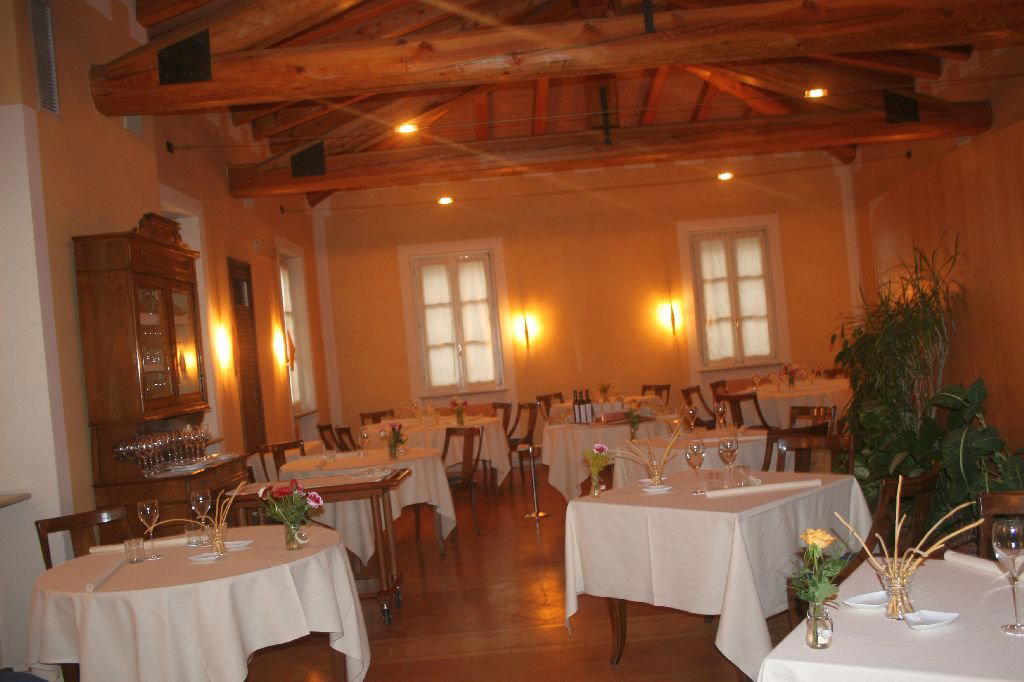
Bars in Iseo
Browse all →
Hotels in Iseo
Browse all →
Details
- Modern
- Elegant
- Intimate
- Cozy
- Rustic
- Date Night
- Special Occasion
- Courtyard
- Open Kitchen
- Extensive Wine List
- Local Sourcing
- Garden
- Tasting Menu
- Vegetarian Friendly
Current opening hours
- Monday
- 7:30–10 PM
- Tuesday
- 7:30–10 PM
- Wednesday
- Closed
- Thursday
- 7:30–10 PM
- Friday
- 7:30–10 PM
- Saturday
- 12:30–2 PM, 7:30–10 PM
- Sunday
- 12:30–2 PM, 7:30–10 PM
Hours can change for holidays and private events. Last verified .
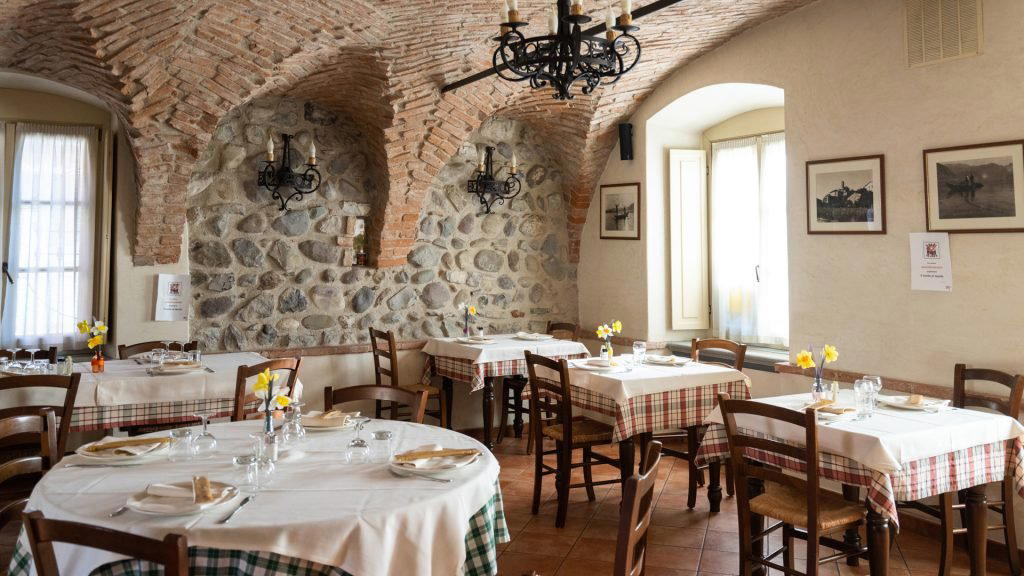
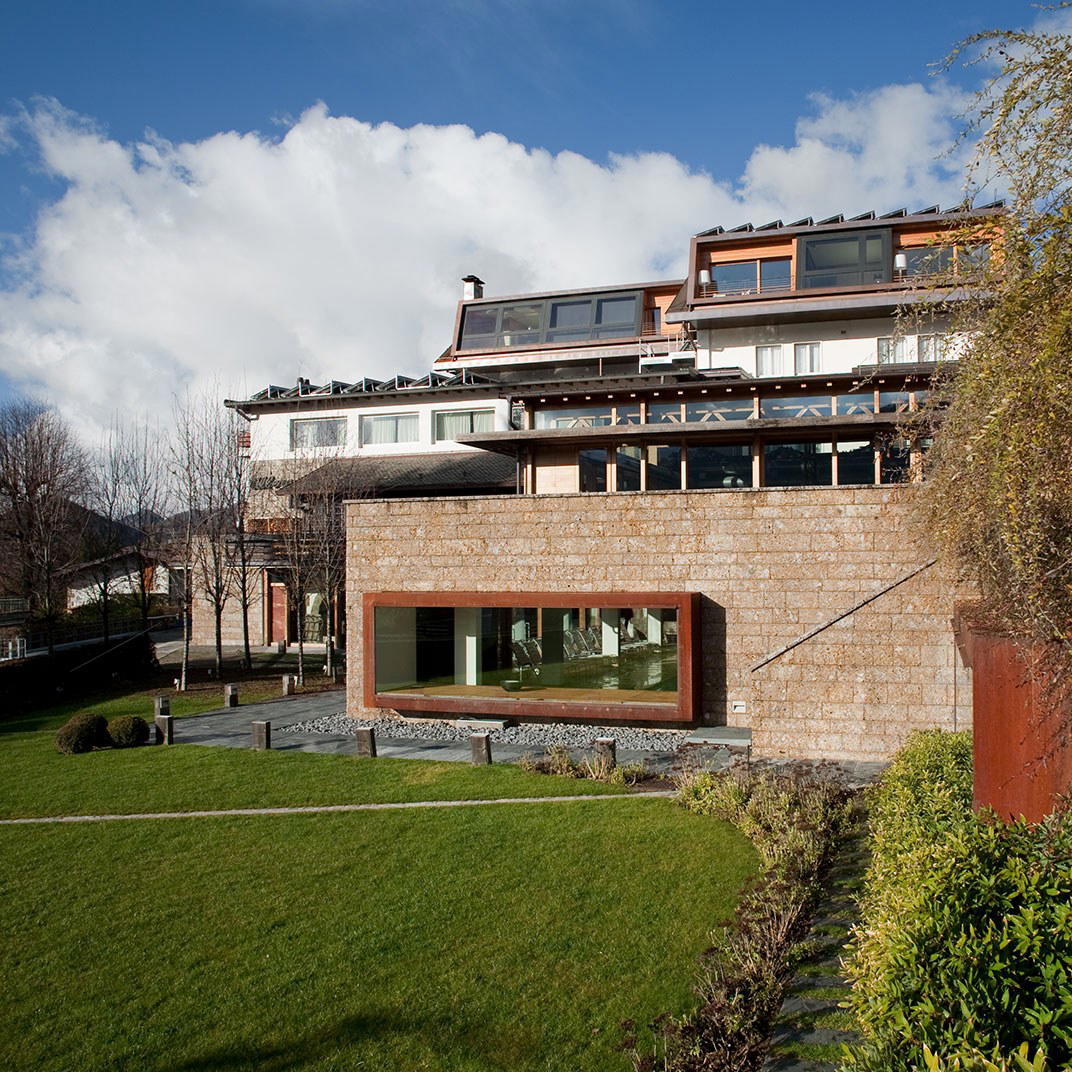
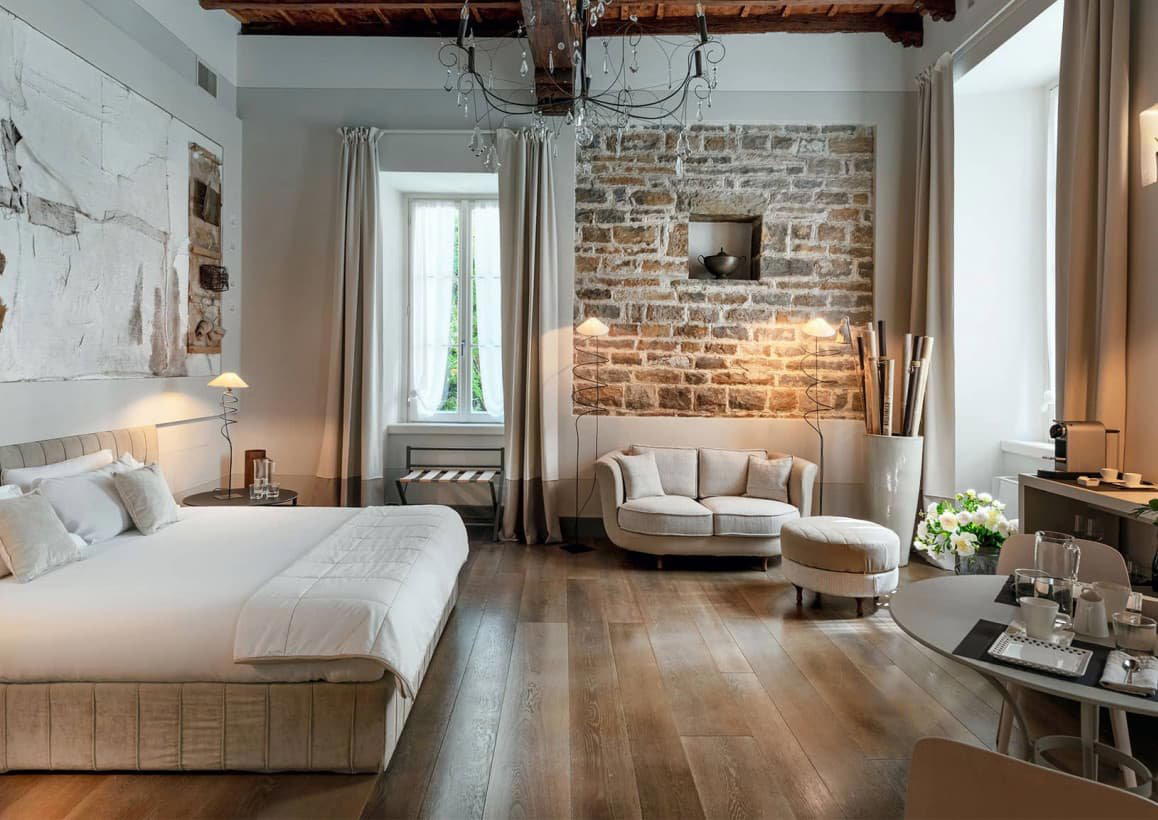
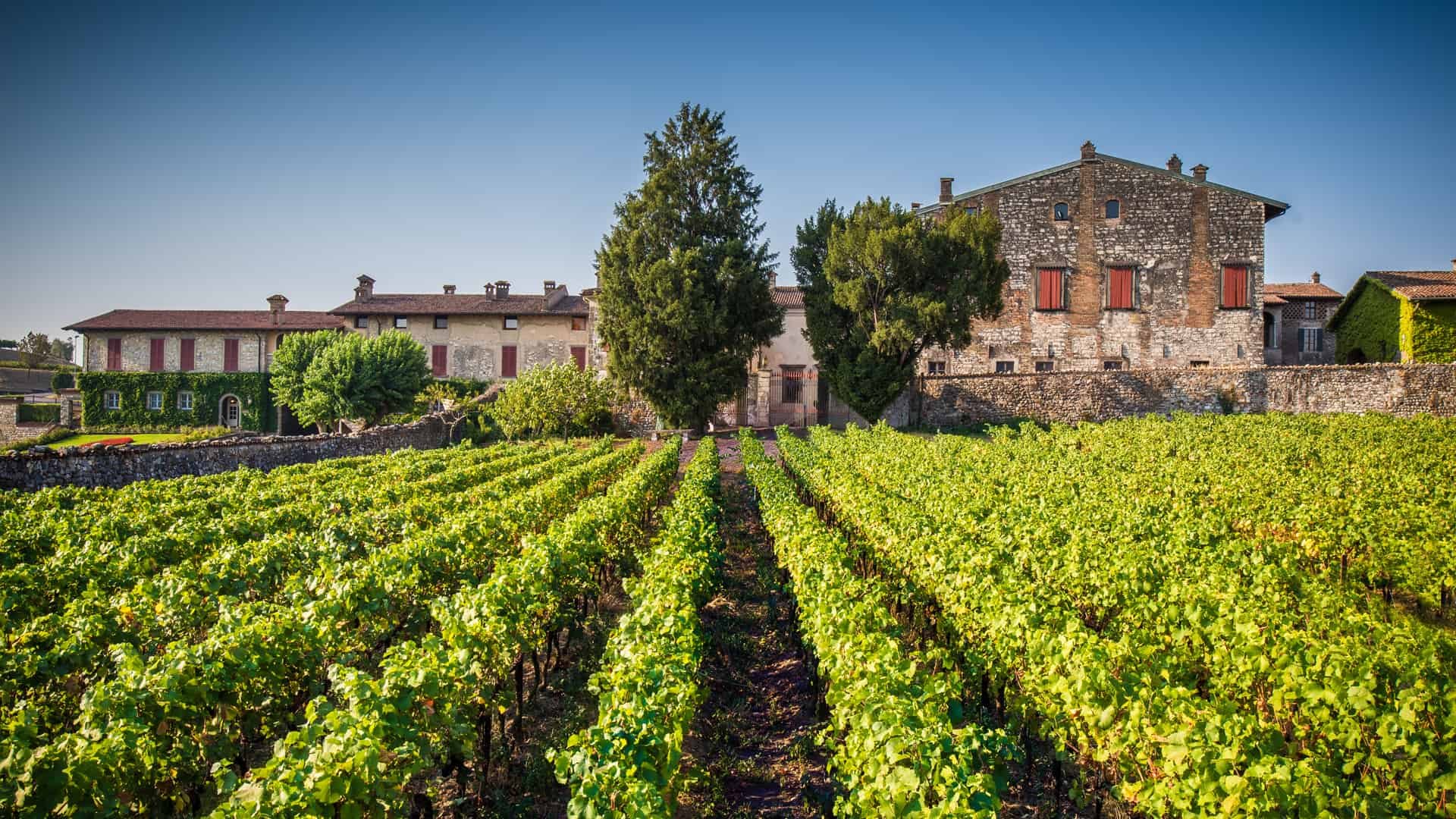
Modern yet cozy and intimate atmosphere in a converted ancient courtyard with relaxing lighting, mellow music, well-spaced tables, and an open kitchen view.