The Sourcing Logic Behind Lake Cooking
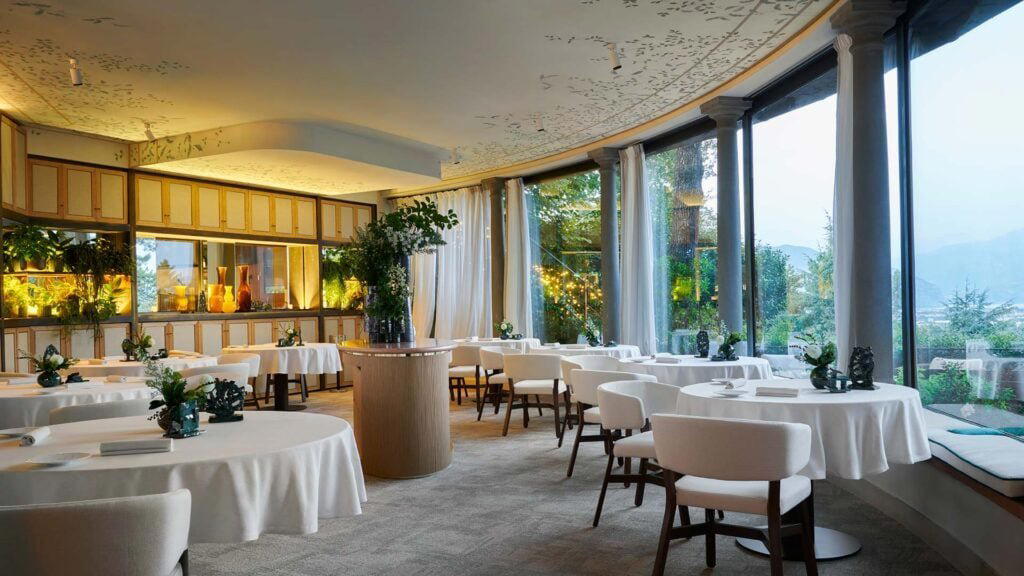
What distinguishes lake cuisine in Lombardy is proximity compressed into a short supply chain. Lake Iseo's fishing community has historically been small and local, which means the gap between catch and kitchen is measured in hours rather than days. That immediacy shapes what a kitchen can do: preparations stay closer to the ingredient, curing and smoking techniques that preserve freshwater fish through winter persist alongside fresher, more delicate treatments suited to warmer months. The terrace at Izè, open to direct lake views, is not incidental, it is a reminder that the water producing the ingredients is visible from the table.
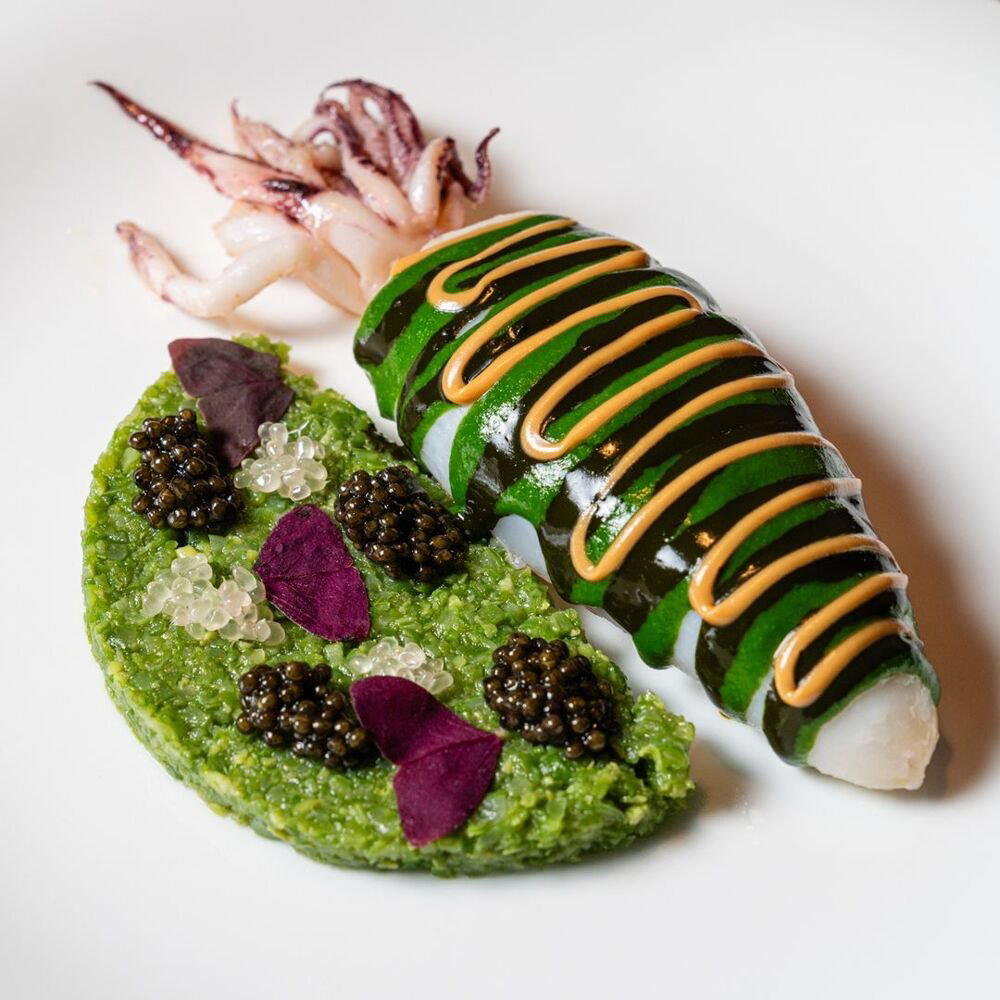
Chef Carlo Spina brings a southern Italian perspective to this northern tradition. Originally from Naples, Spina trained within a culinary culture defined by precise technique applied to pristine produce: San Marzano tomatoes, local seafood, buffalo mozzarella from the Campanian plains. Transplanting that instinct northward to Lombardy means the kitchen at Izè operates across two distinct sourcing geographies. Campanian influences, the confidence with seafood, the preference for restraint that lets primary flavours read clearly, meet the freshwater produce and the cured, preserved preparations of the Brescian lake tradition. The stuffed squid, which drew particular attention from EP Club's editorial team for both flavour and presentation, illustrates the dialogue: a preparation rooted in southern Italian coastal cooking, executed within a northern lake-side kitchen.
This kind of cross-regional dialogue is less common high on Italian fine dining. Three-Michelin-star addresses like Osteria Francescana in Modena, Dal Pescatore in Runate, or Le Calandre in Rubano operate from deeply rooted regional positions, their menus inseparable from a specific culinary geography. Izè works from a more fluid premise: the sourcing is local to Lake Iseo, but the technique carries Campanian DNA. It is a productive tension rather than a contradiction, and it gives the kitchen room to move across a wider tonal range than pure regionalism would allow.
The Terrace, the Room, and How to Read the Setting
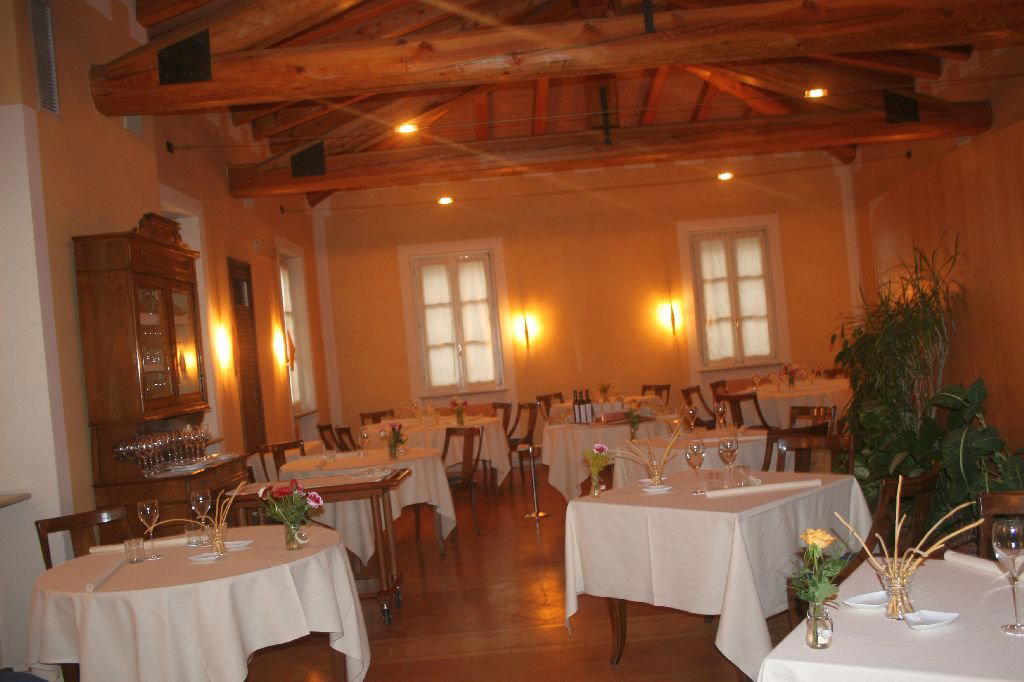
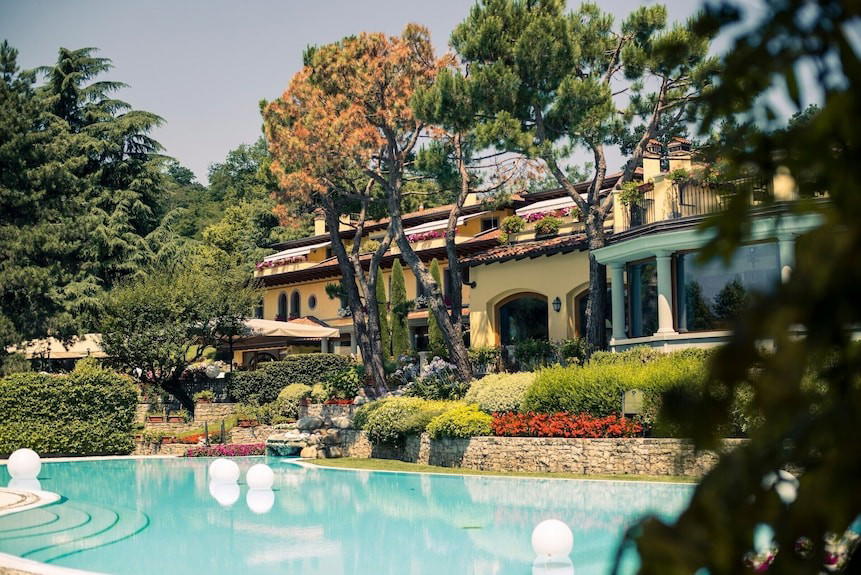
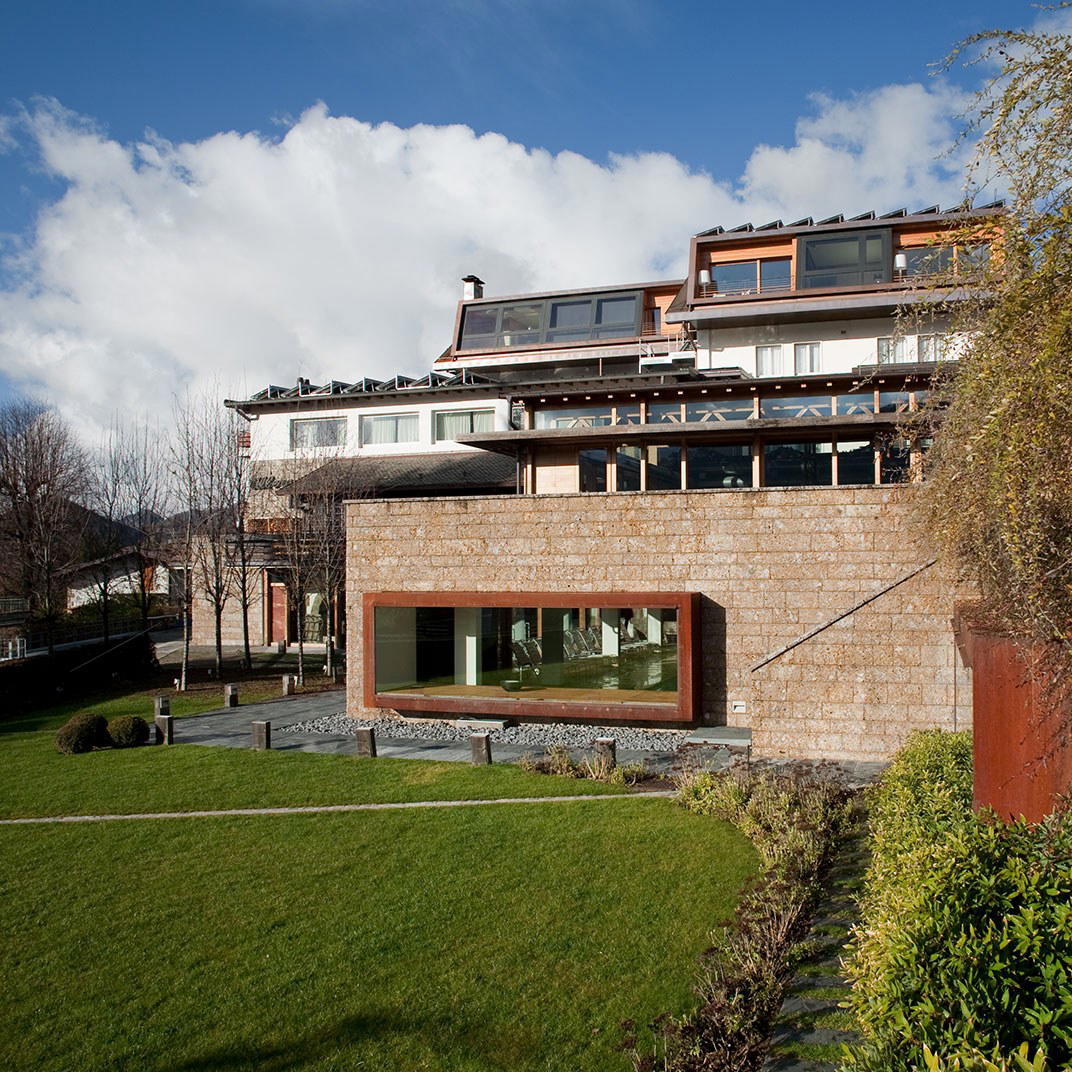
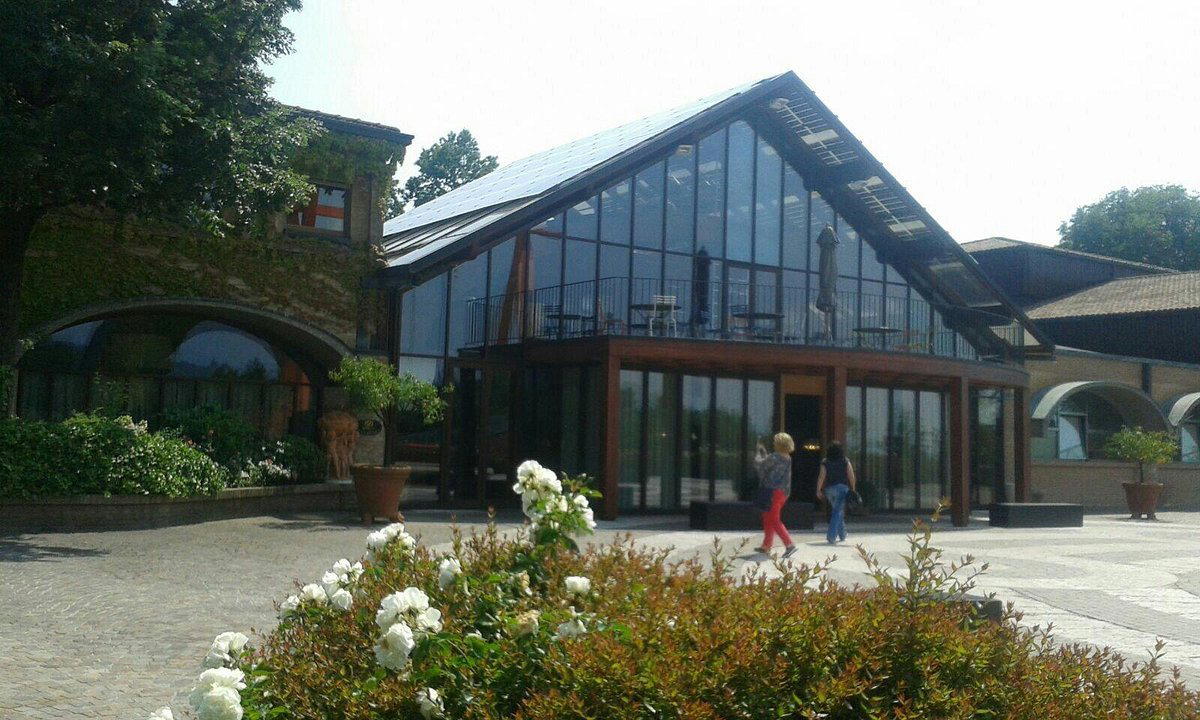
In the northern Italian lake district, the architectural relationship between dining room and water matters as much as the menu. Izè Restaurant is a modern Italian Mediterranean restaurant in Pilzone, Iseo. The terrace at Izè is the operative space when conditions allow, with views across Lake Iseo that are direct and unmediated, no marina infrastructure, no road traffic cutting across the sightline in the way that more developed stretches of the shore would produce. The Araba Fenice hotel's position in Pilzone places it away from the tourist concentration of the town of Iseo itself, which is both a logistical inconvenience for visitors arriving by public transport and a genuine asset in terms of atmosphere.
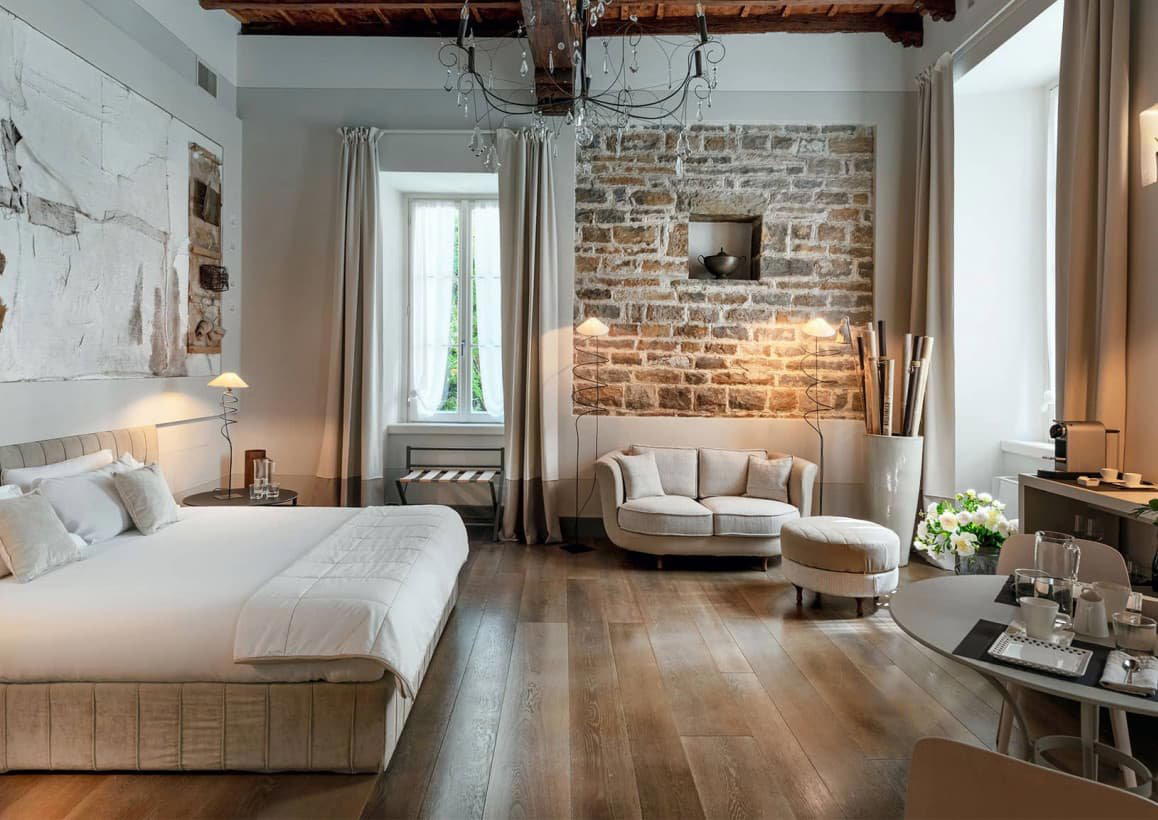
The hotel context matters for how the restaurant functions. Izè serves a resident clientele alongside booked tables, which shapes pacing and service orientation in ways that standalone destination restaurants do not face. At addresses like Piazza Duomo in Alba or Enoteca Pinchiorri in Florence, the restaurant is the entire architectural purpose. Izè operates as part of a broader hospitality offer, and the service rhythm reflects that dual brief.
Placing Izè in the Iseo Dining Picture
Lake Iseo receives considerably less international attention than Garda or Como, which means its restaurant scene operates largely for a domestic and regional audience rather than the international fine dining circuit. That is a structural advantage: kitchens here are not calibrated to what arriving tourists expect from Italian food in the abstract, but to what the local and regional market values in practice. For visitors seeking the kind of ingredient-driven lake cooking that the larger lakes have largely commodified for tourism, Iseo's smaller scale is the point.
Within the Iseo restaurant scene, Radicì represents the contemporary Italian direction in town, while Izè operates from its hotel base in Pilzone with a different register, more settled, more orientated toward the view and the occasion of a meal than toward culinary statement-making. They sit in the same market without directly overlapping.
The wider Italian fine dining frame is useful for calibrating expectations. The three-Michelin-star tier in Italy, represented by addresses like Atelier Moessmer Norbert Niederkofler in Brunico, Enrico Bartolini in Milan, or Reale in Castel di Sangro, operates at a level of technical ambition and price that Izè does not attempt to match. It sits instead in the tier of serious hotel restaurants with genuine culinary identity, where the combination of setting, sourcing, and a kitchen with a clear point of view produces meals worth planning around, without the ceremony or the cost of destination fine dining. At roughly $75 per person, it remains in a moderate price range for the area. Internationally, the closest analogy in terms of hotel restaurant positioning and seafood-forward sourcing logic would be properties like Le Bernardin in New York City, though the scale and price point differ considerably, or, in terms of creative cross-cultural dialogue, Atomix in New York City, where the tension between two culinary traditions produces something more interesting than either tradition alone.
Planning a Visit
Izè sits within the Araba Fenice hotel at via Caproni, 264, Località Pilzone, Iseo. Pilzone is accessible by car from Iseo town in under ten minutes, and the drive along the eastern shore of the lake is worth factoring into the experience. Given the hotel restaurant format, reservations are recommended, particularly for terrace seating during the warmer months when the lake view becomes the dominant reason to be there. The kitchen's cross-regional premise, Campanian technique meeting Brescian lake produce, means the menu follows seasonal availability on the water rather than a fixed programme, so timing a visit around the productive freshwater fishing season, broadly spring through autumn, gives the widest access to the sourcing story the kitchen is built around.