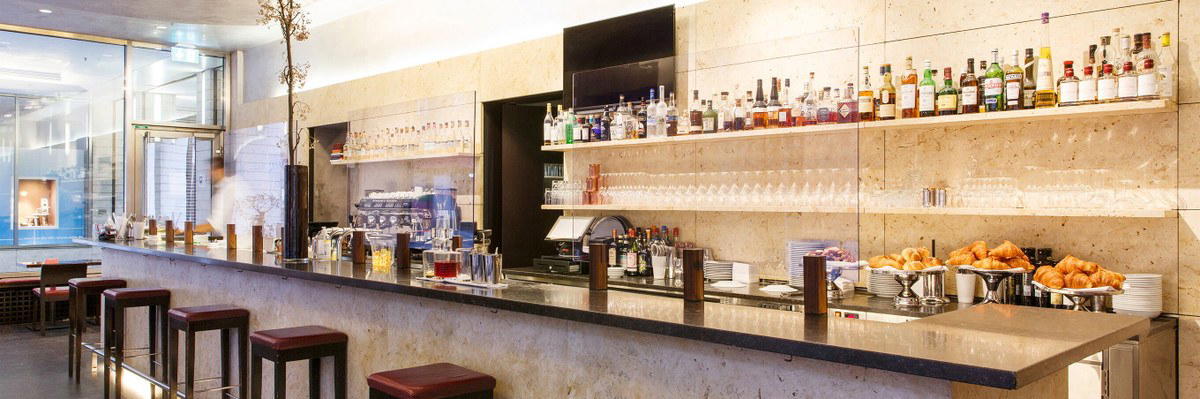
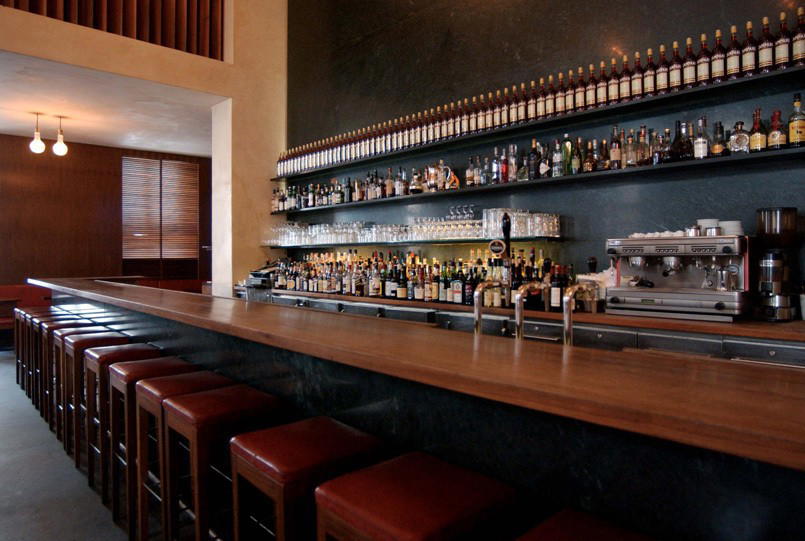
Park Café occupies a prime position near Munich's Alter Botanischer Garten, where the city's appetite for all-day hospitality meets a setting that shifts from coffee-and-pastry mornings to convivial evening crowds. As part of Munich's broader café-bar culture, it offers a point of entry into the neighbourhood's relaxed rhythm before the formal dining of the Maxvorstadt district takes hold. Current details on cuisine focus and booking are best confirmed directly with the venue.
Pearl is the En Primeur Club membership app — saves, bookings, and concierge access live there. Same editors, same standards.
- Address
- Sophienstraße 7, 80333 München, Germany
- Phone
- +49 89 51617980
- Website
- parkcafe089.de
- Directions
- Get directions
 Saves & bookings on Pearl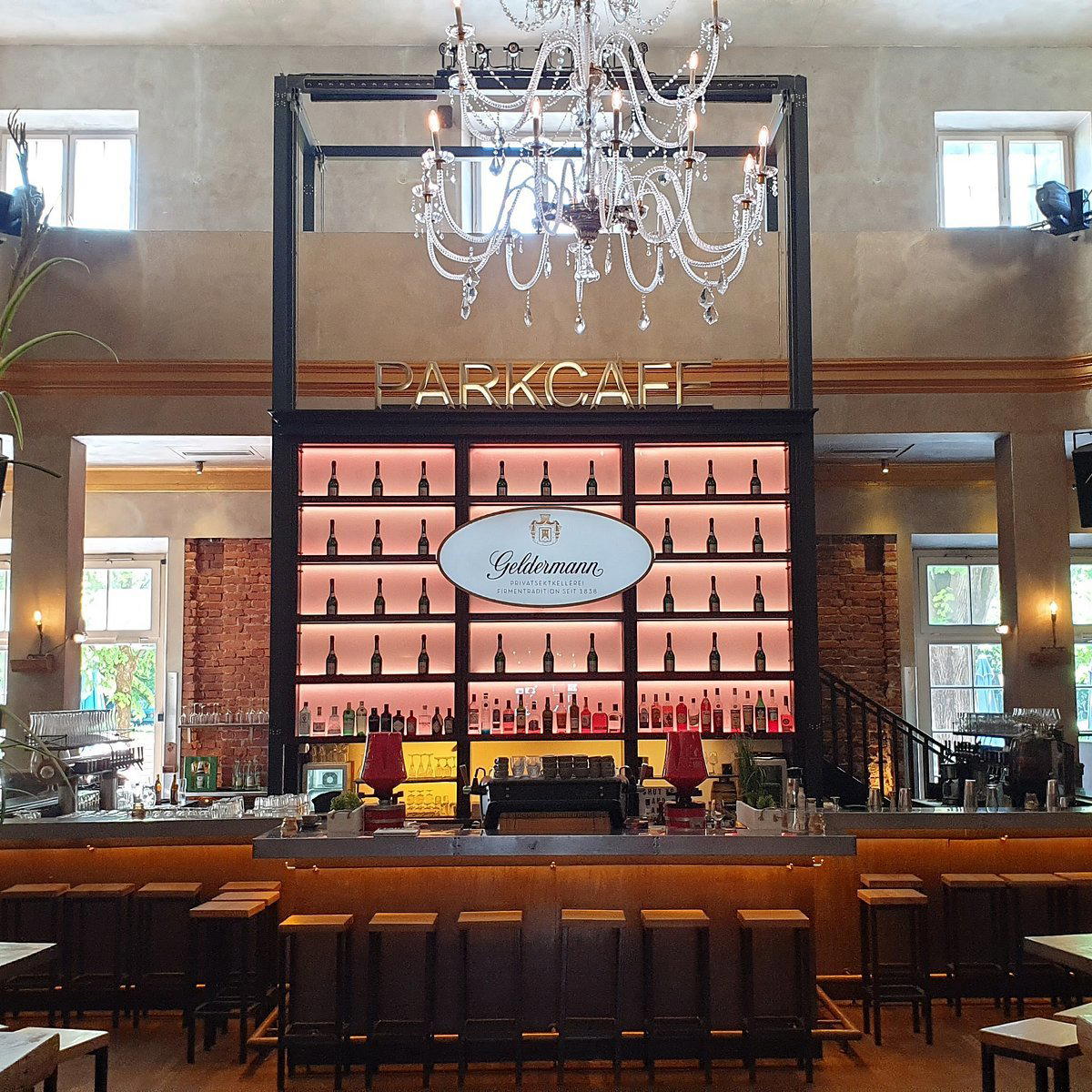
Where the Botanischer Garten Ends and the City Begins
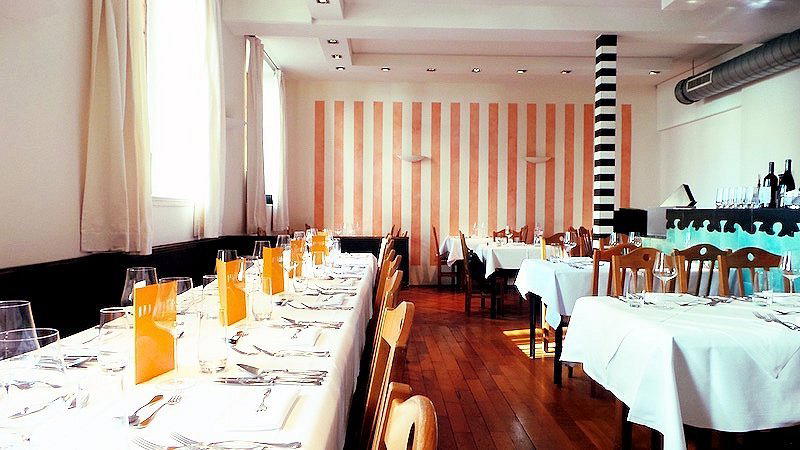
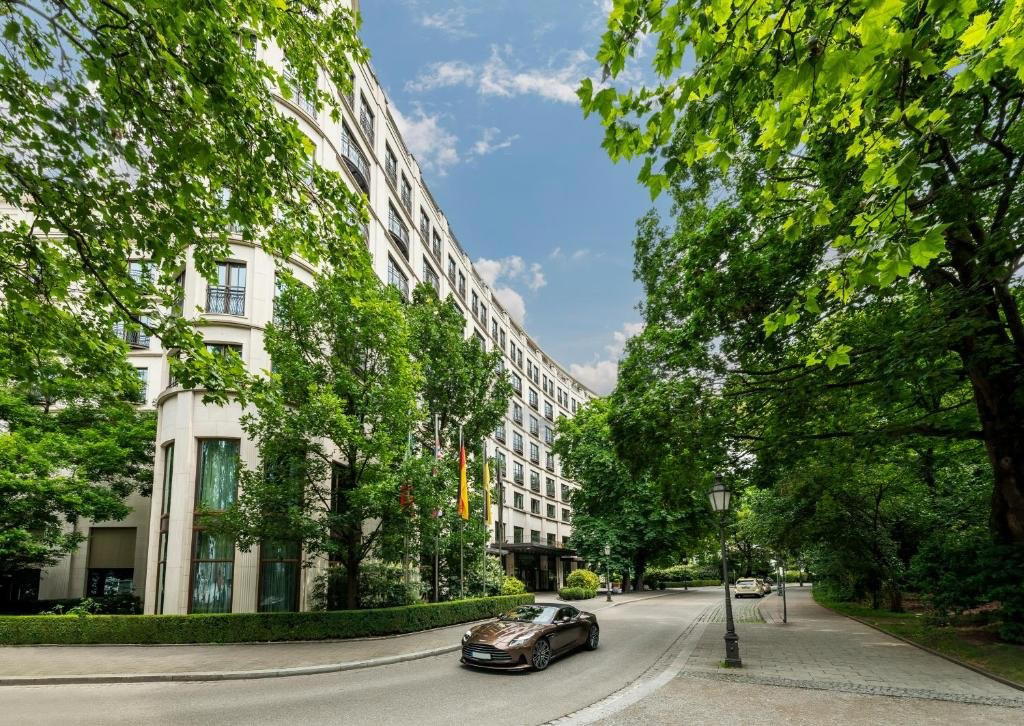
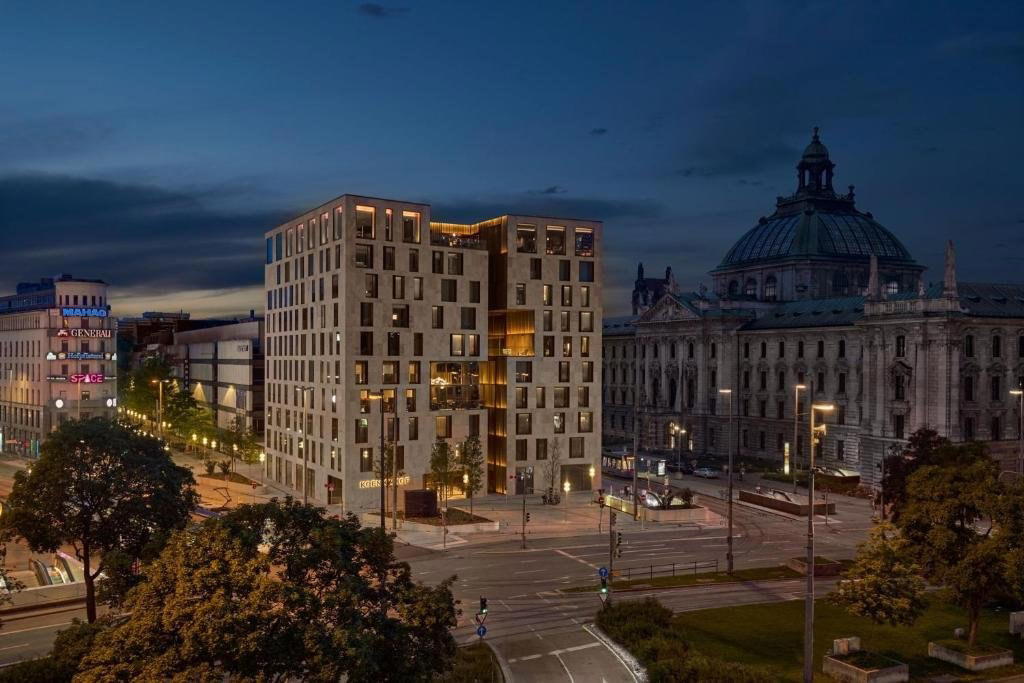
Park Café is a restaurant in Munich's Maxvorstadt, serving Modern Bavarian Steakhouse cuisine at Sophienstraße 7, 80333 München, Germany. The trees thin out, the foot traffic thickens, and the city reasserts itself after the quiet of the park. Park Café, at number seven on that street, sits at precisely this threshold, a position that shapes the character of the place as much as anything on the menu. Coming from the park, the transition feels gradual; coming from the city centre, the space offers a decompression that few purely urban venues can provide.
The Bavarian All-Day Format and What It Demands
Munich's café culture has always operated differently from its southern European counterparts. Where Viennese coffee houses traffic in literary solitude and Roman bars in speed, the Munich café-bar format leans toward social continuity, a space that justifies occupation across multiple hours without requiring a second menu category to do so. The all-day operation model in cities like Munich places heavy demands on ingredient sourcing, because the same kitchen and the same supply chain must credibly serve morning guests seeking lighter fare and evening crowds who expect more. In this context, sourcing decisions carry particular weight. Bavaria's agricultural geography, the flatlands south of the city, the market gardens of the Inn valley, the dairy producers of the Alpine foothills, provides a supply base that Munich venues at every price tier have drawn upon with increasing intentionality over the past decade. The question for any café operating in this city is not whether to reference regional produce, but how specifically and how honestly those supply relationships are expressed on the plate.
That tension is one of the defining operational challenges of the category.
Munich's Café-Bar Scene in Competitive Perspective
The Maxvorstadt and neighbouring Schwabing districts have produced a coherent cluster of café-bar operations that serve as Munich's social infrastructure, places where the city's student population, creative professionals, and older residents share physical space in a way that formal dining rarely achieves. Park Café competes in this segment rather than in the Michelin tier occupied by Tantris, Atelier, or Tohru in der Schreiberei, each of which anchors a different quadrant of the city's fine dining map. The competitive pressure in the café segment comes from a different direction: consistency, atmosphere, and the ability to remain relevant across the arc of a day, from the first coffee to the last beer of the evening.
Germany's broader café and casual dining scene has seen sustained pressure from venues that prioritise experiential differentiation over culinary complexity. Operations in Berlin, Hamburg, and Frankfurt have demonstrated that a strong spatial identity, combined with credible sourcing and a coherent drinks program, can sustain a loyal following without the formal structure of a tasting menu. Munich's market has absorbed these lessons, and the result is a city where the middle tier of hospitality has become more competitive and more sophisticated than it was a generation ago.
Ingredient Sourcing as a Civic Statement
Across Germany, the post-2010 shift toward provenance-forward menus has moved from fine dining into the broader café and restaurant sector. Bavarian producers have benefited disproportionately from this shift, given the density of quality agricultural suppliers within two hours of Munich's city centre. Venues that have built genuine supply relationships with specific farms or cooperatives tend to communicate this through seasonal menu variation rather than static descriptions, the menu changes because the sourcing relationship dictates it, not the other way around. This is the meaningful distinction between a sourcing narrative and a sourcing claim. Across Germany, restaurants with credentialed sourcing programs, from Schwarzwaldstube in Baiersbronn to ES:SENZ in Grassau, have made this dynamic central to their identity at the highest level. At the café tier, the same principle applies with less formal apparatus but no less consequence for quality.
For those exploring how sourcing philosophy plays out across different German dining contexts, Schanz in Piesport, Waldhotel Sonnora in Dreis, and Restaurant Haerlin in Hamburg each represent a distinct regional interpretation. Internationally, Lazy Bear in San Francisco and Le Bernardin in New York City offer contrasting models of how sourcing can be framed as a primary editorial statement in different hospitality environments.
Seasonal Rhythm and When to Visit
The Alter Botanischer Garten context gives the restaurant a seasonal dimension that interior-only Munich venues lack. Late spring through early autumn, when the park itself draws visitors from across the city, the pedestrian traffic on Sophienstraße shifts noticeably. This is the period when outdoor seating, if available, becomes the primary draw, and when the relationship between the venue and its immediate environment is most legible. Winter visits shift the dynamic inward, and the character of the space tilts toward the café's internal atmosphere rather than its setting. Both modes are legitimate, but they deliver different experiences, and the choice of season shapes the visit as much as the time of day.
Planning Your Visit
The restaurant is located at Sophienstraße 7, 80333 München, in Munich's Maxvorstadt district, adjacent to the Alter Botanischer Garten. Additional reference points across Germany's broader scene include Vendôme in Bergisch Gladbach, Victor's Fine Dining by Christian Bau in Perl, CODA Dessert Dining in Berlin, and Bagatelle in Trier.
Comparable Options
Comparable venues nearby, for context on price, style, and recognition.
| Venue | Cuisine | Price | Notes |
|---|---|---|---|
| Park CaféThis venue — the venue you are viewing | Modern Bavarian Steakhouse | $$ | Not listed |
| Wirtshaus Papa Benz | Modern Bavarian Gastropub | $$ | Schwabing |
| malzraum | Bavarian Home-Style | $$ | Neuhausen |
| Gasthaus DER BIERMANN | Traditional Bavarian Gastropub | $$ | Riem |
| Schinken-Peter | Traditional Bavarian | $$ | Au |
| Beim Sedlmayr | Traditional Bavarian | $$ | Altstadt |
At a Glance
- Cozy
- Lively
- Classic
- Brunch
- Group Dining
- Casual Hangout
- Beer Garden
- Live Music
- Open Kitchen
- Terrace
- Extensive Wine List
- Beer Program
- Garden
Current opening hours
- Monday
- 12–11 PM
- Tuesday
- 12–11 PM
- Wednesday
- 12–11 PM
- Thursday
- 12–11 PM
- Friday
- 12–11 PM
- Saturday
- 12–11 PM
- Sunday
- 11 AM–8 PM
Hours can change for holidays and private events. Last verified .
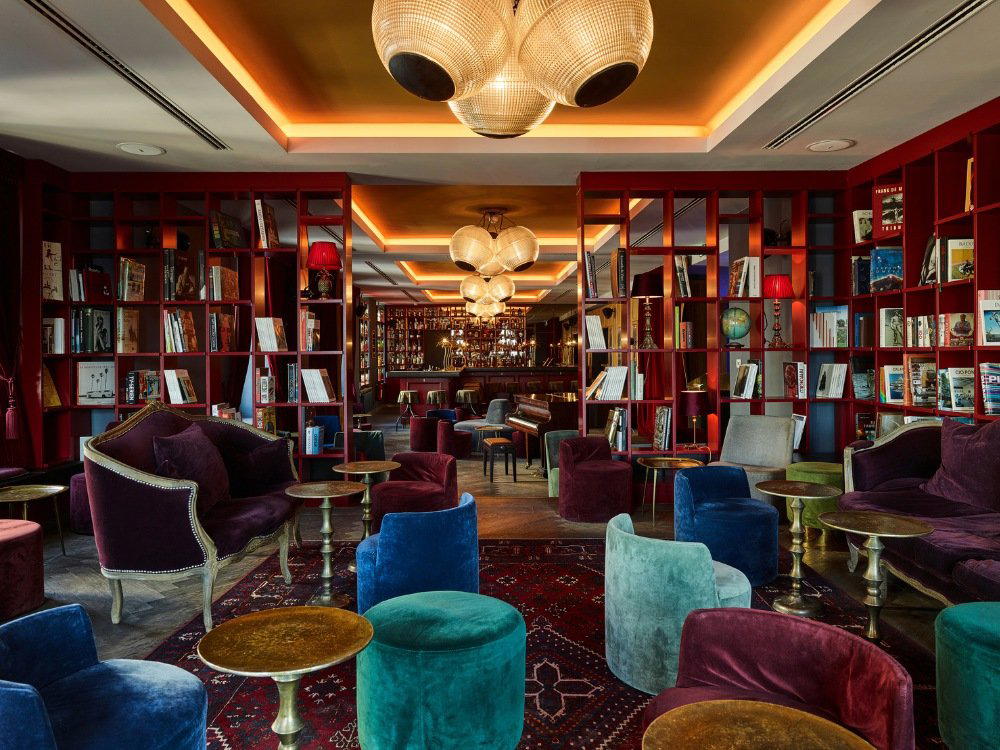
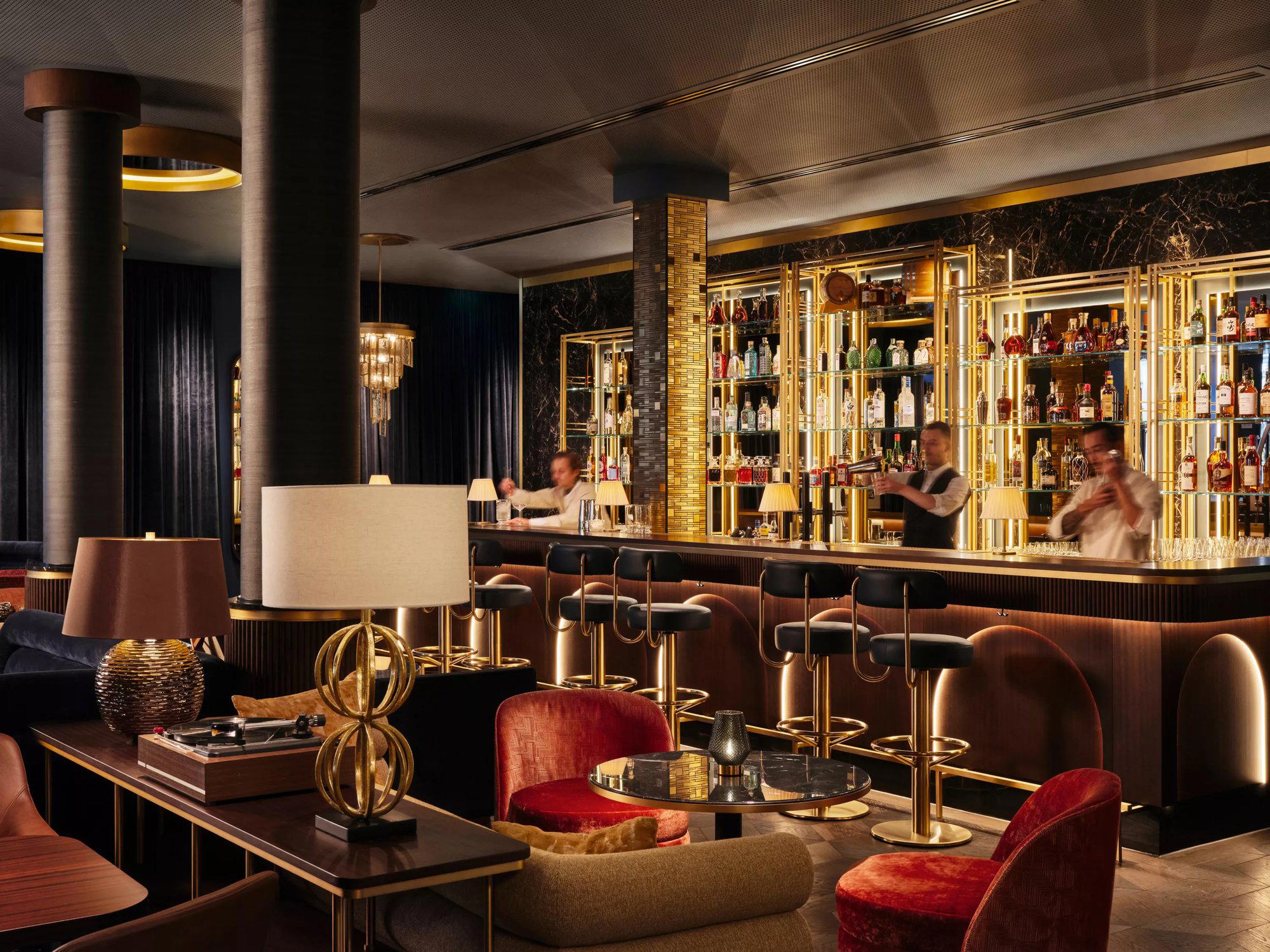
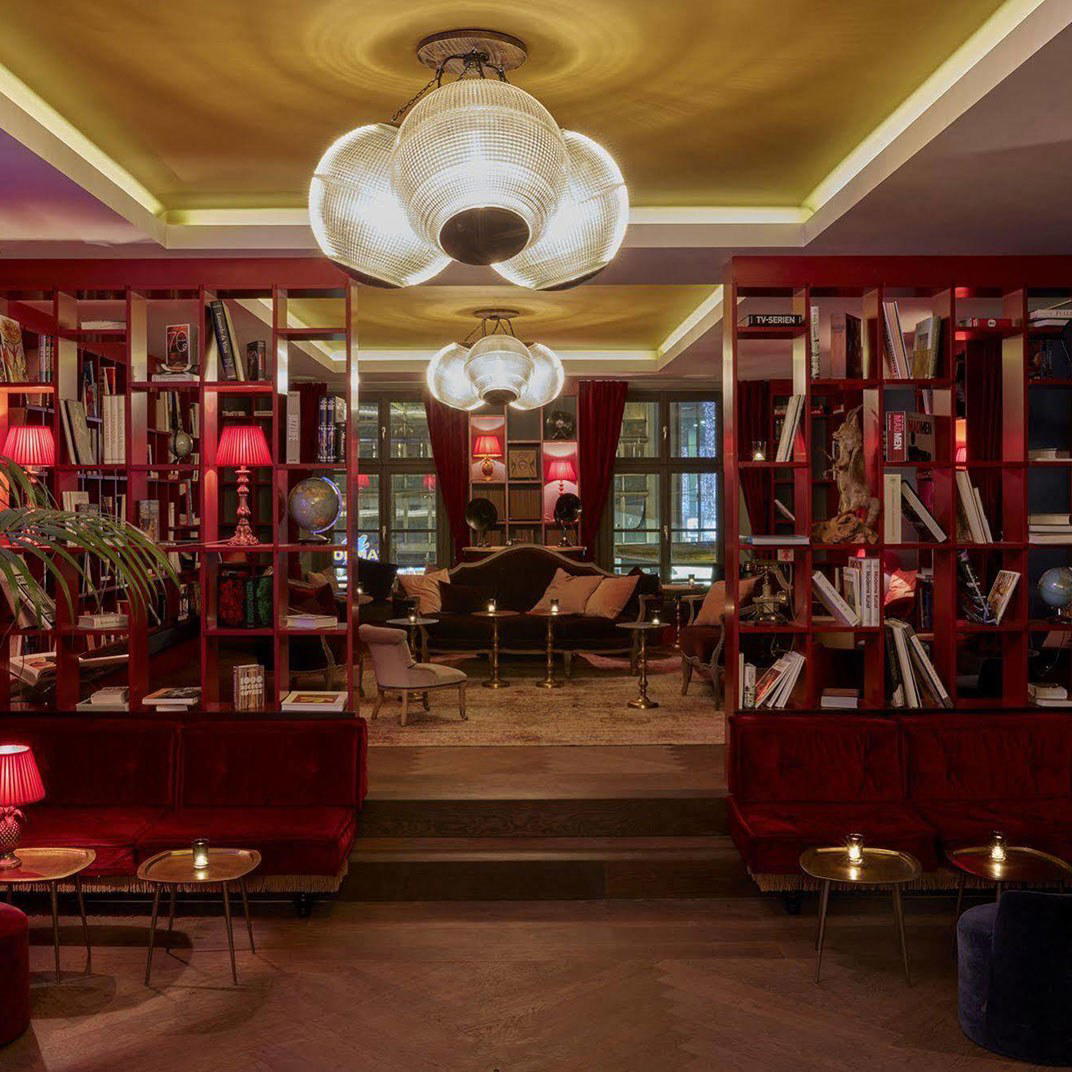
Cozy lounge with candlelit ambiance, elegant chandeliers, soft jazz music, and a relaxed urban atmosphere.