
On Alteburger Strasse in Cologne's Südstadt, Punky Panda occupies a corner of the city's more relaxed, neighbourhood-driven dining circuit. With limited published data available, the restaurant rewards direct investigation, a pattern common to Cologne venues that build reputation through word of mouth rather than awards infrastructure. See our full Cologne restaurants guide for broader context.
Pearl is the En Primeur Club membership app — saves, bookings, and concierge access live there. Same editors, same standards.
- Address
- Alteburger Str. 20, 50678 Köln, Germany
- Website
- punkypanda.de
- Directions
- Get directions
 Saves & bookings on Pearl
Südstadt and the Case for Neighbourhood Dining in Cologne
Cologne's dining reputation tends to concentrate around a handful of well-documented addresses: the modern cuisine of Ox & Klee, the precise French register of La Cuisine Rademacher, or the long-standing polish of La Société. But Cologne's Südstadt operates on a different logic. The neighbourhood south of the ring road has, over the past decade, developed a dining character defined less by formal recognition and more by consistent local patronage, restaurants that fill through repeat visits rather than destination tourism.
Alteburger Strasse sits within that zone. The street runs through a residential quarter where the ground-floor restaurant trade skews toward the neighbourhood regular rather than the first-time visitor. It is the kind of address where a menu's actual architecture, what it offers, how it is priced, how it changes, carries more weight than a press release. Punky Panda, at number 20, is part of this circuit.
What the Name Signals Before You Sit Down
A restaurant's name is the first structural decision its menu makes. "Punky Panda" positions itself immediately in a register that resists the formality of Cologne's €€€€ tier. Whereas addresses like maiBeck or Le Moissonnier Bistro signal either modern precision or Gallic tradition from the outset, a name built on irreverence sets different expectations: the food is more likely casual-creative than ceremony-driven, the space more likely informal than choreographed, and the menu more likely to shift with availability than adhere to a fixed architecture of amuse-bouche and palate cleanser.
This matters editorially because one interesting question about any restaurant operating in this register is whether the informality is disciplined or merely accidental. Germany has produced a number of addresses where a relaxed exterior conceals serious technical intent, CODA Dessert Dining in Berlin being the clearest national example of a counter-intuitive format that conceals precision behind an unconventional premise. Punky Panda's positioning on Alteburger Strasse suggests it belongs in the neighbourhood-creative category rather than the high-concept tier, but that is a distinction worth testing in person.
Menu Architecture and What It Reveals
In Cologne's mid-market and neighbourhood-restaurant tier, menus tend to follow one of three architectures: the rotating small-plates format, where dishes change frequently and sharing is assumed; the fixed bistro structure, where a short à la carte runs alongside a set lunch or dinner option; or the hybrid creative format, where a kitchen applies technical ambition to accessible price points without committing to tasting-menu rigidity.
Each of these architectures tells a different story about the kitchen's priorities. The rotating small-plates format signals a kitchen that values sourcing flexibility and wants to avoid the commitments of a printed menu. The fixed bistro structure signals confidence in a core repertoire. The hybrid creative format, increasingly common at the €€ to €€€ tier in German cities, signals a kitchen that has absorbed influences from the country's more decorated addresses without replicating their ceremony. At the summit end of Germany's restaurant spectrum, venues like Aqua in Wolfsburg, JAN in Munich, or Vendôme in Bergisch Gladbach operate with the full apparatus of tasting menus and matched pairings. The neighbourhood creative, by contrast, takes the aesthetic seriously while dropping the apparatus, and that trade-off, done well, produces particularly honest eating in any city.
The name and address of the restaurant suggest it is working somewhere in that middle zone. The Südstadt context reinforces the probability of a menu that prizes character over completeness.
Placing Punky Panda in the Broader German Context
Germany's restaurant conversation at the national level runs heavily toward multi-starred destinations: Schwarzwaldstube in Baiersbronn, Waldhotel Sonnora in Dreis, Victor's Fine Dining in Perl, or ES:SENZ in Grassau. These are addresses that require planning, travel, and in some cases, considerable advance booking. Internationally, the equivalent high-commitment dining tier runs through addresses like Le Bernardin in New York City or Atomix, also in New York.
The value of the neighbourhood restaurant, and the reason it deserves serious editorial attention, is precisely that it operates outside that framework. It does not require a destination decision. It rewards proximity, familiarity, and return visits. In a city like Cologne, where the recognised fine-dining tier is relatively small compared to Hamburg (home to Restaurant Haerlin) or the Mosel region (anchor address: Schanz in Piesport), the mid-tier neighbourhood restaurant often carries day-to-day dining weight. These are the addresses locals actually use.
The restaurant at Alteburger Str. 20 sits within that practical tier. The question for any visitor is whether the kitchen's ambition matches the name's energy, and the answer to that requires a visit rather than a database query.
Getting There and Planning a Visit
Alteburger Strasse 20 is reachable from Cologne's central rail network within fifteen to twenty minutes on foot from the main station, or via the Severinstrasse and Chlodwigplatz tram connections that serve the Südstadt. The neighbourhood is dense with alternatives if a first visit proves inconclusive: the Südstadt's restaurant strip offers enough variety to build a full evening around.
Cuisine and Credentials
Comparable venues nearby, for context on price, style, and recognition.
| Venue | Cuisine | Price | Notes |
|---|---|---|---|
| Punky PandaThis venue — the venue you are viewing | Asian Izakaya Ramen Fusion | $$ | Not listed |
| Yang Guo Fu Malatang | Chinese Malatang | $$ | Neustadt/Nord |
| Adida | Vegan Vietnamese | $$ | Neustadt/Nord |
| Bad Ape | Premium Sandwiches & Salads | $$ | Neustadt/Nord |
| LADEN EIN | Rotating Pop-up Street Food Fusion | $$ | Neustadt/Nord |
| Umibar | Asian Fusion (Viet-Thai-Japanese) | $$ | Altstadt/Süd |
Recognition history
Dated appearances from independent guides and award organizations, with the underlying list record or original source where available.
Falstaff Restaurant - 94 Falstaff Points
Falstaff
Continue exploring
More in Cologne
Restaurants in Cologne
Browse all →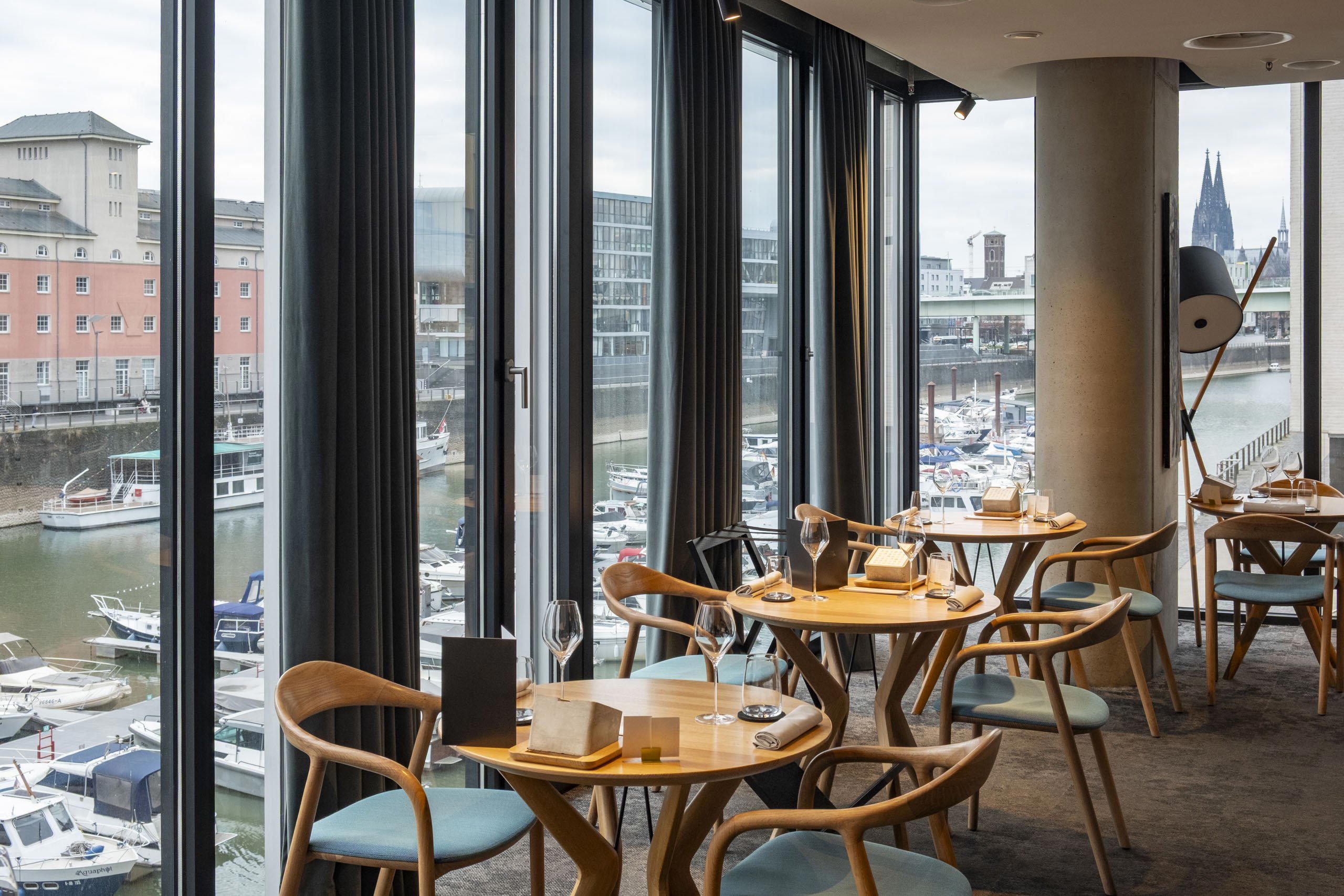
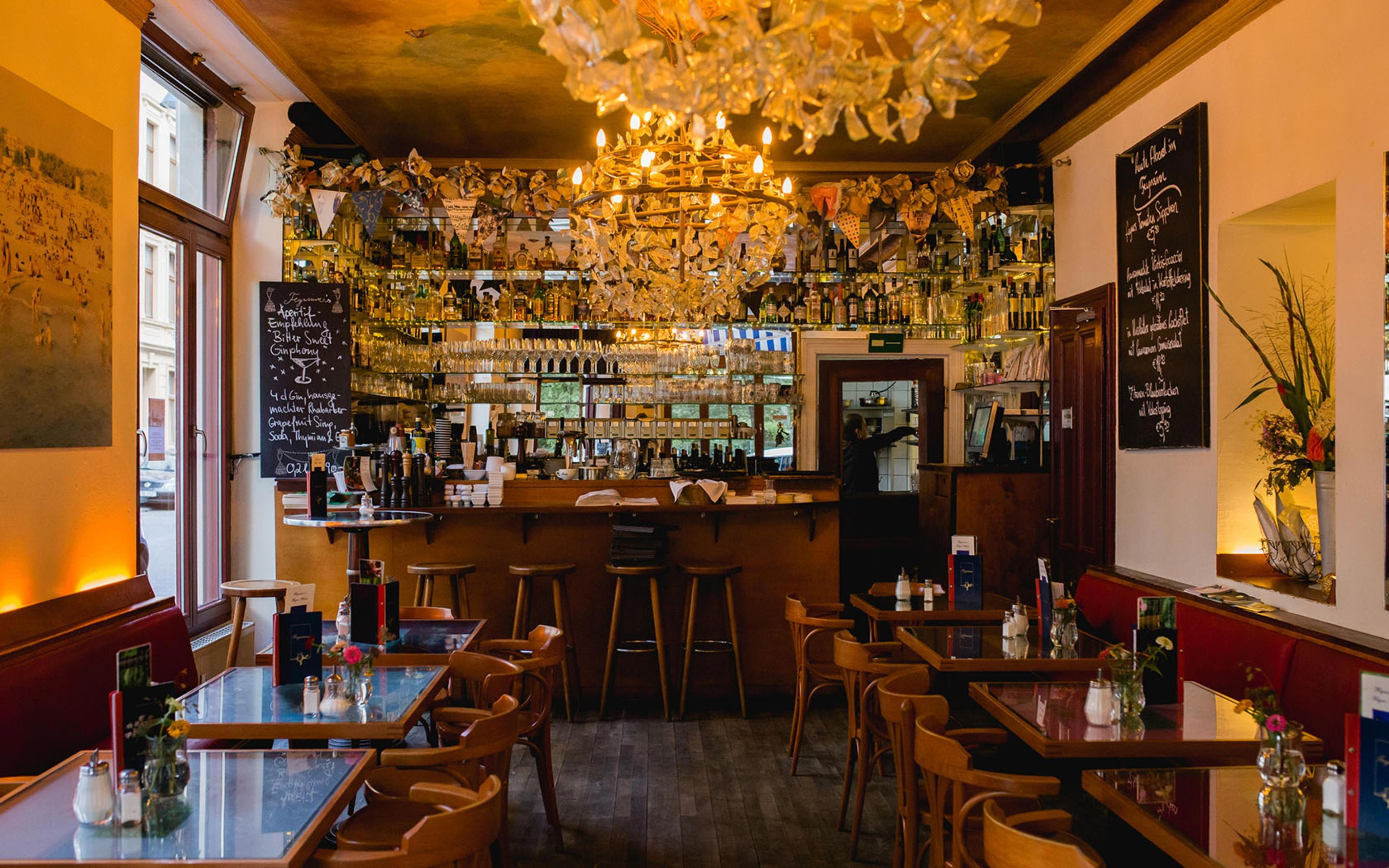
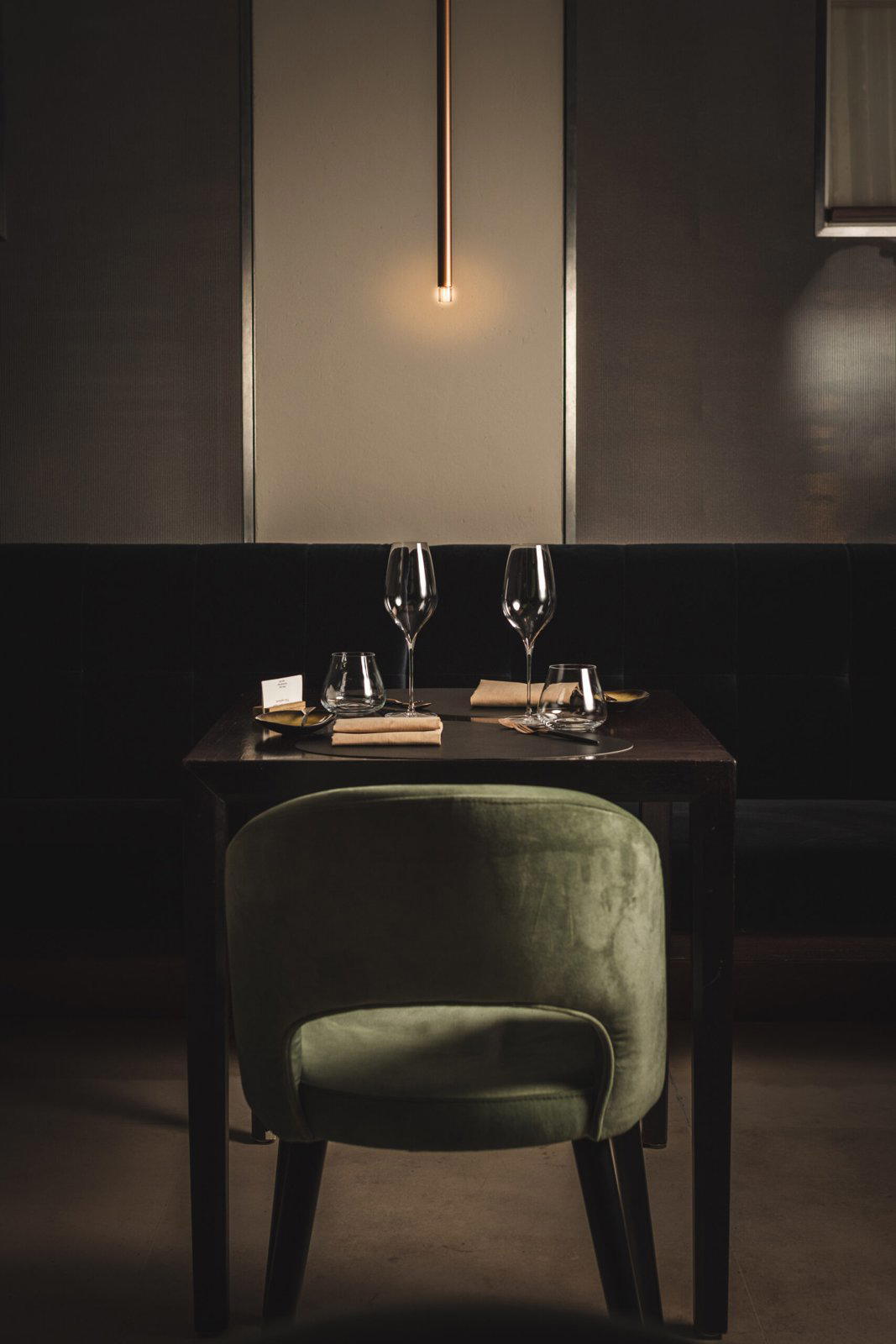
Bars in Cologne
Browse all →

Hotels in Cologne
Browse all →

At a Glance
- Trendy
- Lively
- Modern
- Casual Hangout
- Craft Cocktails
Current opening hours
- Monday
- 5 PM–12:30 AM
- Tuesday
- 5 PM–12:30 AM
- Wednesday
- 5 PM–12:30 AM
- Thursday
- 5 PM–1 AM
- Friday
- 5 PM–1:30 AM
- Saturday
- 5 PM–1:30 AM
- Sunday
- 5 PM–12 AM
Hours can change for holidays and private events. Last verified .
Extravagantly styled with a waft of Asian aromas, offering a trendy and atmospheric setting for Far Eastern cuisine and unusual drinks.