Google: 4.9 · 31 reviews
.png)
A Spanish-inflected restaurant in Osaka's Fukushima district, Óptimo works across tapas, à la carte, and prix fixe formats to suit different moods and group sizes. Crab gratin, slow-simmered tripe and bean callos, and the rice dishes arroz meloso and arroz caldoso draw returning guests. The name translates as 'best' or 'ideal', and the format is designed to make that case on every visit.
 Discover on Pearl
Pearl is the En Primeur Club membership app — saves, bookings, and concierge access live there. Same editors, same standards.
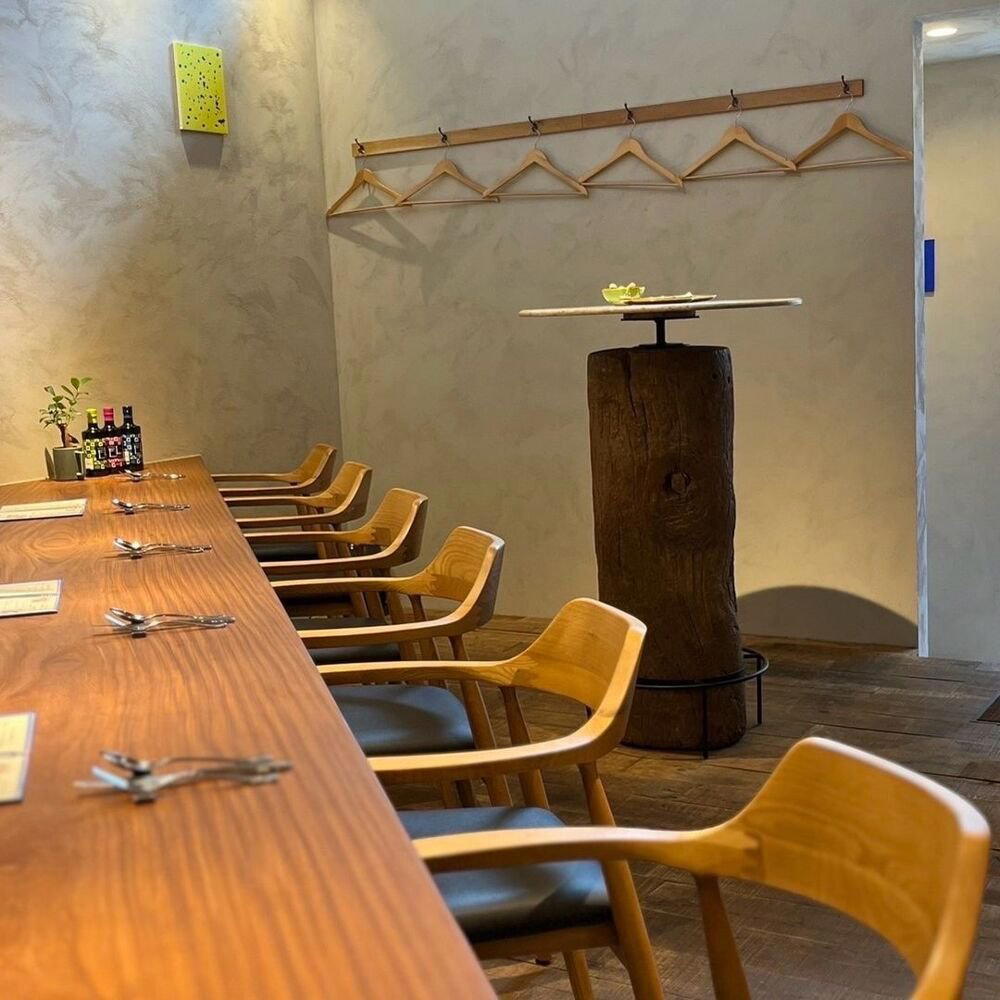
Spanish Hospitality in the Fukushima Quarter
Fukushima, the low-rise district wedged between Osaka's business spine and the Yodo River delta, has developed one of the city's most concentrated stretches of independent restaurants. The neighbourhood runs at a different register from Namba's spectacle or Shinsaibashi's retail density: smaller venues, longer relationships between kitchens and their regulars, and a preference for format flexibility over rigid tasting-menu orthodoxy. Óptimo, on 2 Chome-6-6 Fukushima, sits inside that pattern — a room whose warmth registers before anything on the plate does.
The interior reads as an immediate signal about intent. Where Osaka's French houses — HAJIME and La Cime, both operating at the ¥¥¥¥ tier , stage the dining experience around ceremony and progression, Óptimo works toward something more relaxed in its physical atmosphere. Service warmth and room warmth appear to be deliberate design choices, not incidental qualities. The name itself, drawn from Spanish for 'leading' or 'ideal', frames the ambition plainly: this is a room meant to make guests feel the visit was worth the decision.
A Format Built Around How People Actually Want to Eat
Spanish dining in Japan occupies an interesting structural position. The kaiseki tradition , represented in Osaka's upper tier by venues like Kashiwaya Osaka Senriyama and Taian , is built around sequential progression with little flexibility for individual variation. Óptimo runs a different structural logic: tapas, à la carte, and prix fixe formats all operate under the same roof, addressing the reality that a table of four might contain two people who want to share small plates and one who prefers the structure of a set menu.
That format flexibility is not a hedge or a compromise. In Spain, particularly in the Basque Country and Catalonia where restaurant culture has generated some of the most discussed kitchens of the last two decades, the coexistence of bar snacks, à la carte, and formal menus within a single venue is standard practice. The editorial argument at Óptimo seems to be that Osaka, a city with deep izakaya culture and genuine comfort with informal sharing formats, is a natural home for that Spanish model. The two traditions , Japan's sharing and sociability instincts, Spain's format fluidity , are more compatible than they might initially appear.
The Kitchen's Anchor Dishes
Two categories of dish have earned consistent recognition at Óptimo. The first is gratin of crab: a preparation where shellfish sweetness is amplified rather than preserved, the gratinéed surface adding textural contrast to what is described as a richly flavoured interior. This is Spanish technique applied to Japanese-market seafood, a combination that surfaces at a number of Iberian-influenced kitchens across Japan, from akordu in Nara to the Spanish-Japanese hybrid approaches you find at selected counters in Tokyo.
The second category is callos , the slow-simmered stew of honeycomb tripe and beans that sits at the centre of Madrid's tapa culture. Callos rewards patience in preparation and punishes shortcuts; the collagen from the tripe emulsifies into the broth over long cooking, producing a texture and depth of flavour that cannot be achieved quickly. That Óptimo's version is noted as richly flavoured suggests the kitchen is not abbreviating the process. For guests more familiar with Japanese offal preparations , horumon, motsu , callos offers a recognisable logic in unfamiliar form.
The rice dishes complete the picture. Arroz meloso and arroz caldoso occupy the wetter end of the Spanish rice spectrum, distinct from paella's socarrat ambitions. Meloso sits between risotto and paella in consistency; caldoso is closer to a brothy soup-rice. Both require active management during cooking and are dishes that restaurants often drop from menus because they don't hold well. That Óptimo maintains them as crowd-pleasers indicates kitchen confidence and, probably, consistent enough demand to justify the attention they require.
Team Dynamics and Service Register
Editorial angle on Óptimo that holds up under scrutiny is about collaboration rather than any single performer. Venues operating across multiple formats , tapas, à la carte, prix fixe simultaneously , place significant demands on front-of-house coordination. A table ordering tapas while the adjacent table works through a prix fixe sequence requires a floor team that can read and adjust pacing in real time, rather than simply executing a single scripted progression.
Warmth of service noted in Óptimo's description is consistent with Spanish hospitality norms, where the relationship between guest and room is less formal than in French fine dining and more conversational than in Japanese kaiseki. In the Japanese context, that register sits interestingly against the city's existing high-end restaurant culture. Fujiya 1935, operating at the innovative end of the ¥¥¥¥ spectrum, and the kaiseki houses maintain highly formalised service dynamics. Óptimo appears to occupy a different register: professional without ceremony, warm without informality becoming indifferent.
For comparison, Spanish kitchens working at similar registers in other cities , Le Bernardin in New York City demonstrates French precision at scale, while Atomix has constructed its own Korean-inflected tasting format in the same city , tend to find that the relationship between kitchen narrative and floor communication is as important as the cooking itself. At Óptimo, the service warmth and format breadth suggest that the front-of-house is functioning as an active host rather than a relay system between kitchen and table.
Osaka Context and the Wider Kansai Scene
Osaka's restaurant culture is often discussed in terms of its density and informality , takoyaki counters, standing sushi bars, the long late-night tradition of Dotonbori. What that framing underplays is the seriousness of the city's mid-tier and independent restaurant scene, of which Fukushima is one of the better expressions. Gion Sasaki in Kyoto and the broader Kansai tradition represent one pole; the neighbourhood independent operating on craft and regulars represents another. Óptimo appears to occupy somewhere between those two poles, with kitchen ambition expressed through specific, demanding dishes rather than through format maximalism.
For visitors structuring a Japan itinerary, Fukushima functions well as an evening destination that requires no special occasion framing. For reference against other regional restaurants covered by EP Club, Goh in Fukuoka and 1000 in Yokohama operate at the creative end of Japanese regional dining; 6 in Okinawa and Harutaka in Tokyo represent the capital's upper-tier Japanese counter tradition. Óptimo belongs to a different register entirely: a Spanish-influenced independent in an urban neighbourhood, making a case for format flexibility over ceremonial dining. See our full Osaka restaurants guide for broader coverage, or explore the city further through our Osaka hotels guide, bars guide, wineries guide, and experiences guide.
Planning Your Visit
Address: 2 Chome-6-6 Fukushima, Fukushima Ward, Osaka, 553-0003. Reservations: Specific booking method not listed; contact via the restaurant directly or through a hotel concierge in Fukushima or central Osaka. Format: Tapas, à la carte, and prix fixe available. Dress: Not formally specified; Fukushima's neighbourhood character suggests smart casual is appropriate. Budget: Price range not listed in available data; cross-reference with the Osaka restaurant guides for current tier expectations.
What It’s Closest To
A small comparison set for context, based on the venues we track.
| Venue | Cuisine | Price | Awards |
|---|---|---|---|
| Óptimo | |||
| HAJIME | French, Innovative | ¥¥¥¥ | Michelin 3 Star |
| La Cime | French | ¥¥¥¥ | Michelin 2 Star |
| Kashiwaya Osaka Senriyama | Japanese | ¥¥¥ | Michelin 3 Star |
| Taian | Kaiseki, Japanese | ¥¥¥ | Michelin 3 Star |
| Fujiya 1935 | Innovative | ¥¥¥¥ | Michelin 2 Star |
Continue exploring
More in Osaka
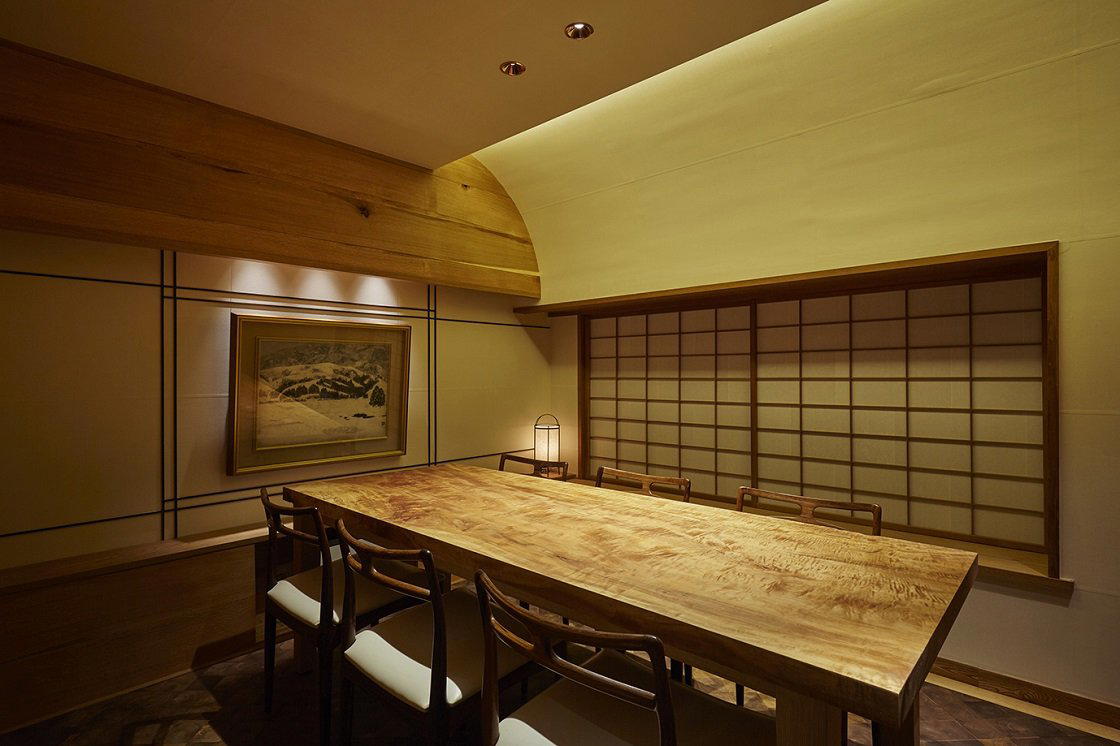
Restaurants in Osaka
Browse all →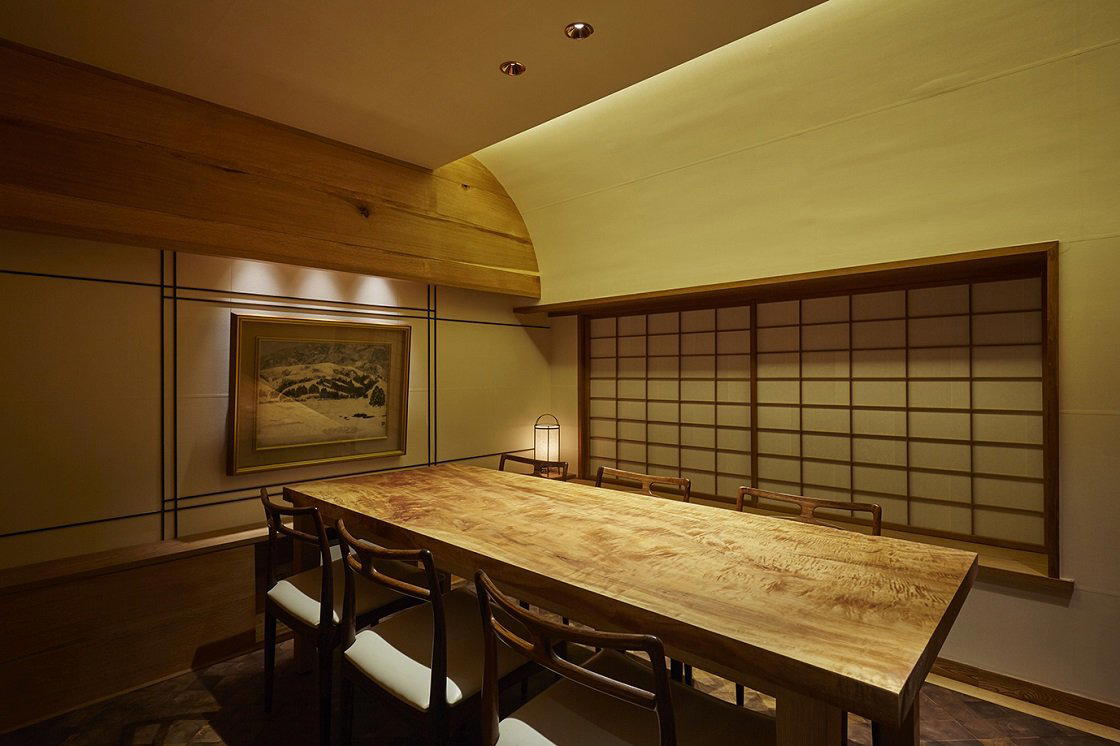
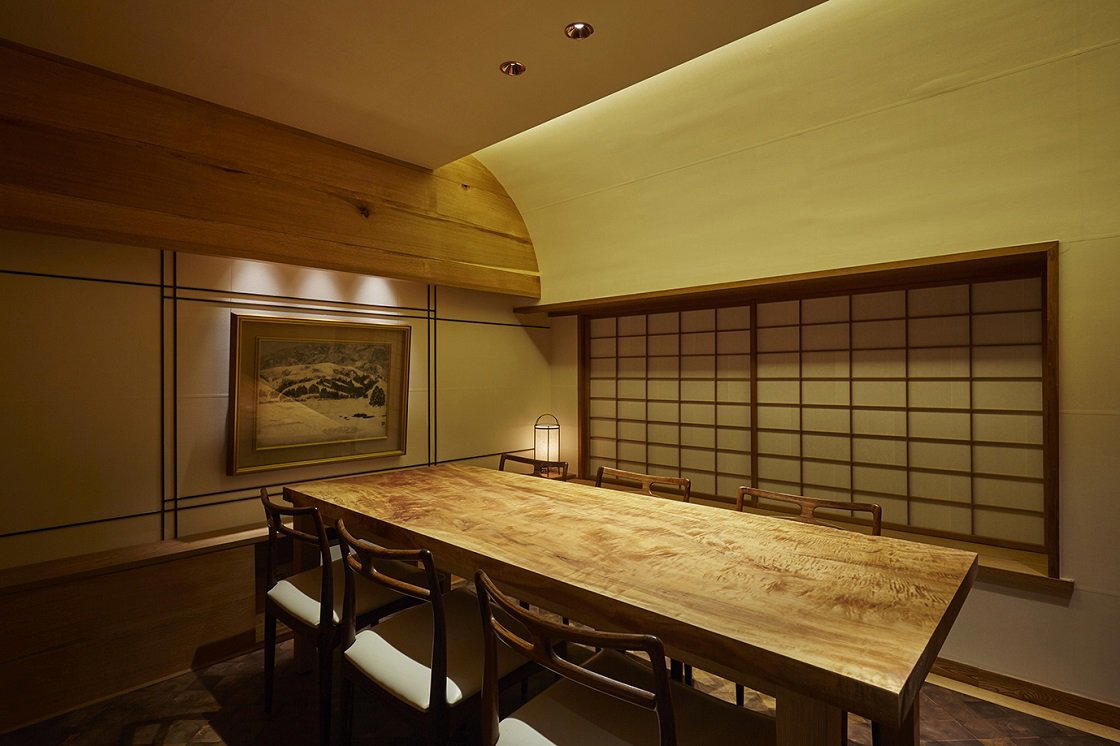
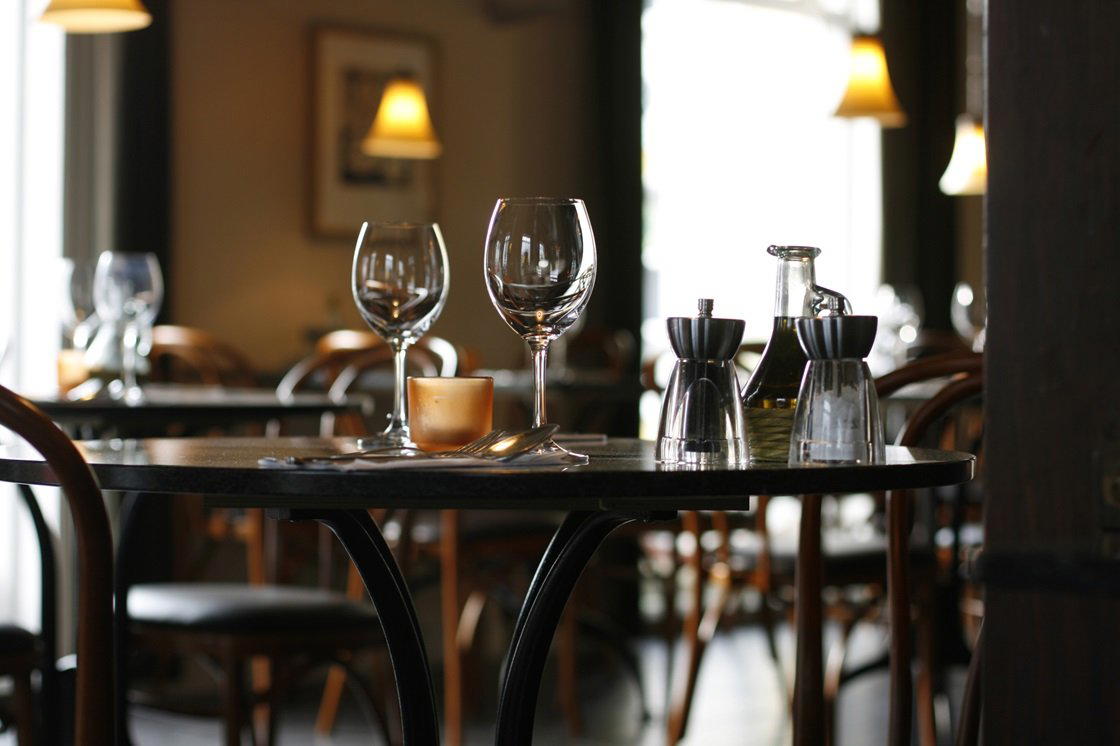

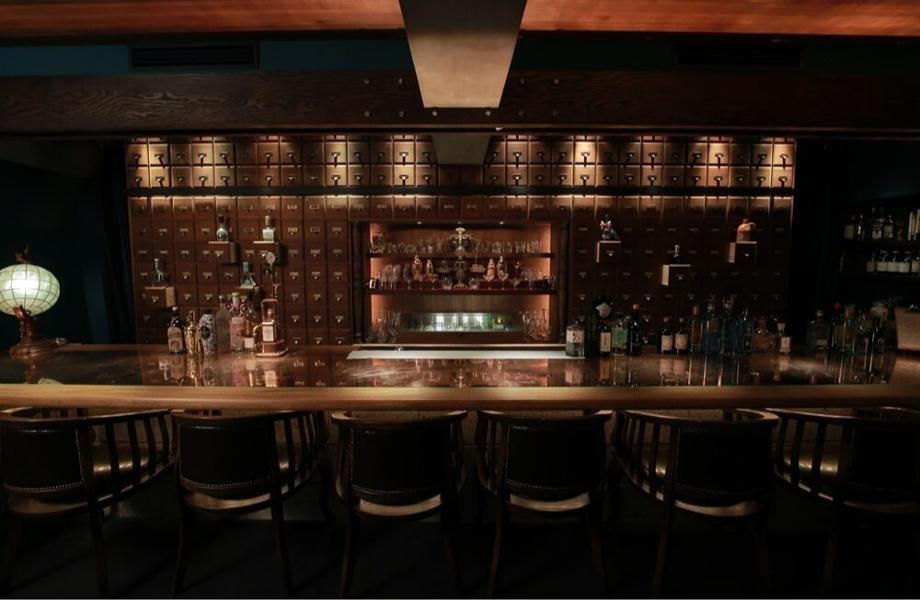
Bars in Osaka
Browse all →


Hotels in Osaka
Browse all →




Wineries in Osaka
Browse all →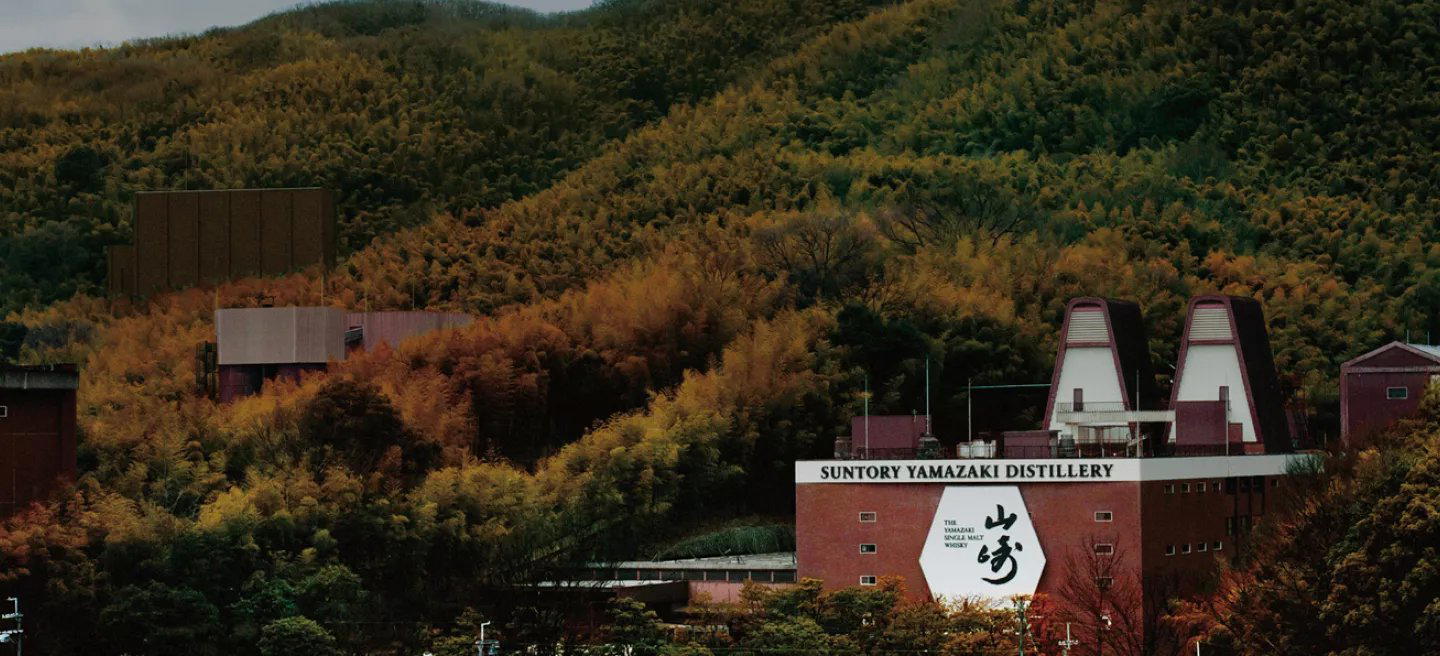
At a Glance
- Modern
- Cozy
- Intimate
- Sophisticated
- Business Dinner
- Date Night
- Casual Hangout
- Group Dining
- Open Kitchen
- Private Dining
- Extensive Wine List
- Sake Program
- Local Sourcing
Warm interior with fully open kitchen, counter seats, wooden tables, and private room, offering a cozy and attentive atmosphere.