Located on Rue Médéric in Paris's 17th arrondissement, Prout Prout sits within a neighbourhood that quietly sustains a serious local dining culture, away from the tourist-facing concentrations of the 1st and 8th. The address places it in a residential pocket where regulars rather than first-timers set the room's tone, a reliable signal in Paris that a kitchen is earning repeat business on merit.
Pearl is the En Primeur Club membership app — saves, bookings, and concierge access live there. Same editors, same standards.
- Address
- 19 Rue Médéric, 75017 Paris, France
- Phone
- +33983700506
- Website
- proutprout17.fr
- Directions
- Get directions
 Saves & bookings on Pearl
The 17th and the Question of Where Paris Actually Eats
Paris dining conversation tends to cluster around a familiar set of postcodes: the palatial rooms of the 8th, the bistro density of the 11th, the natural-wine corridors of the 9th and 10th. The 17th arrondissement rarely leads those conversations, which is precisely why it rewards attention. The neighbourhood around Parc Monceau and the streets radiating from Place des Ternes has long sustained a serious residential dining culture, one that answers to returning locals rather than seasonal tourism. Prout Prout is a Modern French Neo-Bistro at 19 Rue Médéric, 75017 Paris, France, with. It sits inside that quieter ecology.
Rue Médéric itself is a short, mostly residential street that connects the Monceau axis to the broader 17th grid. It is not a dining destination in the way that Rue du Faubourg Saint-Antoine or Rue de Bretagne are destinations. A restaurant choosing that address is, in effect, choosing a local audience, and accepting that its reputation will be built through word of mouth and repeat visits rather than foot traffic or tourist proximity. In a city where the distinction between neighbourhood address and destination address maps almost directly onto a restaurant's identity, that choice carries weight.
French Dining Traditions and the Local Room
The broader French culinary tradition has always maintained a distinction between the grand restaurant, the kind with formal service, multi-course architecture, and a room designed for occasion, and the local table, where cooking is direct, the format is unfussy, and the relationship between kitchen and regular is the point. Paris has both in abundance, and the tension between them is part of what makes the city's dining culture generative. Houses like L'Ambroisie (French, Classic Cuisine) and Le Cinq at the Four Seasons Hôtel George V occupy the formal end of that spectrum at the €€€€ tier, while the city's neighbourhood rooms operate at a different register entirely, less ceremony, more consistency.
That neighbourhood register is where the 17th has historically been strong. The arrondissement has produced and sustained serious cooking without the institutional apparatus of a Michelin-starred dining room. Across France, the same pattern holds in different forms: Auberge de l'Ill in Illhaeusern and Troisgros in Ouches represent the destination end of regional French cooking, while the city's local rooms do something different, they hold a neighbourhood together around a table.
The Cultural Roots of the Parisian Local Table
Understanding a place like Prout Prout requires some context about what the Parisian local restaurant actually does culturally. In France, the neighbourhood restaurant is not simply a convenience, it is a civic institution. The idea that a community anchors itself partly around shared tables is embedded deeply enough in French culture that UNESCO recognised the French gastronomic meal as intangible cultural heritage in 2010. That recognition was not about haute cuisine specifically; it was about the social practice of sitting down together, of the meal as a structured, meaningful event rather than a transaction.
The local room in Paris inherits that tradition without the formality. It is where the format is adapted to daily life: a shorter menu, a more direct relationship between what is in season and what arrives on the plate, a room where the same faces appear week after week. This is the tradition that addresses like Rue Médéric support. For comparison, the creative ambition visible at Alléno Paris au Pavillon Ledoyen or the Franco-Japanese synthesis at Kei represents a different register, destination dining that draws from across the city and beyond. The neighbourhood room serves a different, and in some ways more demanding, audience: people who will return next week.
Across France's broader dining geography, houses that have defined regional identity, Bras in Laguiole, Flocons de Sel in Megève, AM par Alexandre Mazzia in Marseille, all operate with a strong sense of place as the organising principle. At the neighbourhood scale, the same logic applies: the room exists in relationship to its street, its regulars, its immediate context.
Placing Prout Prout in Its comparable set
Without published pricing, capacity data, or awards on record, it is not possible to position the restaurant precisely against the 17th's established rooms or against the broader Paris neighbourhood dining tier. What the address signals is clear enough: a restaurant on a short residential street in the Monceau pocket is not competing with the grand brasseries of the 8th or the natural-wine rooms of the 10th. It is competing for the loyalty of people who live nearby and eat out regularly.
That competitive set is actually more demanding than it might appear. Parisian neighbourhood regulars are knowledgeable, opinionated, and loyal when a kitchen earns it, and quick to move on when it does not. The restaurants that endure in that environment do so because the cooking is consistent and the room feels like it belongs to its neighbourhood rather than performing for an outside audience.
For context on how France's most recognised kitchens operate at different scales, see Paul Bocuse in Collonges-au-Mont-d'Or, Assiette Champenoise in Reims, Au Crocodile in Strasbourg, and Auberge du Vieux Puits in Fontjoncouse. For destination-level dining in Paris itself, Arpège remains the reference point for produce-driven, vegetable-forward haute cuisine. And for how French culinary tradition translates to international rooms, Le Bernardin in New York City and Atomix in New York both illustrate how far the dialogue extends.
Know Before You Go
- Address: 19 Rue Médéric, 75017 Paris, France
- Arrondissement: 17th (Monceau / Ternes area)
- Nearest Metro: Courcelles (Line 2) or Wagram (Line 3) are the closest stations to Rue Médéric
- Booking is recommended.
- Price range: about $35 per person.
- Hours: Mon: 12–2 PM; Tue: 12–2 PM, 7–10 PM; Wed: 12–2 PM, 7–10 PM; Thu: 12–2 PM, 7–10 PM; Fri: 12–2 PM, 7–10 PM; Sat: 12–2 PM, 7–10 PM; Sun: 11:30 AM–3 PM.
Peers in This Market
Comparable venues nearby, for context on price, style, and recognition.
| Venue | Cuisine | Price | Notes |
|---|---|---|---|
| Prout ProutThis venue — the venue you are viewing | Modern French Neo-Bistro | $$ | Not listed |
| Le Garde-Manger des Dames | Bio French Locavore Cafe | $$ | Batignolles |
| La Mère Catherine | Traditional French Bistro | $$ | Montmartre |
| Le Café des Musées | Traditional French Bistro | $$ | Le Marais |
| Vins des Pyrénées | Classic French Bistro | $$ | Le Marais |
| A La Renaissance | Classic French Bistro | $$ | Bastille |


At a Glance
- Cozy
- Modern
- Casual Hangout
- Date Night
- Terrace
Current opening hours
- Monday
- 12–2 PM
- Tuesday
- 12–2 PM, 7–10 PM
- Wednesday
- 12–2 PM, 7–10 PM
- Thursday
- 12–2 PM, 7–10 PM
- Friday
- 12–2 PM, 7–10 PM
- Saturday
- 12–2 PM, 7–10 PM
- Sunday
- 11:30 AM–3 PM
Hours can change for holidays and private events. Last verified .
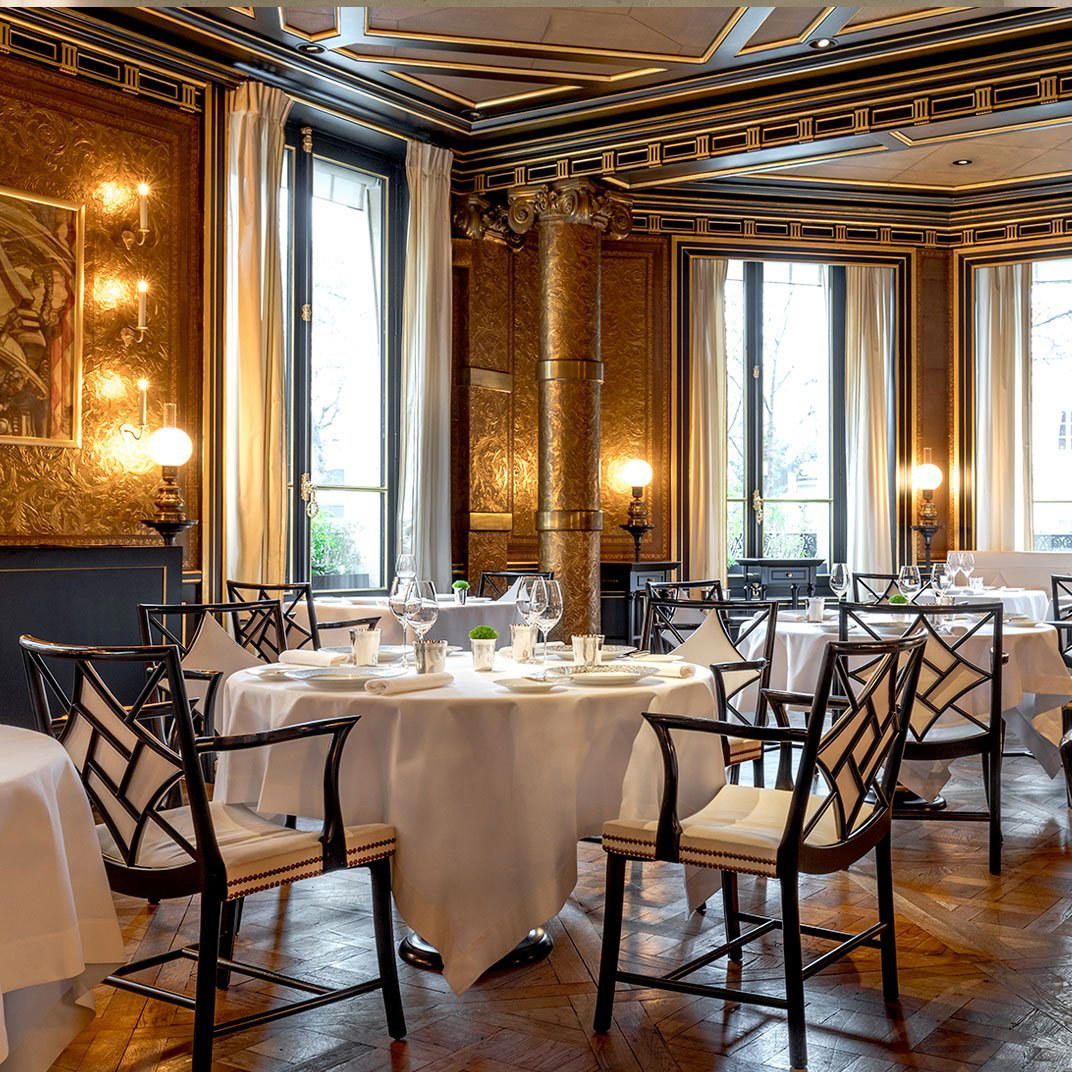
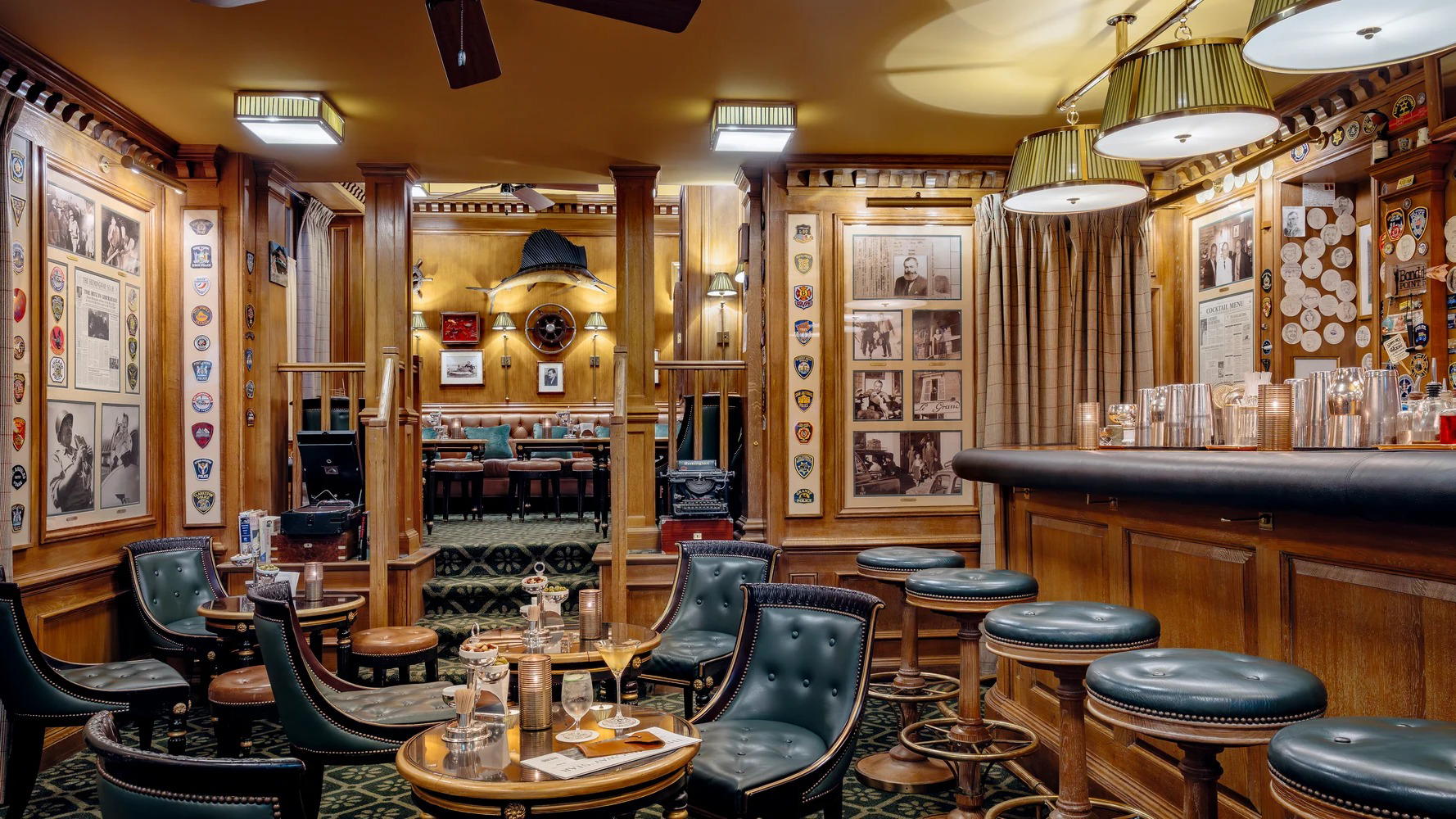
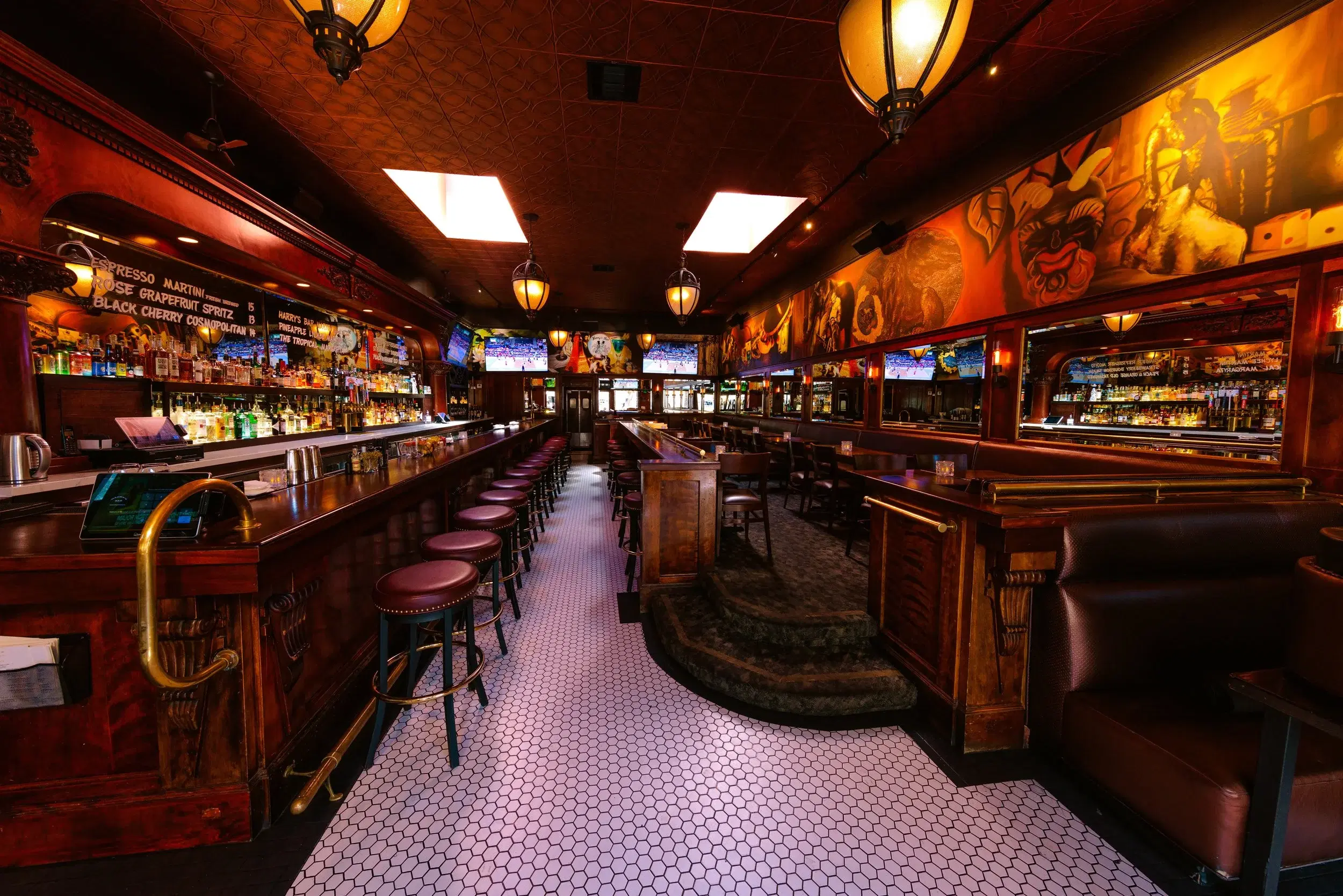
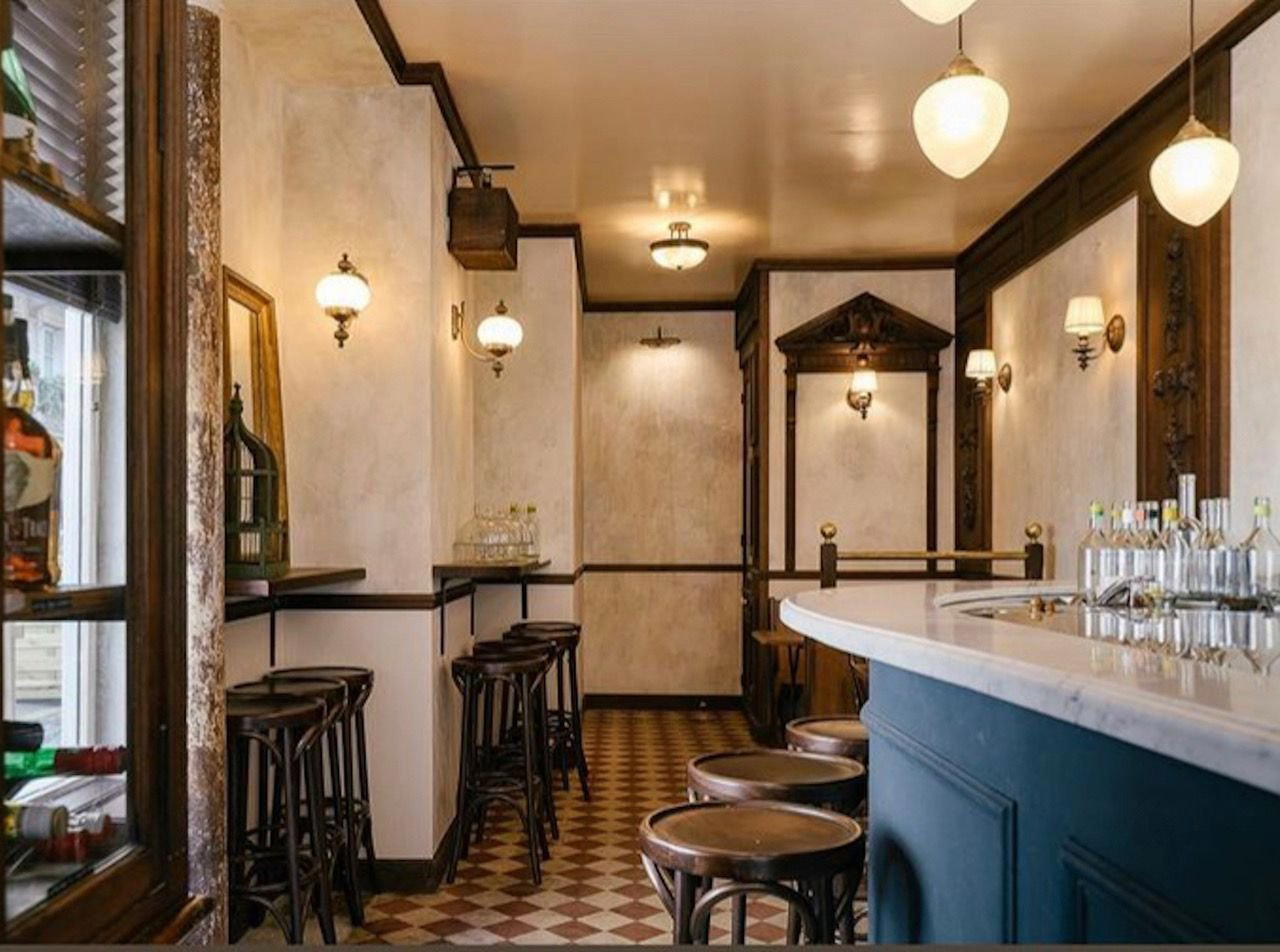
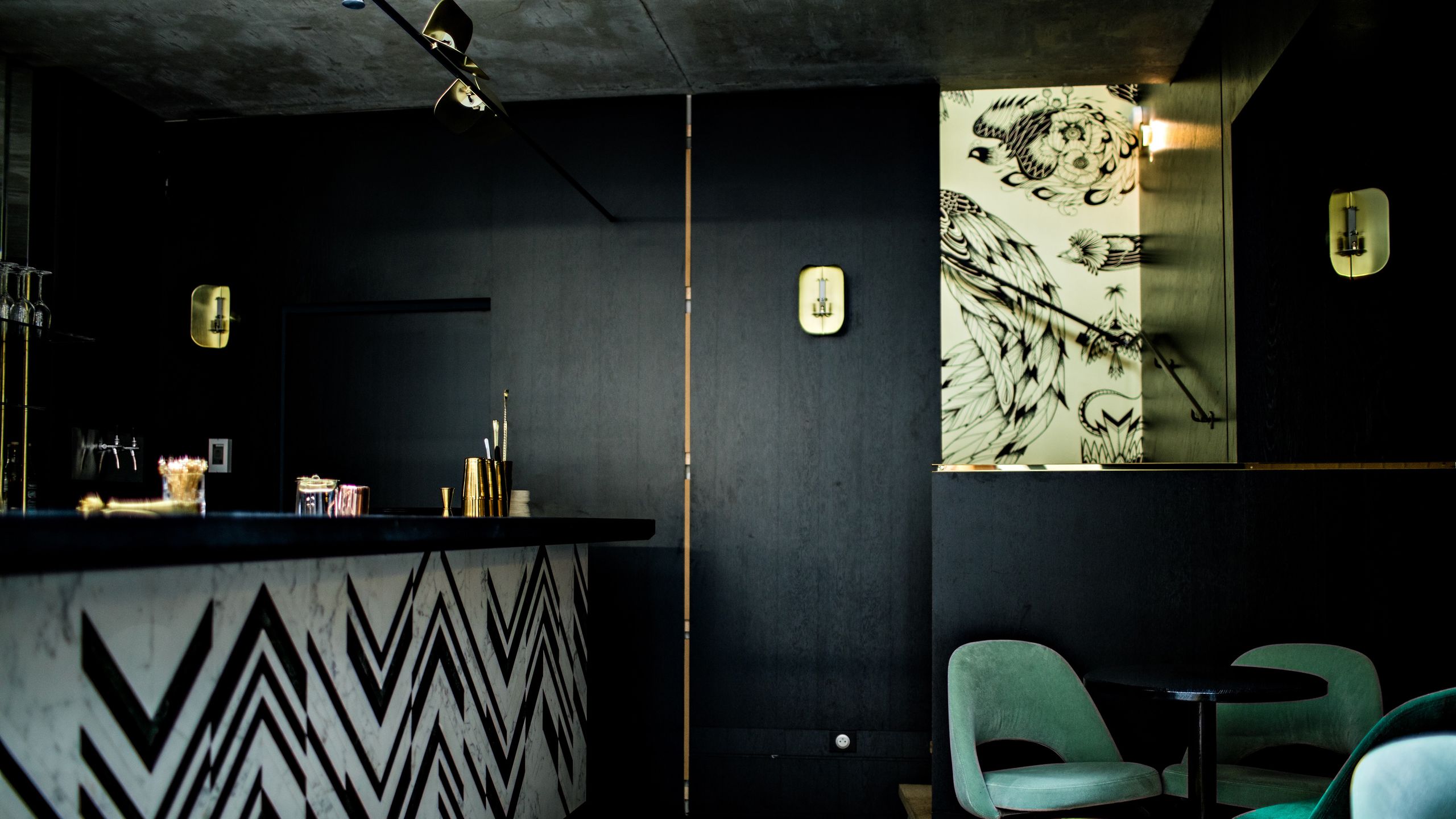
Pleasant setting with friendly atmosphere, not too noisy, featuring a neo-bistro vibe.