"Le Garde-Manger des Dames, Batignolles by Brand Brothers. Locavore? Isabelle’s shop lists the stronger producers within a radius of 200km around Paris. Enough to offer you seasonal and good products.A straight relationship is primordial for the owner of the place and her suppliers, which allow Isabelle to prepare some sandwiches, salads, pies… Some dishes to go that allow people to eat quality every day."
- Address
- 26 Rue des Dames, 75017 Paris, France
- Phone
- +33 7 82 69 85 21
- Website
- legardemangerdesdames.fr
- Directions
- Get directions
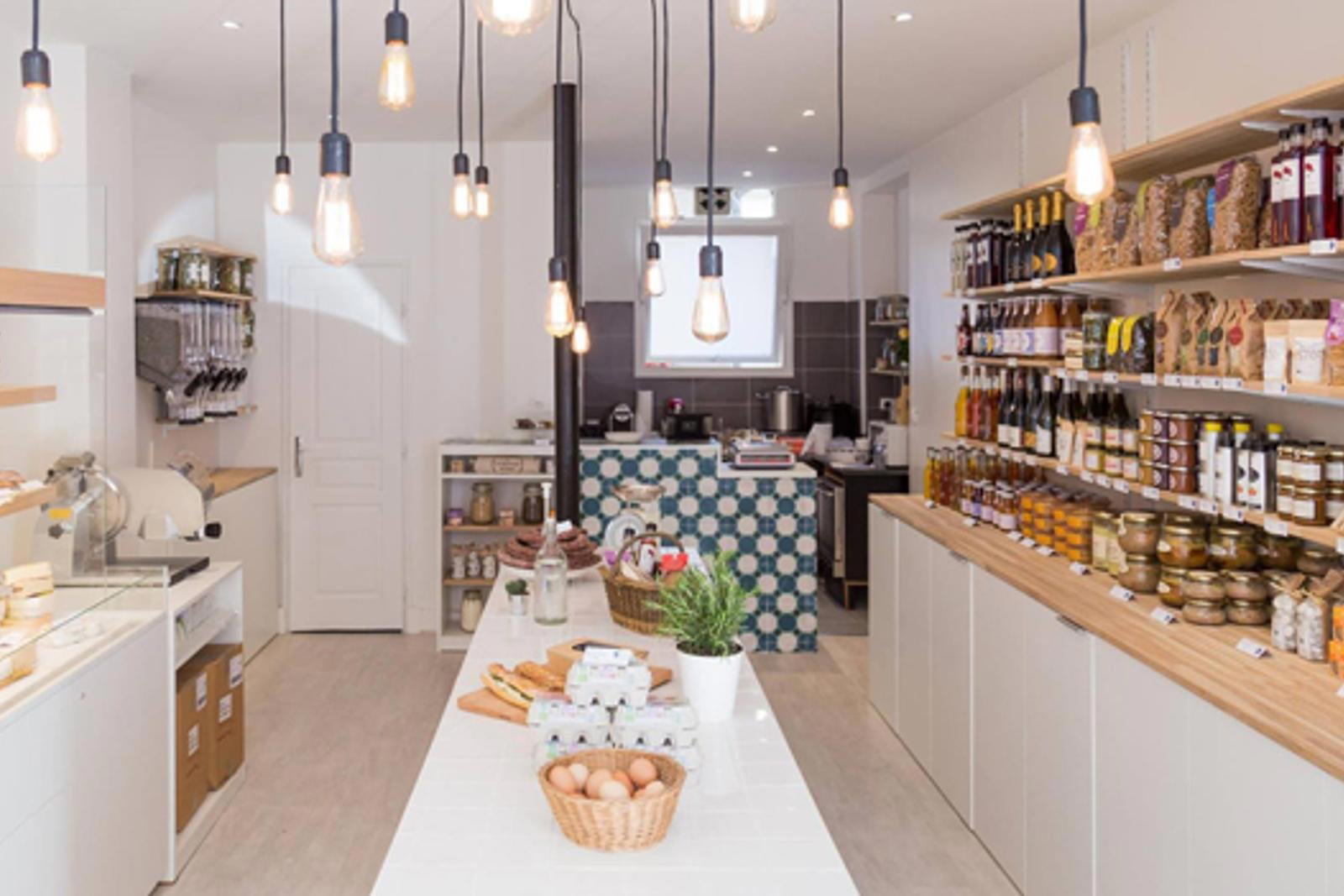
Rue des Dames and the 17th's Quieter Culinary Register
Paris's 17th arrondissement has never been the city's loudest dining address. The grands boulevards and Haussmann-era brasseries that define its northern edge give way, closer to the Batignolles quarter, to a more domestic rhythm: smaller shopfronts, neighbourhood wine bars, and the kind of addresses that function more as local institutions than as destinations for the international circuit. Rue des Dames sits at the heart of this register, and Le Garde-Manger des Dames at number 26 is precisely the kind of address this street produces. The name itself signals the register: garde-manger, the larder, the cold store, the working part of the kitchen where produce is held and prepared rather than performed.
That positioning matters more in contemporary Paris than it might appear. The top tier of the city's restaurant scene, from the formal grandeur of L'Ambroisie in the 4th to the creative ambition of Alléno Paris au Pavillon Ledoyen on the Champs-Élysées, operates at a price point and a formality that few Parisians engage with on a regular basis. Below that, and often more interesting for the way it absorbs technique without importing ceremony, sits a tier of neighbourhood-anchored addresses where cooking standards have risen sharply over the past decade without the cover charge to match.
Where Larder Logic Meets Borrowed Technique
The editorial angle that frames Le Garde-Manger des Dames most accurately is one that applies across a cohort of Paris bistros over the past decade or so: the application of formal culinary method to produce-led, market-driven cooking at a neighbourhood scale. French kitchens have always held product at the centre, but the generation of cooks who trained under the influence of international technique, whether Scandinavian precision, Japanese product reverence, or the Basque-country sourcing discipline that informed Michel Guérard's cooking at Les Prés d'Eugénie, brought a new rigour to what a Paris larder could mean.
At the regional level, this intersection of local ingredients and imported or absorbed technique has shaped some of France's most significant tables. Bras in Laguiole built its reputation on the Aubrac plateau's plant life rendered through a technically demanding kitchen. Flocons de Sel in Megève applies precision technique to Alpine seasonal ingredients in a way that makes the mountain larder the point, not the backdrop. In Paris itself, Kei represents perhaps the sharpest example of global technique meeting French product, its Japanese-trained kitchen working through classic French ingredients with a different set of tools. Le Garde-Manger des Dames operates at a smaller, less ceremonial scale than any of these, but the underlying logic, that the larder's contents are the story and technique is the means of telling it, is consistent.
The 17th's Position in the Paris Restaurant Map
Understanding where Le Garde-Manger des Dames sits requires understanding what the Batignolles area of the 17th has become. For the better part of two decades, the neighbourhood attracted a younger, more food-literate demographic priced out of the Marais and the tighter streets of the 6th, and the restaurant supply followed. Natural wine bars, market-focused bistros, and small counters with serious cooking began to cluster around the Place du Dr.-Félix-Lobligeois and along the streets that radiate from it, of which Rue des Dames is one of the most commercially active.
This is a different city from the one visible at Le Cinq at the Four Seasons Hôtel George V or at Arpège in the 7th, where the dining room itself is part of the proposition and the formality is calibrated accordingly. The Batignolles version of serious eating is more compressed: smaller rooms, shorter menus, less distance between kitchen and table, and a customer base that expects the cooking to carry the experience without theatrical staging. That compression, in the right hands, concentrates rather than diminishes.
For a broader map of where addresses like this fit within the full range of Paris dining, the EP Club Paris restaurants guide traces the city's different tiers and neighbourhoods in detail.
What the Name Implies About the Kitchen
A garde-manger in the classical brigade system is not a finishing station. It handles cold preparations, terrines, charcuterie, composed salads, and the mise en place that precedes service. Naming a restaurant after this part of the kitchen is, in France, a deliberate signal: the work happens before the plate arrives, in the selection and handling of produce rather than in last-minute heat and drama. Addresses that align themselves with this logic tend to be product-obsessive in a way that distinguishes them from kitchens where technique is the primary display.
The French provincial tradition has long understood this. Tables like Auberge de l'Ill in Illhaeusern and Auberge du Vieux Puits in Fontjoncouse built their reputations on a larder logic tied to specific terroirs, sourcing from within defined radii and building menus around what was genuinely in season. In Paris, where the producer relationship requires more deliberate construction, the same principle demands more effort to sustain: direct relationships with market stallholders at Rungis or at the Batignolles organic market, and menus that shift with the week rather than the season alone.
Internationally, the same tension between local product and imported technique appears at very different price points. Mirazur in Menton resolves it through a kitchen garden and a biodynamic calendar. Le Bernardin in New York resolves it through absolute product primacy in a different national context. Lazy Bear in San Francisco takes a communal format and applies it to Northern California's agricultural depth. Each represents a different answer to the same underlying question about where the kitchen's authority comes from.
Planning a Visit
Le Garde-Manger des Dames is at 26 Rue des Dames in the 17th arrondissement, within walking distance of the Place de Clichy metro station and the Batignolles organic market, which runs on Saturday mornings and draws the neighbourhood's more produce-focused kitchens into its orbit. Addresses at this tier and in this neighbourhood tend to fill quickly on weekend evenings, and even weekday lunch service can be compact. Arriving without a reservation is a risk worth measuring against the alternatives.
For comparison, the broader French regional circuit that connects the produce-led tradition from the Alps to Languedoc and into the Loire includes addresses like Troisgros in Ouches, Georges Blanc in Vonnas, Paul Bocuse in Collonges-au-Mont-d'Or, and La Table du Castellet in the Var, each of which operates at a different scale and price tier but within the same overarching tradition that addresses like Le Garde-Manger des Dames distil to a neighbourhood format in Paris.
The Quick Read
| Venue | Cuisine | Price |
|---|---|---|
| Le Garde-Manger des DamesThis venue — the venue you are viewing | Not listed | Not listed |
| Alléno Paris au Pavillon Ledoyen | Creative | €€€€ |
| Kei | Contemporary French, Modern Cuisine | €€€€ |
| L'Ambroisie | French, Classic Cuisine | €€€€ |
| Le Cinq - Four Seasons Hôtel George V | French, Modern Cuisine | €€€€ |
| Pierre Gagnaire | French, Creative | €€€€ |
Continue exploring
More in Paris
Restaurants in Paris
Browse all →

Bars in Paris
Browse all →
Hotels in Paris
Browse all →

At a Glance
- Cozy
- Warm
- Casual Hangout
- Local Sourcing
- Organic
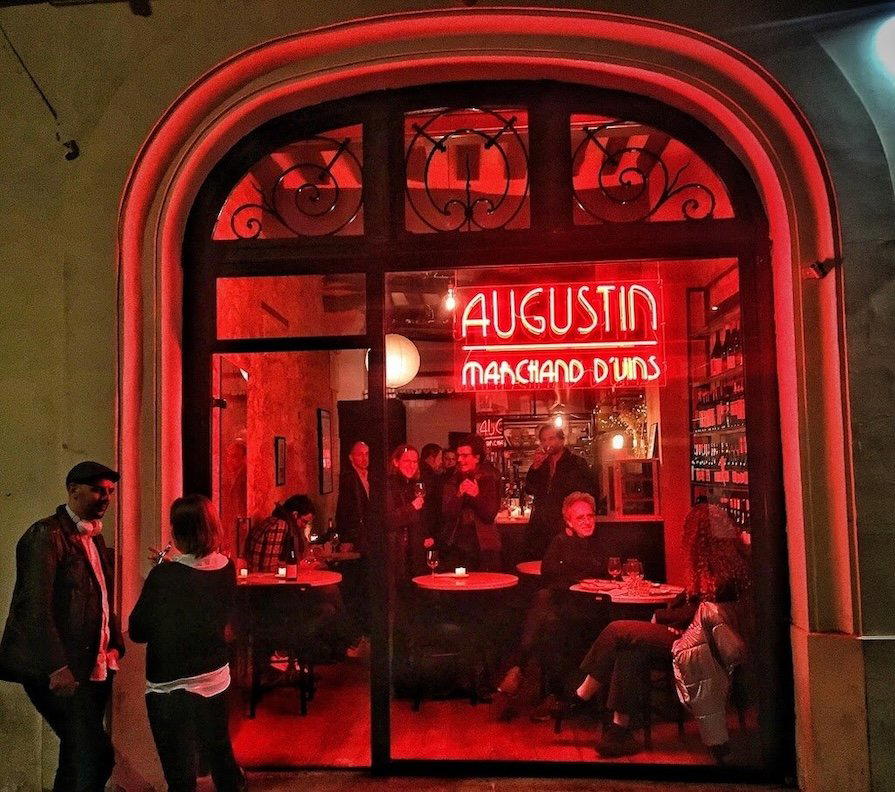
Chaleureuse ambiance with a welcoming, neighborhood feel.
Know Before You Go
- Getting there
- 26 Rue des Dames, 75017 Paris, France