Place du Tertre and the Weight of History Approach Place du Tertre on a grey November morning, before the portrait artists have set up and before the tourist coaches have released their first wave, and the square reads differently than its...
Pearl is the En Primeur Club membership app — saves, bookings, and concierge access live there. Same editors, same standards.
- Address
- 6 Pl. du Tertre, 75018 Paris, France
- Phone
- +33146063269
- Website
- lamerecatherine.com
- Directions
- Get directions
 Saves & bookings on Pearl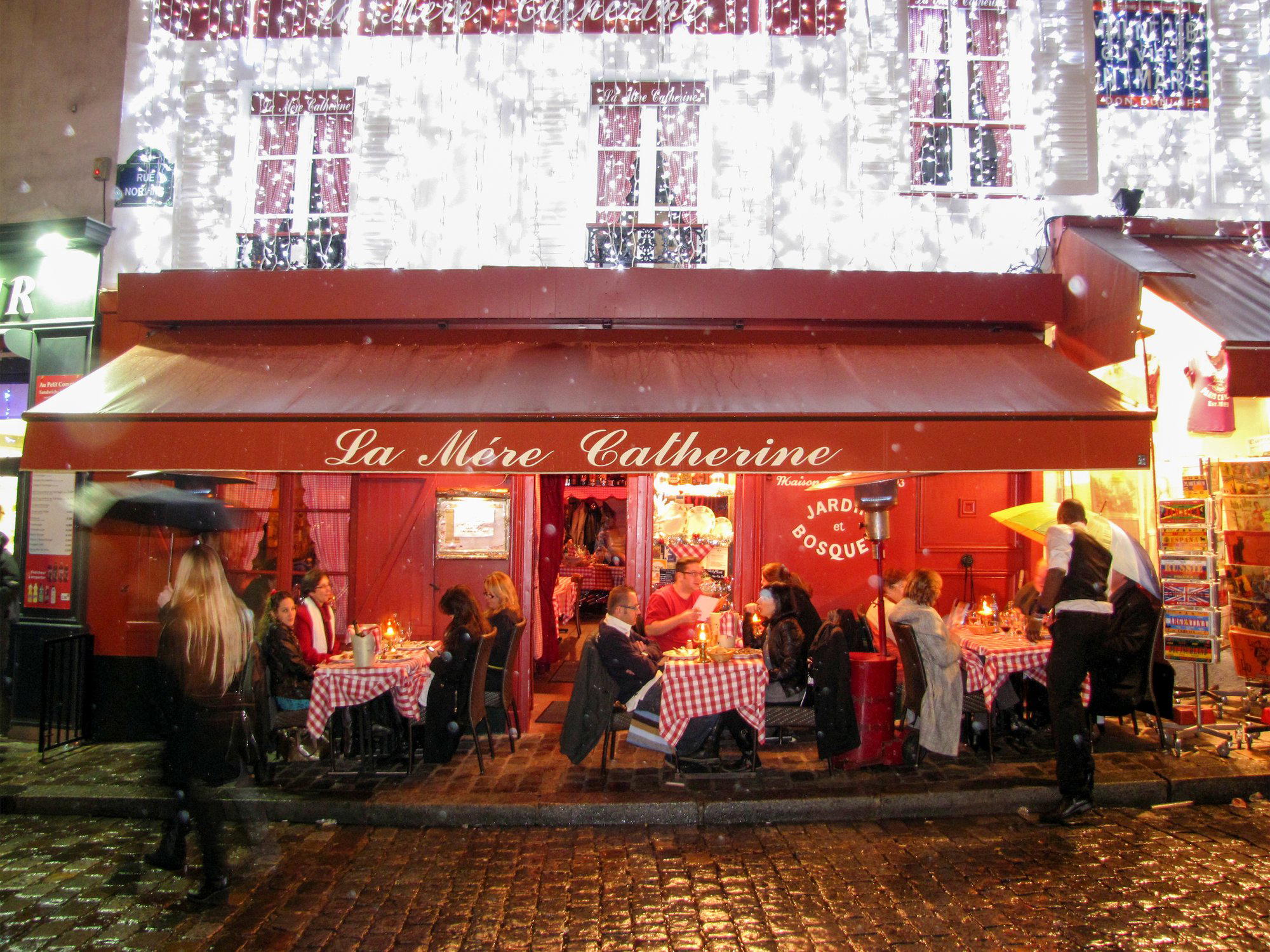
Place du Tertre and the Weight of History
Approach Place du Tertre on a grey November morning, before the portrait artists have set up and before the tourist coaches have released their first wave, and the square reads differently than its summer reputation suggests. The cobblestones are damp, the cafe awnings are half-furled, and the restaurants ringing the perimeter carry the particular stillness of rooms that have absorbed a great deal of time. La Mère Catherine occupies a corner of that perimeter with the quiet authority of a building that has been here since 1793, when Montmartre was still a village outside Paris proper and dining out carried a different set of social meanings entirely.
That founding date matters less as a marketing credential than as a structural fact about what kind of restaurant this is. Places that have operated continuously across multiple centuries in a single neighbourhood are not common anywhere in Europe, and they are particularly rare in a city that has systematically reinvented its restaurant culture with each passing generation. While contemporary Paris produces technically demanding tasting menus at addresses like Alléno Paris au Pavillon Ledoyen and intricate cross-cultural propositions at Kei, La Mère Catherine operates in a register that those places have deliberately moved away from: the long-established neighbourhood restaurant as civic institution.
Montmartre's Dining Character
The 18th arrondissement has a complicated relationship with its own culinary identity. The lower slopes, toward Pigalle and the base of the Butte, have seen genuine neighbourhood restaurant culture develop over the past decade, with a younger generation of chefs producing food that sits closer in spirit to the natural wine bars of the 11th than to the formal dining rooms of the 8th. Place du Tertre itself, at the hill's summit, occupies a different position: it has been a tourist destination for so long that the restaurants here are evaluated on different terms than those below. Longevity, atmosphere, and a certain legibility of purpose become the relevant criteria rather than seasonal sourcing programs or tasting menu architecture.
That context is worth holding onto when situating La Mère Catherine. In a neighbourhood where restaurants frequently trade on the idea of Montmartre rather than the substance of it, an address with a documented history going back to the revolutionary period carries a different kind of weight. The question worth asking is not whether the cooking matches what you would find at L'Ambroisie on the Place des Vosges or at Le Cinq in the 8th, but whether the experience of eating here connects to something the city's more technically ambitious rooms have set aside.
Local Ingredients, Classic French Method
The editorial angle worth applying to traditional Montmartre brasseries like La Mère Catherine is the relationship between local market sourcing and the inherited techniques of French bourgeois cooking. The broader French restaurant tradition, particularly in its pre-nouvelle cuisine form, was built on the disciplined application of classical method to regionally available ingredients: the right cut, the right stock, the right time on the heat. That approach produced dishes whose identity came from technique as much as from provenance, and it generated a culinary language that spread outward from France into the wider world.
Restaurants rooted in that tradition sit at a different point in the culinary conversation from places like Mirazur in Menton, where Mauro Colagreco's three-Michelin-star kitchen runs on biodynamic garden cycles, or Bras in Laguiole, where the surrounding plateau has shaped the menu for decades. The regional restaurants of provincial France, from Auberge de l'Ill in Illhaeusern to Troisgros in Ouches, have answered that question through the particularity of their terroir. A Paris brasserie at the summit of Montmartre answers it differently: through the city itself as context, and through the accumulated expectations of two centuries of diners.
That is not a lesser answer, but it is a different one. The intersection of classical French method and Parisian market access has historically produced cooking that is generous, direct, and calibrated to a broad audience. At its most accomplished, it is the cooking that gave French cuisine its international reputation, the same tradition that crossed the Atlantic and informed the approach of kitchens like Le Bernardin in New York, where Eric Ripert's classical French grounding remains the technical foundation.
Where This Address Sits in the Broader French Picture
France's three-Michelin-star rooms have consistently pushed toward refinement and invention. Paul Bocuse's Auberge du Pont de Collonges near Lyon held its three stars for decades on the strength of dishes that became French culinary reference points. Auberge du Vieux Puits in Fontjoncouse and Assiette Champenoise in Reims represent the serious regional dining that has long coexisted with Paris's more visible restaurant culture. Even at the creative end, places like AM par Alexandre Mazzia in Marseille and Au Crocodile in Strasbourg draw on regional identity to anchor experimentation.
La Mère Catherine occupies none of those positions in the formal hierarchy. It is not a destination for the tasting-menu circuit, and it is not competing with the Arpège-tier rooms: Arpège under Alain Passard has spent thirty years redefining what a vegetable-centric kitchen can achieve at the highest level. What La Mère Catherine represents is something the French dining culture also needs: the long-established address that provides continuity with a culinary past that the starred rooms have largely moved beyond. That continuity has its own value, particularly for visitors whose interest in Paris extends to understanding how the city ate before tasting menus and natural wine became the defining categories.
The mountain restaurants of the Alps, such as Flocons de Sel in Megève, or the cross-cultural experiments visible at Atomix in New York demonstrate how far the field has travelled from the classical French brasserie model. Understanding where you are in that trajectory is part of what eating at an address like La Mère Catherine asks of you.
Planning Your Visit
Place du Tertre is busiest from late spring through early autumn, when the square fills from mid-morning onward. Coming in the colder months or arriving at an off-peak hour gives the square a quieter register that makes the historical density of the address easier to read. La Mère Catherine is located at 6 Place du Tertre in the 18th arrondissement, reachable from the Abbesses metro station with a short uphill walk or via the Montmartrobus.
For broader context on where this address sits within Paris dining, see our full Paris restaurants guide.
Quick reference: 6 Place du Tertre, 75018 Paris. Accessible via Abbesses metro (line 12).
How La Mère Catherine Paris compares with similar nearby venues.
| Venue | Cuisine | Price |
|---|---|---|
| a.lea | Modern Cuisine | €€ |
| L'Arcane | Contemporary French | $$$$ |



At a Glance
- Classic
- Cozy
- Well Known
- Historic
- Casual Hangout
- Group Dining
- Celebration
- Live Music
- Terrace
- Historic Building
- Extensive Wine List
- Street Scene
Current opening hours
- Monday
- 7 AM–2 AM
- Tuesday
- 7 AM–2 AM
- Wednesday
- 7 AM–2 AM
- Thursday
- 7 AM–2 AM
- Friday
- 7 AM–2 AM
- Saturday
- 7 AM–2 AM
- Sunday
- 7 AM–2 AM
Hours can change for holidays and private events. Last verified .
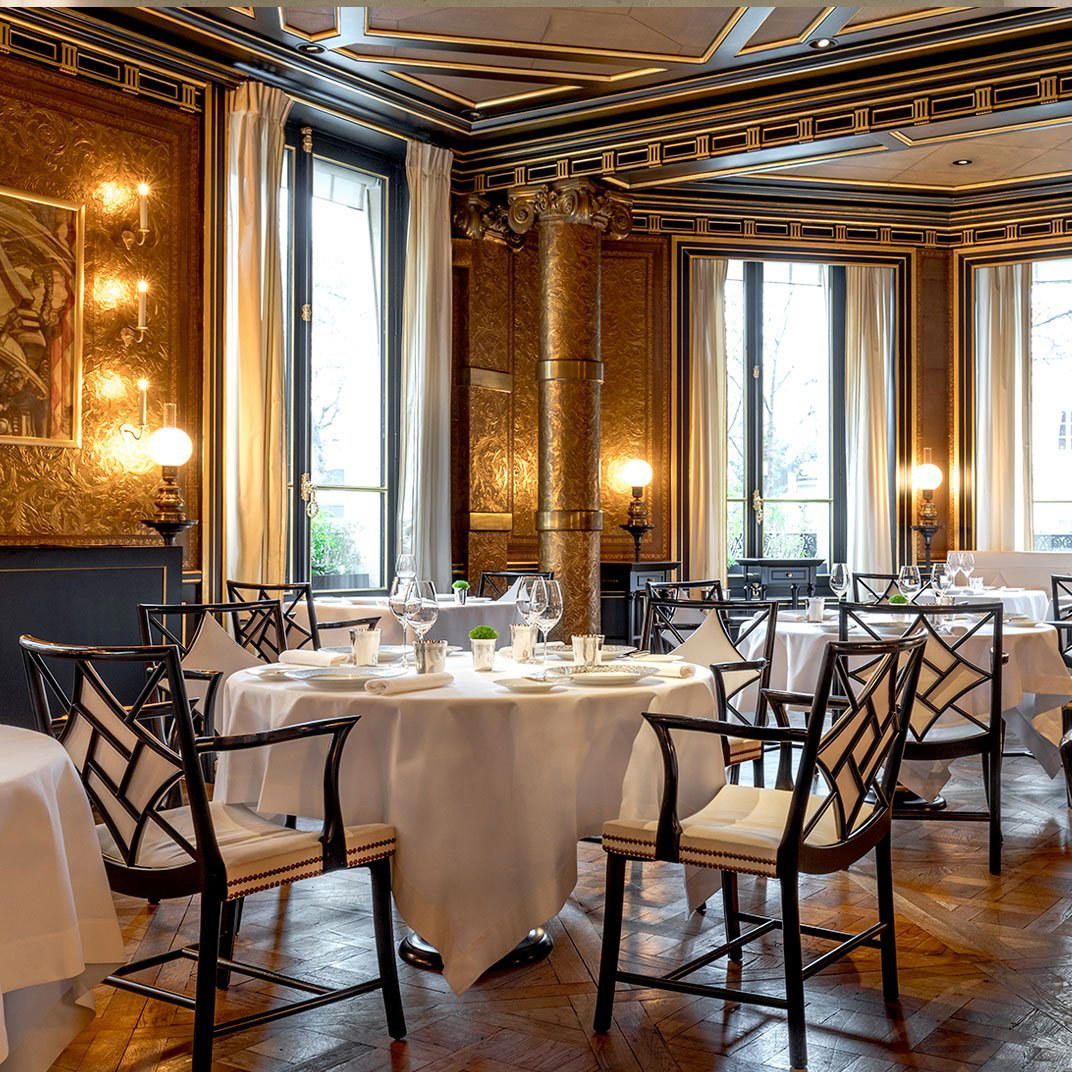
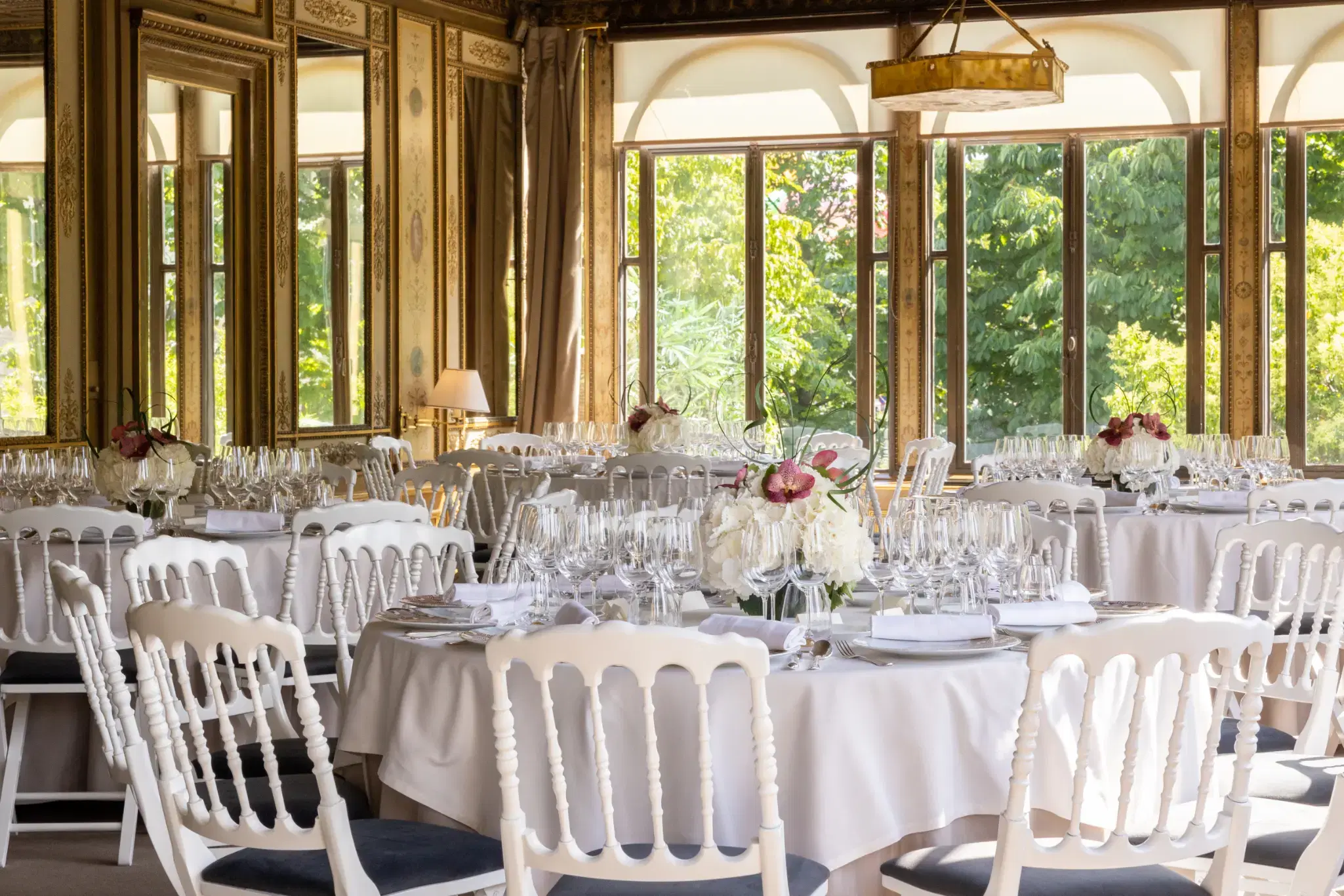
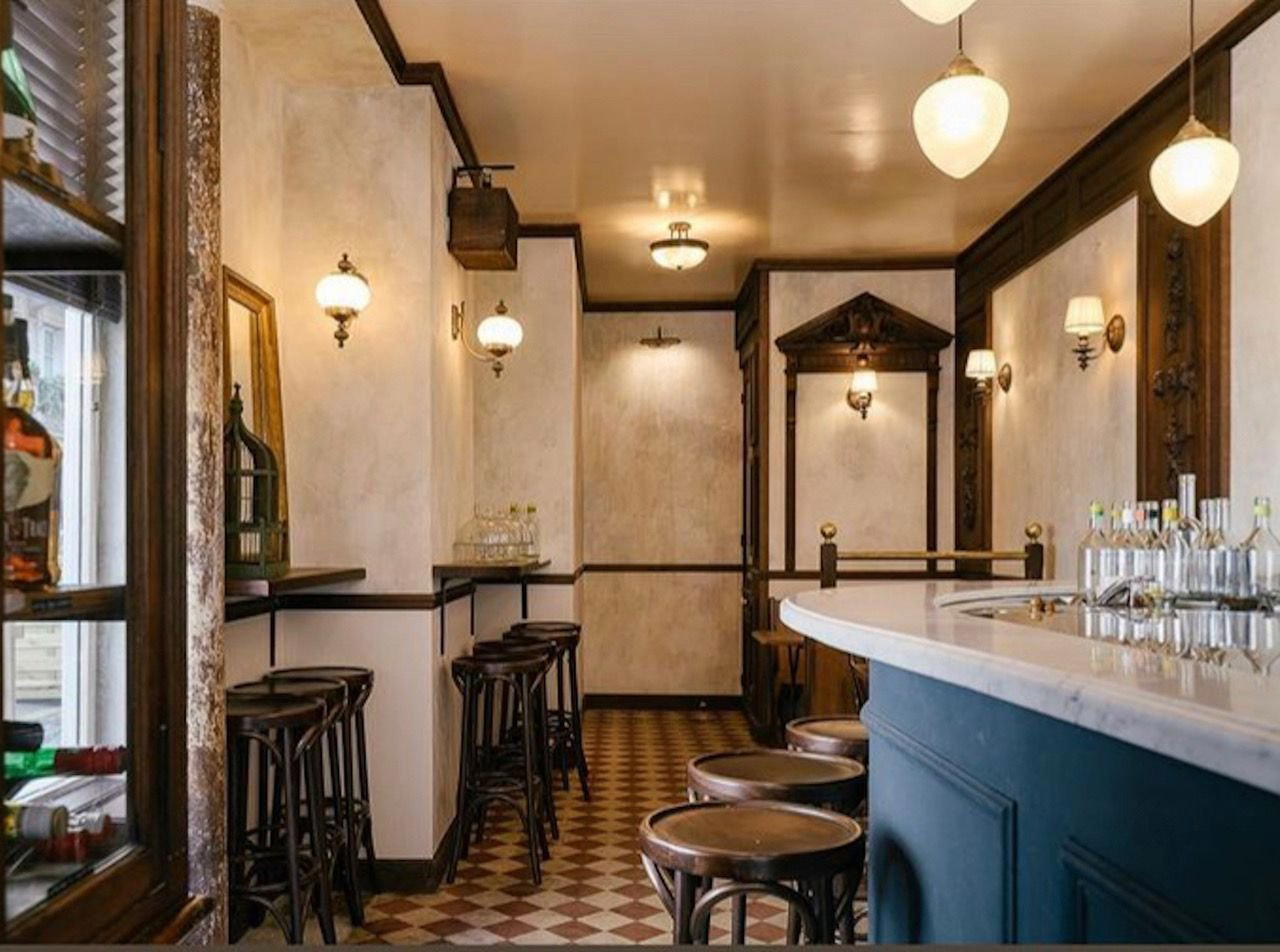
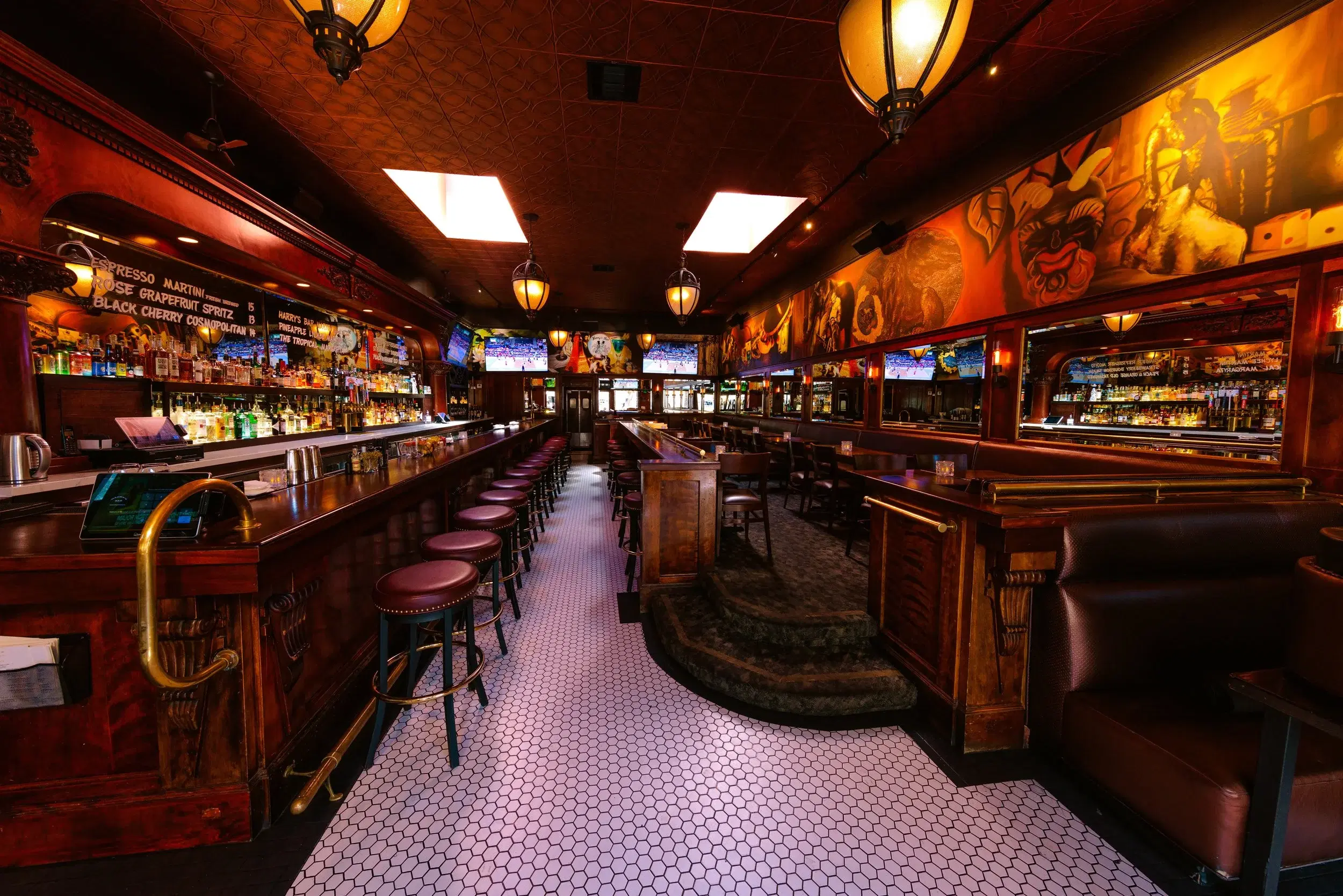
Warm and inviting with banquettes, old posters, checked tablecloths, and portraits of artists, evoking bohemian Montmartre.