On Rue de la Roquette in the 11th arrondissement, A La Renaissance sits in a neighbourhood where the gap between local bistro culture and destination dining has always been narrow. The address places it squarely in working-class-turned-creative Paris, where ingredient provenance and honest execution tend to matter more than formal ceremony. A considered option for those tracing the 11th's evolving food identity.
Pearl is the En Primeur Club membership app — saves, bookings, and concierge access live there. Same editors, same standards.
- Address
- 87 Rue de la Roquette, 75011 Paris, France
- Phone
- +33143798309
- Website
- alarenaissance.com
- Directions
- Get directions
 Saves & bookings on Pearl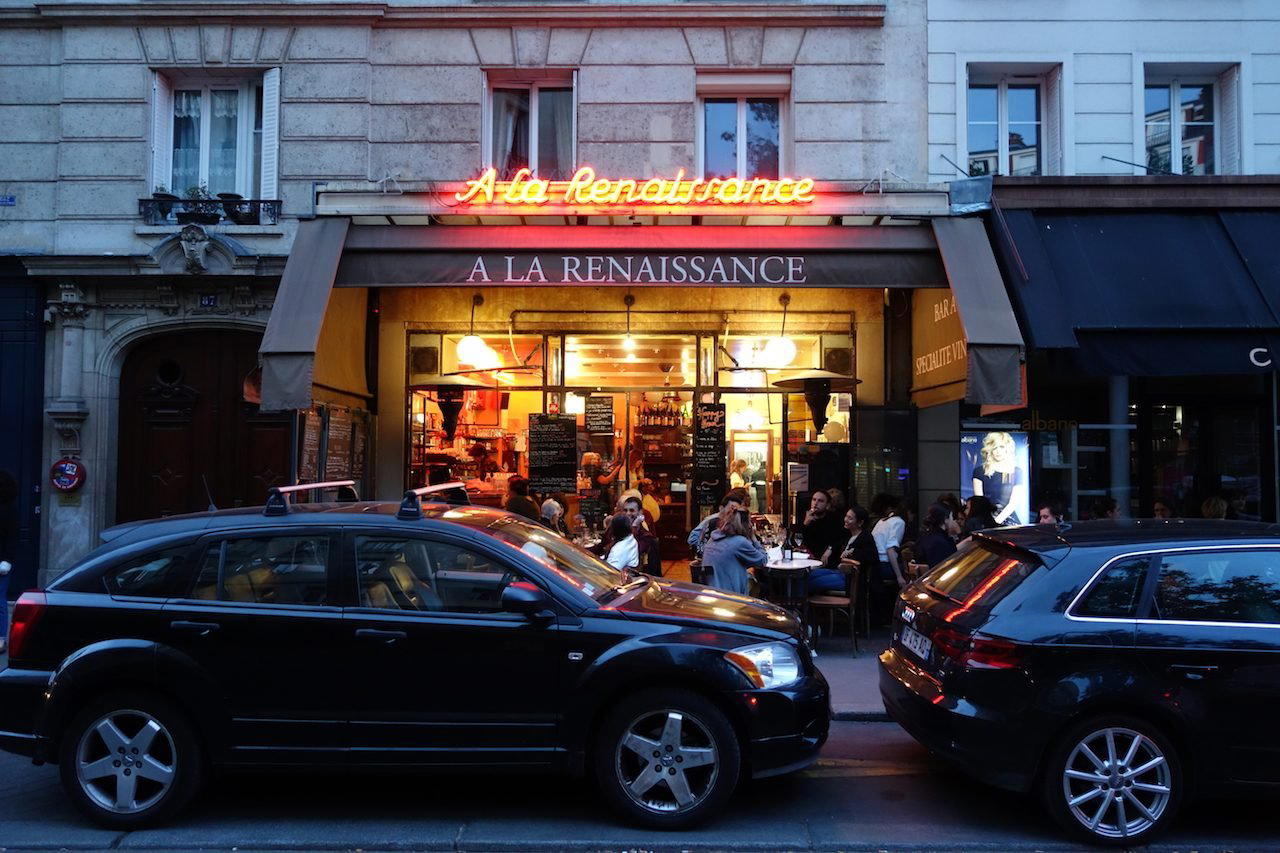
Rue de la Roquette and the 11th's Approach to Sourcing
The 11th arrondissement has long operated on a different frequency from the grand restaurant circuits of the 7th or 8th. Where addresses like Alléno Paris au Pavillon Ledoyen or Le Cinq at the Four Seasons George V anchor themselves to haute-cuisine formalism, the spine of the 11th running from Bastille toward Père Lachaise has built its reputation on something quieter: direct sourcing, neighbourhood loyalty, and cooking that does not perform its own seriousness. A La Renaissance is a Classic French Bistro at 87 Rue de la Roquette, 75011 Paris, France. It sits on a street that has historically threaded together craftsmen's workshops, café culture, and a food scene that prizes the producer relationship over the tasting-menu architecture.
That context matters when you consider what the 11th offers to a visitor in 2024. The arrondissement has attracted a generation of cooks who trained in formal kitchens and then moved east of the République to open smaller, more direct operations. The conversation in this part of Paris is frequently about where a product came from and how little was done to it on the way to the plate. It is a tradition with roots in French market cuisine and it connects the 11th to a broader national conversation about terroir-led cooking that runs from Bras in Laguiole to Mirazur in Menton.
Ingredient Provenance as the Central Argument
French restaurant culture at its most considered has always been a supply-chain argument before it is a culinary one. The kitchens that command sustained attention, whether that is Arpège with its biodynamic garden or Flocons de Sel with its Alpine proximity, tend to start with a position on sourcing and build technique around it. The 11th arrondissement's food identity follows a similar logic, scaled down to the neighbourhood level. Markets like the Marché de la Bastille on Boulevard Richard-Lenoir, open Thursday and Sunday mornings, have for decades provided the raw material for kitchens on Rue de la Roquette and the streets that branch from it. Seasonal availability dictates the menu in a way that is less a marketing claim and more a structural reality of how smaller operations in this part of Paris have always worked.
This sourcing orientation places venues in the 11th in a different competitive conversation from the classical French addresses of the Left Bank. L'Ambroisie on Place des Vosges or Kei near the Palais Royal operate within a formal canon where the product is in service of a codified style. In the 11th, the relationship tends to invert: the product defines what is possible on a given week, and the kitchen works within those constraints. For readers used to planning meals around fixed tasting menus, this distinction is worth sitting with before booking.
The Rue de la Roquette Address in Its Neighbourhood Frame
The physical character of Rue de la Roquette reinforces what the food scene implies. The street runs northeast from Bastille and passes through blocks that mix residential buildings, independent shops, and a density of bars and restaurants that has made the 11th one of the more active dining districts in the city without ever acquiring the tourist-destination weight of the Marais a few streets north. This is a neighbourhood where regulars eat regularly, not where visitors arrive for a single-occasion meal. That distinction shapes the room dynamic and the pacing of service in ways that do not translate easily to formal review criteria.
Across France, the addresses that tend to age well within their local contexts share a characteristic: they function as neighbourhood institutions rather than as destinations that draw from a national or international catchment. Auberge de l'Ill in Illhaeusern and Troisgros in Ouches operate at a different scale, but their durability rests partly on the same logic: they are embedded in a place rather than imported onto it. A La Renaissance's address on a working street in the 11th puts it in this tradition at the neighbourhood level, even if the comparison in scale is vast.
Positioning Within Paris Dining
Paris divides broadly into two restaurant economies. One is organised around destination meals, pre-trip planning, and formal occasions. Addresses like Assiette Champenoise in Reims or Au Crocodile in Strasbourg draw from outside their immediate geography. The other economy, which the 11th largely inhabits, runs on repeat visits, seasonal loyalty, and the accumulated trust of a local clientele. A La Renaissance belongs to the latter category. Visitors who understand this framing will approach the address differently from someone cross-referencing Michelin stars, and the experience will read more clearly for it.
For context on how seriously Paris takes its neighbourhood dining culture at both ends of the formality spectrum, the range runs from three-star addresses like Alléno Paris to small-room operations in the eastern arrondissements that generate no public accolades but hold the loyalty of their quartier over decades. Internationally, the French-trained tradition of prioritising product over technique has exported into restaurants like Le Bernardin in New York and hybrid formats like Atomix, though the register in the 11th is more direct and less ceremonial than either. See our full Paris restaurants guide for a wider mapping of the city's dining tiers.
Planning Your Visit
The restaurant is located at 87 Rue de la Roquette, 75011 Paris. Dress: The 11th's neighbourhood restaurant culture skews casual; smart-casual is a reliable default. Budget: Expect about US$25 per person.
Cuisine and Recognition
Comparable venues nearby, for context on price, style, and recognition.
| Venue | Cuisine | Price | Notes |
|---|---|---|---|
| A La RenaissanceThis venue — the venue you are viewing | Classic French Bistro | $$ | Not listed |
| Astier | Classic French Bistro | $$ | 11th Arr. |
| L'Atmosphère | French Bistro | $$ | 10e Arr. |
| Le Compas | Traditional French Brasserie | $$ | Bonne-Nouvelle |
| Cojean | French Healthy Fast Food | $$ | 8th Arrondissement |
| Au DéTour 18 | Traditional French Bistro | $$ | Batignolles |
Continue exploring
More in Paris
Restaurants in Paris
Browse all →
Bars in Paris
Browse all →
Hotels in Paris
Browse all →
Wineries in Paris
Browse all →
At a Glance
- Classic
- Cozy
- Trendy
- Date Night
- Casual Hangout
- After Work
- Terrace
- Historic Building
- Natural Wine
- Sommelier Led
- Natural Wine
- Street Scene
Current opening hours
- Monday
- 8 AM–1 AM
- Tuesday
- 8 AM–1 AM
- Wednesday
- 8 AM–1 AM
- Thursday
- 8 AM–1 AM
- Friday
- 8 AM–1 AM
- Saturday
- 8 AM–1 AM
- Sunday
- 8 AM–1 AM
Hours can change for holidays and private events. Last verified .
Cozy, moodier evening setting with classic bistro tiles, leather banquettes, neon signage, and infinity mirrors creating a charming old-world Parisian vibe.