
Chiba’s sweets culture has a serious address in Midoricho, where Kanmi Dokoro Kaede puts Japanese confectionery and kakigori into a small, specialist format rather than a casual café template. Its selection for Tabelog 100 Japanese traditional sweets and sweets cafés EAST 2023 signals a level of local confidence that matters in a category built on seasonality, texture, and restraint.
Pearl is the En Primeur Club membership app — saves, bookings, and concierge access live there. Same editors, same standards.
- Address
- Japan, 〒263-0023 Chiba, Inage Ward, Midoricho, 1 Chome−20−7 1階
- Phone
- +81 43-246-8118
- Website
- blog.livedoor.jp
 Saves & bookings on Pearl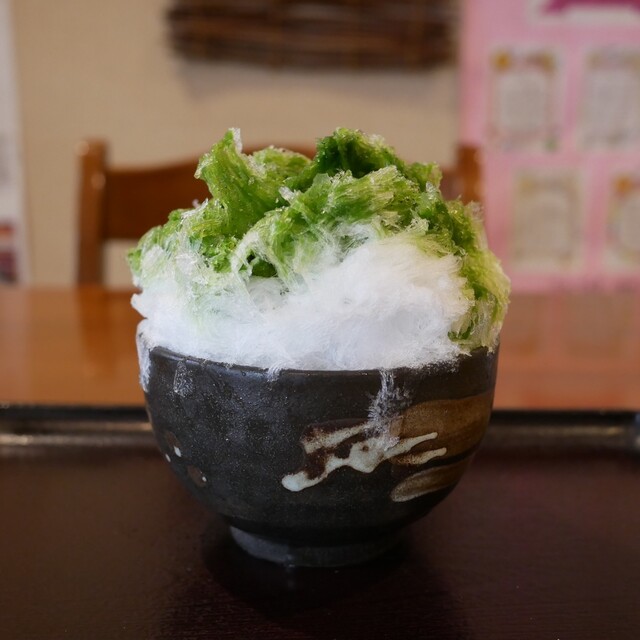
Around Nishi-Chiba’s small sweets cafés, the rhythm shifts from restaurant-hopping to something quieter: a counter, a pause, and the expectation that sugar is handled with discipline, not excess. In Japan, kanmi-dokoro culture sits between tea room, neighborhood café, and confectioner’s workshop. It rewards precision: beans cooked to hold shape, syrups that do not flatten the palate, shaved ice driven by texture as much as flavor. Kanmi Dokoro Kaede belongs to that Chiba tradition, where the point is control, not spectacle.
That control matters because Japanese sweets rarely forgive shortcuts. Wagashi and café-style kanmi are judged by balance, temperature, and sweetness moderated by tea, fruit, ice, or starch. A low-price format can be harder to execute than a formal tasting menu, because the craft must show without courses, service choreography, or wine. Here, the draw is the category itself: Japanese traditional sweets, sweets café service, and kakigori, a trio that places the shop with regional specialists rather than general dessert counters.
Chiba's sweets counter culture, read through ingredients rather than decoration
Japan’s strongest sweet shops reveal seriousness through sourcing logic, not florid presentation. Red bean, rice flour, matcha, seasonal fruit, syrup, and ice each carry rules, with a narrow margin for error. Kakigori has moved far beyond summer fairground associations; at specialist cafés it depends on ice texture, syrup density, and toppings that behave cleanly as the bowl melts. In that context, Kanmi Dokoro Kaede’s inclusion in Tabelog 100 Japanese traditional sweets and sweets cafés EAST 2023 is a useful signal, placing it in a competitive eastern Japan field where everyday pricing and technical repetition matter as much as destination prestige.
Chiba’s dining scene is often read through bigger meals: curry houses, sushi counters, tonkatsu shops, and neighborhood izakaya. The sweets category cuts across that map. It suits a city where railway-adjacent eating is practical, local, and often more rewarding than chasing a grand dining room. Nearby comparisons underline the spread: Bengal Tiger operates in a far higher dinner band, Tonkatsu Okura works in a hearty everyday lane, and Sushiei represents the sushi side of the city’s appetite. A sweets café occupies a different decision point, the hour between lunch and evening, when craft is measured in a bowl, cup, or small plate rather than a full meal.
That makes ingredients central. Japanese confectionery is not dessert after savory food; it is a separate discipline shaped by tea culture, seasonality, and regional preference. The gap between casual and serious often comes down to restrained sweetness, layered texture, and components that feel integrated rather than piled on. Kanmi Dokoro Kaede earns attention because the format asks diners to notice those details. The reward is calibration, not scale.
A small sweets room suits Nishi-Chiba better than a destination dining script
Nishi-Chiba feels like a practical urban pocket rather than a polished dining district. That helps the shop. A fourteen-seat sweets café belongs to repeatable neighborhood habits: a solo stop, a parent with a child, friends catching a narrow window before evening. Reservations are not part of the format, so the experience follows the old logic of small Japanese specialists: arrive, wait if needed, and accept the day’s rhythm as part of the transaction. For travelers used to reservation-led restaurants, that informality is not a flaw. It is the category behaving as it should.
The award context should be read carefully. Tabelog’s Hyakumeiten lists are not Michelin-style star systems, and a sweets café selected for a regional category is not claiming the ambition of a formal kappo counter or sushi room. The signal is narrower and more useful: consistent public confidence within a specialist field. For a traveler building a Chiba food day, that matters. This is not where to stage a long dinner; it is where to understand Japanese sweets as serious craft at everyday scale.
The same logic explains why the surrounding Chiba map should be built by mood rather than rank. For a fuller eating itinerary, BAMBOU, Bengal Tiger, Boushu En, Chinese Komugiko Ryori Senmonten Keisen, and Cinq au Pied show the city’s range. The broader planning rails sit in Our full Chiba restaurants guide, with lodging, drinks, wine, and cultural planning covered through Our full Chiba hotels guide, Our full Chiba bars guide, Our full Chiba wineries guide, and Our full Chiba experiences guide.
How to place it in a Japan food itinerary
The restaurant is strongest as a focused stop, not a substitute for lunch or dinner. Its appeal is a local version of a national sweets tradition without the framing of a luxury hotel lounge or tourist-facing dessert salon. That is especially useful in 2026, when many Japan travelers are learning that smaller specialist formats often explain food culture more clearly than large, heavily booked rooms. The lesson is simple: Chiba’s sweets scene rewards patience, seasonality, and treating a modest bill as no sign of modest craft.
Travelers moving beyond Chiba can use it as a reference point for how small formats differ across Japan and abroad. A sukiyaki specialist such as -Grilled beef Sukiyaki- KAMAKURA TANUKIAN 鎌倉 たぬき庵 in Kamakura belongs to a different ritual of richness and heat, while 鮪と炭火焼き うお炭 秋葉原店 in Tokyo points toward seafood and grill culture. Café formats shift again at.cafe in Osaka, and regional casual dining takes other shapes at.know in Kumamoto, (Shoku) Vietnam in Kawasaki, and [Curry Senmon Ten] Maruyama Kyoju. in Sapporo. Even overseas, small-format Japanese food culture shows up differently at Jōdo Saké Bar in Los Angeles and Onigiri Time in Pasadena.
The editorial call is clear: place this stop where it belongs, between larger meals, and judge it by the demands of Japanese sweets rather than restaurant grandeur. In Chiba, that means noticing craft at a scale that looks casual from outside but carries a specialist’s burden once the bowl or plate arrives.
Comparison Snapshot
Comparable venues by cuisine and price in the same metro.
| Venue | Cuisine | Price | Notes |
|---|---|---|---|
| Kanmi Dokoro KaedeThis venue — the venue you are viewing | Japanese sweets cafe (wagashi & kakigori) | $ | Not listed |
| Ramen Jiro Chiba ten | Jiro-style ramen shop | $ | Chuo-ku |
| Ura Musashi Ya Nishichiba honten | Iekei Ramen Shop | $ | Nishi-Chiba |
| Tonkatsu Okura | Tonkatsu specialty restaurant | $$ | Mihama-ku |
| BAMBOU | Traditional Tonkatsu | $$ | Moto Yawata |
| Koimen Kurage | Ramen & tsukemen shop | $ | Chuo-ku |
Recognition history
Dated appearances from independent guides and award organizations, with the underlying list record or original source where available.
Tabelog 100 #98 · No. 98
Tabelog · Tabelog 100 - Japanese traditional sweets / Japanese sweets cafe - EAST - 2023



At a Glance
- Cozy
- Quiet
- Classic
- Solo
- Casual Hangout
- Family
- After Work
- Standalone
Current opening hours
- Monday
- 12–7 PM
- Tuesday
- 12–7 PM
- Wednesday
- 12–7 PM
- Thursday
- 12–7 PM
- Friday
- 12–7 PM
- Saturday
- 12–7 PM
- Sunday
- Closed
Hours can change for holidays and private events. Last verified .
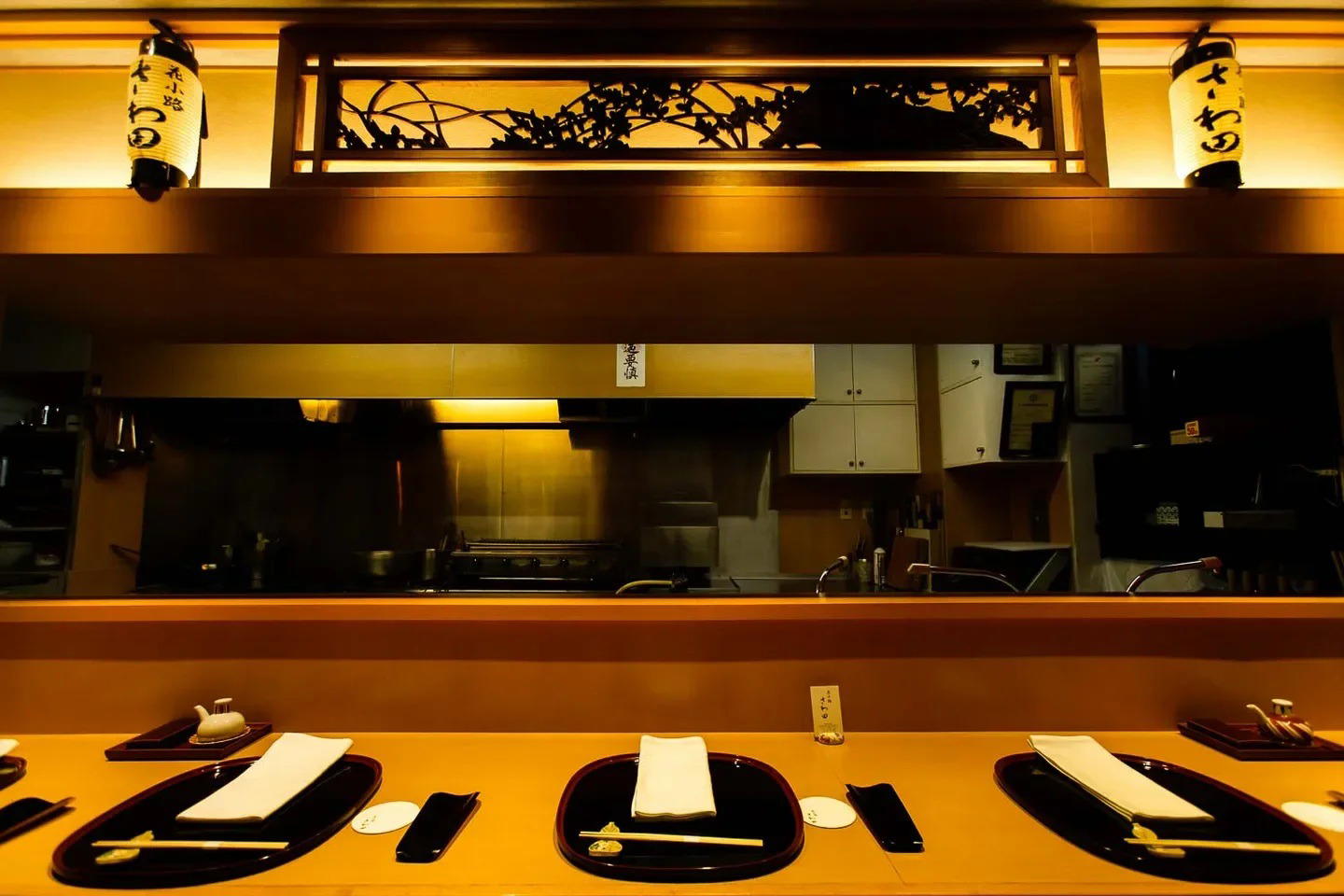
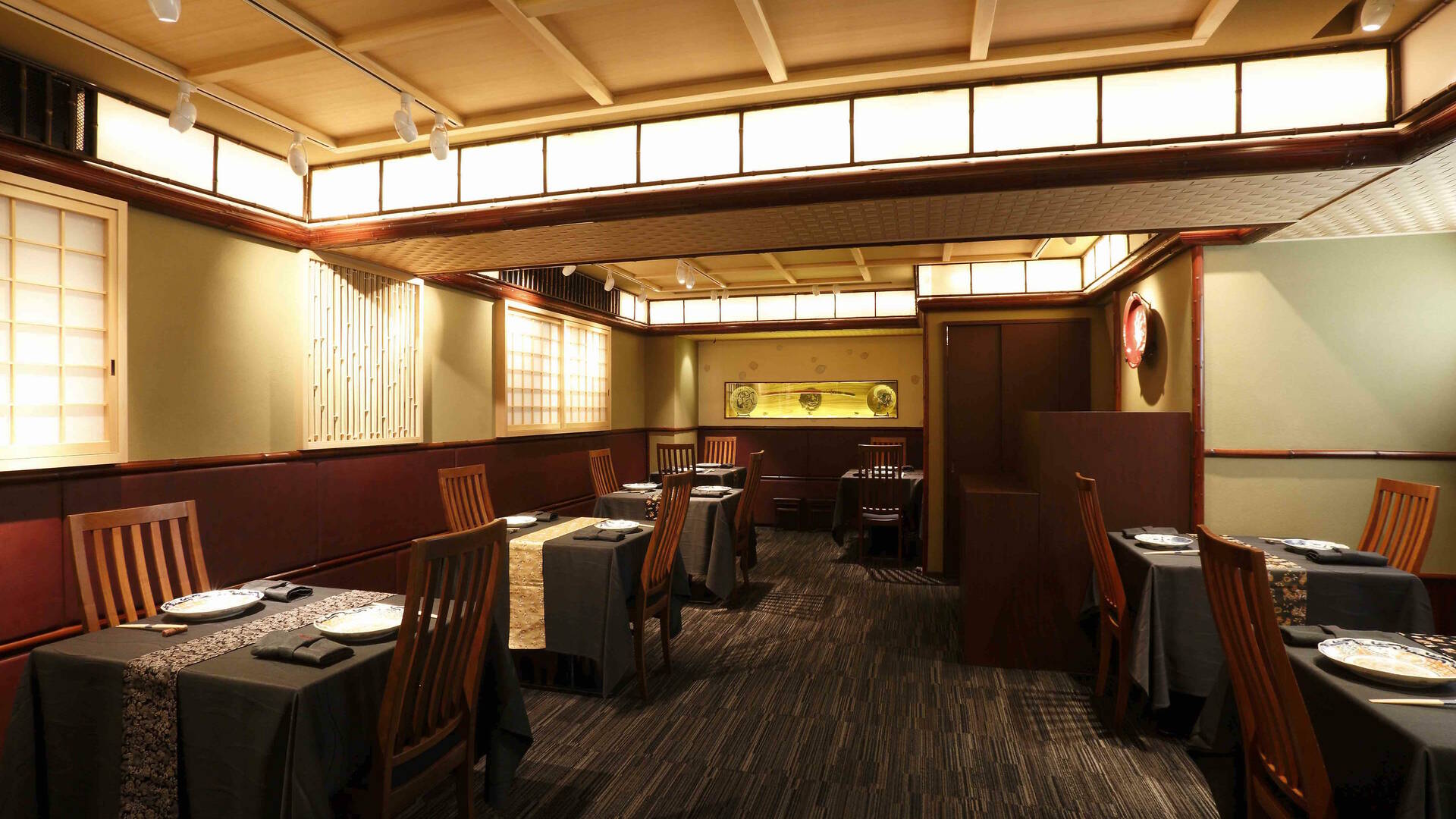
Calm, homey kissaten-style atmosphere with simple traditional decor, soft lighting, and a relaxed pace suited to quietly enjoying Japanese sweets and tea.