Pretzhof sits in the Pfitsch Valley of South Tyrol, a corner of Italian Alpine territory where the cooking tradition draws directly from mountain pasture, forest, and smallholder farms rather than from any urban restaurant scene. The address alone, Frazione Tulve, high in the valley above Sterzing, signals that this is a destination requiring intention. For readers building an itinerary across Italy's serious dining addresses, it belongs in the conversation.
 Discover on Pearl
Pearl is the En Primeur Club membership app — saves, bookings, and concierge access live there. Same editors, same standards.
- Address
- Frazione Tulve, 259, 39049 Prati BZ, Italy
- Phone
- +39472764455
- Website
- pretzhof.com
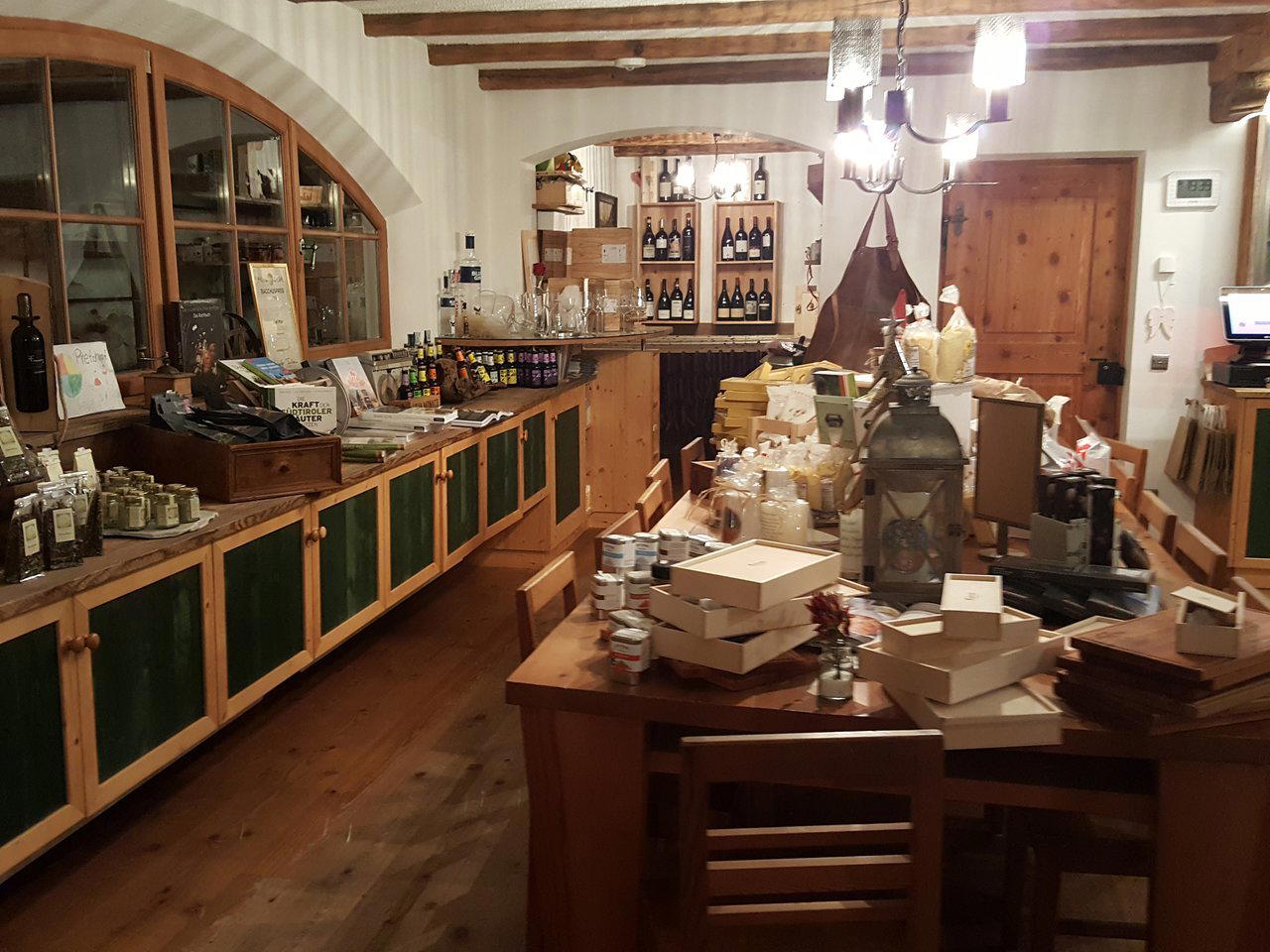
A Valley That Feeds Its Own Kitchen
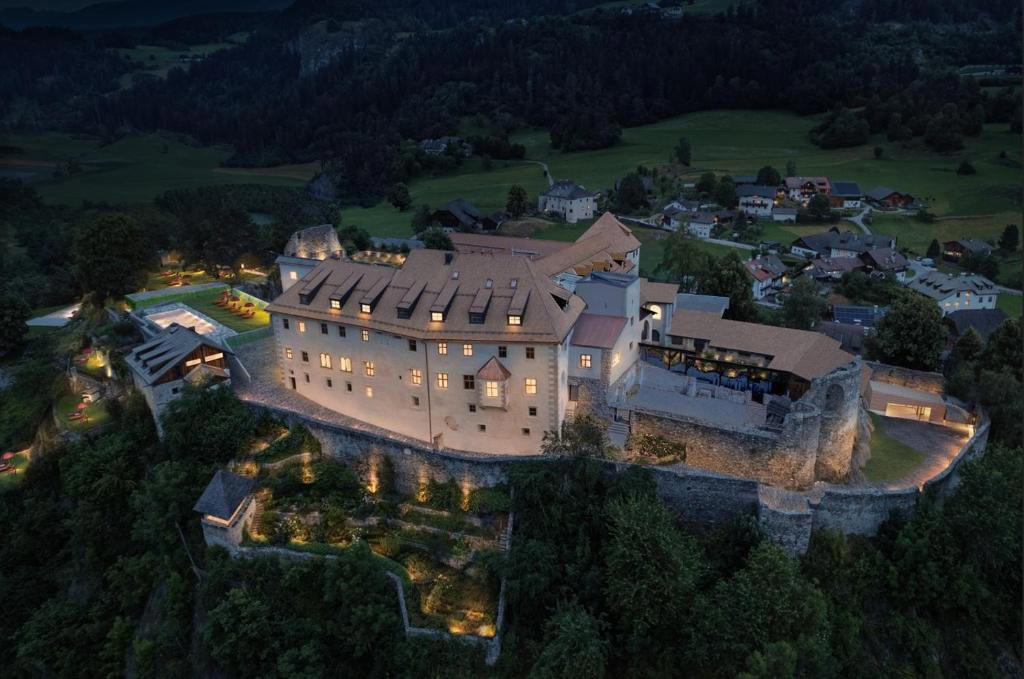
South Tyrol occupies a particular position in Italian gastronomy that the country's coastal and urban dining scenes rarely replicate. The region's Alto Adige valleys have long produced ingredients shaped by altitude, short growing seasons, and centuries of transhumance farming: cured meats from pigs raised on mountain pasture, cheeses made from the milk of cattle that graze above 1,500 metres, rye and spelt grown in thin soils that produce grains with a density absent from lowland equivalents. Pretzhof, a South Tyrolean Trattoria in Frazione Tulve, Prati BZ, sits inside this tradition rather than borrowing from it decoratively. The valley itself, narrow, forested on its flanks, with agricultural clearings where family farms have operated across generations, is the primary context for understanding what arrives on the table.
This part of the Alto Adige receives less attention than the Bolzano environs or the wine-heavy Eisack Valley, which means visitors arriving at Pretzhof tend to do so deliberately. The Pfitsch Valley does not pitch itself to passing traffic, and the restaurants that have found their audience here reflect that orientation.
Sourcing as the Structural Argument
Across South Tyrol's more serious dining addresses, the strongest common thread is not technique, it is proximity. The most compelling kitchens in the region have built their menus around supply chains measured in kilometres rather than continents, and the credibility of that approach depends entirely on the density of quality producers available locally. The Pfitsch Valley, despite its modest profile, has that density. Dairy farms operate at altitude. Cured meats, particularly speck, the region's cold-smoked, mountain-air-cured answer to prosciutto, come from animals whose feed and environment are legible to any kitchen paying attention. Wild herbs, mushrooms, and game follow seasonal availability rather than a fixed menu calendar.
This sourcing model stands in contrast to the urban Italian fine-dining circuit, where restaurants like Enoteca Pinchiorri in Florence or Enrico Bartolini in Milan operate within a very different logic, one where global pantries, extended supply networks, and a cosmopolitan dining public demand range and reference points well beyond the immediate territory. Neither model is superior; they are answers to different questions. But in the Alto Adige, and specifically in the Pfitsch Valley, the argument for localism is not a marketing position. It is a practical reality enforced by geography.
Comparable reasoning drives the kitchen at Atelier Moessmer Norbert Niederkofler in Brunico, where chef Norbert Niederkofler's Cook the Mountain philosophy has placed South Tyrolean alpine sourcing at the centre of a three-Michelin-star operation. Niederkofler's success has raised the profile of the entire region as a serious destination for ingredient-driven cooking, creating a reference point against which smaller valley addresses are increasingly understood.
The Physical Setting and What It Tells You
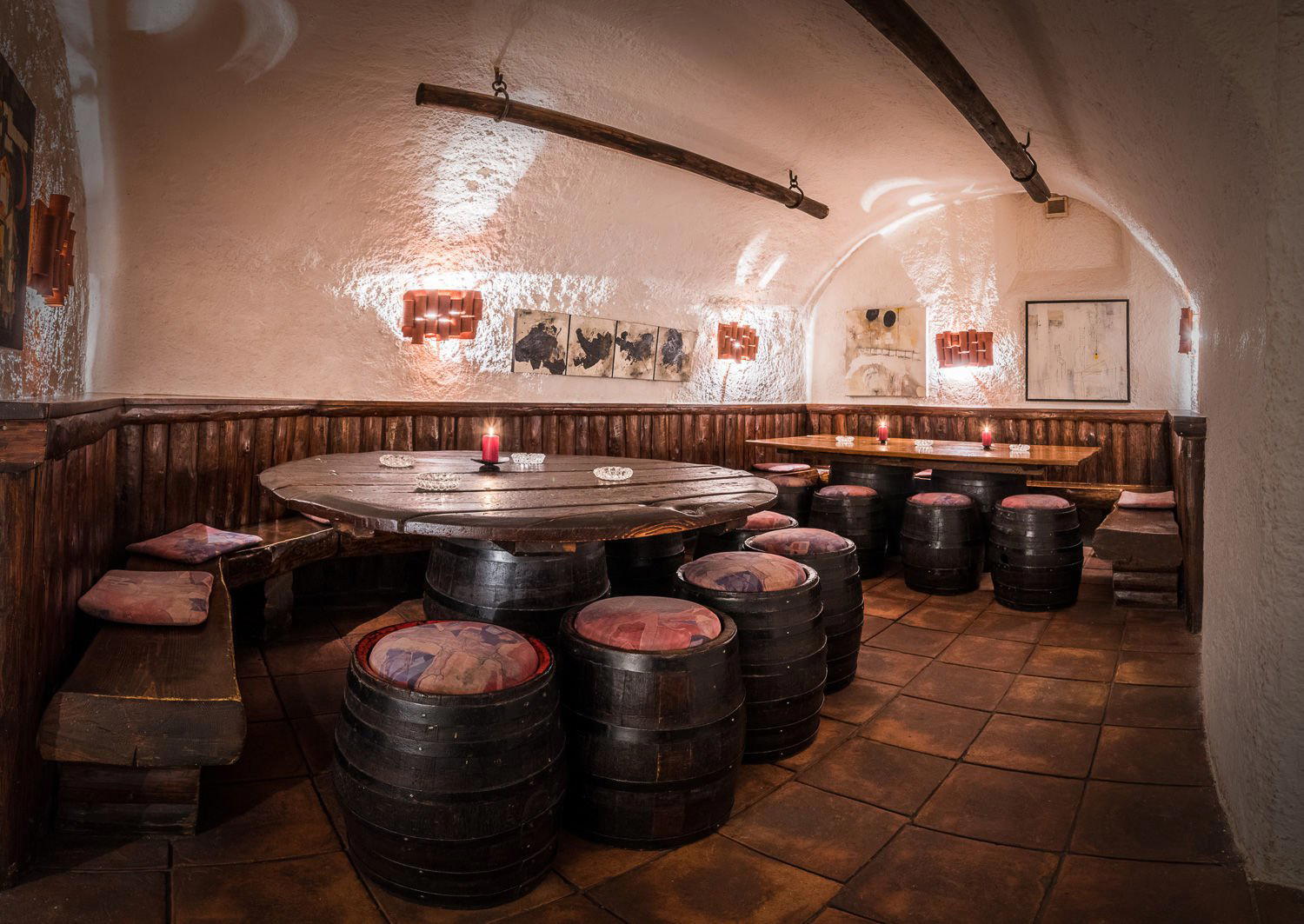
The approach to the Pfitsch Valley from Sterzing, itself a compact medieval town on the Brenner corridor between Innsbruck and Bolzano, involves a climb into progressively quieter, more agricultural territory. The valley road narrows. Farms appear at intervals. By the time Frazione Tulve is reached, the ambient signals are entirely rural: the scale of the buildings, the silence between them, the evidence of working land. This physical context is not incidental to the dining experience. Across South Tyrol's Stube-tradition restaurants, the room itself, often low-ceilinged, timber-panelled, radiating the particular warmth of Alpine domestic architecture, is inseparable from the food. Eating speck and rye bread in a space that smells faintly of woodsmoke and aged timber is a different experience from eating the same ingredients in an urban dining room, even if the sourcing is identical.
That Stube tradition has parallels across the Alps but reaches a particular concentration in South Tyrol, where Germanic building culture and Italian culinary sensibility have merged over centuries of contested, then settled, regional identity. The result is a hospitality register that is neither Austrian guesthouse nor Italian trattoria but something distinct to this specific territory.
Where Pretzhof Sits in the Wider Italian Dining Picture
Italy's most decorated dining addresses tend to cluster in regions with strong urban or coastal profiles. Osteria Francescana in Modena, Piazza Duomo in Alba, Le Calandre in Rubano, and Dal Pescatore in Runate all operate in territories with established critical audiences and well-developed dining tourism. Coastal addresses like Quattro Passi in Marina del Cantone, Uliassi in Senigallia, and Gambero Rosso in Marina di Gioiosa Ionica draw on Mediterranean product identity. Others like Reale in Castel di Sangro, Casa Perbellini 12 Apostoli in Verona, Villa Crespi in Orta San Giulio, and Da Vittorio in Brusaporto have built reputations that draw national and international audiences to destinations that required effort to reach. La Pergola in Rome sits at the other end of the spectrum, embedded in one of the world's most visited cities.
Pretzhof occupies the least trafficked tier of this geography, and that is precisely its value for a certain kind of traveller. The Pfitsch Valley is not on the way to anywhere major.
Planning Your Visit
Reaching Pretzhof at Frazione Tulve is easiest by car; the valley's road infrastructure does not support convenient public connection at this altitude. Sterzing serves as the nearest base with accommodation options, and the Brenner motorway makes it accessible from both the Austrian and Italian sides of the pass. South Tyrol's dining season follows agricultural rhythms, with late spring through early autumn representing the fullest expression of local produce; winter visits offer a different register, one shaped by preserved and cured products and the particular warmth of Alpine interiors. Given the valley's remote character and the destination-specific audience it draws, reservations are recommended, particularly during the summer months when the region sees its highest visitor concentration.
At-a-Glance Comparison
Comparable venues nearby, for context on price, style, and recognition.
| Venue | Cuisine | Price | Awards | Notes |
|---|---|---|---|---|
| PretzhofThis venue — the venue you are viewing | South Tyrolean Trattoria | $$ | , | |
| Arso Trattoria Moderna | Traditional Roman Trattoria | $$ | , | .null |
| Ristorante da Cherubino | Traditional Venetian Trattoria | $$ | , | San Marco |
| Oberpartegger | South Tyrolean Farmhouse Italian | $$ | , | Villanders |
| Vinothek Relax Pizzeria | Italian Pizza & Wine Bar | $$ | , | Merano city center |
| Moar | Traditional South Tyrolean Regional | $$ | , | Perca |
Continue exploring
More in Pfitsch
Restaurants in Pfitsch
Browse all →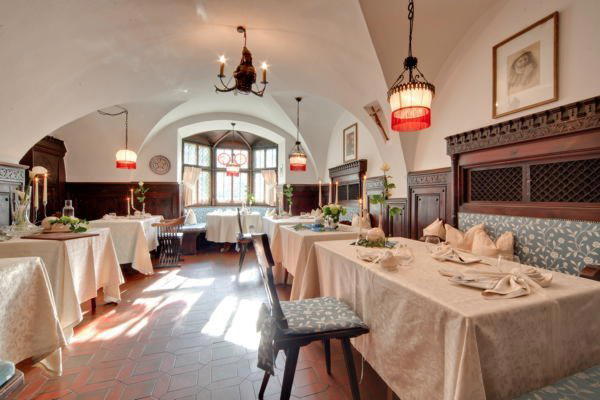
Bars in Pfitsch
Browse all →
Hotels in Pfitsch
Browse all →

At a Glance
- Rustic
- Cozy
- Classic
- Family
- Casual Hangout
- Historic Building
- Farm To Table
- Local Sourcing
- Organic
- Mountain
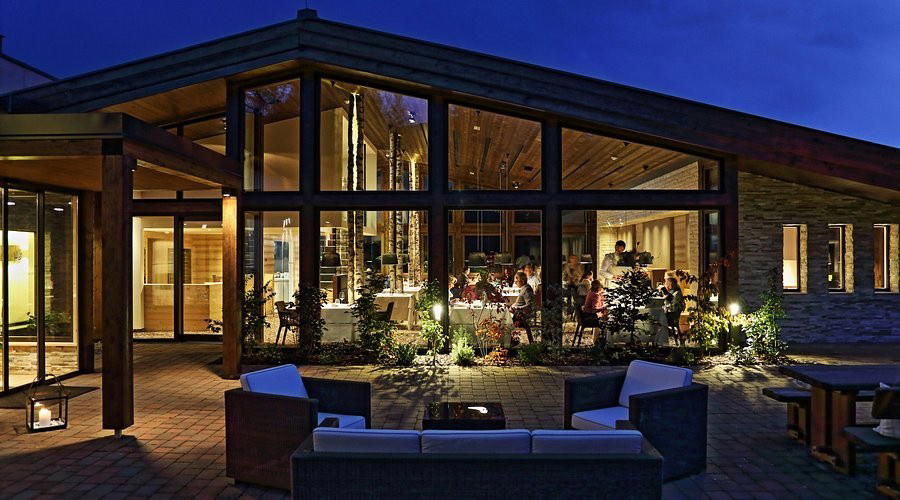
Tyrolean dining room with beautifully paneled parlors evoking authentic rustic farm atmosphere.