Our verdict
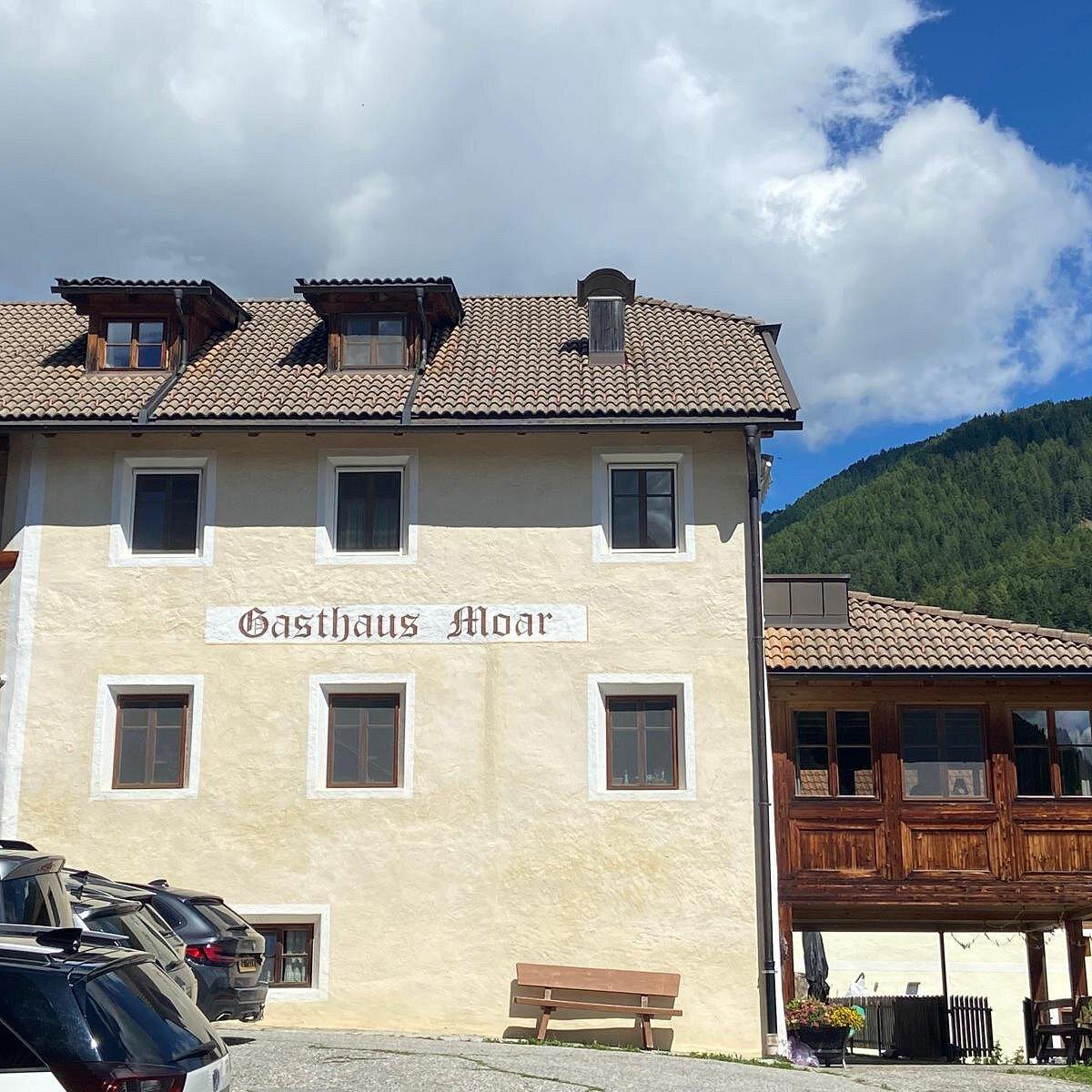
Moar sits in Percha, a small village in South Tyrol's Puster Valley, where the Alps shape what ends up on the plate as directly as any kitchen decision. The region's tradition of alpine ingredient sourcing — mountain herbs, valley-raised livestock, high-altitude dairy — defines the dining character here. For visitors moving through northern Italy's fine-dining corridor, Percha offers a quieter, more rooted alternative to the urban tasting-menu circuit.

Pearl is the En Primeur Club membership app — saves, bookings, and concierge access live there. Same editors, same standards.
Where the Alps Set the Menu
South Tyrol operates on a different logic from the rest of Italy's fine-dining geography. In the Puster Valley, altitude and season are not poetic abstractions — they are the actual constraints that determine what a kitchen can work with and when. Percha, a small comune near Bruneck in the province of Bolzano, sits inside that system. The village is compact, the surrounding landscape is dominated by conifer slopes and working farms, and the hospitality culture here draws from both Italian and Austrian traditions, reflecting the bilingual identity of the region. Restaurants in this part of South Tyrol do not compete on urban energy or destination theatre. They compete on proximity to source.
Moar, located on Via St. Nikolaus in the centre of Percha, occupies this context directly. The address places it within walking distance of the village core, and the immediate surroundings are agricultural in character — the kind of setting where the provenance narrative on a menu is not marketing shorthand but a description of what is happening a few kilometres away. In a region where Michelin-recognised kitchens like Atelier Moessmer Norbert Niederkofler in Brunico have built international profiles around hyper-local alpine sourcing, the ingredient-first approach is a regional standard rather than a point of difference. What varies between venues is the depth and discipline of execution.
The Ingredient Logic of the Puster Valley
South Tyrol's position as a sourcing environment is worth understanding before you eat anywhere in this valley. The region produces speck, the juniper-cured, cold-smoked ham that is arguably the most globally recognised product of this corner of Italy, alongside a range of mountain cheeses, foraged mushrooms, and game that varies in availability with the hunting calendar. High-altitude grazing produces dairy with a fat and flavour profile distinct from lowland equivalents, and the short growing season concentrates flavour in the herbs and vegetables that do survive at elevation. These are not artisanal novelties; they are the baseline ingredients of a functioning agricultural economy that has supplied this valley for centuries.
Restaurants in this part of Italy that take sourcing seriously are not making an ideological statement in the way that, say, a chef in Rome or Milan might be. They are simply working with the supply chain that exists around them, one that happens to be exceptionally well-suited to cooking that values seasonal specificity and provenance transparency. The contrast with the metropolitan fine-dining circuit, where Osteria Francescana in Modena or Enoteca Pinchiorri in Florence operate within a more cosmopolitan ingredient framework, is not a matter of quality but of orientation. Alpine kitchens are anchored to a narrower, more seasonal range, and the best of them turn that constraint into a structural advantage.
South Tyrol's Fine-Dining Position
Italy's fine-dining map is dense with Michelin-recognised addresses, from Le Calandre in Rubano and Dal Pescatore in Runate to coastal institutions like Uliassi in Senigallia and Quattro Passi in Marina del Cantone. South Tyrol sits apart from most of that map, both geographically and culturally. The province has a higher density of Michelin stars per capita than almost any other region in Europe, a fact that reflects a combination of strong hospitality infrastructure, serious agricultural identity, and a clientele drawn from both Italian and northern European markets. Visitors from Austria, Germany, and Switzerland make up a substantial portion of dining traffic here, which influences how restaurants price, how they communicate, and what they assume guests already know about alpine food culture.
Within that regional context, smaller villages like Percha function as quieter nodes in a circuit that includes the more visible culinary addresses in Bruneck and Bressanone. A meal at a village restaurant in this valley is not a compromise on ambition, it can be, in some cases, a more direct encounter with the sourcing logic that the region's starred kitchens articulate in more technically complex ways. For the broader context of Italy's restaurant scene, see our full Percha restaurants guide.
Planning a Visit
Percha is accessible from Bruneck, the nearest city of scale in the Puster Valley, which connects to the A22 motorway and to rail services running between Innsbruck and Verona. The valley is most visited between June and September for summer hiking, and again from December through March for ski access to Plan de Corones. Dining in the region outside these windows tends to be quieter, and some smaller village restaurants operate reduced hours or close entirely in the shoulder months, confirming current schedules directly before travel is advisable for any address in this part of South Tyrol. Percha itself has limited accommodation relative to Bruneck, so most visitors base themselves in the larger town and travel into the village for meals.
For reference points in the wider Italian fine-dining network, Piazza Duomo in Alba, Reale in Castel di Sangro, and Villa Crespi in Orta San Giulio all share the rural or semi-rural positioning that defines a specific tier of Italian fine dining, kitchens that require a degree of travel commitment but locate that commitment as part of the experience. Enrico Bartolini in Milan, La Pergola in Rome, and Da Vittorio in Brusaporto represent the urban and peri-urban end of that same tier. Internationally, Le Bernardin in New York City and Atomix in New York City offer a useful contrast in what ingredient-sourcing discipline looks like when translated into a metropolitan format. Gambero Rosso in Marina di Gioiosa Ionica and Casa Perbellini 12 Apostoli in Verona round out the Italian picture across different regional traditions.
Frequently asked questions
Would Moar be comfortable with kids?
Percha is a quiet village in the Puster Valley rather than a high-traffic tourist hub, which tends to shape the pace of dining in the area toward a slower, more considered rhythm. The address on Via St. Nikolaus places it in a residential part of the valley, away from the kind of urban noise that typically conflicts with family dining.
What's the vibe at Moar?
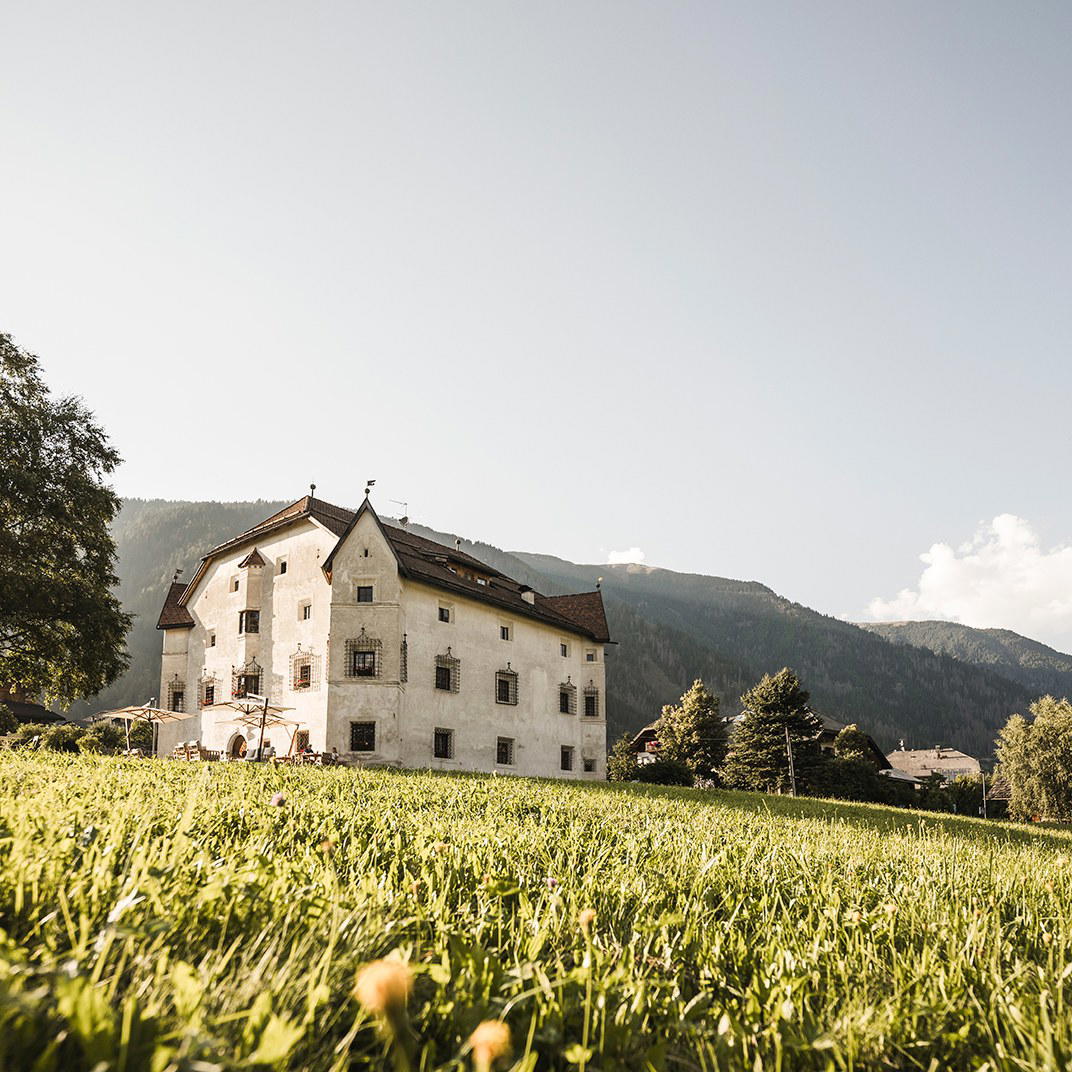
Moar sits in Percha, a small settlement in South Tyrol's Puster Valley, where the surrounding landscape of Alpine meadows and the broader Dolomite terrain sets the tone before you arrive. Venues at this altitude and in this valley tend toward a grounded, ingredient-focused atmosphere rather than the theatrical formality of city fine dining. Expect the tone to reflect the region's cooking logic: seasonal, local, and unhurried.
Is Moar a good base for exploring South Tyrol's broader food and wine scene?
Percha's position in the Puster Valley places it within reach of South Tyrol's wider Alto Adige wine corridor and the cluster of Michelin-recognised addresses that have made the region one of northern Italy's most concentrated fine-dining zones. The valley connects to Bruneck and from there to the A22, giving access to producers and restaurants across the province within a reasonable drive. For visitors treating the region as a food-focused destination, Percha functions as a quieter entry point into a broader circuit.
What should I order at Moar?
South Tyrol's Puster Valley is one of Italy's most coherent sourcing regions, producing speck, wild herbs, mountain dairy, and game that appear across the valley's serious kitchens. Without a confirmed current menu from Moar, the regional ingredients provide the clearest guide to what the kitchen is likely working with.
What's the address for Moar?
Moar is located at Nikolaus-Straße, Via St. Nikolaus, 6, 39030 Vila di Sopra BZ, Italy, Percha.
How far ahead should I plan for Moar?
Percha is not a destination with a large pool of comparable addresses, which concentrates demand on the few venues operating at a considered level in the Puster Valley. Bruneck, the nearest city, is accessible via the A22 motorway and rail, making logistics straightforward once a reservation is confirmed.
At-a-Glance Comparison
Comparable venues nearby, for context on price, style, and recognition.
| Venue | Cuisine | Price | Notes |
|---|---|---|---|
| MoarThis venue — the venue you are viewing | Traditional South Tyrolean Regional | Not listed | Not listed |
| Arso Trattoria Moderna | Traditional Roman Trattoria | $20–30 | .null |
| Loaterer Hof | Traditional South Tyrolean Farm Cooking | $20–30 | Feldthurns |
| Pschnickerhof | Traditional South Tyrolean Farmhouse | $20–30 | Villanders |
| Hotel Restaurant Alber | Italian Trattoria | Not listed | Verano |
| Winklerhof | South Tyrolean Farm-to-Table | $20–30 | Villanders |
Continue exploring
More in Percha
Restaurants in Percha
All restaurants in Percha →
Bars in Percha
Browse all →

Details
- Cozy
- Rustic
- Family
- Casual Hangout
- Local Sourcing
- A La Carte
- Vegetarian Friendly
- Gluten Free Options
Current opening hours
- Monday
- Closed
- Tuesday
- Closed
- Wednesday
- 8 AM–7 PM
- Thursday
- 8 AM–7 PM
- Friday
- 8 AM–7 PM
- Saturday
- 8 AM–7 PM
- Sunday
- 8 AM–7 PM
Hours can change for holidays and private events. Last verified .
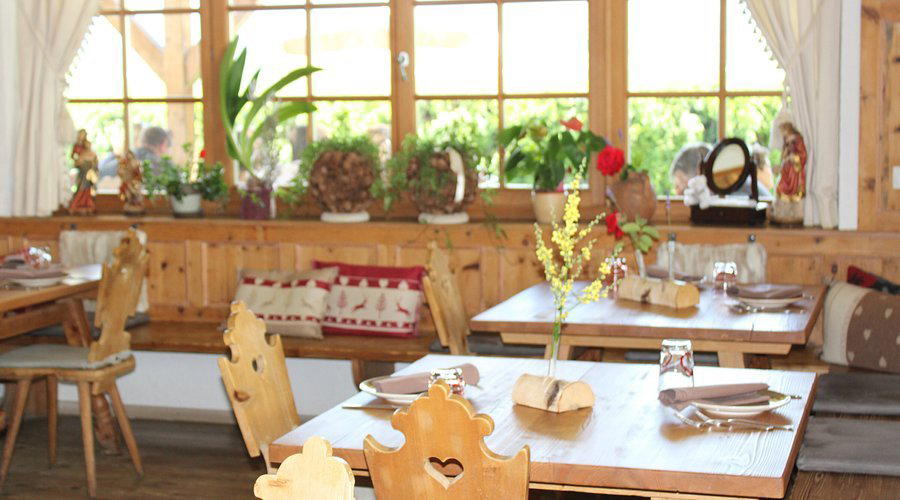
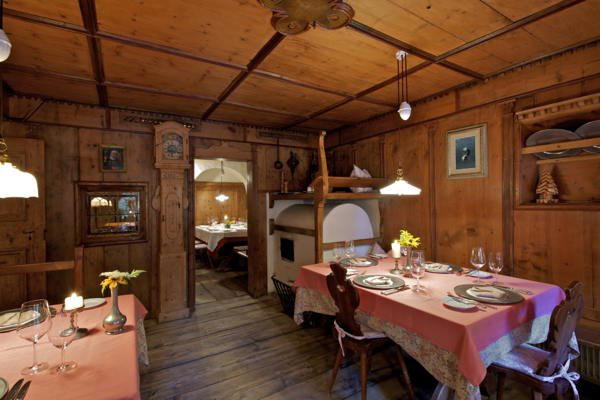
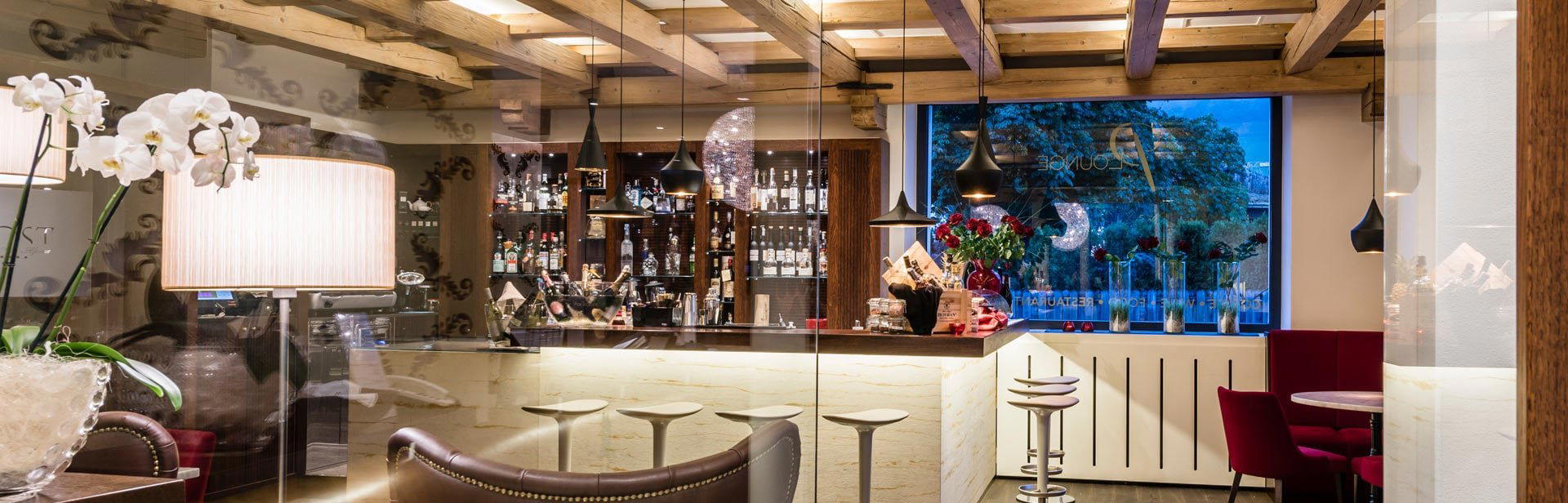
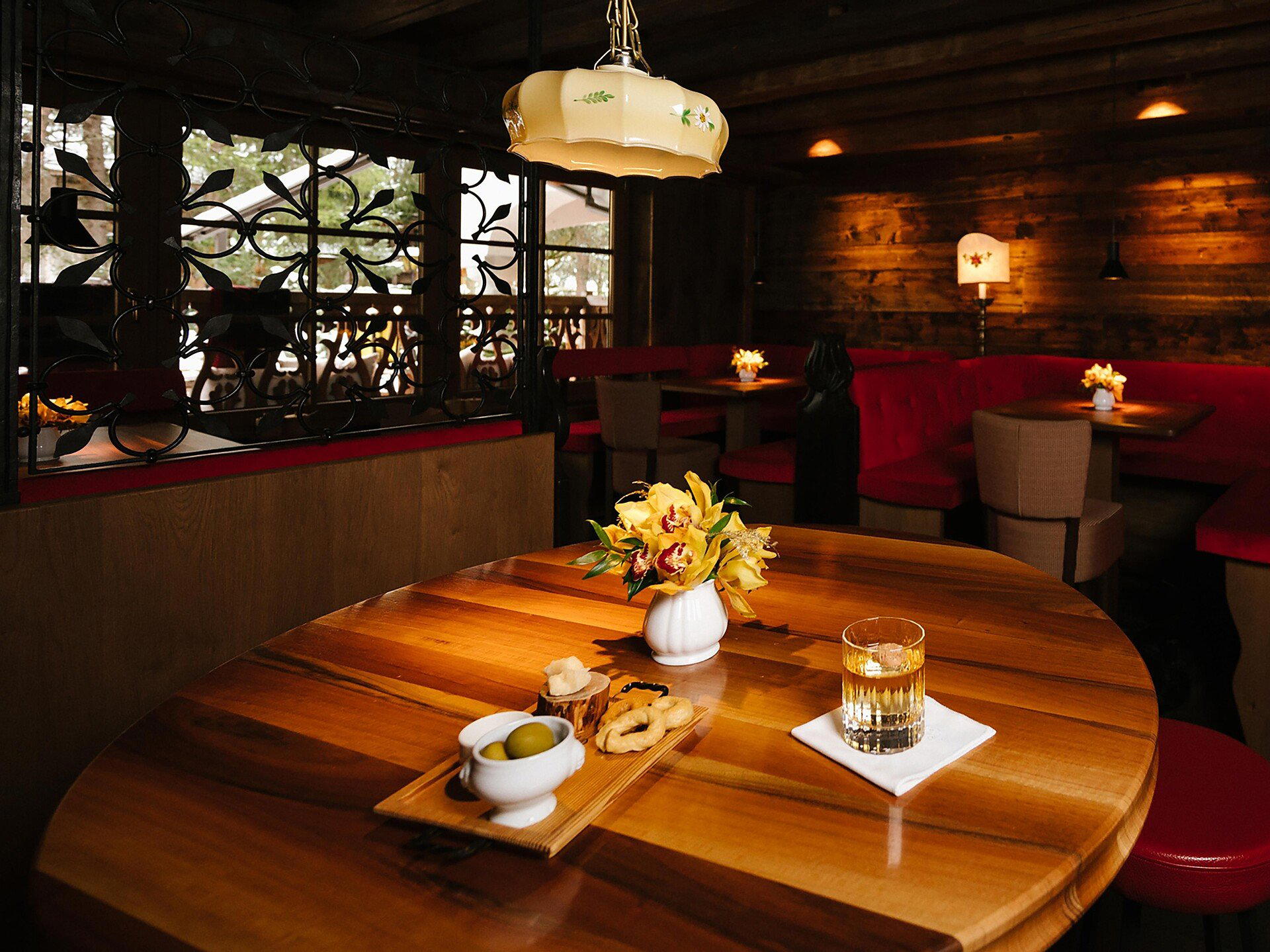
Warm and welcoming atmosphere with cozy rustic charm typical of a traditional South Tyrolean Gasthaus.