

PRETTY PORK FACTORY sits in Kabukicho’s practical dining tier rather than Tokyo’s ceremony-heavy fine-dining circuit, with pork shabu shabu and Korean-leaning cooking as the point of focus. Recognition from Tabelog’s 2024 Hot Pot 100 and OAD’s 2026 Casual in Japan list gives it a useful credential for diners comparing ingredient-led hot pot options in Shinjuku.
Pearl is the En Primeur Club membership app — saves, bookings, and concierge access live there. Same editors, same standards.
- Address
- Japan, 〒160-0021 Tokyo, Shinjuku City, Kabukicho, 1 Chome−10−3 G3, 2階
- Phone
- +81 3-3209-2929
- Website
- prettyporkfactory.com
 Saves & bookings on Pearl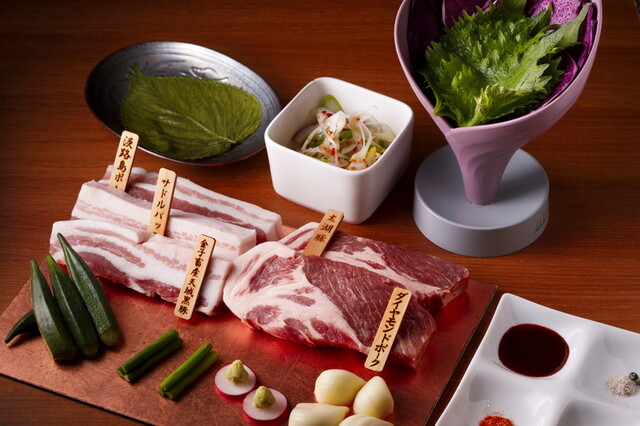
Kabukicho compresses Tokyo dining into a few restless blocks: yakiniku rooms, ramen counters, Korean grills, late-night izakaya, and group-friendly restaurants rather than hushed tasting-menu ritual. Here, pork shabu shabu follows a different grammar from beef sukiyaki or kaiseki: less ceremony, more sourcing, slice thickness, broth discipline, dipping sauces, and whether the table can keep pace without turning dinner into theatre.
PRETTY PORK FACTORY fits that pragmatic Shinjuku category, but its recognition matters. Tabelog selected it for the 2024 Hot Pot 100, and Opinionated About Dining placed it on its 2026 Casual in Japan ranked list. The badges are not interchangeable: Tabelog’s Hyakumeiten lists tend to reflect domestic category strength; OAD’s casual list captures broader high-performing, non-fine-dining addresses. Together, they place the restaurant in a useful middle bracket: serious enough for food-led planning, relaxed enough for a mixed group.
Pork shabu shabu, read through sourcing rather than spectacle
Tokyo hot pot is often flattened into two reference points: sukiyaki for richness, shabu shabu for restraint. Pork shabu shabu sits in the second camp, where raw material carries the argument. Cooking is brief, seasoning restrained, and poor sourcing has fewer places to hide. The format rewards fat quality, clean slicing, and a progression that lets diners notice texture rather than simply chase sauce.
That matters in Shinjuku, where pork-focused restaurants compete with beef specialists, Korean barbecue, tonkatsu, izakaya drinking food, and value-driven lunch sets. PRETTY PORK FACTORY’s listed category of pork shabu shabu with Korean elements suits Kabukicho: a Japanese hot pot format with a social, table-centred rhythm. Its health-and-wellness menu, plus drinks spanning sake, shochu, wine, and cocktails, signals a broader audience than the narrow connoisseur counter. It is for diners who care about the ingredient but do not need the room to behave like a temple.
The Shinjuku comparison set clarifies the position. Yugen Tei Shinjuku prices dinner higher, while Michishirube sits closer to casual evening spending. Katsu Pulipo, another Tokyo pork address, runs at a higher listed dinner and lunch range. PRETTY PORK FACTORY occupies the middle lane: ingredient-led, award-recognised, and more approachable than luxury hot pot rooms. For wider itinerary planning, it pairs naturally with Our full Tokyo restaurants guide, especially if the day already includes Shinjuku or nearby West Tokyo.
Kabukicho group dining without losing the food thread
The room’s structure is part of the point. With 66 seats, semi-private rooms for small groups, and a maximum seated party size of 12, this is not the tiny counter model that dominates foreign attention around Tokyo dining. It fits a city where premium casual meals often happen in groups, after work, or between other plans. In Kabukicho, the decision is frequently about compatibility: what to eat, and whether the format can handle children, colleagues, visitors, and different drinking habits at one table.
Family-friendly details are unusually explicit for central Tokyo: children are welcome, including babies, preschoolers, and school-age children, and strollers are accepted. Many Shinjuku restaurants are technically casual but operationally tight, with counter seating or smoke-heavy rooms that do not suit families. A non-smoking room with semi-private seating puts this address into a narrower category: pork shabu shabu with awards credibility and flexibility for mixed-age tables.
The reservation rules show the service style. Parties are seated once everyone has arrived, and a reservation may be treated as cancelled after 20 minutes without contact. Table use is capped at 2 hours and 20 minutes from the reservation time. These constraints are common in busy Tokyo restaurants, but matter more with hot pot because pacing depends on the whole table. Arriving together is etiquette and protects the meal’s rhythm.
Beyond hot pot, Shinjuku rewards category-specific choices rather than vague grazing. Nearby research might include 12/10 Shinjuku ten or the visual café culture of 2D Cafe. Across Tokyo, sharply defined formats show the same pattern: 124. KAGURAZAKA (Yakitori) for skewers, 3 Chome no Curry Ya San for curry, and. 鮪と炭火焼き うお炭 秋葉原店 for tuna and charcoal cooking. Tokyo is easier to read when each meal has a clear job.
Where it fits in a Tokyo itinerary
The address, on the second floor of the G3 building in Kabukicho, makes this a Shinjuku meal rather than a destination demanding a special cross-town detour. Lunch sits in the JPY 3,000 to JPY 3,999 range; dinner is listed at JPY 6,000 to JPY 7,999, below many beef-led special-occasion rooms and above ordinary chain hot pot. For visitors, that price-to-format ratio is the appeal: pork quality and table comfort without surrendering an entire evening to formal service.
The strongest use is after a Shinjuku afternoon or before a late drink, not as a finale to a luxury dining tour. Pair it with neighbourhood walking, theatre, or bar research rather than a long multi-stop meal. Broader planning can branch into Our full Tokyo bars guide, Our full Tokyo hotels guide, Our full Tokyo experiences guide, and, for category completists, Our full Tokyo wineries guide. The restaurant is useful because it does not demand the whole plan revolve around it.
Japan’s broader dining map offers the same lesson in other forms. A sukiyaki comparison might lead to -Grilled beef Sukiyaki- KAMAKURA TANUKIAN 鎌倉 たぬき庵 in Kamakura, while genre-specific detours could include.cafe in Osaka.know in Kumamoto, (Shoku) Vietnam in Kawasaki, [Curry Senmon Ten] Maruyama Kyoju. in Sapporo, and [ki:] in Kyoto. Even outside Japan, ingredient-led casual formats remain part of the conversation, from Jōdo Saké Bar in Los Angeles to Onigiri Time in Pasadena.
The verdict is simple: choose this for pork shabu shabu with credible recognition, flexible seating, and Shinjuku convenience. Diners seeking a quiet counter or chef-led tasting menu should look elsewhere; diners who want a focused hot pot meal that can carry a group will understand why it has entered Tokyo’s award conversation.
Booking and Cost Snapshot
Comparable venues for context, by category and price tier.
| Venue | Cuisine | Price | Notes |
|---|---|---|---|
| PRETTY PORK FACTORY | Not listed | $$$ | Shinjuku, Premium Japanese pork shabu-shabu, samgyeopsal & tonkatsu |
| Iruka Tokyo Roppongi | Roppongi, Modern Ramen | $$$ | Not listed |
| 新楽記 | Not listed | $$$ | Shinjuku, Traditional Japanese Omakase Sushi |
| Oni Tei | Not listed | $$$ | Shibuya, Traditional chicken yakiniku / yakitori in Shibuya |
| Akasaka Gosen | Minato, Kaiseki with Soft-Shelled Turtle | $$$ | Not listed |
| Akasaka Totoya Uoshin | Not listed | $$$ | Minato, Traditional Seasonal Japanese Kaiseki |
Recognition history
Dated appearances from independent guides and award organizations, with the underlying list record or original source where available.
Opinionated About Dining Casual in Japan Ranked #114
Opinionated About Dining
Tabelog 100 #59 · No. 59
Tabelog · Tabelog 100 - Hot Pot - 2024







At a Glance
- Lively
- Modern
- Trendy
- Energetic
- Cozy
- Date Night
- Group Dining
- Family
- Casual Hangout
- Late Night
- Celebration
- Chefs Counter
- Open Kitchen
- Standalone
- Design Destination
- Beer Program
- Local Sourcing
Current opening hours
- Monday
- 12–3 PM, 5–11 PM
- Tuesday
- 12–3 PM, 5–11 PM
- Wednesday
- 12–3 PM, 5–11 PM
- Thursday
- 12–3 PM, 5–11 PM
- Friday
- 12–3 PM, 5–11 PM
- Saturday
- 12–11 PM
- Sunday
- 12–11 PM
Hours can change for holidays and private events. Last verified .
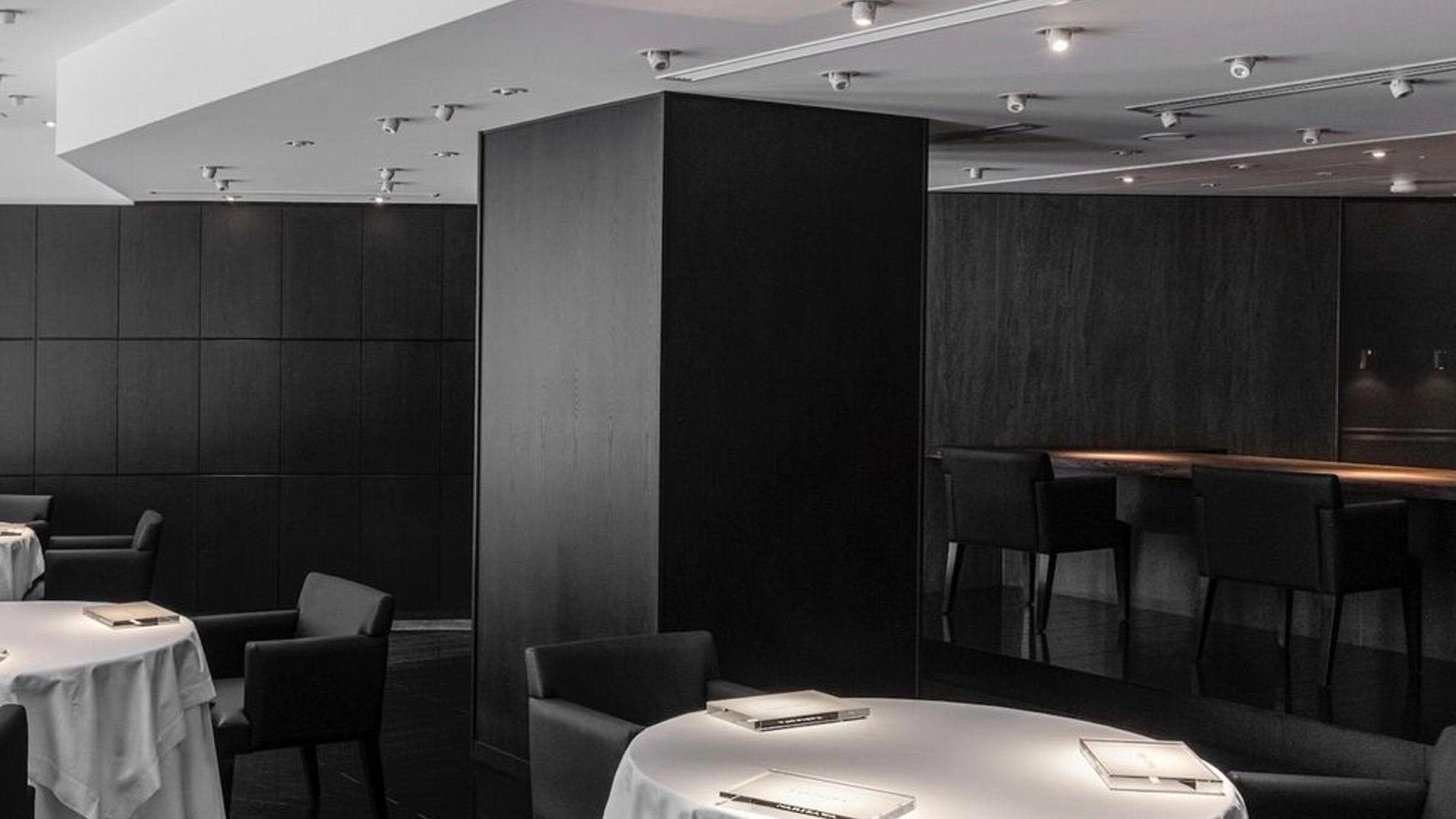
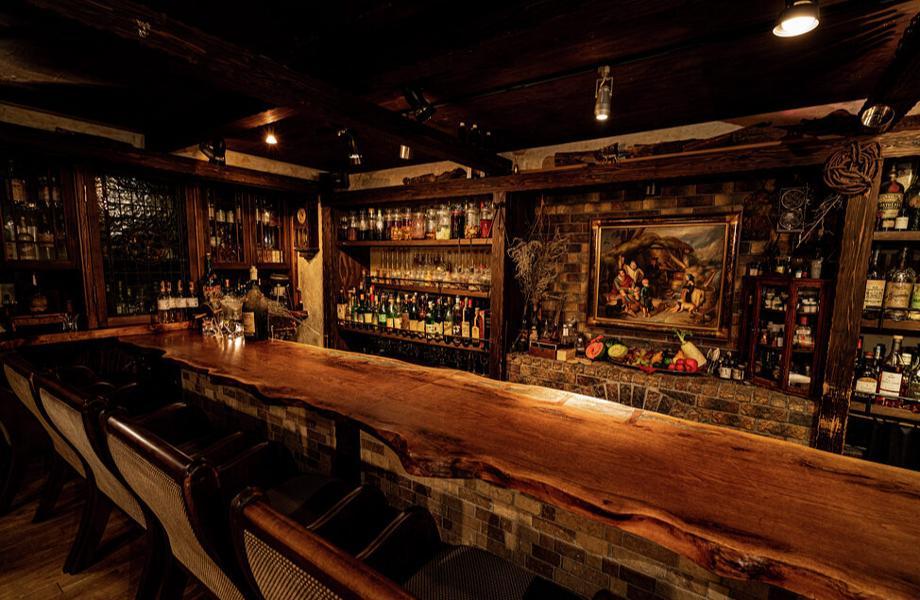
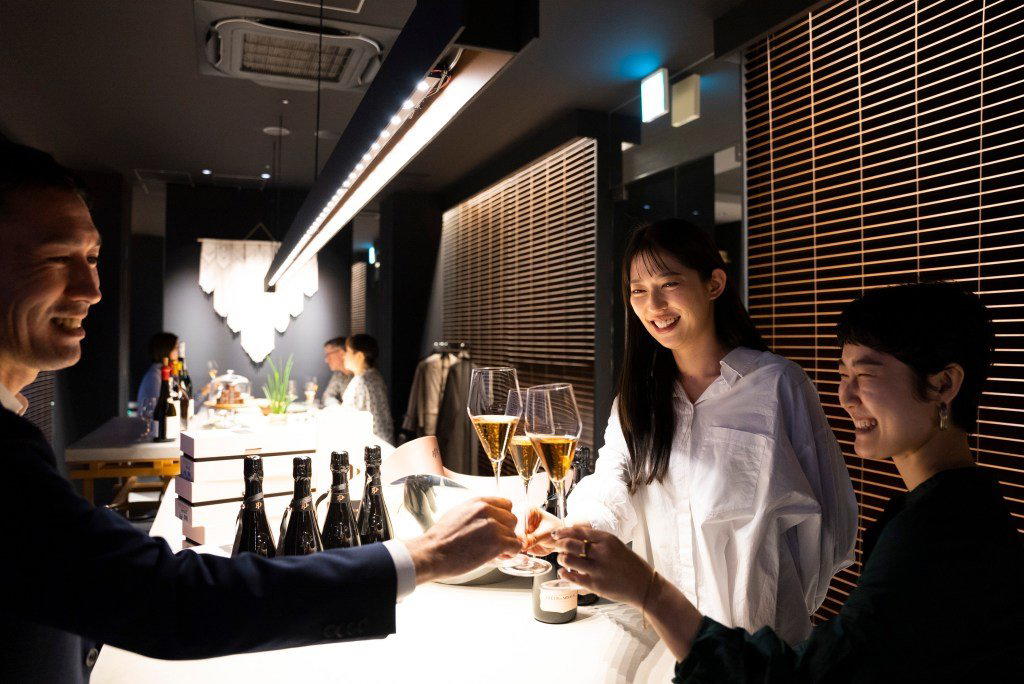
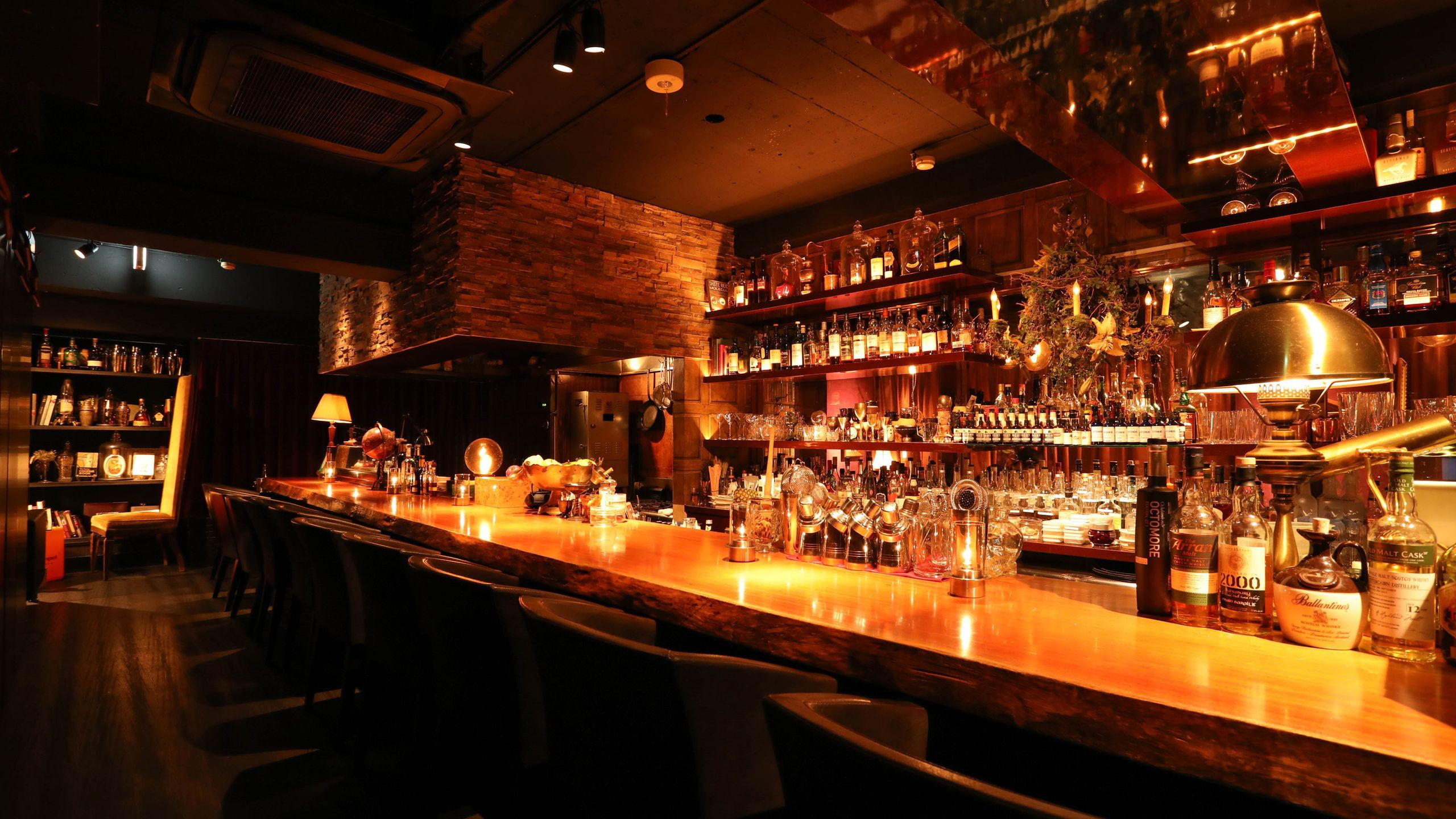
Bustling, contemporary Japanese casual space in Kabukicho with counter-focused seating and open-kitchen energy, geared to small groups and dates rather than fine dining, with warm lighting and a lively, upbeat atmosphere.