
Michelin Plate
Our verdict
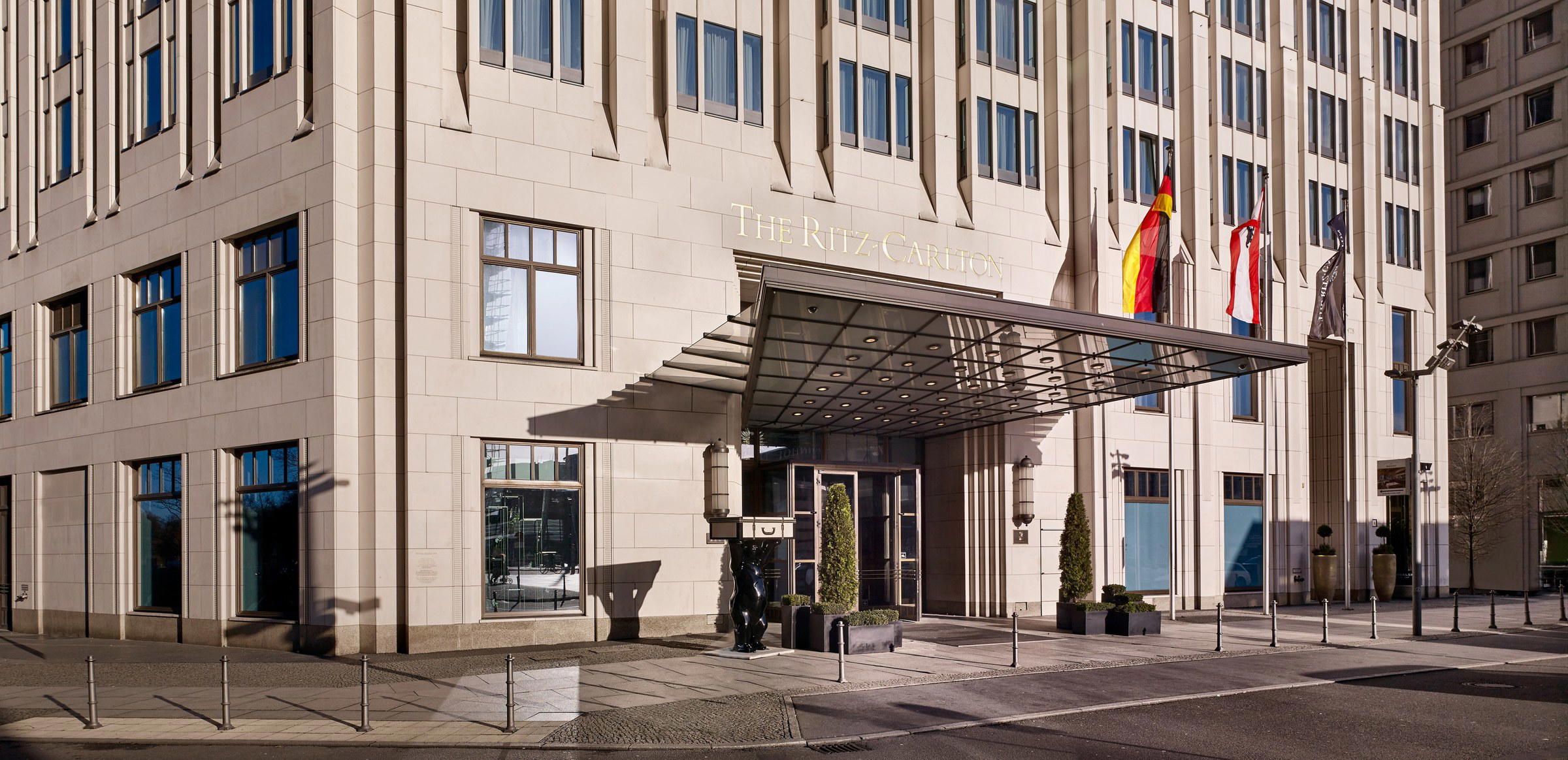
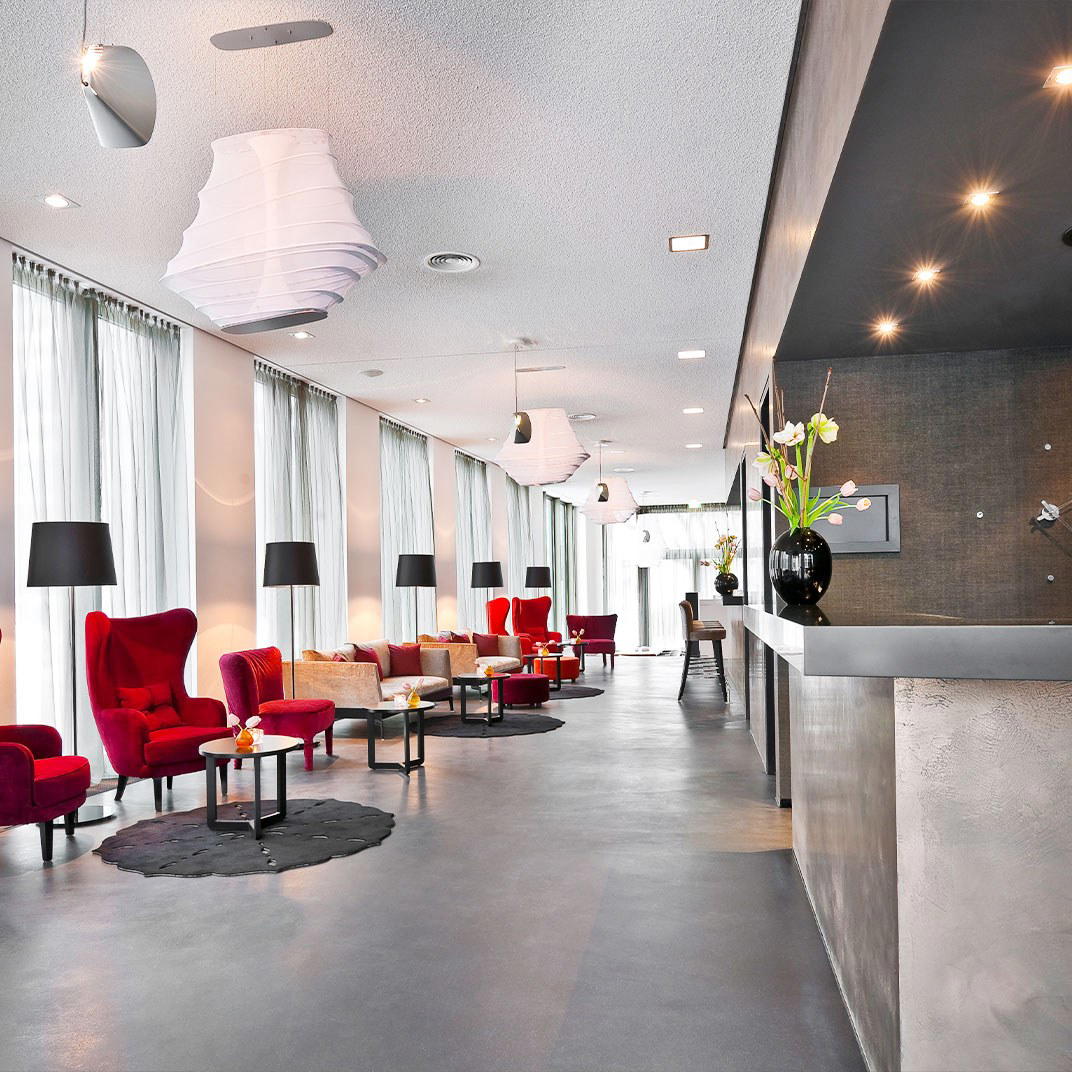
Inside the Ritz-Carlton at Potsdamer Platz, POTS takes a relaxed approach to modern German cooking, reworking regional classics like Königsberger Klopse with contemporary technique. The large open kitchen and chic interior set the tone for a room that draws both hotel guests and local regulars. A popular lunch deal and an optional surprise menu broaden its appeal beyond the dinner crowd.

Pearl is the En Primeur Club membership app, where members save venues, book tables and use the concierge.
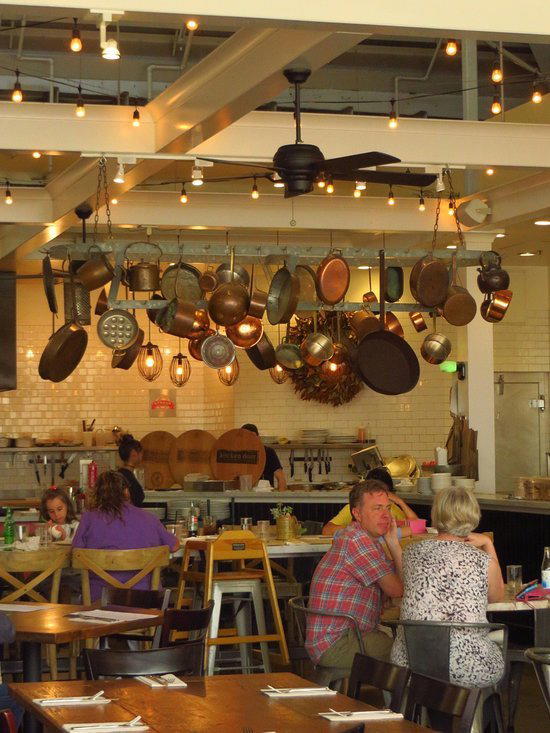
A Room That Earns Its Repeat Business
Potsdamer Platz occupies an odd position in Berlin's dining geography. The area spent decades as a Cold War wasteland before being rebuilt into a corporate and cultural hub in the 1990s, and it has never fully shed its slightly impersonal character. That context makes POTS, inside the Ritz-Carlton, an interesting case study in how a hotel restaurant builds a genuine local following rather than surviving purely on captive guests.
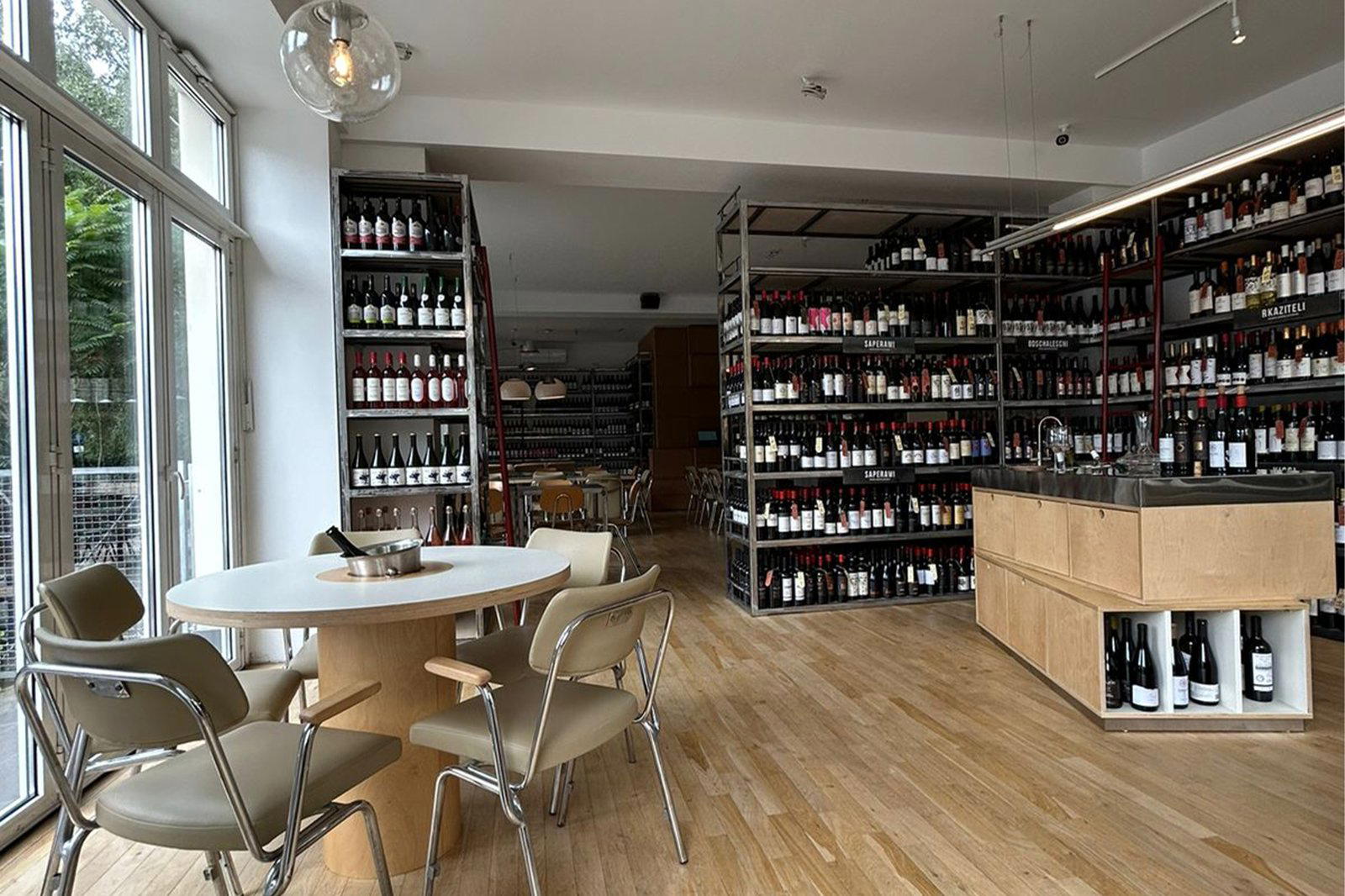
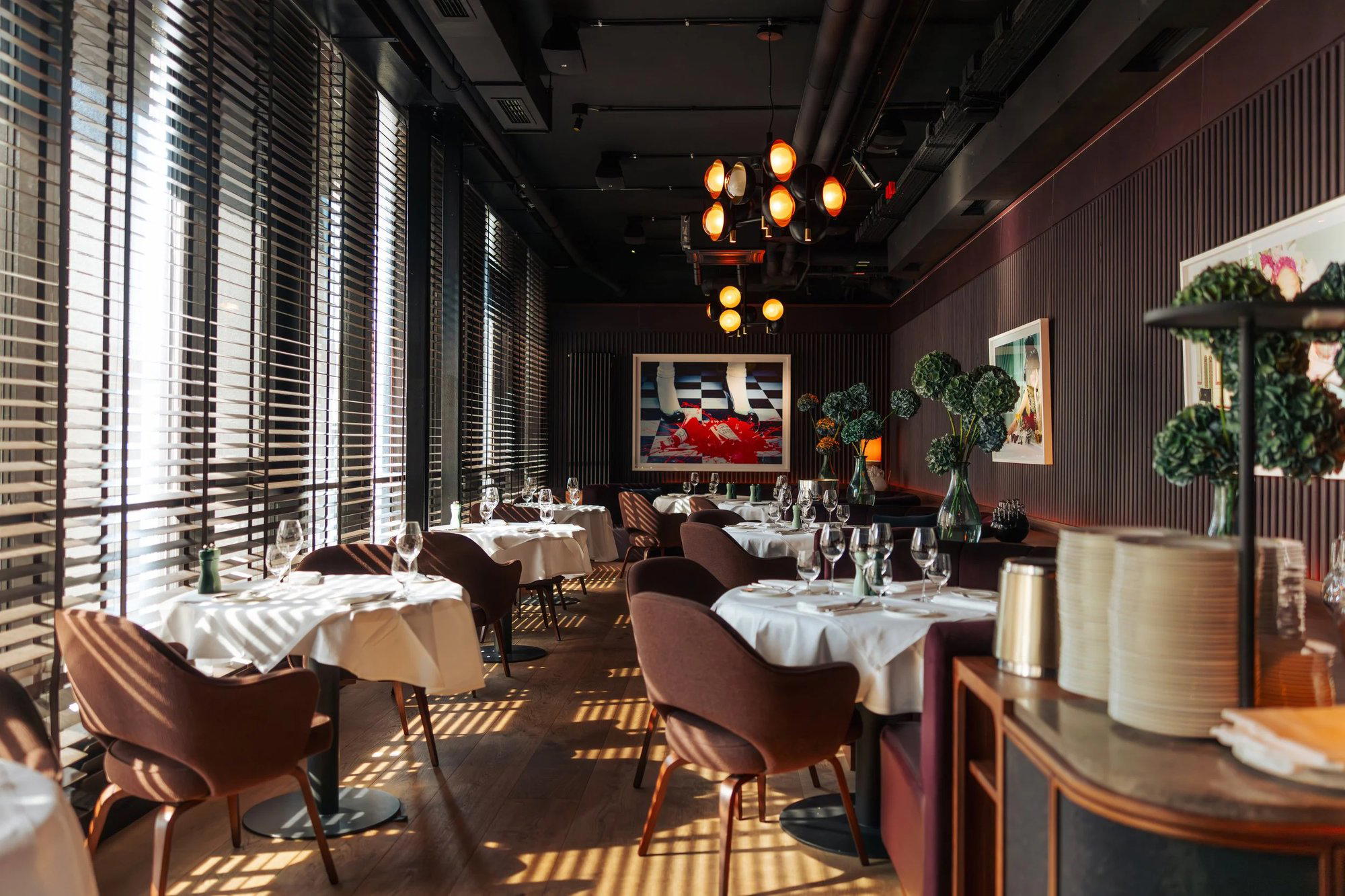
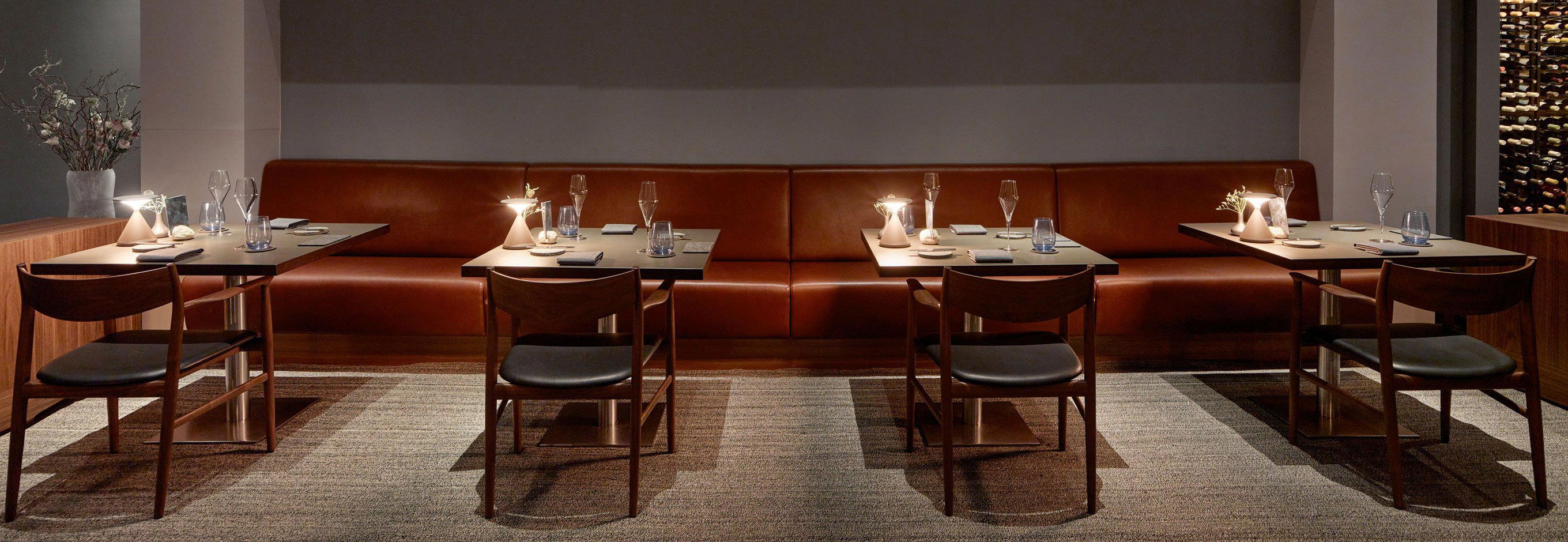
The physical environment does a lot of the work. The open kitchen is large enough to be theatre without crossing into performance anxiety for diners; the room's design has enough visual weight to feel like a destination rather than a hotel dining annex. In a city where stripped-back industrial interiors have been the default register for at least a decade, a space that commits to chic and considered decoration reads as a deliberate counter-position. Regulars tend to gravitate to rooms like this when they want a reliable change of register from Berlin's more austere dining environments.
What Modern German Cooking Looks Like at This Price Point
Germany's restaurant sector has developed a clear split over the past fifteen years. At one end, you have the Michelin-dense fine dining circuit: places like Aqua in Wolfsburg, Schwarzwaldstube in Baiersbronn, and Vendôme in Bergisch Gladbach, where the cuisine operates at the €€€€ tier and expects serious commitment from diners. At the other, neighbourhood spots like Jäger & Lustig serve the city's everyday appetite for hearty, unfussy cooking.
POTS sits between those poles at the €€€ price point, which is where Berlin's more interesting mid-range proposition currently lives. The cooking here applies contemporary technique to traditional German references, rather than abandoning those references for a more internationally generic fine dining vocabulary. That distinction matters. Dishes like Königsberger Klopse, the classic meatball preparation in white wine sauce with capers, appear on the menu in updated form with yellow beetroot, which reframes a deeply regional dish without disowning it. That approach has more in common with what JAN in Munich does within its own regional context than it does with Berlin's more abstract creative dining scene.
For comparison, the €€€€ tier in Berlin includes CODA Dessert Dining, which operates a format built around dessert as the entire meal structure, and Restaurant Tim Raue, where the reference points are East Asian rather than German. POTS makes no attempt to compete in that register, and it is better for it. The room is positioned to deliver a reliable, well-executed evening without demanding that diners arrive with research notes.
The Surprise Menu and the Sharing Format
Two structural features of the POTS menu are worth understanding before you book. First, there is a sharing option, which shifts the meal format away from individual plating toward a more informal communal approach. In a room of this calibre, that format tends to work leading for groups of three or four who want to cover more ground across the menu rather than commit to a single through-line. Berlin's dining culture has absorbed the sharing format broadly, from TISK to the more casual end of the market, so diners arriving with that expectation won't find it unusual here.
The surprise menu is a different kind of offer. Handing kitchen direction to the chef requires a degree of trust that regulars extend more readily than first-timers, which may explain why it functions partly as a loyalty mechanism: the more familiar you are with the kitchen's sensibility, the more appealing the blind format becomes. It is a format that ES:SENZ in Grassau and Restaurant Haerlin in Hamburg deploy at the fine dining level, but here it operates within a more accessible register. For a first visit, the à la carte or sharing route makes more sense. Return visits are when the surprise menu earns its place.
The Lunch Case
POTS has a lunch deal that draws specific mention in the venue's recognition notes as being consistently popular. In a city where lunch at this price tier tends to be treated as an afterthought, a hotel restaurant committing to a lunch offer that builds its own following is notable. It positions the room as something other than an evening-only proposition, which matters for the regulars who rotate it into their working week rather than reserving it for special occasions.
That pattern mirrors what happens at places like CARLS Brasserie an der Elbphilharmonie in Hamburg, where the brasserie format inside a landmark building creates a genuinely democratic lunch trade alongside evening fine dining. For Berlin visitors building an itinerary, the POTS lunch offer represents a way to access the kitchen and room at a lower price point than an evening reservation would typically require.
Berlin's Broader German Dining Scene
The revival of interest in German cuisine as a serious restaurant proposition has gathered pace across Europe's major cities. Sühring in Bangkok is perhaps the most globally visible example of this: a German-focused tasting menu in Southeast Asia that has built a strong international reputation by treating the cuisine with the same rigour usually reserved for French or Japanese cooking. Within Germany itself, the conversation about what modern German cooking can be has produced serious institutional work at the Michelin level, alongside more accessible interpretations at the €€€ tier.
POTS belongs to the accessible interpretation side of that conversation. It is not trying to build a case for German cuisine the way Zur letzten Instanz, one of Berlin's oldest restaurants, makes its case through historical continuity. Instead, the approach is lighter: take recognisable German references, apply contemporary kitchen thinking, and serve them in a room that prioritises comfort over ideology. For visitors who want to cover more of Berlin's dining range, our full Berlin restaurants guide maps the city across price tiers and styles. You can also find curated picks in our Berlin hotels guide, bars guide, wineries guide, and experiences guide.
Know Before You Go
- Address: Potsdamer Platz 3, 10785 Berlin, Germany
- Cuisine: Modern German
- Price range: €€€
- Setting: Inside the Ritz-Carlton; large open kitchen, chic interior
- Menu formats: À la carte, sharing dishes, surprise menu, lunch deal
- Booking: Contact the Ritz-Carlton Berlin directly for reservations
Frequently asked questions
How do I find POTS?
POTS is located at Potsdamer Platz 3, 10785 Berlin, Germany, Berlin.
Price and Recognition
A quick peer check to anchor this venue’s price and recognition.
| Venue | Cuisine | Price | Awards | Notes |
|---|---|---|---|---|
| POTSThis venue (the venue you are viewing) | Modern German | $50–100 | Michelin Plate | Not listed |
| CODA Dessert Dining | Dessert-Inspired Fine Dining | $200–300 | 2 Michelin Stars · World's 50 Best #79 | Creative |
| Rutz | Modern German Fine Dining | $200–300 | 3 Michelin Stars · La Liste Top Restaurants | Modern European, Modern Cuisine |
| Nobelhart & Schmutzig | Hyper-Local Modern German Fine Dining | $100–150 | 1 Michelin Star · World's 50 Best #59 | Modern German, Creative |
| FACIL | Modern Fusion Fine Dining | $200–300 | 2 Michelin Stars · La Liste Top Restaurants | Contemporary European, Creative |
| Horváth | Modern Austrian Vegetable Cuisine | $200–300 | 2 Michelin Stars · La Liste Top Restaurants | Modern Austrian, Creative |
Recognition history
Dated appearances from independent guides and award organizations, with the underlying list record or original source where available.
Michelin Plate
Michelin · 2026 Michelin Plate
Full recognition history (3 entries)
Michelin Plate
Michelin
Michelin Plate
Michelin
POTS
Featured Guides
Continue exploring
More in Berlin
Restaurants in Berlin
All restaurants in Berlin →
Bars in Berlin
All bars in Berlin →


Details
- Elegant
- Modern
- Sophisticated
- Date Night
- Business Dinner
- Special Occasion
- Open Kitchen
- Hotel Restaurant
- Extensive Wine List
- Sommelier Led
- Local Sourcing
- A La Carte
- Tasting Menu
- Vegetarian Friendly
Current opening hours
- Monday
- 6:30–10:30 AM, 12–2:30 PM, 5:30–10 PM
- Tuesday
- 6:30–10:30 AM, 12–2:30 PM, 5:30–10 PM
- Wednesday
- 6:30–10:30 AM, 12–2:30 PM, 5:30–10 PM
- Thursday
- 6:30–10:30 AM, 12–2:30 PM, 5:30–10 PM
- Friday
- 6:30–10:30 AM, 12–2:30 PM, 5:30–10 PM
- Saturday
- 6:30–10:30 AM, 12–2:30 PM, 5:30–10 PM
- Sunday
- 6:30–10:30 AM, 12–3:30 PM
Hours can change for holidays and private events. Hours as of .
Sleek, modern decor with striking features, large open kitchen, elegant yet relaxed atmosphere.