.png)
A Michelin Plate-recognised German restaurant in Neukölln, TISK sits in the mid-price tier of Berlin's neighbourhood dining scene, earning back-to-back Michelin Plate recognition in 2024 and 2025. With a Google rating of 4.3 across 466 reviews, it represents the kind of grounded, ingredient-led cooking that has quietly reshaped how the city thinks about everyday German cuisine.

Neukölln's Quiet Shift Toward Grounded German Cooking
Berlin's restaurant culture has long been defined by its extremes: the four-star tasting-menu circuit on one side, the no-reservation schnitzel institution on the other. What has changed over the past decade is the middle ground. A generation of neighbourhood restaurants, particularly in districts like Neukölln and Kreuzberg, have built serious reputations without the architectural theatrics or pricing of the city's fine-dining tier. TISK, on Neckarstraße in the heart of Neukölln, belongs to that cohort. It holds a Michelin Plate for both 2024 and 2025, a signal that its cooking clears a quality threshold the guide takes seriously, while its €€ price position keeps it well below the €€€€ bracket occupied by Berlin heavyweights like CODA Dessert Dining or the modern German institution POTS.
That positioning matters in a city where the conversation around German cuisine has shifted considerably. Restaurants like Nobelhart & Schmutzig have spent years arguing for a hyper-regional, producer-named approach to German ingredients, while Restaurant Tim Raue moved the needle in the opposite direction, applying German precision to Asian frameworks. TISK operates in neither extreme. It represents the more pragmatic strand of the shift: German cooking that takes sourcing and technique seriously without requiring a commitment of several hundred euros per head.
The Character of the Room
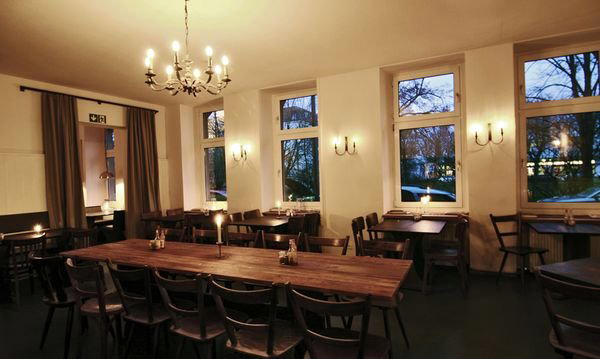
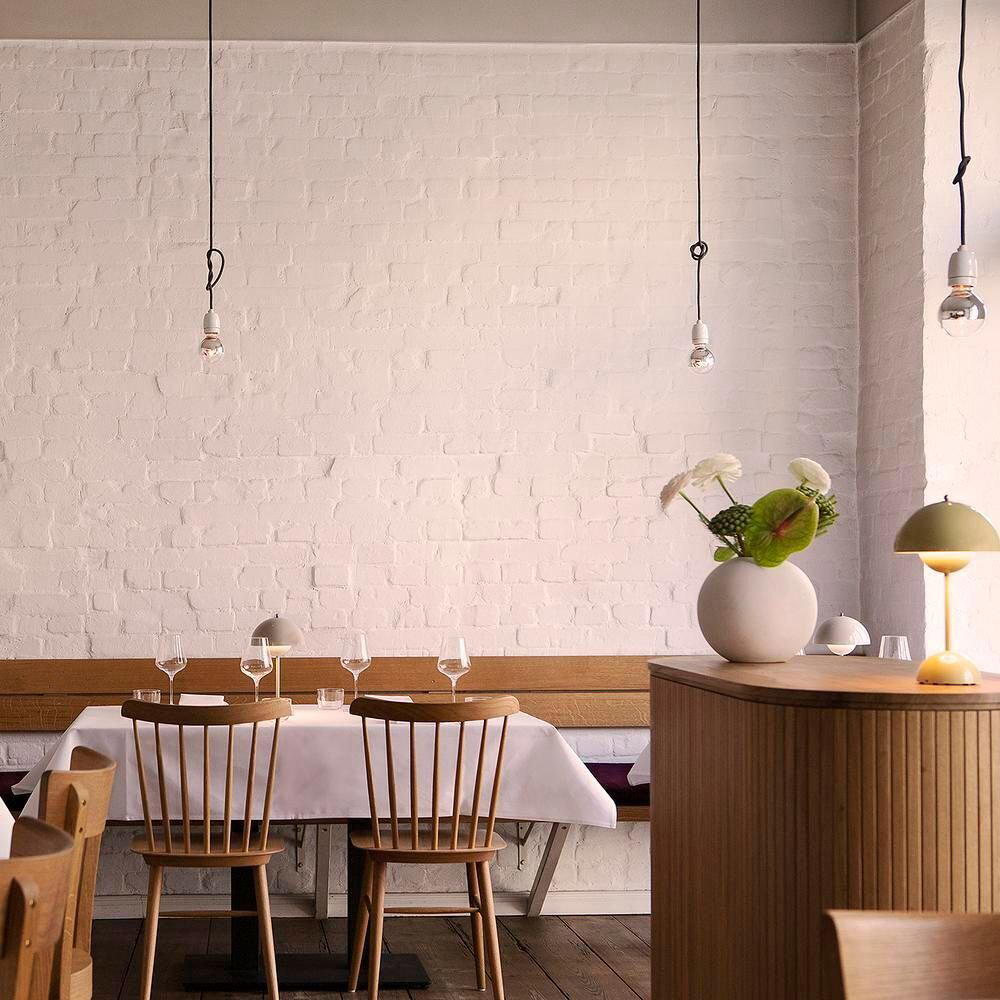
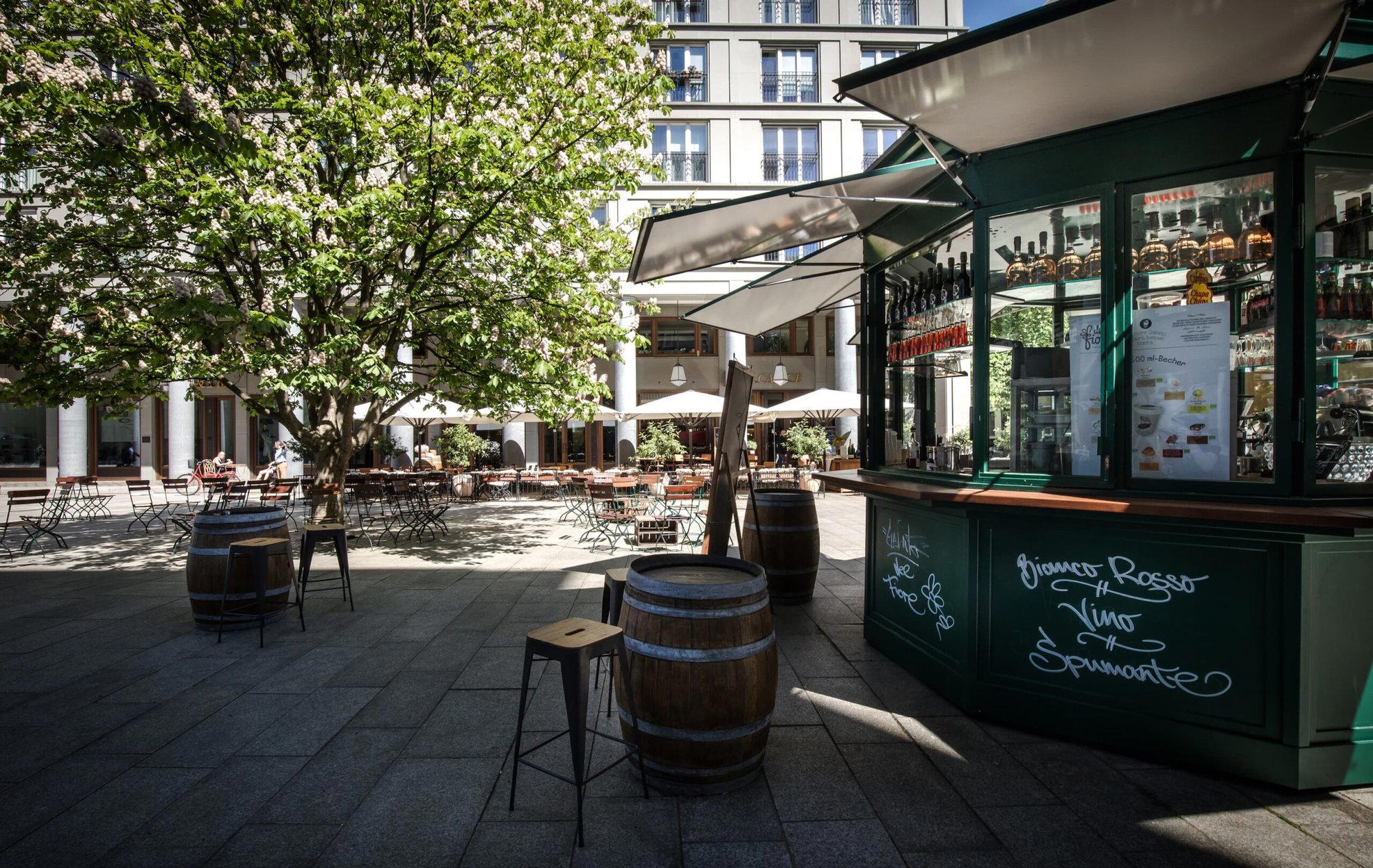
Neckarstraße sits in the northern part of Neukölln, a district that spent years being described primarily through the lens of gentrification anxiety before its restaurant density simply became a fact of Berlin life. The street itself is residential in character, which gives TISK the kind of approach-on-foot intimacy that defines this tier of Berlin dining. You are not arriving at a destination address in Mitte or Charlottenburg; you are arriving at a neighbourhood restaurant that has earned recognition beyond its postcode.
The venue's address — ground floor on a residential block — typifies the Neukölln model where the dining room is embedded in the fabric of the street rather than announced by a hotel lobby or a converted industrial space. The Google rating of 4.3 across 466 reviews reflects a sustained local following rather than a spike from a single press moment, which tends to be a more reliable indicator of consistent execution over time.
German Cuisine and the Question of Sustainability
The most substantive shift happening across German restaurant cooking right now is not stylistic but ethical. The restaurants earning sustained Michelin recognition at the Plate and Bib Gourmand level in Berlin are increasingly those that have built supply chains connecting them to regional producers, small farms, and seasonal availability rather than importing protein and produce from outside the country or the region. This is not new as a principle , it has been central to the rhetoric of German gastronomy for decades , but the execution has become more rigorous and more verifiable.
At the Plate level, the Michelin framework does not require the kind of documented provenance chains that starred restaurants publish as part of their brand identity. But the restaurants that earn and retain Plate recognition in a competitive city tend to be those where the kitchen operates with discipline around what comes in the back door. In a district like Neukölln, where operating margins are tighter than in prime central locations and where the customer base is attentive to value, the restaurants that thrive are those that waste less and buy better rather than buying expensively and wasting more.
That structural logic is part of what makes TISK's positioning coherent. German cuisine at this price point has a natural affinity with low-waste cooking: the tradition runs through nose-to-tail preparation, fermented and preserved vegetables, slow-cooked cheaper cuts, and the use of stocks and broths that extract value from bones and trimmings. These are not sustainability gestures imported from Scandinavian fine dining; they are part of the foundational vocabulary of the cuisine. A restaurant working in this register, at €€ pricing in Neukölln, has practical incentives to honour that tradition that go beyond marketing.
Where TISK Sits in Berlin's German Dining Tier
Mapping TISK against Berlin's German-cuisine restaurants illustrates how stratified the category has become. At the leading end, restaurants like Zur letzten Instanz carry a historical weight that places them in a different conversation entirely, while Jäger & Lustig represents the game-focused, forest-larder school of German cooking that commands its own following. TISK's double Michelin Plate puts it in a recognisable quality bracket without the price or formality that signals a special-occasion-only address.
For comparison with what the German restaurant scene looks like at its starred upper tier elsewhere in the country: Schwarzwaldstube in Baiersbronn, Aqua in Wolfsburg, and Vendôme in Bergisch Gladbach represent what German cooking looks like when the full fine-dining apparatus is deployed. JAN in Munich and ES:SENZ in Grassau show how the starred tier operates in a Bavarian register. TISK is not competing with those addresses, nor is it trying to. It operates in the tier where recognisable German cooking, executed with care and priced accessibly, forms the actual daily dining life of a neighbourhood.
The international dimension of German cooking is worth noting here too. Sühring in Bangkok demonstrates how German culinary techniques travel and adapt in diaspora contexts, while CARLS Brasserie an der Elbphilharmonie in Hamburg and Restaurant Haerlin in Hamburg illustrate the Hamburg reference points for upscale German brasserie cooking. TISK is neither of those things , it is the Berlin neighbourhood version, grounded and unshowy.
Planning Your Visit
Know Before You Go
- Address: Neckarstraße 12, 12053 Berlin, Germany
- Cuisine: German
- Price range: €€
- Awards: Michelin Plate 2024 and 2025
- Google rating: 4.3 / 5 (466 reviews)
- District: Neukölln, Berlin
- Booking: Contact the restaurant directly; no website or phone number is listed in current records , arrival in person or via local booking platforms is advisable
For a fuller picture of dining in the city, see our full Berlin restaurants guide, and for planning the rest of a trip: Berlin hotels, Berlin bars, Berlin wineries, and Berlin experiences.
FAQ: What Do People Recommend at TISK?
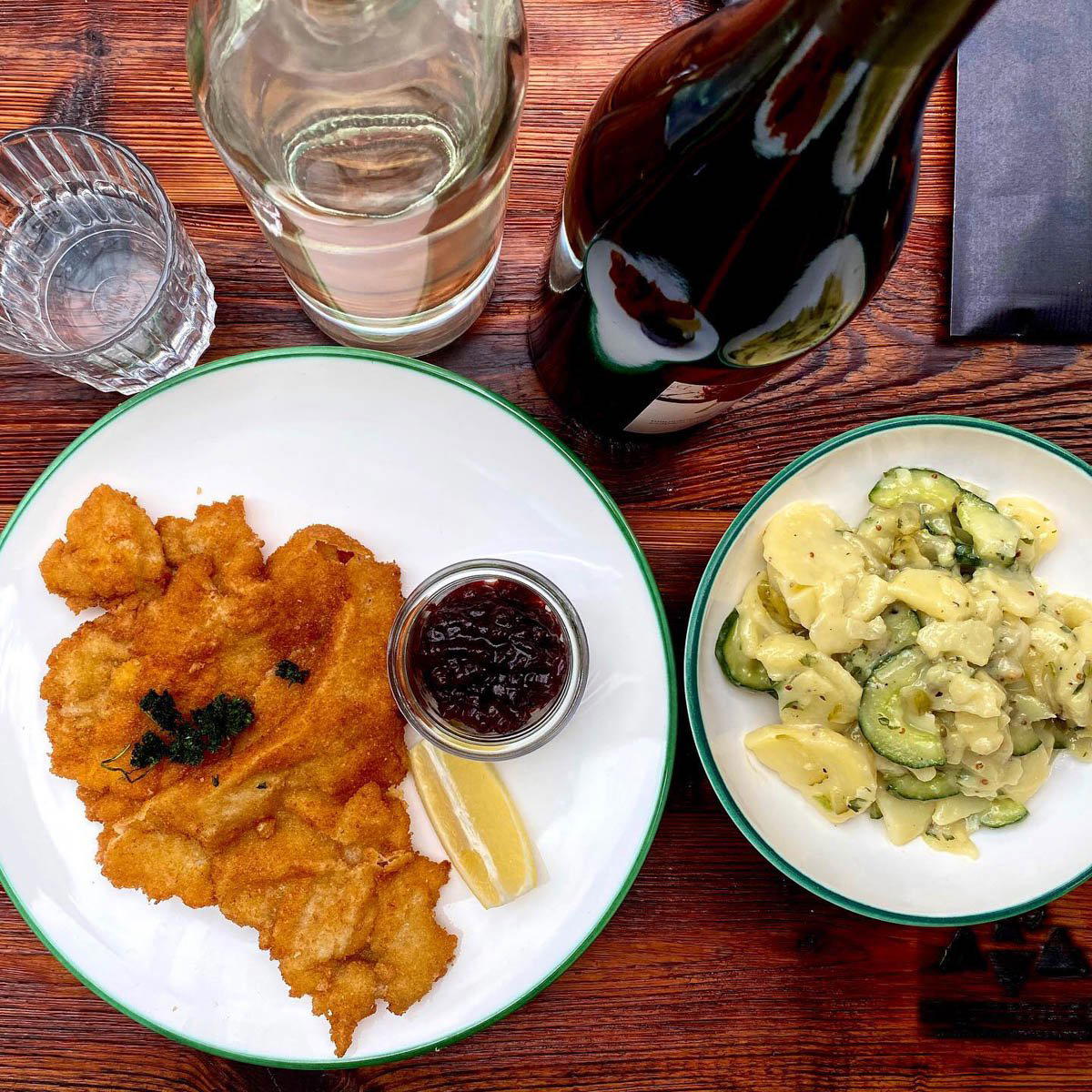
TISK's Michelin Plate recognition in both 2024 and 2025 points toward a kitchen that handles German cuisine with consistency rather than occasional brilliance. At the €€ price point in Neukölln, the restaurant draws a repeat local following , reflected in the volume and rating of its Google reviews , which suggests that the dishes people return for are rooted in the everyday register of German cooking: well-sourced proteins, seasonal vegetables, and the kind of preparation that prioritises flavour over spectacle. No specific signature dishes are documented in current records, but the profile of a Michelin Plate German restaurant at this price level in Berlin typically rewards those who order the kitchen's more labour-intensive preparations, which tend to show the clearest evidence of technique. The sustained Google rating of 4.3 across 466 reviews indicates broad satisfaction rather than polarised opinion, which at a neighbourhood restaurant is generally a sign that the kitchen delivers reliably across its full menu rather than excelling on a handful of showpiece dishes.
Cuisine Context
Comparable options at a glance, pulled from our tracked venues.
| Venue | Cuisine | Awards | Notes |
|---|---|---|---|
| TISK | German | Michelin Plate (2025); Michelin Plate (2024) | This venue |
| CODA Dessert Dining | Creative | Michelin 2 Star | Creative, €€€€ |
| Rutz | Modern European, Modern Cuisine | Michelin 3 Star | Modern European, Modern Cuisine, €€€€ |
| Nobelhart & Schmutzig | Modern German, Creative | Michelin 1 Star | Modern German, Creative, €€€€ |
| FACIL | Contemporary European, Creative | Michelin 2 Star | Contemporary European, Creative, €€€€ |
| Horváth | Modern Austrian, Creative | Michelin 2 Star | Modern Austrian, Creative, €€€€ |
Need a table?
Our members enjoy priority alerts and concierge-led booking support for the world's most difficult tables.
Get Exclusive Access