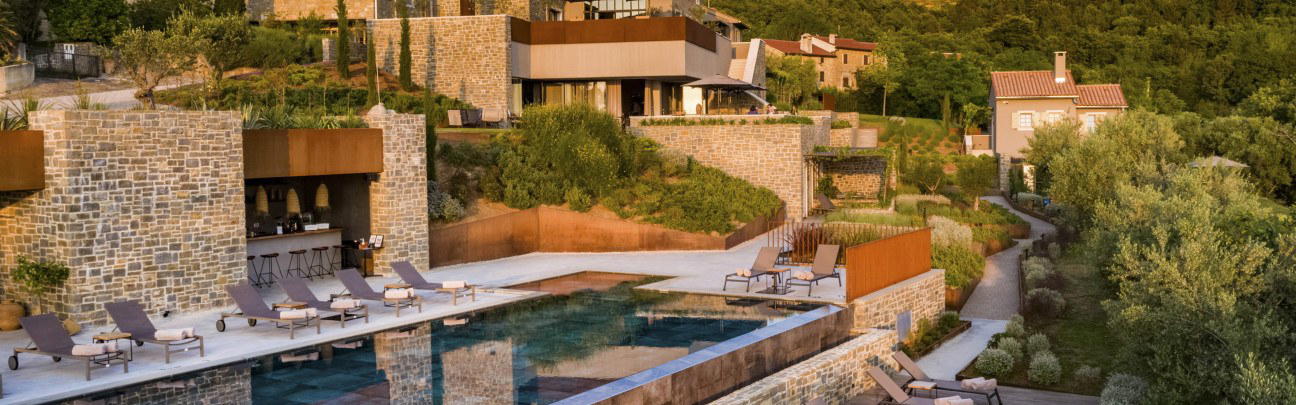
Porto Salvore sits at Croatia's northwestern tip in the village of Savudrija, where the Istrian peninsula meets the Adriatic near the oldest lighthouse on the Croatian coast. The cooking here draws on the produce-rich hinterland and shoreline that define this corner of Istria, placing it within a broader tradition of ingredient-led coastal dining that the region has quietly sustained for decades. For those exploring the Istrian interior as well as its shores, this is a logical and rewarding stop.
Pearl is the En Primeur Club membership app — saves, bookings, and concierge access live there. Same editors, same standards.
- Address
- Savudrija 5, 52475, Savudrija, Croatia
- Phone
- +38552759213
- Website
- porto-salvore.com
- Directions
- Get directions
 Saves & bookings on Pearl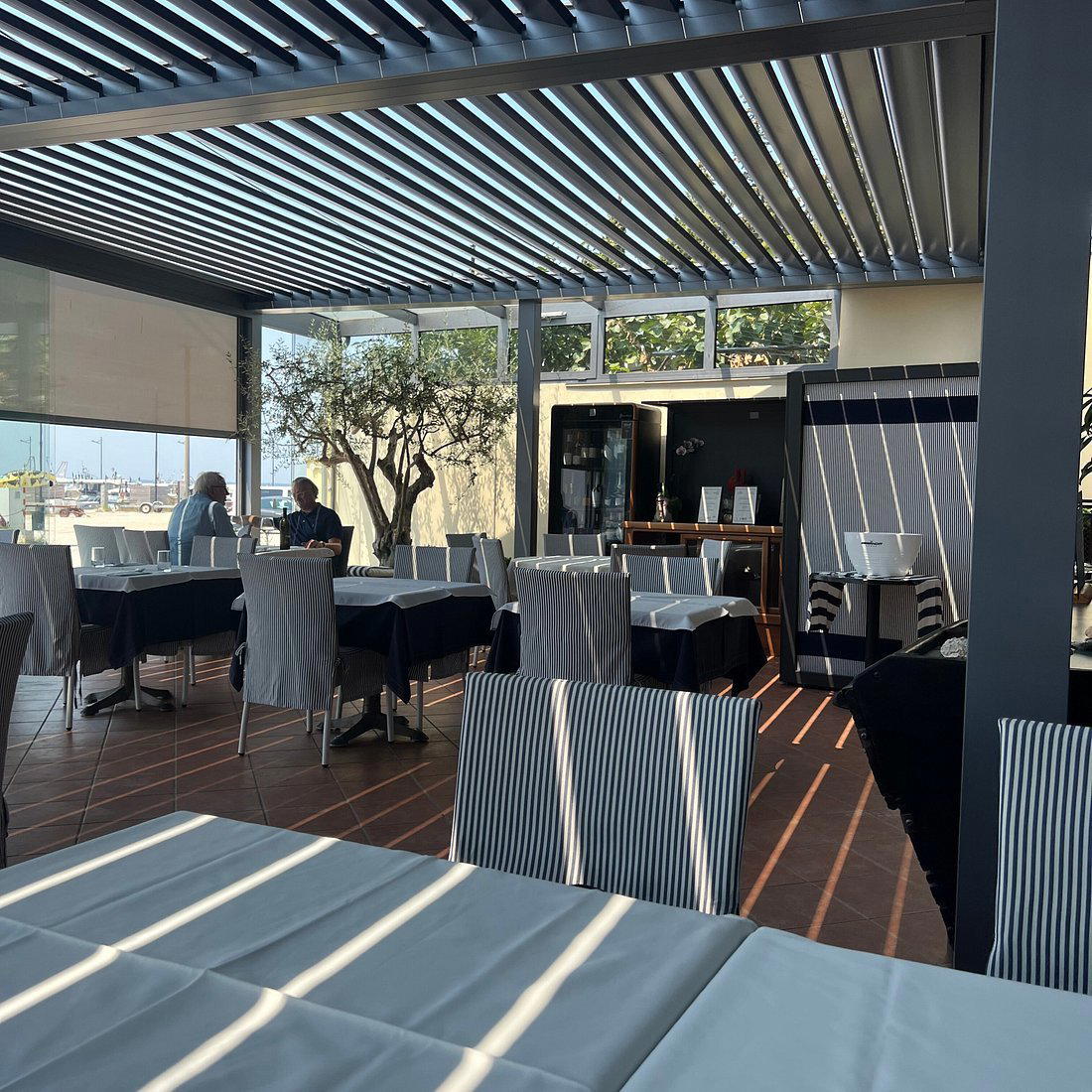
At the Edge of Istria, Where the Land Meets the Sea
Savudrija occupies Croatia's westernmost point, a small settlement on the tip of the Istrian peninsula that most visitors pass through rather than stop in. The lighthouse here, built in 1818, is the oldest on the Croatian Adriatic coast, a fact that tells you something about how long this edge of Istria has mattered to those moving through the northern Adriatic. Porto Salvore sits within that context: a coastal address at the end of a road that rewards the decision to drive it. The approach gives you open sea on one side and the low karst scrub of the peninsula on the other, and the horizon on clear days extends to the Slovenian coast and across to Italy. This is not a dining destination engineered for maximum visibility or foot traffic. It operates in a location that filters its audience before they even arrive.
Istria's Ingredient Logic
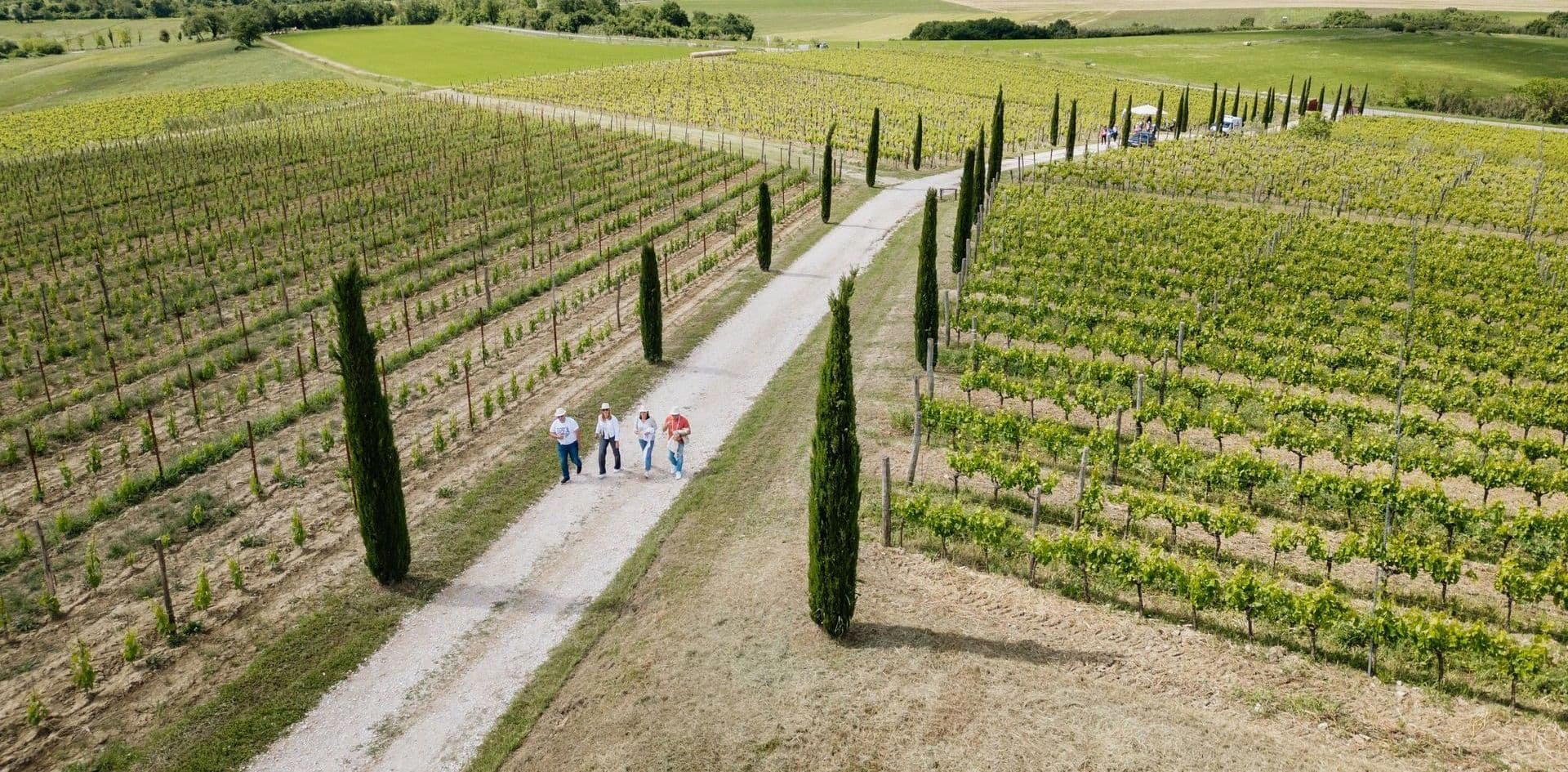
Understanding the food in this part of Croatia requires understanding the geography first. The Istrian peninsula functions as one of Europe's more concentrated pockets of premium local produce: white and black truffles from the Motovun forest interior, olive oil from groves that have been cultivated since Roman occupation, wine from indigenous varieties like Malvazija Istarska and Teran, and seafood pulled from the same northern Adriatic waters that supply the Venetian market across the water. This is not marketing regionalism, it is a reflection of soil type, microclimate, and centuries of agricultural continuity that have kept Istrian producers occupying a specific tier within Croatian and broader European produce supply chains.
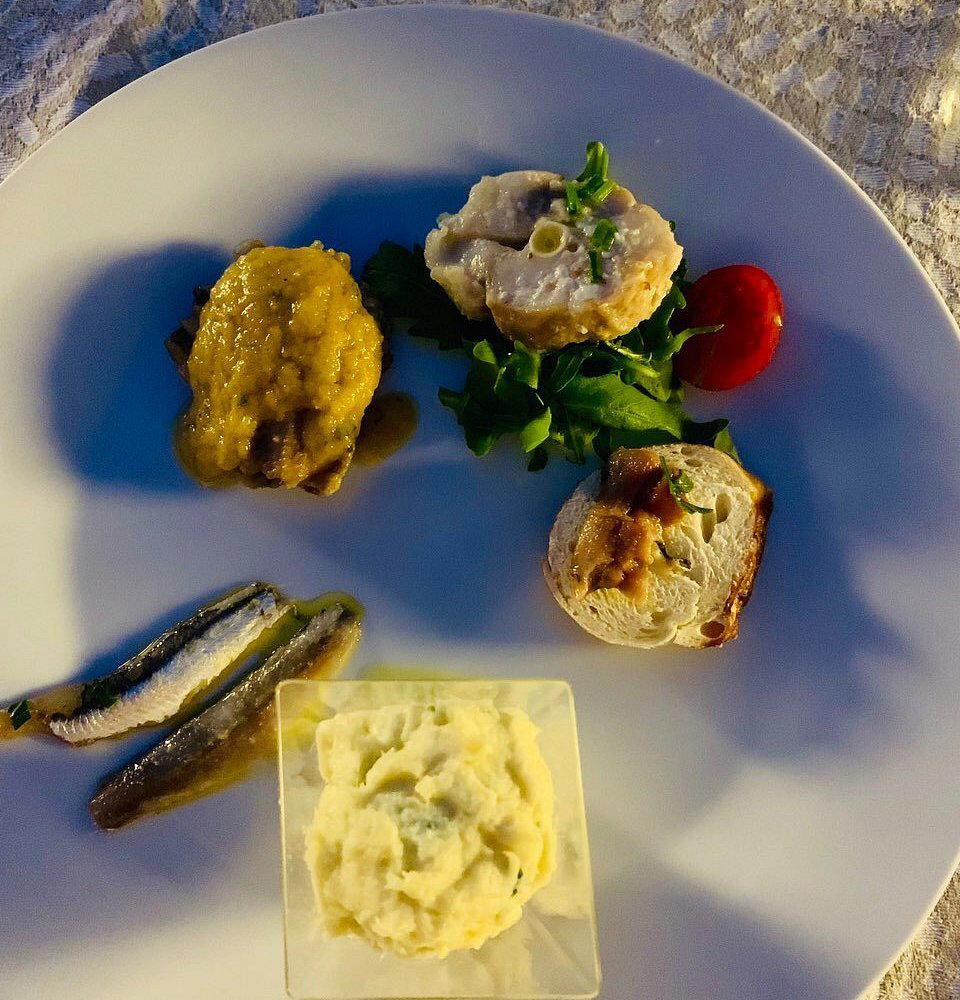
Coastal restaurants along this stretch of Istria sit at the intersection of those two supply lines: what comes out of the sea and what comes down from the hills. The ratio shifts depending on how close a kitchen sits to the water. Savudrija, with its harbour and its position at the peninsula's tip, tilts toward the sea, which means the fish and shellfish sourcing logic takes precedence. Istrian coastal cooking at this latitude tends toward less intervention rather than more, the produce quality is the argument, and heavy elaboration would work against it. This is the culinary tradition into which Porto Salvore fits, and the standard against which it should be read.
Across Croatian coastal dining at this level, the reference points worth noting include Agli Amici Rovinj in Rovinj, which operates at the upper end of Istrian contemporary cuisine with Michelin recognition, and Pelegrini in Sibenik, which has made a similar case for Dalmatian ingredients further south. The Istrian northwest has its own register, more influenced by proximity to Friuli-Venezia Giulia and Slovenia than by the Dalmatian coast, and that northern Adriatic inflection shapes both the produce availability and the flavour logic of the cooking.
The Northern Adriatic Table
The northern Adriatic supports a different seafood ecology than the Dalmatian south. Colder, shallower water produces shellfish, particularly scallops and oysters from the nearby Lim Bay and Limska Draga fjord, one of Croatia's few natural shellfish cultivation sites, as well as the smaller, more intensely flavoured fish that characterise Adriatic cuisine at its most direct. Brodetto, the regional fish stew with roots shared between the Italian and Croatian sides of the Adriatic, appears in various forms along this coastline. Cuttlefish, crab, and the local variety of sea bass (lubin) appear consistently across menus in this part of Istria.
The olive oil question matters here too. Northwestern Istria produces oil from Buža, Črnica, and Rosinjola varieties, cultivars that are largely unknown outside the region but that produce oil with a measurably different chemical profile from Tuscan or Spanish equivalents. Producers in this area have won international recognition at competitions including the Flos Olei guide, which has consistently placed Istrian oils within the upper tier of Mediterranean production. A kitchen working with local sourcing in Savudrija has access to that supply chain, and it changes what a dish of grilled fish over local oil actually means on the plate.
For those building a broader picture of Croatian coastal dining, Nebo by Deni Srdoč in Rijeka offers a reference point for northern Croatian Adriatic cuisine at its most technically developed, while LD Restaurant in Korčula and Restaurant 360 in Dubrovnik show how the southern end of the coast approaches a similar ingredient logic from a different regional base. The contrast is instructive: Istrian cooking reads Italian; Dalmatian cooking reads more distinctly its own.
Further context on Croatian dining at a higher level of ambition is available through Boskinac in Novalja, Krug in Split, Dubravkin Put in Zagreb, Korak in Jastrebarsko, Alfred Keller in Mali Losinj, Cubo in Opatija, Burin in Crikvenica, Bodulo in Pag, BioMania Bistro Bol in Bol, and Cantilly Garden Restaurant in Samobor, each representing a distinct regional register within the same country. For a global comparative frame on ingredient-driven seafood cooking, Le Bernardin in New York City and Atomix in New York City show how sourcing precision operates at the highest level of fine dining ambition.
Planning a Visit to Savudrija
Savudrija is accessible by car from Umag, roughly six kilometres to the southeast, and from Poreč, which sits about thirty kilometres further down the coast. There is no rail connection to this part of Istria; a car is the practical requirement for reaching the peninsula's tip. The shoulder months, late April through June, and September into October, offer a more calibrated version of the same coastline, with better availability and more consistent weather for the outdoor dining that coastal restaurants in this area typically rely on.
At-a-Glance Comparison
Comparable venues nearby, for context on price, style, and recognition.
| Venue | Cuisine | Price | Notes |
|---|---|---|---|
| Porto SalvoreThis venue — the venue you are viewing | Traditional Croatian Seafood | $$$ | Not listed |
| Burin | Fresh Seafood and Mediterranean | $$$ | Crikvenica |
| Lovranska Vrata | Fresh Seafood & Croatian Mediterranean | $$$ | Stari Grad |
| Na Kantunu Tavern | Croatian Seafood Tavern | $$ | :null |
| Boba | Contemporary Adriatic Seafood | $$$ | Murter |
| Viking | Seafood & Croatian Mediterranean | $$ | Kanfanar |
Continue exploring
More in Savudrija
Restaurants in Savudrija
Browse all →
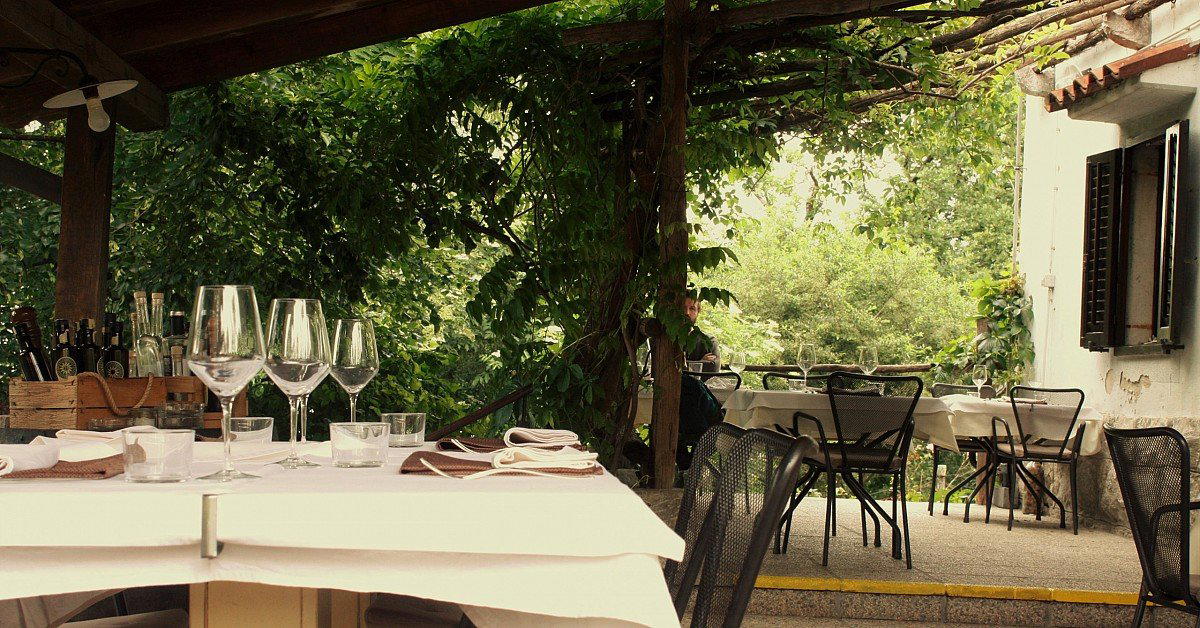
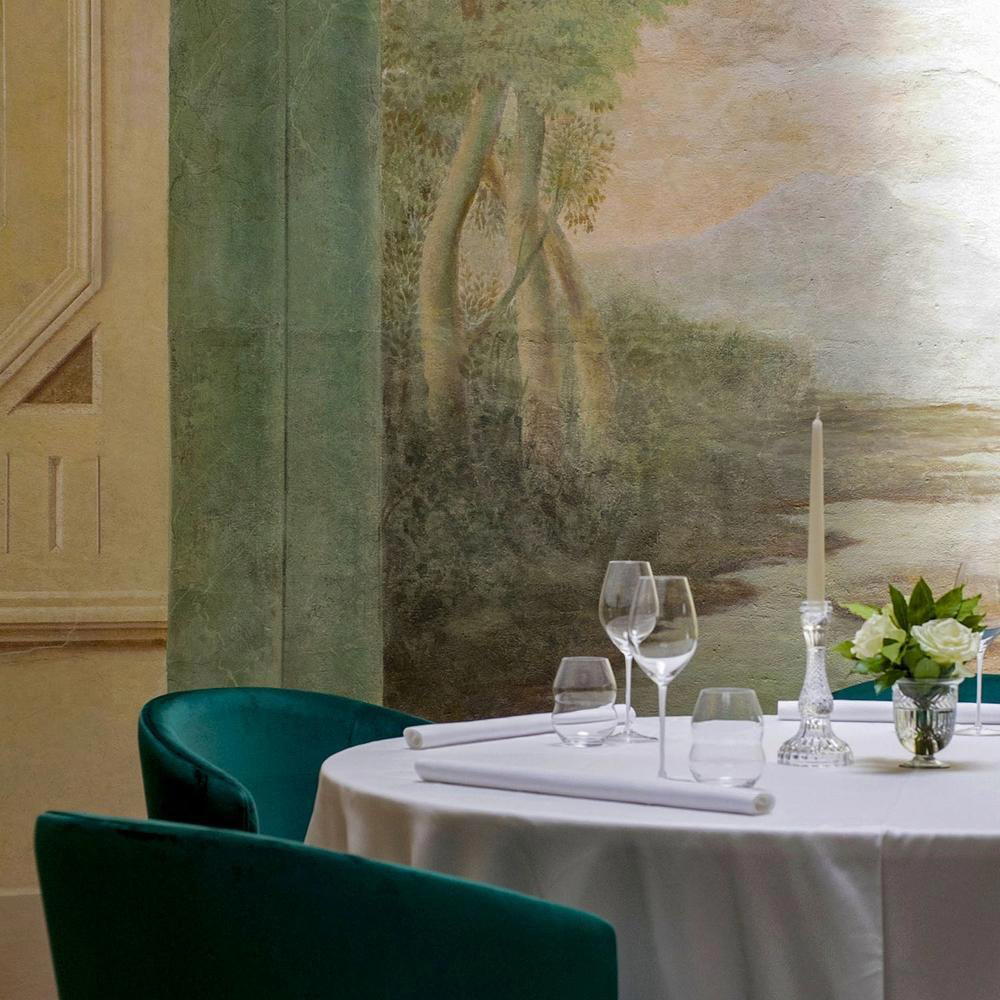
Bars in Savudrija
Browse all →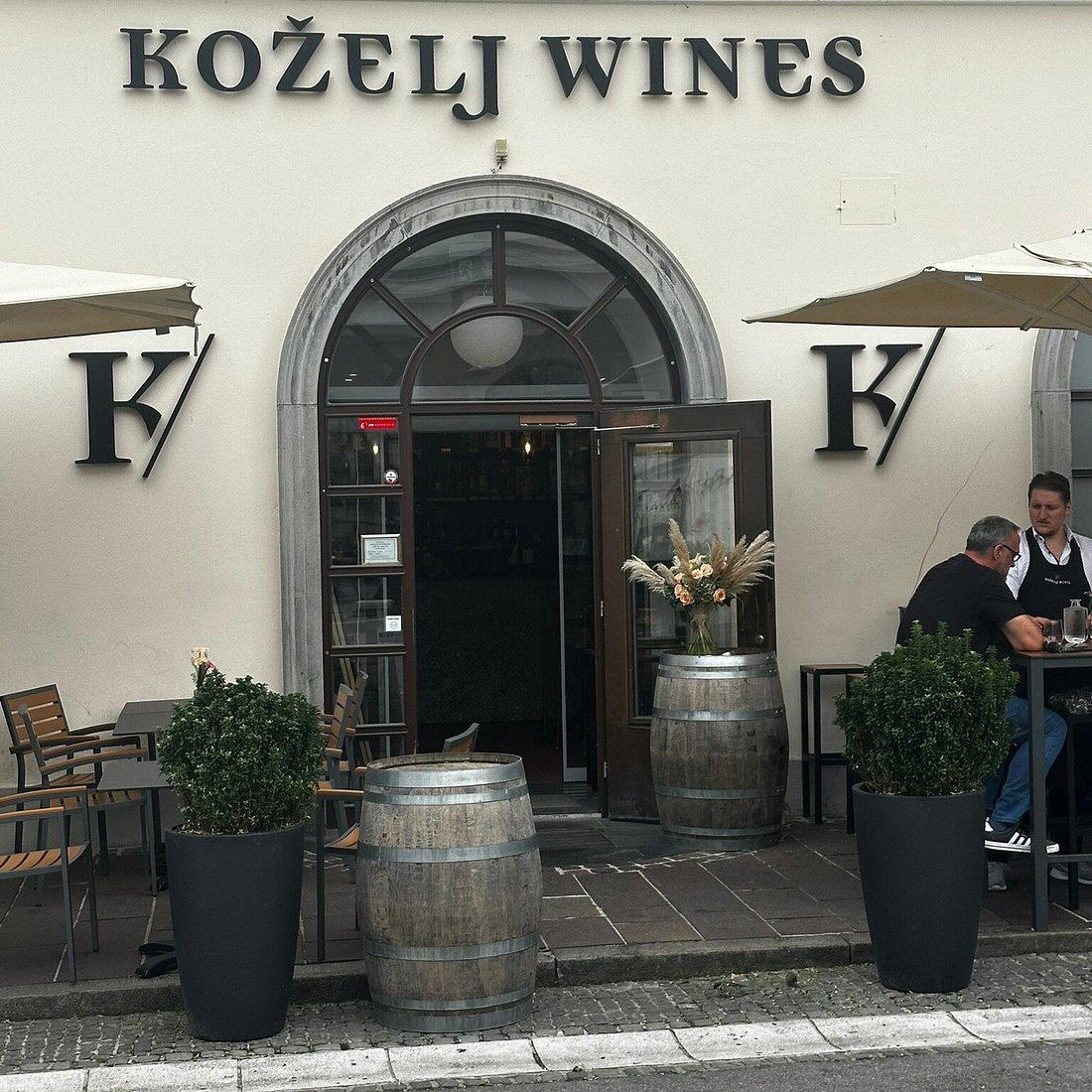
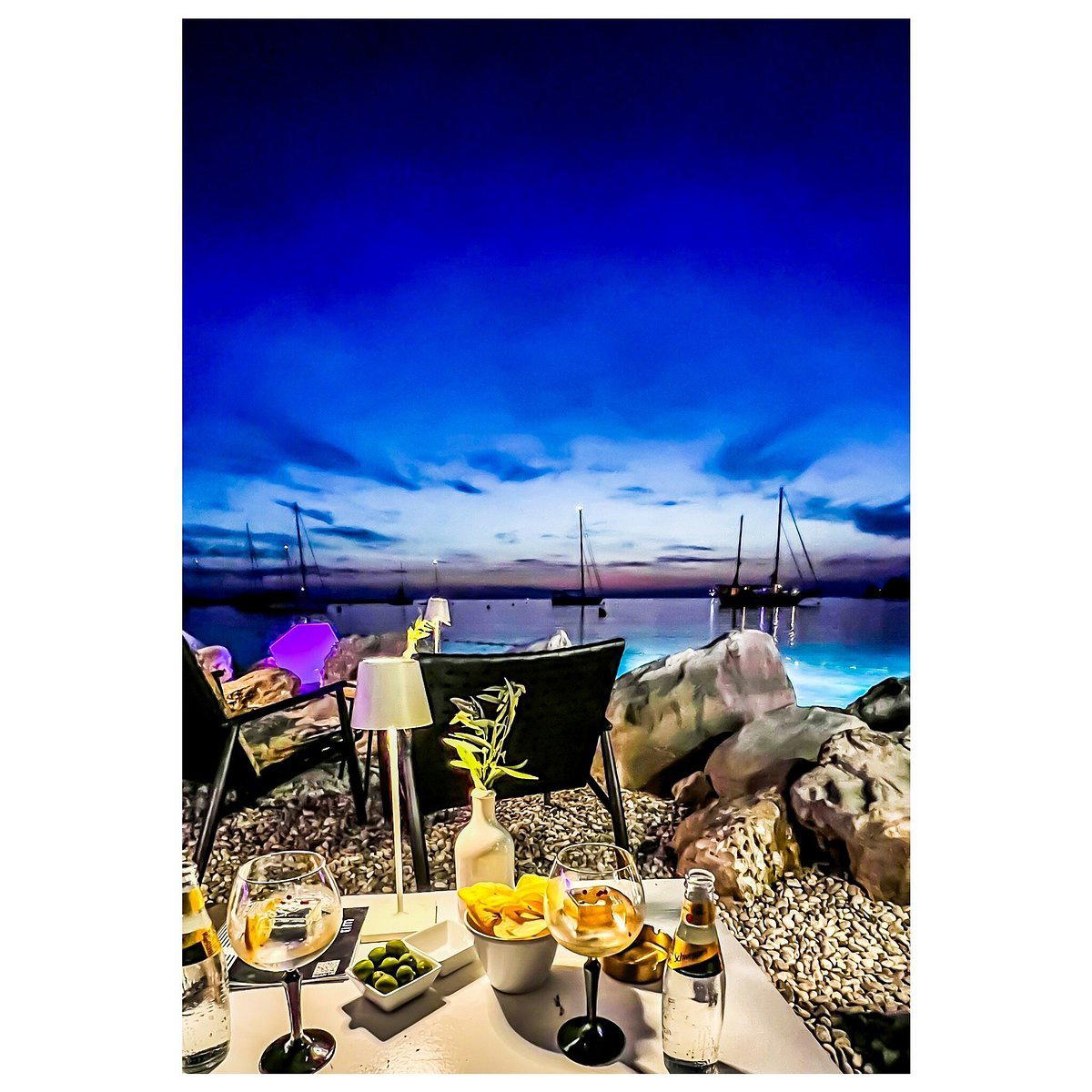
Hotels in Savudrija
Browse all →
At a Glance
- Scenic
- Cozy
- Rustic
- Date Night
- Family
- Waterfront
- Terrace
- Extensive Wine List
- Local Sourcing
- Waterfront
- Street Scene
Current opening hours
- Monday
- 8 AM–9 PM
- Tuesday
- Closed
- Wednesday
- 8 AM–9 PM
- Thursday
- 8 AM–9 PM
- Friday
- 8 AM–10 PM
- Saturday
- 8 AM–10:30 PM
- Sunday
- 8 AM–9:30 PM
Hours can change for holidays and private events. Last verified .
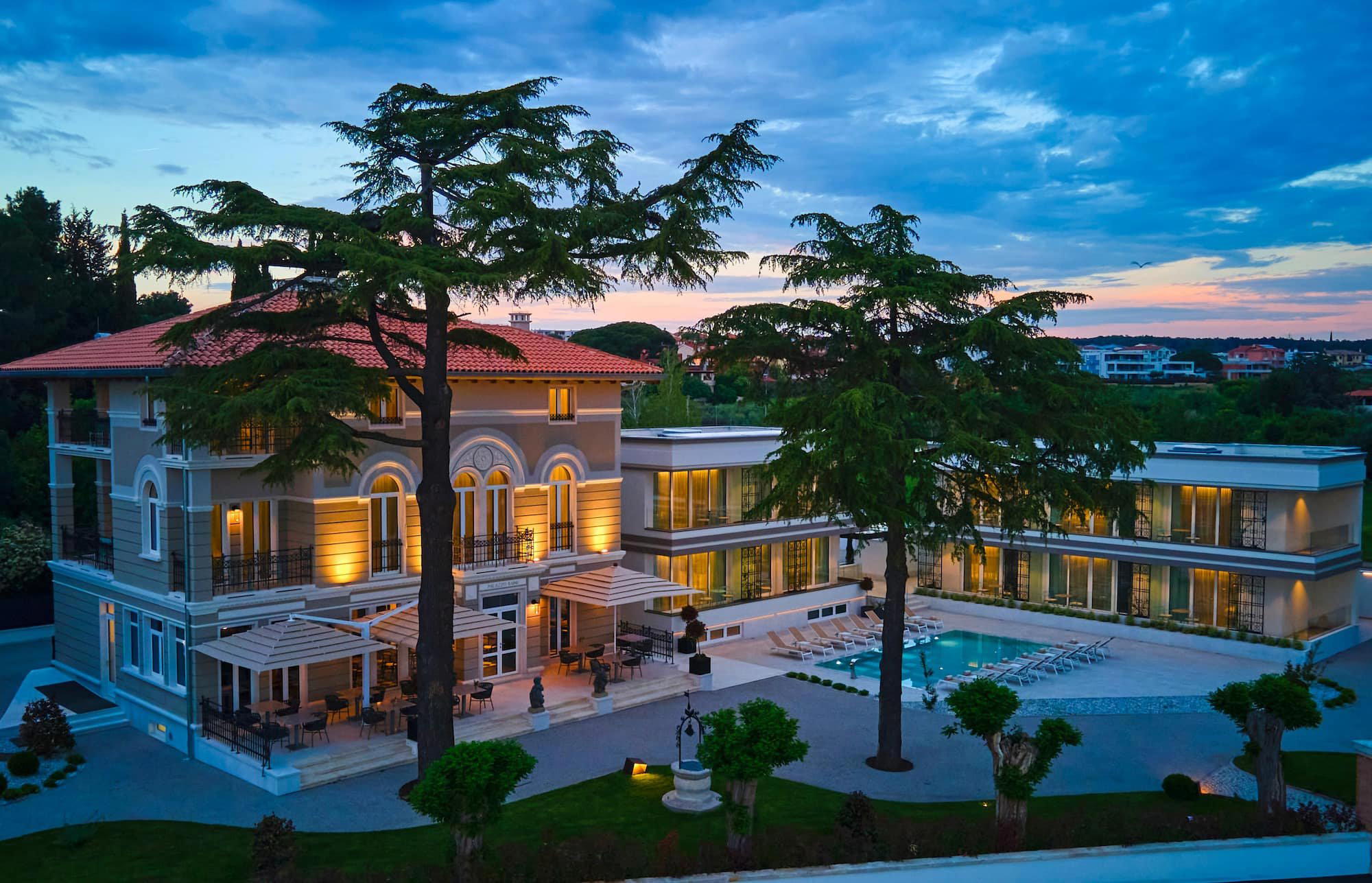
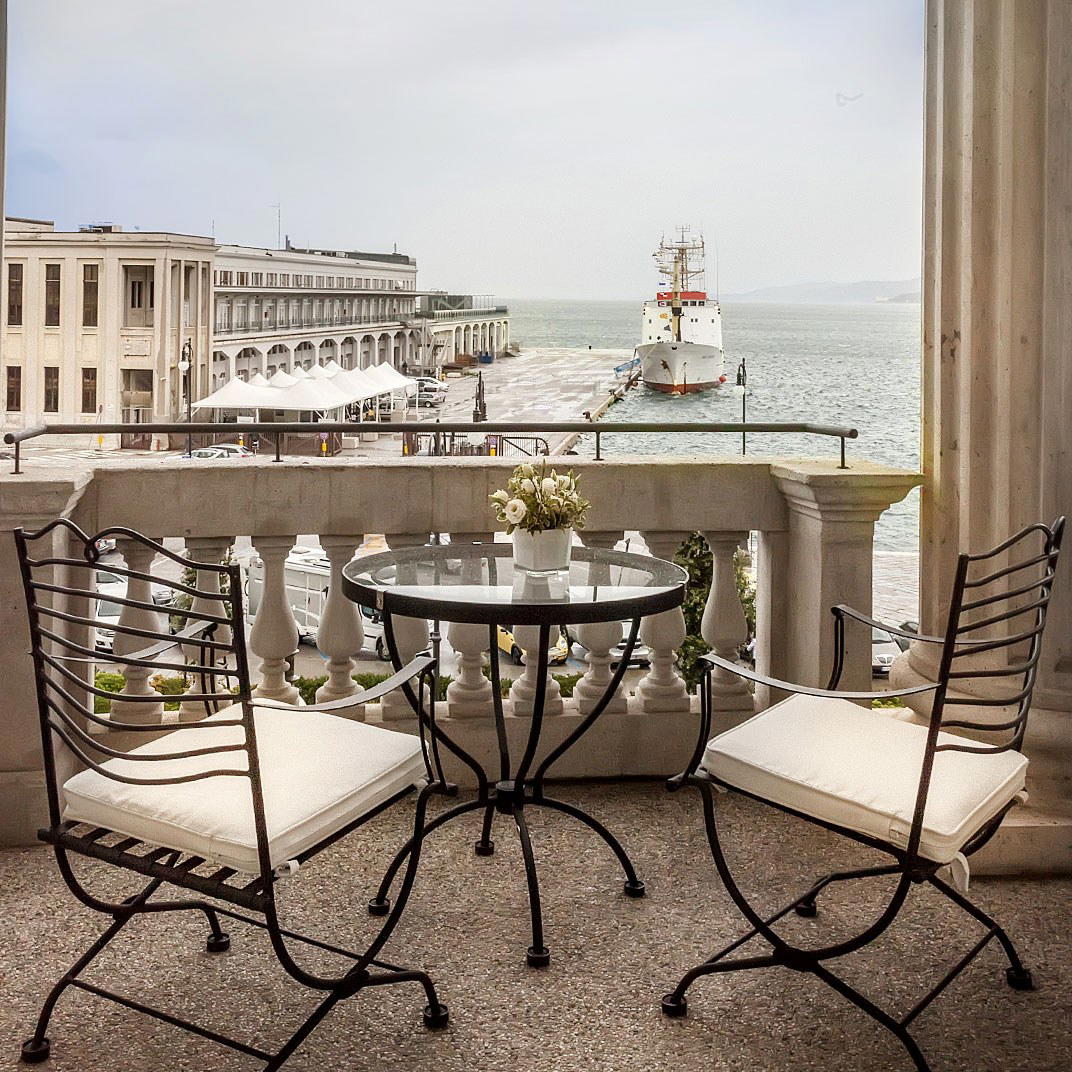
Peaceful ambience with modern functional design overlooking the port and sea, cozy and hospitable.