Na Kantunu Tavern sits on Wenzelova Street in Rijeka, operating in a city where the Kvarner Gulf's fishing traditions and Central European tavern culture have long overlapped. The address places it inside the old town's layered urban fabric, where local taverns have historically served as the connective tissue between the port, the market, and the neighbourhood. A reference point for those tracing Rijeka's vernacular dining scene.
Pearl is the En Primeur Club membership app — saves, bookings, and concierge access live there. Same editors, same standards.
- Address
- Wenzelova ul. 4, 51000, Rijeka, Croatia
- Phone
- +38551313271
- Website
- business.site
- Directions
- Get directions
 Saves & bookings on Pearl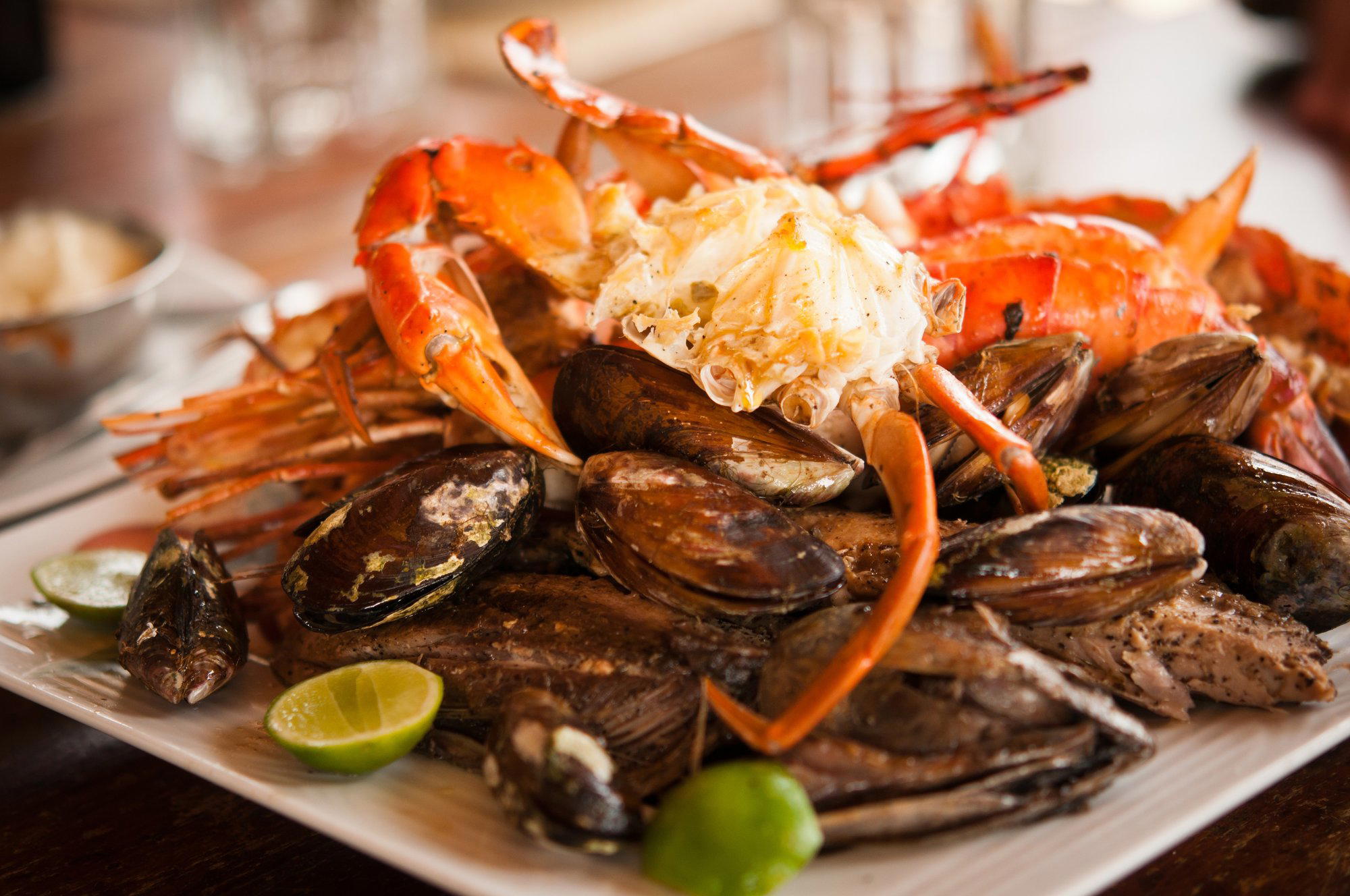
Where Kvarner Tavern Culture Meets the Old City
Rijeka's dining character has never been easy to summarize, which is part of what makes the city worth understanding on its own terms. Unlike Dubrovnik, which performs its Mediterranean identity for an international audience, or Zagreb, which has developed a recognizable contemporary restaurant tier, Rijeka operates at the intersection of several culinary traditions at once: the Adriatic's fish-driven cooking, the Austro-Hungarian tavern inheritance of the northern coast, and a working-port directness that resists the kind of polish you find further south. Na Kantunu Tavern is a Croatian Seafood Tavern in Rijeka, Croatia, at Wenzelova ul. 4. Na Kantunu Tavern, addressed at Wenzelova ul. 4 in the old town core, sits inside that intersection.
The phrase "na kantunu" means something close to "on the corner" in the Chakavian dialect that runs through much of the Kvarner region, and the name is itself a signal of what the place is positioning itself as: a neighbourhood fixture, not a destination restaurant. In cities where that category has largely been swallowed by tourist-facing konobas or generic bistros, a tavern that holds to the corner-shop model of local hospitality occupies a specific and increasingly rare niche.
The Kvarner Context: What Rijeka's Tavern Tradition Actually Means
To understand what a Rijeka tavern is, it helps to understand what the city is. Rijeka spent much of the nineteenth and early twentieth century contested between Italian, Hungarian, and Croatian administrations, a history that left the city with an unusually layered food culture. The Italian influence brought a preference for pasta and seafood preparations that align more closely with Venetian or Istrian cooking than with Dalmatian. The Central European inheritance brought a culture of taverns as social spaces, not simply eating rooms, where wine from Krk or the Istrian interior was as important as the food. The Adriatic proximity brought the raw material: scampi from the Kvarner Gulf, fish from the open sea, and shellfish from the channels around Cres and Lošinj.
At its leading, a Rijeka tavern holds all three of those threads simultaneously. The cooking tends to be unfussy, grounded in what the market had that morning and what the cellar has been holding for months. This is the tradition Na Kantunu Tavern operates within, and it is a tradition that several of Rijeka's more prominent venues have moved away from as the city's profile has risen. Nebo by Deni Srdoč represents the modern cuisine end of the spectrum at the €€€€ tier, while Bistro Grad occupies a contemporary mid-range position. Na Kantunu sits in a different register entirely, one that prioritises familiarity over ambition.
The Address and What It Tells You
Wenzelova Street runs through a section of Rijeka's old town where the urban grain is still relatively intact: narrow facades, ground-floor commercial spaces, the kind of street where a tavern makes spatial sense in a way it doesn't in the city's newer districts. The location is not incidental. Corner taverns in Croatian coastal cities historically served as the informal anchor of their immediate block, a place where fishermen, dockers, and market traders came before and after work. The tourist economy has eroded that model in many places, but Rijeka, which draws a more purposeful visitor than the beach-resort towns of Dalmatia, has retained some of it.
For visitors approaching from the city's main pedestrian axis or from Korzo, the old town's central promenade, Wenzelova is accessible on foot. Those arriving by train or ferry will find the old town a short walk from both the main station and the port, which has historically been the city's defining infrastructure. Rijeka remains one of Croatia's main cargo and passenger ferry hubs, and the character of the streets around the old town reflects that maritime identity more directly than any of the polished resort towns to the south.
How Na Kantunu Compares Within Rijeka's Dining Range
Rijeka's restaurant tier has diversified in recent years. Cacao, Capote y Olé, and Conca d'oro each occupy distinct corners of the market, and the city's overall food scene now has enough range to sustain a multi-day eating itinerary. Within that range, the tavern format sits at the informal end, which does not mean lower quality but does mean a different set of expectations: shorter menus, less ceremony, and a relationship between kitchen and dining room that is closer to domestic than theatrical.
That format has its own discipline. The leading tavern cooking in the Kvarner region relies on precise sourcing and restraint rather than technique for its own sake. A well-made peka, or a plate of grilled fish from the morning's catch, represents a more demanding standard in some ways than a multi-course tasting menu, because there is nowhere to hide when the ingredients are the point. Whether Na Kantunu meets that standard on any given visit is something the kitchen determines, not the name above the door.
Rijeka Within the Broader Croatian Dining Conversation
Croatia's restaurant scene has developed unevenly across regions. The Dalmatian coast, anchored by venues like Pelegrini in Sibenik and Restaurant 360 in Dubrovnik, has attracted international attention, while Istria has built a reputation around truffle-driven cooking and producers like those represented at Agli Amici Rovinj. The Kvarner region, which includes Rijeka and the islands of Krk, Cres, and Lošinj, sits between those two gravitational centres, with its own identity that is sometimes overlooked in favour of its more photogenic neighbours.
That relative anonymity is partly why the tavern format survives here in a more intact form than it does in Hvar or Korčula. The visitor pressure that has commodified dining in some parts of the coast has not hit Rijeka with the same force, which means the city's informal eating culture has had room to persist. Venues like Alfred Keller in Mali Lošinj and Boskinac in Novalja represent the more polished end of Kvarner dining, providing useful reference points for what the region looks like when it aims for a different audience. Na Kantunu sits well to the left of that range.
Zagreb's contemporary dining tier, represented by Dubravkin Put and others, shows where Croatian cooking goes when it moves away from the coast and the tavern tradition entirely. The contrast is instructive: Rijeka holds a middle position, coastal but not resort-driven, urban but not metropolitan, and the tavern format is the eating category that maps most naturally onto that identity.
Planning a Visit
Na Kantunu Tavern is located at Wenzelova ul. 4, Rijeka, within walking distance of the old town's main pedestrian areas and the Korzo promenade. Visitors should check current opening times before planning an evening around the address.
Those building a broader Croatian itinerary can use Rijeka as an entry point for the Kvarner islands or as a staging post between Istria and Dalmatia. The city's ferry connections to Cres, Lošinj, and further afield make it a practical hub as well as a dining destination in its own right.
Budget and Context
Comparable venues nearby, for context on price, style, and recognition.
| Venue | Cuisine | Price | Awards | Notes |
|---|---|---|---|---|
| Na Kantunu TavernThis venue — the venue you are viewing | Not listed | $$ | Not listed | Not listed |
| Konoba Fiume | Not listed | $$ | Not listed | Rijeka market, Traditional Croatian Seafood |
| Mornar | Not listed | $$ | Not listed | Riva Boduli, Fresh Croatian Seafood Bistro |
| Cacao | Not listed | $$ | Not listed | City Center, Dessert Patisserie with Vegan Options |
| Konoba Nebuloza | Grobnik, Croatian Seafood Konoba | $$ | Not listed | Not listed |
| Bistro Grad | Not listed | $$ | Michelin Plate | port area, Modern Italian-Croatian Bistro |
Continue exploring
More in Rijeka
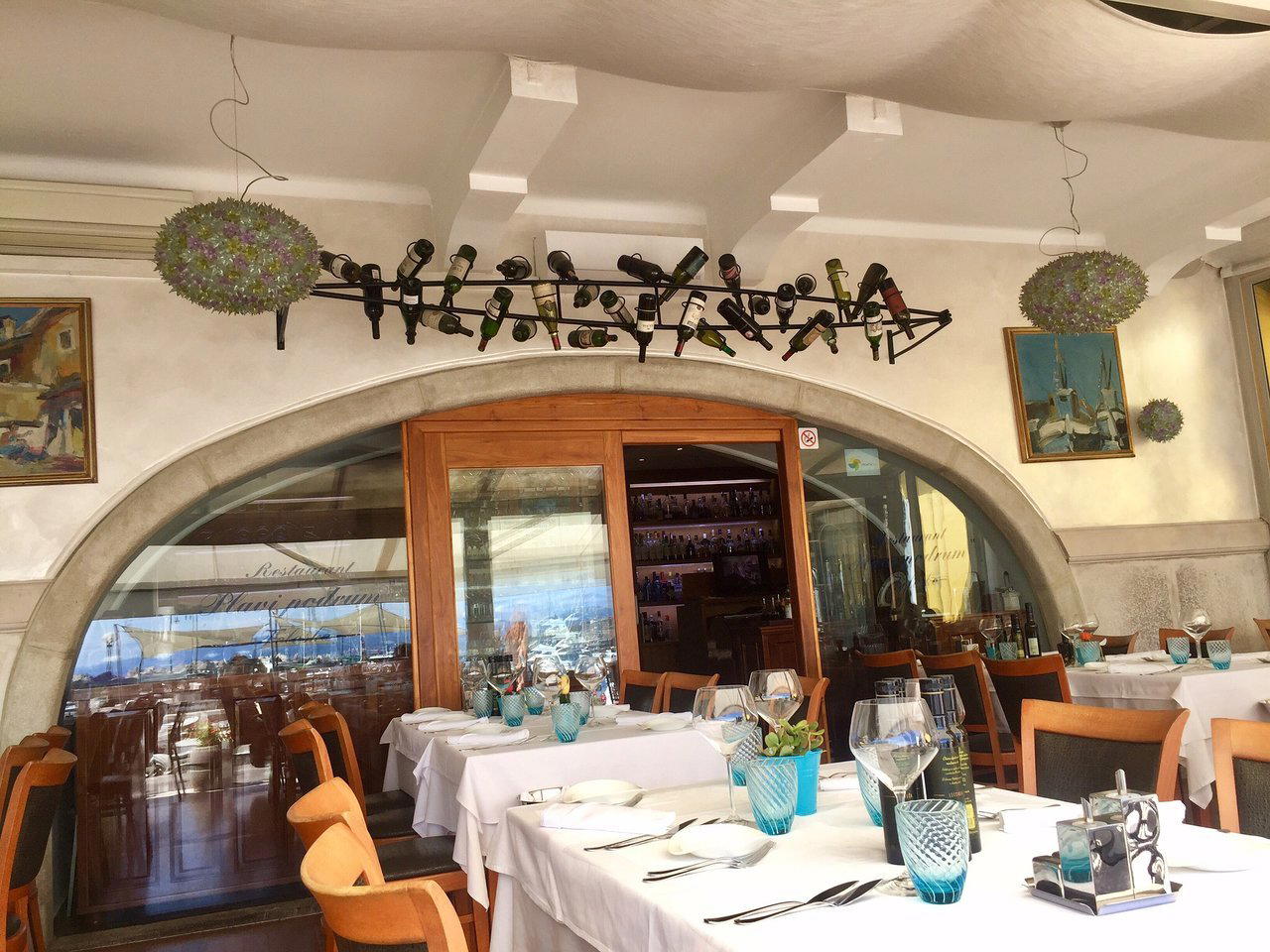
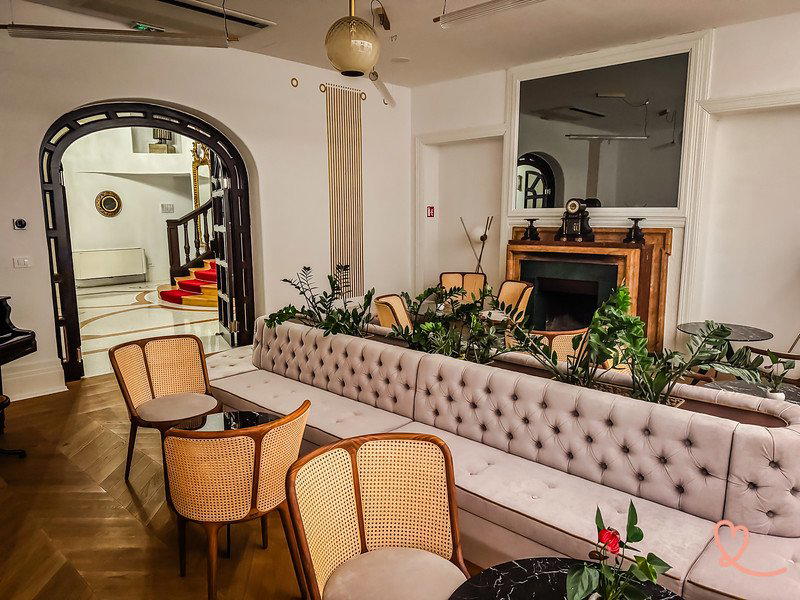
Restaurants in Rijeka
Browse all →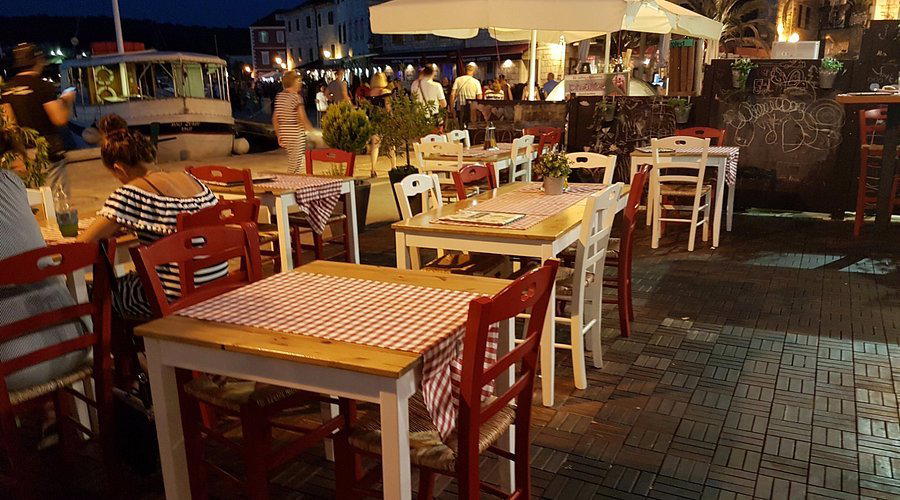
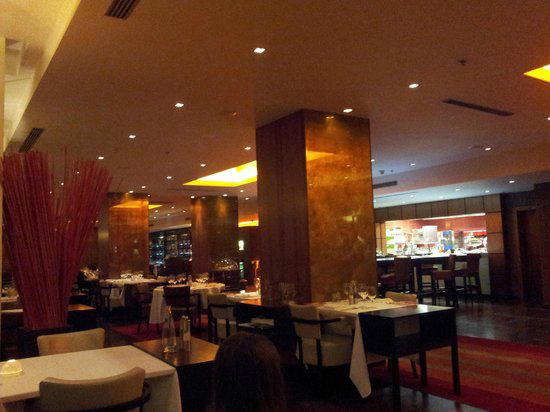
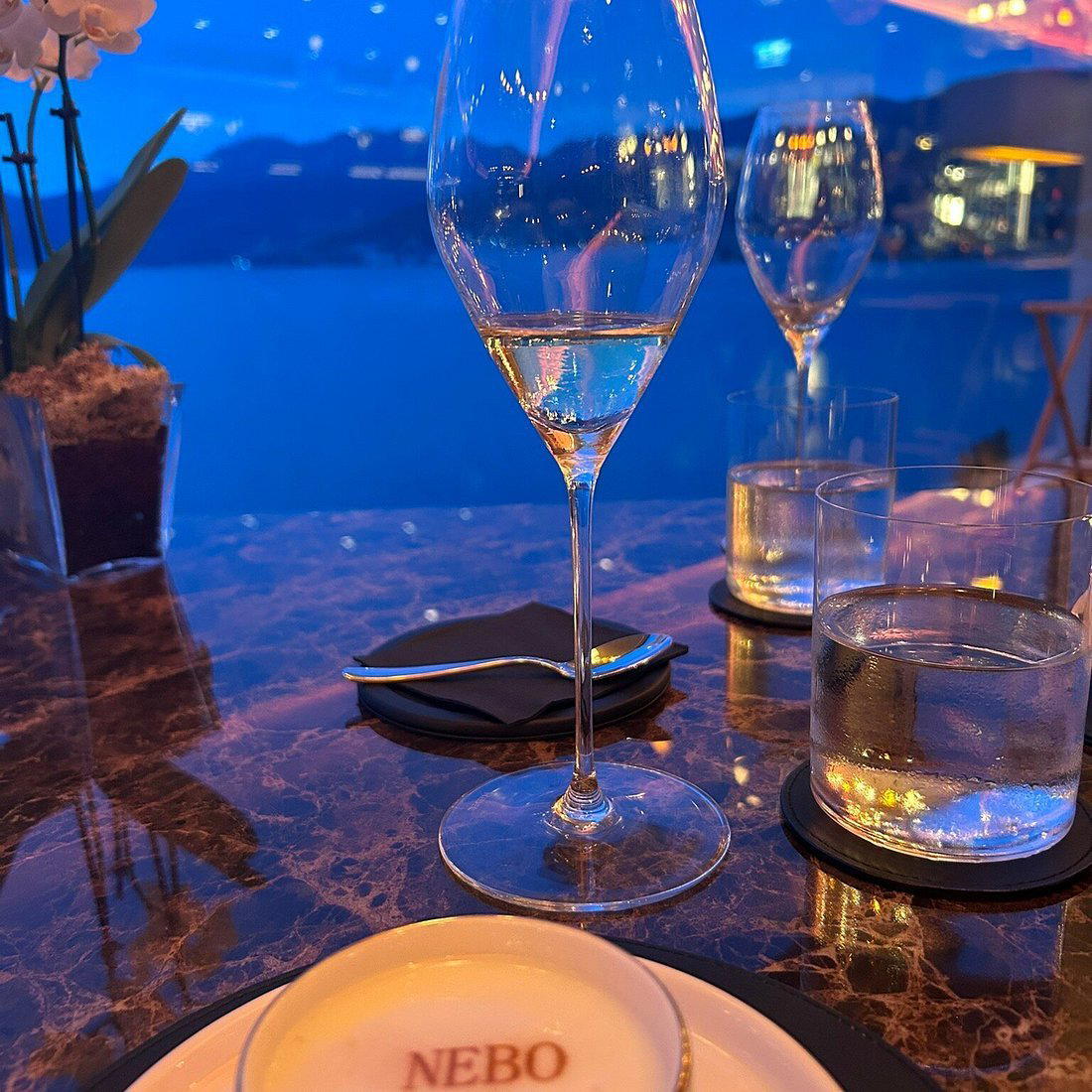
Bars in Rijeka
Browse all →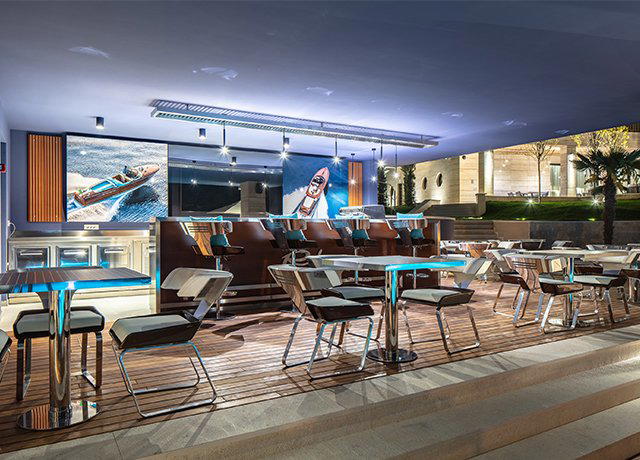
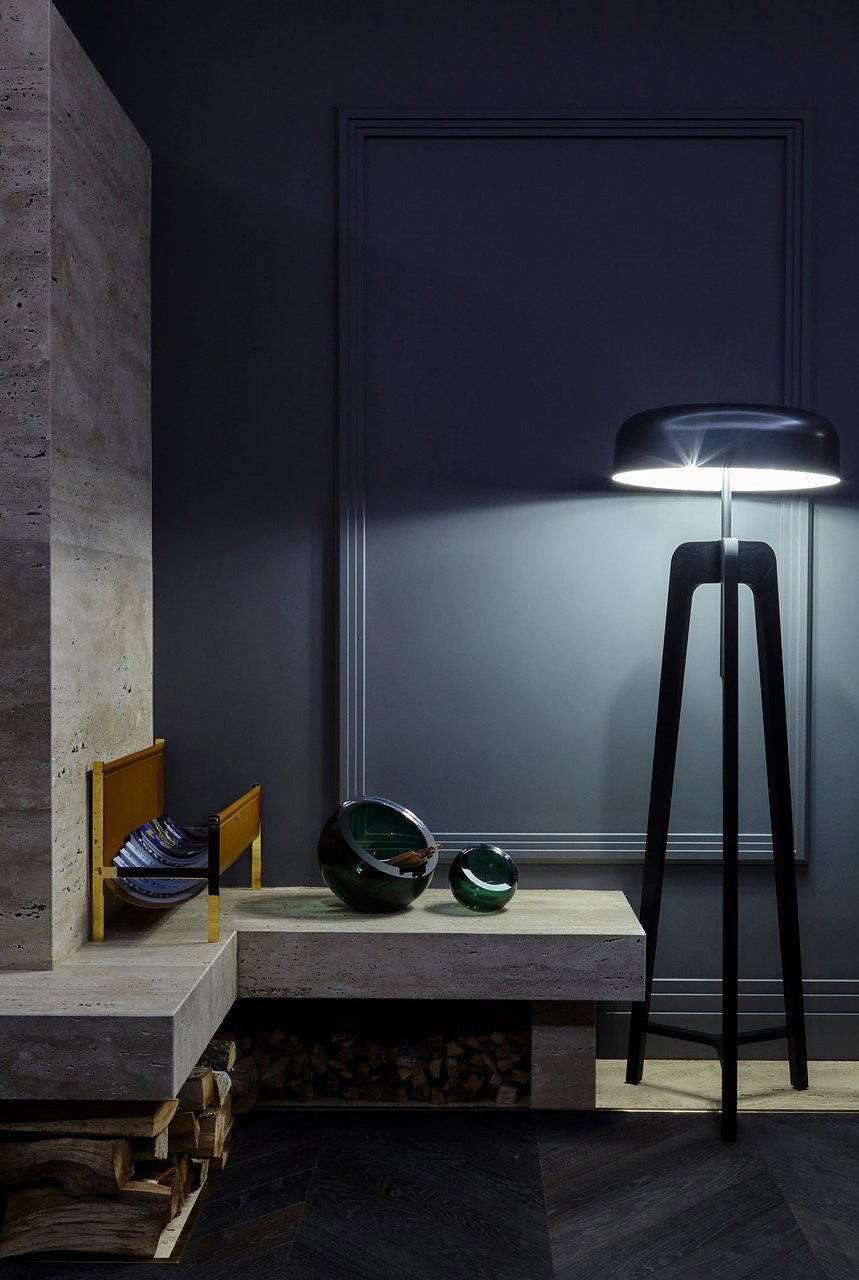

Hotels in Rijeka
Browse all →

At a Glance
- Rustic
- Cozy
- Date Night
- Family
- Casual Hangout
- Terrace
- Waterfront
- Waterfront
Current opening hours
- Monday
- 10 AM–10 PM
- Tuesday
- 10 AM–10 PM
- Wednesday
- 10 AM–10 PM
- Thursday
- 10 AM–10 PM
- Friday
- 10 AM–10 PM
- Saturday
- 12–10 PM
- Sunday
- Closed
Hours can change for holidays and private events. Last verified .
Rustic hall with brick walls, owner's paintings, elegant touches, cozy inside and pleasant terrace.