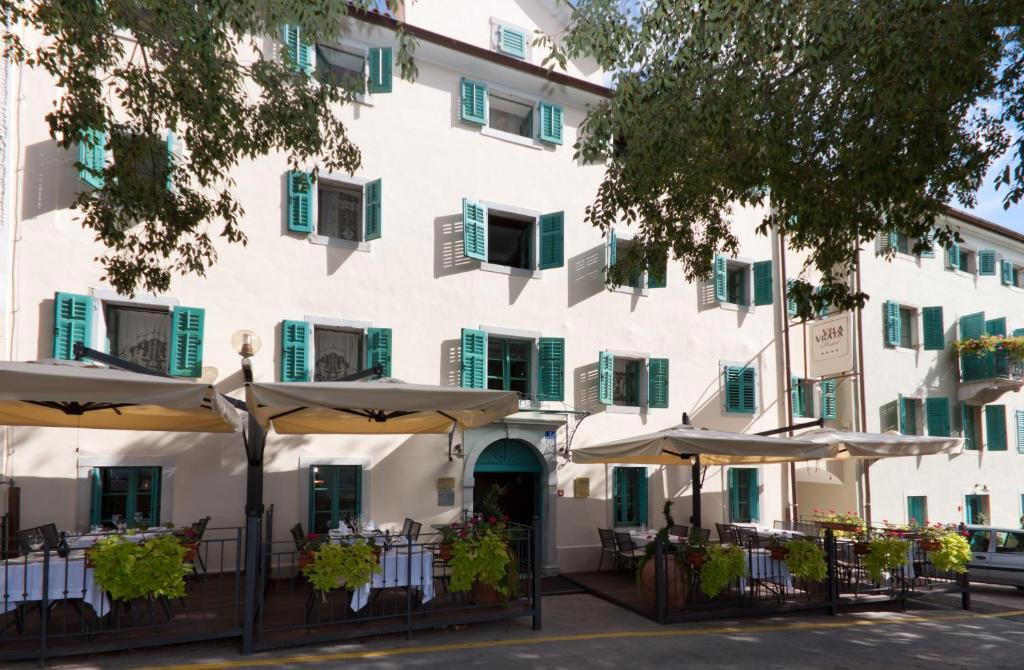
Lovranska Vrata occupies the old town core of Lovran, a small Kvarner coastal settlement whose stone-lane character predates its current status as a quietly serious dining destination. The address places it within the historic Stari Grad quarter, where Istrian and Kvarner culinary traditions intersect. For context on comparable addresses in the area, the EP Club Lovran guide covers the full field.
Pearl is the En Primeur Club membership app — saves, bookings, and concierge access live there. Same editors, same standards.
- Address
- Stari Grad, 51415, Lovran, Croatia
- Phone
- +38551291050
- Directions
- Get directions
 Saves & bookings on Pearl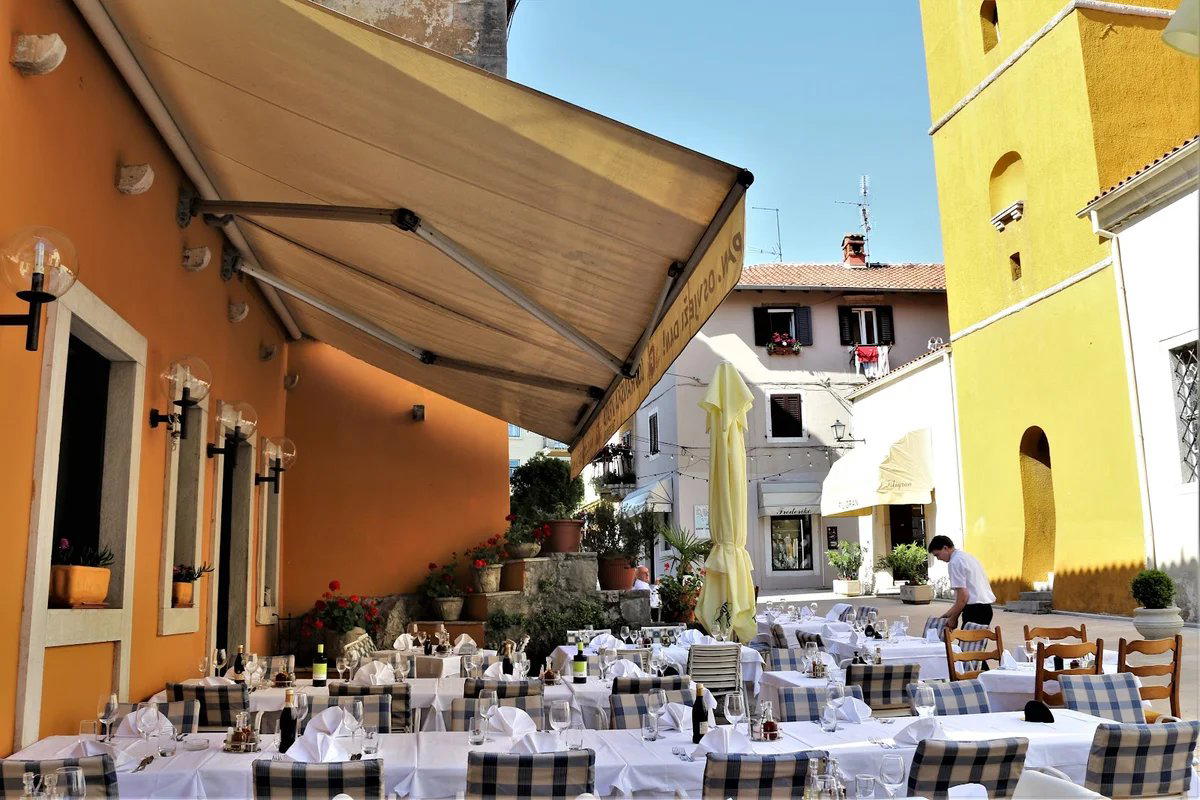
Stone Lanes and a Culinary Tradition Older Than the Restaurant
Lovranska Vrata is a restaurant in Lovran's Stari Grad quarter on Croatia's Adriatic coast. The lanes narrow to single-file width, the stone underfoot is worn smooth by centuries of foot traffic, and the salt air that rolls in from the Kvarner Gulf carries a temperature ten degrees cooler than the coastal road above. This is the physical context in which Lovranska Vrata operates: a town whose medieval core has outlasted every wave of Austro-Hungarian resort development, every postwar socialist hotel block, and every more recent wave of Adriatic tourism. Dining here is never purely about the plate. It is about where the plate sits.
Lovran occupies a specific and often underestimated position in Croatian coastal dining. It sits on the northern Kvarner littoral, separated from the better-publicised restaurant scenes of Rovinj and Dubrovnik by geography and, more importantly, by character. Where Agli Amici Rovinj in Rovinj operates within a fully internationalised fine-dining framework, and Restaurant 360 in Dubrovnik plays to a high-spend tourist demographic, Lovran's leading addresses have maintained a more locally rooted register. The town's annual chestnut festival, the Marunada, held each October, reflects local culinary identity: in seasonal produce, in the orchards on the slopes of Učka, in the fishing boats that still work the bay at dawn.
What the Kvarner Table Actually Looks Like
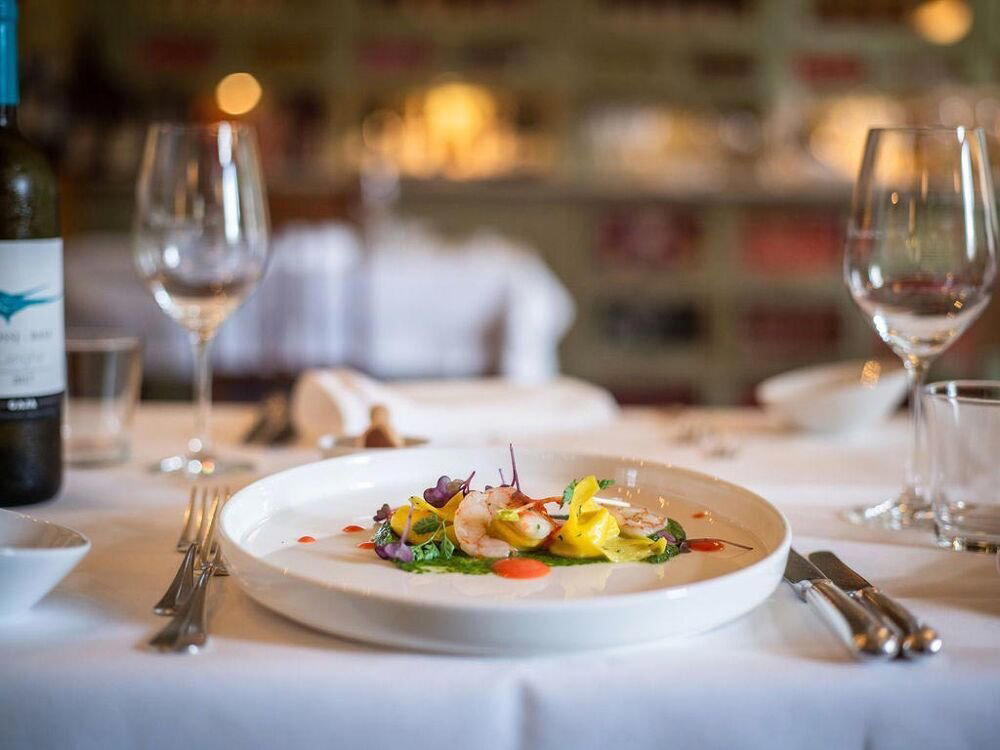
The Kvarner culinary tradition that frames any serious address in Lovran draws from two directions simultaneously. From the sea comes škampi na buzaru, the local scampi preparation cooked with white wine, garlic, and breadcrumbs that appears in some form at nearly every address on this coastline. From the inland slopes come the chestnuts, wild asparagus in spring, truffles from the Istrian border zone, and lamb from the Kvarner islands. This is not fusion in any contemporary sense. It is the natural product of a geography where the mountains fall sharply to the sea and the table reflects that compression of terrain.
Restaurants in towns like Lovran typically read the tension between these two traditions differently. Some lean maritime, building menus around the day's catch and treating the land-sourced ingredients as supporting elements. Others treat the inland produce as the anchor and treat fish as a seasonal variable. The more considered addresses, like the cluster that has established Lovran as one of the more serious dining towns on the northern Adriatic, tend to treat the two as genuinely equal partners. Draga di Lovrana has built a reputation in that space. Ganeum occupies a similar register. The peer context matters because it tells you that Lovranska Vrata is operating in a town that has set meaningful standards for itself rather than resting on scenery.
The Stari Grad Address and What It Signals
An address in Lovran's Stari Grad carries specific implications that a seafront or main-road position does not. The old town is compact, pedestrianised in practice if not always by formal designation, and its buildings date primarily from the medieval and early Venetian periods. Operating within it requires adaptation to spaces that were not designed for modern kitchens or large dining rooms. This tends to produce smaller, more considered formats: intimate rooms, shorter reservations windows, menus that reflect what the kitchen can actually execute with discipline rather than menus designed to accommodate every preference.
For comparison, the dynamic at the upper tier of Croatian coastal dining, whether at Pelegrini in Sibenik or LD Restaurant in Korčula, is broadly similar: historic settings constrain scale and in doing so tend to concentrate quality. The old-town restaurant in Croatia is a specific format with its own logic, and that logic generally favours the diner who is paying attention.
Neighbouring options in Lovran for triangulating the local scene include Najade, Knezgrad, and Restaurant Riviera. Each sits within the same broad culinary tradition, though with different emphases. Reading Lovran's dining scene as a field rather than as a series of isolated choices is the more useful approach. Our full Lovran restaurants guide maps the field in detail.
Broader Croatian Fine Dining and Where Lovran Fits
The development of serious restaurant culture along Croatia's coast has accelerated in the past decade, driven partly by international recognition for a handful of addresses and partly by a generational shift among Croatian chefs who trained abroad and returned with different technical expectations. Nebo by Deni Srdoč in Rijeka, a short drive from Lovran, represents one internationally recognised version of this shift on the Kvarner coast. Alfred Keller in Mali Lošinj occupies a similar tier in the island context. Boskinac in Novalja extends the conversation to Pag, where the wine program has become as significant as the food.
Lovran's contribution to this broader picture is quieter than Rijeka's or Dubrovnik's, but it is real. The town's scale, its historic fabric, and its position at the meeting point of Istrian and Kvarner influence give its dining scene a character that the larger resort towns cannot replicate. For completeness, the same pattern of technically serious, contextually rooted cooking appears at addresses like Dubravkin Put in Zagreb and Krug in Split and Korak in Jastrebarsko, confirming that what Lovran is doing fits within a national pattern rather than standing apart from it.
Planning a Visit
Lovran is accessible from Rijeka in approximately 30 minutes by road, making it a viable destination for visitors based in the Kvarner capital rather than a separate trip in itself. The Stari Grad location puts the restaurant within walking distance of the waterfront promenade and the broader old-town circuit. Checking current availability directly is the appropriate first step. Lovran's peak season runs from late June through August, when the Kvarner coast operates at full capacity and reservations at the town's better addresses are harder to secure. May, early June, and September offer more reliable access and, conditions more suited to the kind of meal that the town's culinary tradition rewards.
A Pricing-First Comparison
Comparable venues nearby, for context on price, style, and recognition.
| Venue | Cuisine | Price | Notes |
|---|---|---|---|
| Lovranska VrataThis venue — the venue you are viewing | Not listed | $$$ | Not listed |
| Najade | Lovran, Mediterranean Seafood | $$$ | Not listed |
| Knezgrad | Lovran, Traditional Croatian Seafood | $$ | Not listed |
| Restaurant Riviera | Lovran, Mediterranean & Croatian | $$ | Not listed |
| Ganeum | Not listed | $$$ | Stari Grad, Modern Istrian-Mediterranean Seafood |
| Draga di Lovrana | Not listed | $$$$ | Lovranska Draga, Modern Mediterranean Seafood |
Continue exploring
More in Lovran
Restaurants in Lovran
Browse all →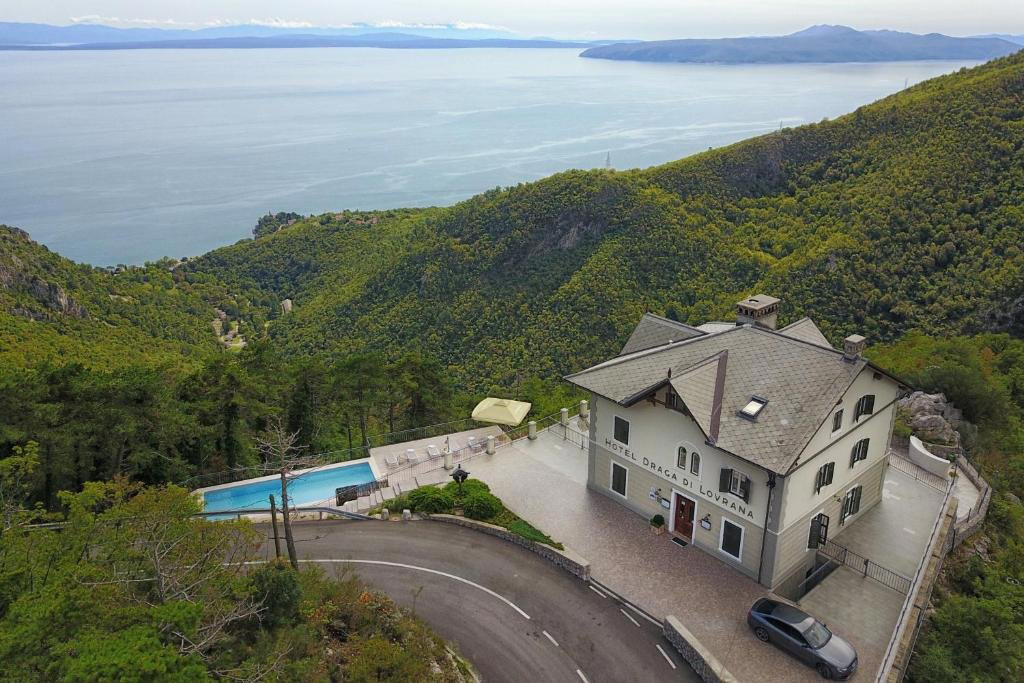
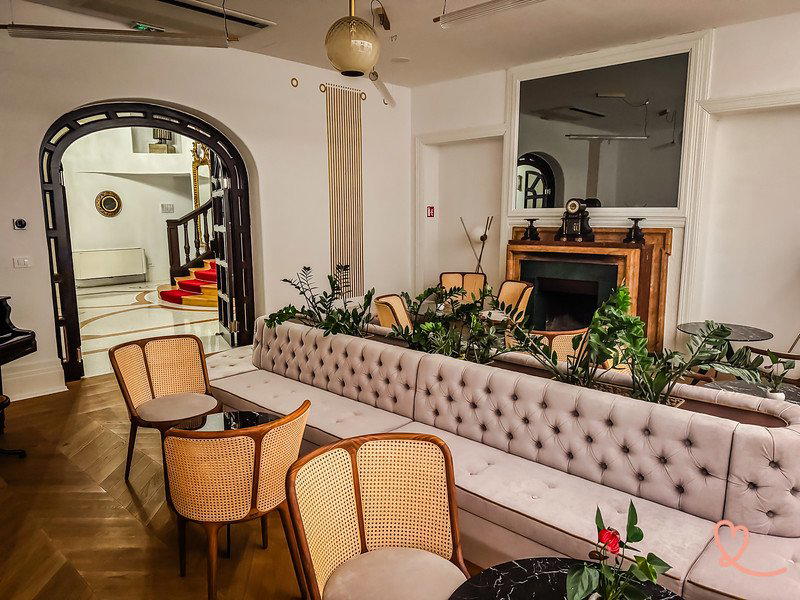
Bars in Lovran
Browse all →

Hotels in Lovran
Browse all →
At a Glance
- Scenic
- Cozy
- Rustic
- Classic
- Date Night
- Family
- Casual Hangout
- Historic Building
- Local Sourcing
- Street Scene
Current opening hours
- Monday
- 10 AM–11 PM
- Tuesday
- 10 AM–11 PM
- Wednesday
- 10 AM–11 PM
- Thursday
- 10 AM–11 PM
- Friday
- 10 AM–11 PM
- Saturday
- 10 AM–11 PM
- Sunday
- 10 AM–11 PM
Hours can change for holidays and private events. Last verified .
Relaxed village square atmosphere with comfortable outdoor terrace seating and warm, welcoming service.