Our verdict
Set at the edge of the Lim Channel, one of Istria's most ecologically distinctive inlets, Viking is a seafood restaurant where the sourcing logic is inseparable from the address. The channel's shellfish, particularly its oysters and mussels, are the foundation of the kitchen's offer. For anyone moving through central Istria with serious appetite, this is the geographic argument made edible.

Pearl is the En Primeur Club membership app, where members save venues, book tables and use the concierge.

The menu
What to order
- Lim oysters
- Mussels
- Grilled fish
Where the Channel Does the Work
The Lim Channel cuts inland from the Adriatic for roughly eleven kilometres, a drowned river valley that forms one of the most sheltered and nutrient-rich marine environments on the Croatian coast. The water here is slow, brackish in stretches, and cold enough year-round to produce shellfish with the density and salinity that open-sea farms rarely replicate. Viking sits directly at the channel's edge, and that address is not incidental, it is the entire editorial premise of the place.
Arriving by road, the approach drops through scrub pine and limestone terracing before the inlet opens below you. The restaurant occupies a position where the water is close enough to make the sourcing claim credible without any further explanation. In Istrian coastal dining, the relationship between a kitchen and its immediate marine environment is the benchmark by which serious restaurants are measured, and geography, here, is the credential.
The Sourcing Logic of the Lim Channel
Across Croatia's Adriatic coast, the most credible seafood restaurants tend to be the ones positioned inside or immediately adjacent to their supply source. Pelegrini in Sibenik and LD Restaurant in Korčula both build their menus around regional Adriatic provenance at the €€€€ tier; Viking operates at a different register, one where the channel itself, rather than the kitchen's formal credentials, provides the primary authority.
The Lim Channel has been producing oysters and mussels for local tables since at least the nineteenth century. The oysters grown here, a European flat oyster strain adapted to the channel's particular salinity gradient, have a mineral sharpness that differs noticeably from the rounder, creamier specimens farmed in warmer, more open waters. Mussels from the channel tend to be smaller than Adriatic open-water varieties but more concentrated in flavour. These are not marketing claims; they reflect the basic ecology of a semi-enclosed inlet with cold freshwater seepage and strong tidal flushing.
For a kitchen positioned here, the competitive logic is direct: the product arrives at its freshest possible state because the distance from water to plate is measured in metres rather than hours. That proximity advantage is what separates channel-adjacent restaurants from even the better seafood tables in Rovinj or Poreč, where the same shellfish might travel thirty or forty kilometres before service.
Istria's Seafood Tradition and Where This Kitchen Sits
Istrian seafood cooking operates in a tradition that leans heavily on restraint, grilling, steaming, and raw preparation that keeps the marine ingredient central rather than subordinate to sauce or technique. The peninsula's culinary identity is often discussed in terms of truffles and inland game, but the coastal strip from Rovinj northward has an equally serious shellfish culture that rarely receives equivalent international attention.
The restaurants that command most critical notice in the region, Agli Amici Rovinj with its Italian-contemporary positioning, or the more formal dining rooms in the Kvarner corridor such as Nebo by Deni Srdoč in Rijeka, operate at price points and with tasting-menu structures that place them in a different peer category. Viking, by contrast, sits in the register where the sourcing argument carries more weight than the format argument: this is the kind of place where what you eat matters more than how it is sequenced and presented.
That positioning is not a limitation. Across Croatia's coastal circuit, from Burin in Crikvenica to Cubo in Opatija, the restaurants that earn sustained local loyalty are often those where the kitchen's ambition is disciplined by genuine proximity to supply. The channel does not ask Viking to be anything it is not.
Planning a Visit
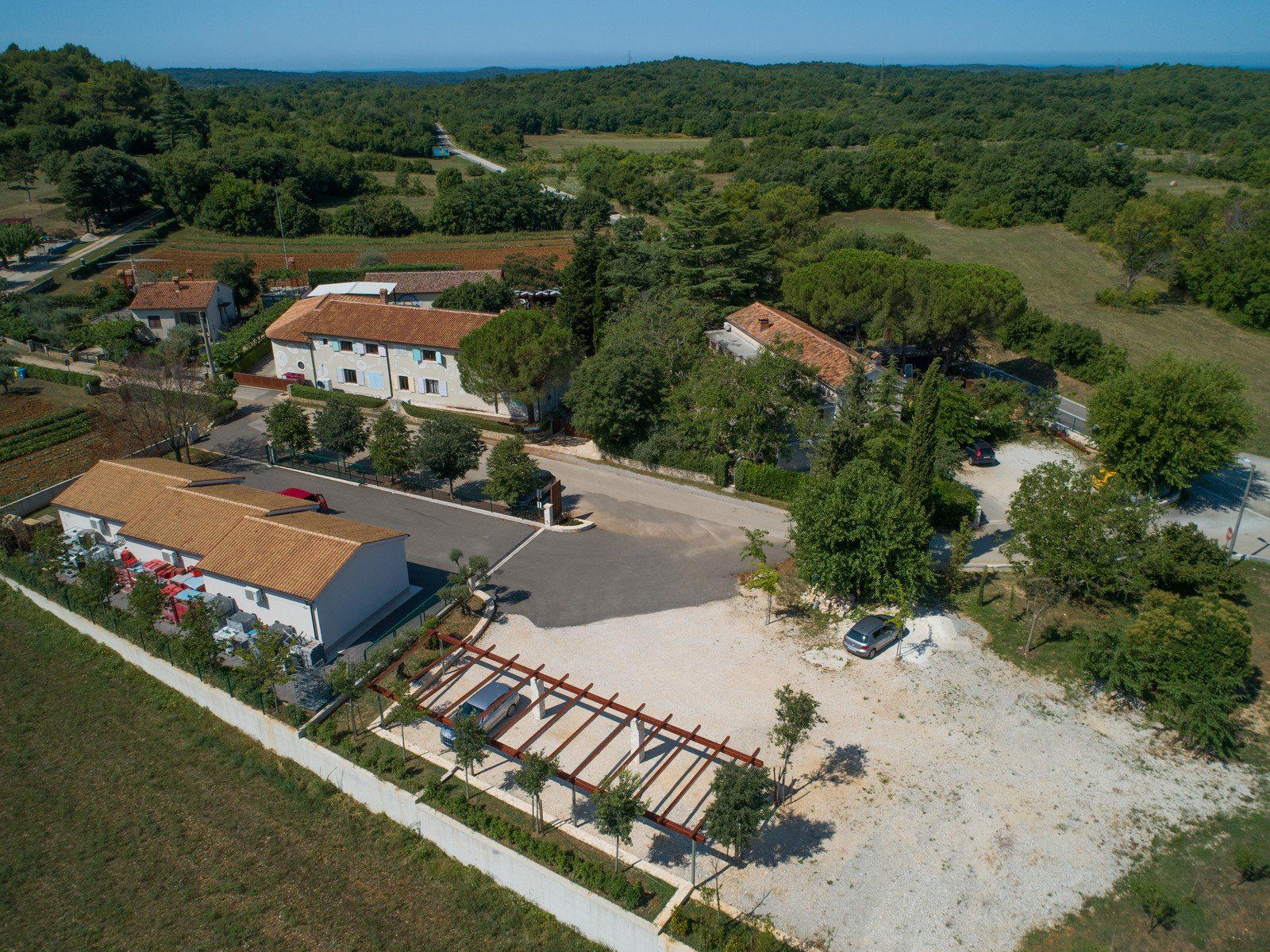
Kanfanar itself is a small inland settlement in central Istria, and the address, Limski kanal 1, places Viking at the channel rather than in the village proper. Access is by car; the channel's geography makes it effectively unreachable on foot from any urban centre, and the nearest larger towns, Rovinj and Poreč, are each roughly twenty minutes by road. That isolation is part of the experience: the Lim Channel is not a dining district but a single-destination site, and the drive through Istrian countryside is an appropriate prelude to a meal built around a single, specific place.
Timing matters here as it does throughout the Adriatic. Summer months bring pressure from the regional tourist circuit, and the channel draws visitors for boat excursions as well as dining; arriving outside peak lunch service in July and August reduces wait times. The shoulder seasons, late April through early June, and September into October, offer quieter conditions and shellfish at their most consistent quality, since water temperatures remain stable and the channel's plankton bloom supports dense, well-fed mussels and oysters.
For broader context on what to eat and drink across central Istria and the wider Croatian coast, see our full Kanfanar restaurants guide. Those planning a longer Adriatic circuit should also consider the inland Croatian dining scene, where Dubravkin Put in Zagreb, Korak in Jastrebarsko, and Cantilly Garden Restaurant in Samobor cover the continental register in ways that complement the coastal shellfish focus of a stop at the Lim Channel.
Further south along the Dalmatian coast, Restaurant 360 in Dubrovnik, Krug in Split, and Boskinac in Novalja represent the more formally structured end of Croatian coastal dining. For island-based alternatives, Bodulo in Pag, BioMania Bistro Bol in Bol, and Alfred Keller in Mali Lošinj extend the circuit across the Kvarner and Dalmatian archipelagos.
Frequently asked questions
Is Viking child-friendly?
Viking's setting at Limski kanal 1 places it directly on the Lim Channel, which makes the outdoor environment engaging for younger visitors with water views and open space. The restaurant's seafood-focused format suits families comfortable with a fish-led menu. For specific questions about high chairs or dedicated children's options, contacting the venue directly before visiting is advisable.
What is the atmosphere like at Viking?
The address, Limski kanal 1, tells most of the story: Viking sits on the channel itself, so the setting is defined by water rather than a village centre or town square. Kanfanar is a small, quiet inland settlement in central Istria, and the channel location keeps the mood away from tourist-strip noise. Expect a working-waterfront register rather than a polished dining-room atmosphere.
Why do diners specifically travel to the Lim Channel location rather than eating seafood elsewhere in Istria?
The Lim Channel is one of the few places on Croatia's Adriatic coast where the supply chain between water and kitchen is measured in metres rather than hours. Viking's address at Limski kanal 1, Kanfanar places it inside that supply zone, which means shellfish and catch arrive without the transit time common to restaurants in larger towns. For the Istrian seafood tradition, which depends on restraint and freshness over technique, that proximity is the deciding factor many visitors cite when choosing the channel over Rovinj or Poreč.
What do people recommend at Viking?
Given Viking's position directly on the Lim Channel, the shellfish sourced from those waters draw consistent attention, the channel's sheltered, nutrient-rich conditions produce mussels and oysters that have made Lim a reference point across Istrian seafood cooking. Grilled and raw preparations align with the broader Istrian tradition of letting marine ingredients carry the dish rather than heavy saucing.
Quick Comparison
Comparable venues nearby, for context on price, style, and recognition.
| Venue | Cuisine | Price | Notes |
|---|---|---|---|
| VikingThis venue (the venue you are viewing) | Seafood & Croatian Mediterranean | Not listed | Not listed |
| Maestral | Mediterranean Seafood Grill | $20–30 | Rovinj Waterfront |
| Fish House Rovinj | Modern Mediterranean Fish Street Food | $20–30 | Old Town Rovinj |
| Corrado | Croatian Seafood | $20–30 | Mali Losinj |
| Kantinon | Traditional Istrian Seafood | $30–50 | Old Town |
| Hotel Villa Barbat | Seafood & Mediterranean | Not listed | Barbat na Rabu |
Continue exploring
More in Kanfanar
Restaurants in Kanfanar
All restaurants in Kanfanar →
Bars in Kanfanar
Browse all →

Details
- Scenic
- Rustic
- Date Night
- Family
- Terrace
- Waterfront
- Local Sourcing
- Waterfront
- A La Carte
- Vegetarian Friendly
- Gluten Free Options
Current opening hours
- Monday
- 11 AM–10 PM
- Tuesday
- 11 AM–10 PM
- Wednesday
- 11 AM–10 PM
- Thursday
- 11 AM–10 PM
- Friday
- 11 AM–10 PM
- Saturday
- 11 AM–10 PM
- Sunday
- 11 AM–10 PM
Hours can change for holidays and private events. Hours as of .
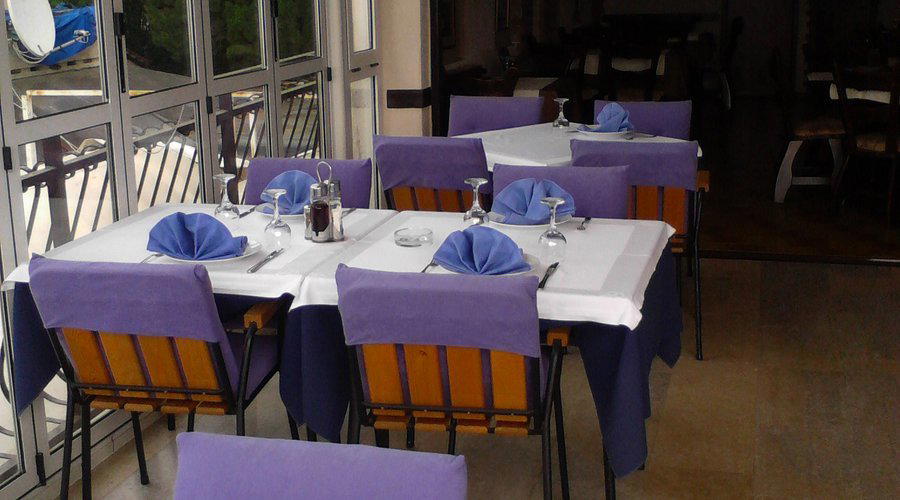
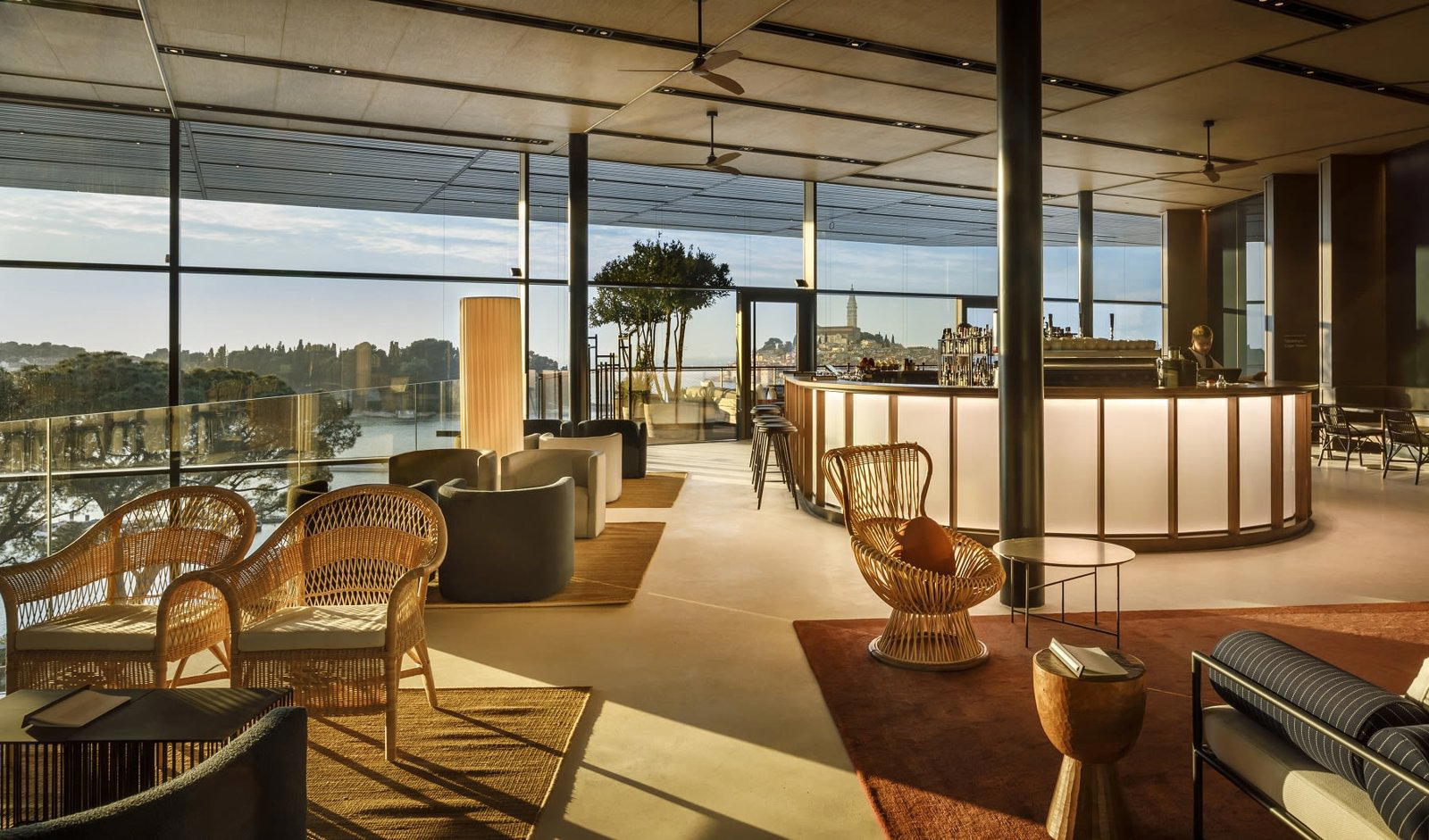
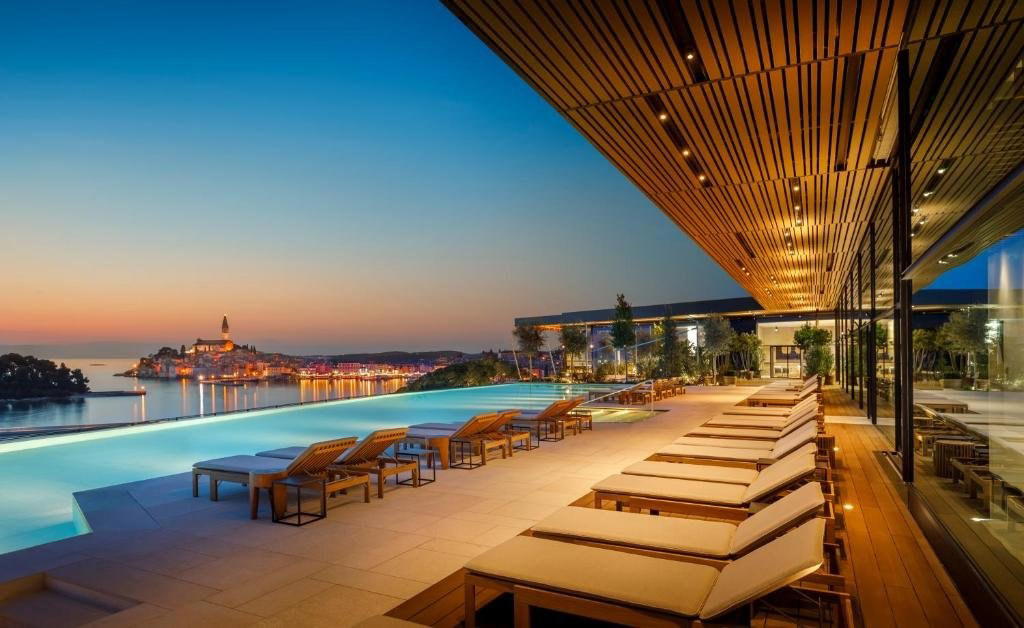
Relaxed terrace dining with sea views and a casual bayside atmosphere.