Ponty Bistro
On a block of Third Avenue where Gramercy shades into Kip's Bay, Ponty Bistro occupies a middle register that New York's dining scene doesn't always reward: the neighbourhood bistro with a genuine point of view. The menu structure and room signal a kitchen that knows what it's doing without asking you to notice. A reliable address for the kind of dinner that doesn't demand a special occasion.
- Address
- 218 3rd Ave, New York, NY 10003
- Phone
- +1 212 777 1616
- Website
- pontybistroharlem.com
- Directions
- Get directions
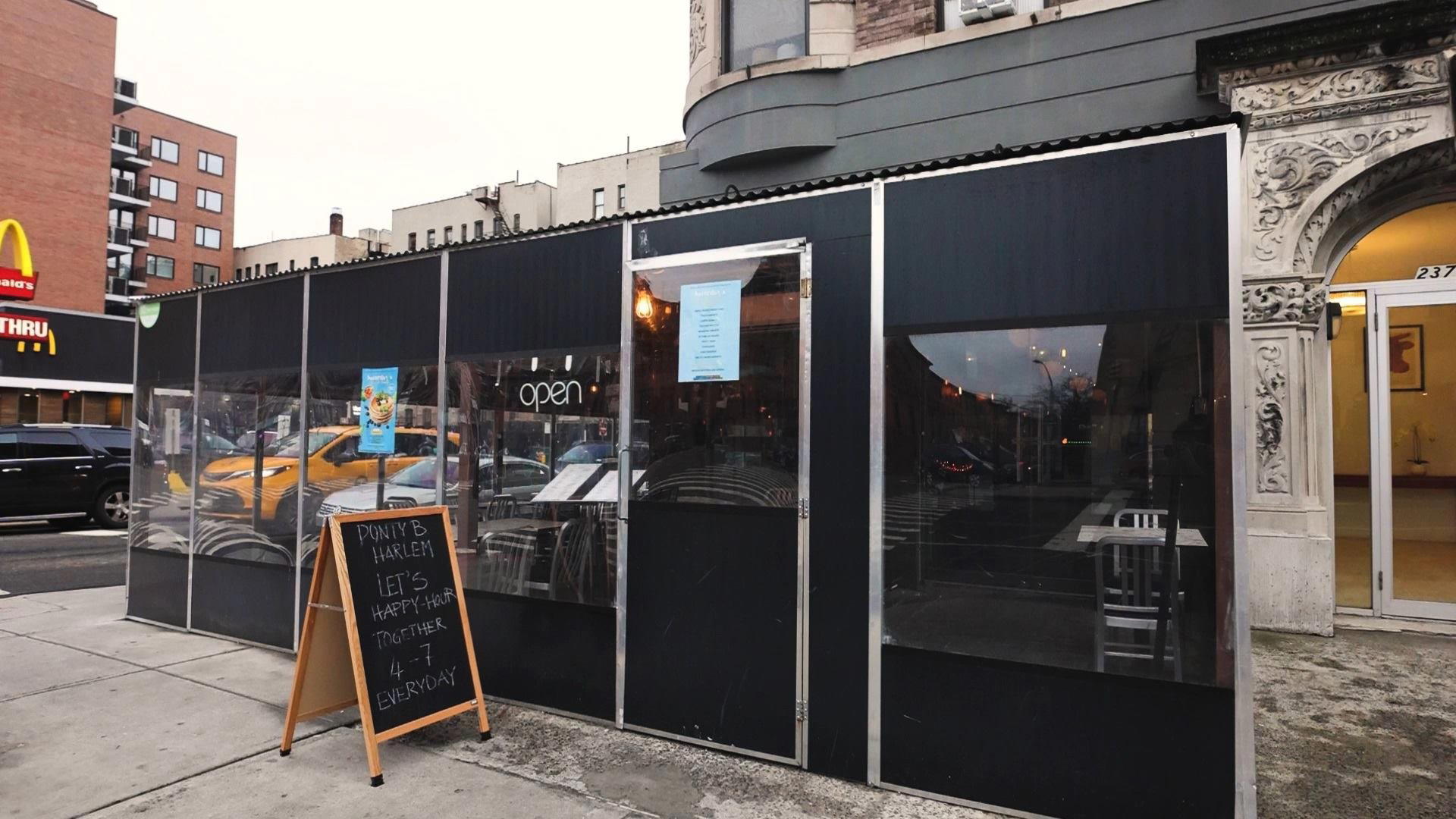
The Room Before the Menu
Third Avenue in the low 20s sits at an awkward remove from the restaurant clusters that draw out-of-neighbourhood traffic. Gramercy proper is a few blocks north and west; the East Village energy fades a block or two south. What remains is a residential stretch that rewards the locals who walk it regularly and tends to be overlooked by anyone planning a destination dinner. That geography shapes Ponty Bistro before you've read a word of the menu. At 218 3rd Ave, the bistro addresses a neighbourhood first and a broader dining public second, which is a positioning that a surprising number of New York restaurants claim and few maintain. Ponty Bistro is a French-West African Fusion Bistro in New York City, priced around $30 per person.
The bistro format itself carries inherited expectations: a room scaled for conversation rather than performance, service that doesn't need to announce itself, and a menu organised around what people actually want to eat on a Tuesday or a Saturday with equal comfort. In New York, that format has been pulled in two directions. One version dresses up in white tablecloths and charges accordingly, edging toward the price tier occupied by Le Bernardin or Per Se. The other strips down to counter stools and natural wine, positioning as casual almost as a philosophical commitment. The neighbourhood bistro that holds the centre, comfortable without being anonymous, is the harder thing to sustain.
What the Menu Architecture Reveals
Menu structure is one of the more honest signals a kitchen sends. A tasting menu format, as practiced at Eleven Madison Park or Atomix, declares a particular relationship between kitchen and diner: the kitchen leads, the diner follows. An à la carte menu with a conventional appetiser-entrée-dessert scaffold says something different: the diner assembles the meal, and the kitchen's job is to make each component worth ordering on its own terms. That second model is the harder editorial position for a kitchen to hold, because there's no narrative arc to hide behind. Every dish has to justify itself individually.
Bistro menus across culinary traditions tend to cluster a few reliable structural moves: something acidic and light to open, a protein-forward centre, starch or vegetable sides that are optional rather than integrated, desserts that read as rewards rather than conclusions. The kitchen's perspective shows in where it breaks from that structure. A house-made item that wouldn't appear on a more commercially-minded menu, a sauce that takes longer than it should to be economically rational, a vegetable treated with the same care as the protein it accompanies: these are the details that distinguish a kitchen with a point of view from one running a format.
For diners used to the choreography of New York's higher-end tasting experiences, from the counter service at Masa to the farm-driven progression at Blue Hill at Stone Barns, the bistro format can read as lower-stakes. That reading misses the discipline involved. À la carte cooking for a neighbourhood audience, night after night, without the scaffolding of a fixed menu, is its own technical challenge.
Gramercy in Context
The Gramercy and Kip's Bay corridor has never been New York's primary dining destination, but it maintains a consistent stratum of neighbourhood restaurants that serve a residential population with relatively high expectations and limited patience for theatre. The addresses that last here tend to do so because they fit the rhythm of the neighbourhood rather than fighting it. Dinner should be possible on a weeknight without a month of advance planning; the room should accommodate two people as comfortably as six; the bill should land somewhere that doesn't require a specific occasion to justify.
That's a different competitive environment than the one facing destination restaurants in the West Village, Tribeca, or Midtown. It's also a different environment than the one facing the ambitious out-of-town properties that EP Club covers elsewhere, from The French Laundry in Napa to Single Thread in Healdsburg or Smyth in Chicago. Those restaurants ask you to plan around them. A neighbourhood bistro asks to fit around you, and the operational patience that requires is underappreciated.
New York's bistro tier has thinned over the past decade as rents have pushed restaurants toward either higher check averages or lower labour costs. The ones that remain in the middle register, at a neighbourhood scale with consistent cooking, occupy ground that's genuinely difficult to hold. Ponty Bistro's address on Third Avenue places it squarely in that category.
Planning Your Visit
The restaurant sits at 218 3rd Ave in the Gramercy-Kip's Bay stretch of Manhattan, accessible from the 6 train at 23rd Street. As a neighbourhood bistro rather than a destination-dining address, it operates within a different booking logic than the city's tasting-menu counters. Walk-in availability is more plausible here than at reservation-required formats, though weekend evenings in any active Manhattan neighbourhood call for some forward planning.
Readers who find the neighbourhood-bistro format compelling in other cities may want to compare with Frasca Food & Wine in Boulder, which holds a similar community-first position in a different market, or Emeril's in New Orleans for a Gulf Coast take on the same middle-register ambition. Further afield, Lazy Bear in San Francisco, Providence in Los Angeles, Addison in San Diego, and The Inn at Little Washington each represent how the same broad tradition of committed independent restaurants plays out in different American cities. For European reference points in the genre, Atelier Moessmer Norbert Niederkofler in Brunico and Dal Pescatore in Runate show the format at a different scale and ambition level.
Cuisine and Credentials
Comparable venues nearby, for context on price, style, and recognition.
| Venue | Cuisine | Price | Notes |
|---|---|---|---|
| Ponty BistroThis venue — the venue you are viewing | French-West African Fusion Bistro | $$ | Not listed |
| From Lucie | French-Inspired Bakery | $$ | East Village |
| Buvette | French Bistro Gastrothèque | $$ | West Village |
| maman | French Bakery Café | $$ | SoHo-Little Italy-Hudson Square |
| La Bonne Soupe | Classic French Bistro | $$ | Midtown-Times Square |
| Chez Lucienne | French Bistro | $$ | Harlem (North) |
Continue exploring
More in New York City
Restaurants in New York City
Browse all →
Bars in New York City
Browse all →


Hotels in New York City
Browse all →






At a Glance
- Cozy
- Elegant
- Intimate
- Date Night
- Brunch
- Open Kitchen
- Local Sourcing
Cozy and elegant bistro atmosphere with moderate noise levels, praised for its welcoming and affable service.