Our verdict
On Glauburgstraße in Frankfurt's Nordend district, Pizzeria Olbia brings a Sardinian reference point to a city better known for financial power lunches than regional Italian cooking. The address sits among neighbourhood restaurants serving a local rather than corporate crowd, which shapes both the pricing and the atmosphere. For Frankfurt's Italian dining scene, it represents the kind of ingredient-led, regionally specific approach that has grown steadily in European cities over the past decade.

Pearl is the En Primeur Club membership app, where members save venues, book tables and use the concierge.

Frankfurt's Italian Dining Scene and Where Sardinian Cooking Fits
Frankfurt's restaurant culture has long organised itself around two poles: high-end international cuisine serving the banking corridor, and neighbourhood dining that has gradually grown more specific and ingredient-conscious over the past fifteen years. The city's Italian offer has followed that broader European pattern, moving away from generic pasta-and-pizza menus toward kitchens that anchor themselves in a particular region of Italy. Sardinian cooking occupies a distinct corner of that shift. The island's culinary identity draws from a different pantry than the mainland: bottarga, culurgiones, fregola, pane carasau, and myrtle-cured meats that have no equivalent in Neapolitan or Emilian traditions. When a restaurant names itself after a Sardinian city, Olbia being the main port of entry to the island's northeastern coast, it signals at least an intent to work within that regional frame.
Pizzeria Olbia, at Glauburgstraße 14 in the Nordend, sits in a neighbourhood that feeds local residents rather than conference guests. That address is not incidental. The Nordend has developed a density of owner-operated restaurants that answer to a regular clientele, which tends to produce more consistent, less performative cooking than venues built around tourist or corporate footfall.
The Sardinian Ingredient Argument
Regional Italian cooking's credibility rests almost entirely on sourcing. A kitchen that claims Sardinian identity but builds its supply chain from generic Italian distributors produces a cuisine that is Sardinian in name only. The ingredients that define the island's cooking, sheep's milk cheeses aged in Barbagia cellars, bottarga pressed from grey mullet roe at Cabras, saffron from the fields around San Gavino Monreale, mirto berries from the island's macchia scrubland, are specific enough that their presence or absence is detectable on the plate. This is not a cuisine where technique alone carries the argument.
For Frankfurt diners comparing Italian options across the city, the contrast with more mainstream Italian addresses is worth noting. Restaurants like atm by Deli&Grape operate with a wine-forward Italian identity that spans multiple regions, while Allgaiers Restaurant anchors itself in a different culinary register entirely. Sardinian-specific cooking at Pizzeria Olbia, if executed with regional integrity, fills a gap that the broader Frankfurt Italian offer leaves open.
The Nordend Setting and What It Implies
Approaching Glauburgstraße from the east, the street presents the typical Nordend pattern: Gründerzeit residential buildings at street level transitioning into small retail and food businesses. The neighbourhood has none of the corporate polish of the Bahnhofsviertel or the self-conscious design of Sachsenhausen's restaurant row. That plainness is not a disadvantage. Restaurants on streets like this one operate on repeat custom and word of mouth rather than walk-in traffic, which tends to enforce a certain discipline on quality and pricing.
The Italian restaurants that have built durable reputations in European cities outside Italy have generally done so in exactly this kind of setting: away from the tourist gradient, dependent on a local clientele that knows what it is comparing against, and priced at levels that locals will sustain week after week. It is a harder commercial environment than a high-footfall location, and the restaurants that survive in it tend to be more focused. Frankfurt's Nordend has produced several such addresses across different cuisines, and Pizzeria Olbia's presence on Glauburgstraße places it within that pattern.
Pizza as a Regional Statement
Pizza in a Sardinian context carries different connotations than Neapolitan or Roman versions. Sardinia's bread culture, which produced flatbreads like pane carasau and carta da musica, sits alongside pizza rather than beneath it in the regional hierarchy. A pizzeria that identifies with Sardinia rather than Naples is implicitly making a different claim about dough, topping logic, and ingredient provenance. Whether that manifests in the crust hydration, the choice of local cheeses, or the presence of island-specific toppings depends on the kitchen's commitment to the regional premise.
This distinction matters when Frankfurt diners are deciding between Italian options. The city's pizza offer has diversified considerably over the past decade, with Neapolitan-certified addresses competing against Roman al taglio formats and wood-fired hybrids. A Sardinian-inflected pizzeria occupies a different tier of that argument, one where regional specificity, rather than certification compliance or oven technology, is the primary credential.
For a broader view of where Frankfurt's dining sits within Germany's restaurant hierarchy, the country's leading addresses including Aqua in Wolfsburg, Schwarzwaldstube in Baiersbronn, and Vendôme in Bergisch Gladbach operate in a separate fine dining register. Within Frankfurt itself, addresses like ALEJANDRO'S represent the city's higher-end offer. Pizzeria Olbia operates well below that tier, in the neighbourhood segment where most regular dining actually happens. Internationally, the standard for ingredient-led seafood cooking that regional Italian kitchens often aspire toward is set by addresses like Le Bernardin in New York City, though the comparison is instructive rather than direct. Closer to Pizzeria Olbia's register, addresses such as Atomix in New York City, JAN in Munich, CODA Dessert Dining in Berlin, ES:SENZ in Grassau, Victor's Fine Dining by Christian Bau in Perl, Waldhotel Sonnora in Dreis, Restaurant Haerlin in Hamburg, and Schanz in Piesport illustrate how seriously Germany's dining culture takes regional specificity and sourcing integrity across different price points and formats. See our full Frankfurt restaurants guide for a complete picture of the city's dining options across all categories.
Know Before You Go
- Address: Glauburgstraße 14, 60318 Frankfurt am Main, Germany
- Neighbourhood: Nordend, Frankfurt
- Booking: Contact details not publicly confirmed; visiting directly or checking current listings is advisable
- Leading approach: U-Bahn to Glauburgstraße (U4/U5) places the address within a short walk
- Price range: Not confirmed; neighbourhood positioning suggests mid-range
- Hours: Not confirmed; verify before visiting
Frequently asked questions
Where is Pizzeria Olbia located?
Pizzeria Olbia is located at Glauburgstraße 14, 60318 Frankfurt am Main, Germany, Frankfurt.
Is Pizzeria Olbia in Frankfurt one of the few Sardinian restaurants in Germany?
Sardinian cuisine is significantly underrepresented in German cities compared to the Neapolitan and Sicilian restaurants that dominate the Italian dining category. Frankfurt's Pizzeria Olbia at Glauburgstraße 14 in Nordend occupies that gap, applying an island-specific culinary identity rather than a broad Italian remit. That positioning makes it a distinct reference point within Frankfurt's Italian dining options rather than simply another neighbourhood pizzeria.
What should I eat at Pizzeria Olbia?
The Sardinian framework points away from Neapolitan conventions and toward the island's distinct bread and flatbread traditions, which inform how dough and toppings are approached here. Sardinian cooking draws on ingredients like bottarga, pecorino sardo, and cured meats that differ markedly from pan-Italian standards. At a Frankfurt address on Glauburgstraße in Nordend, those regional markers are the reason to visit rather than ordering to a generic Italian template.
Should I book Pizzeria Olbia in advance?
Nordend is one of Frankfurt's densest residential neighbourhoods, and restaurants on streets like Glauburgstraße build repeat local clientele quickly. Tables during peak evening slots fill through regulars rather than tourist traffic, which means walk-in availability at prime times is unreliable. Booking ahead, particularly for Friday and Saturday evenings, is the safer approach.
What's the defining dish or idea at Pizzeria Olbia?
The central idea is Sardinian regional identity applied to a pizza format, which puts this Frankfurt restaurant in a narrow category: not Neapolitan, not Roman, but rooted in an island tradition that most German cities lack representation of entirely. That specificity is what separates Olbia from the broader Italian restaurant offer Frankfurt already has in quantity. The argument the kitchen makes is geographic, Sardinia, not Italy generically.
At a Glance
Comparable venues nearby, for context on price, style, and recognition.
| Venue | Cuisine | Price | Notes |
|---|---|---|---|
| Pizzeria OlbiaThis venue (the venue you are viewing) | Traditional Italian Pizza | $10–20 | Not listed |
| Pizzeria Montana | Authentic Neapolitan Pizza | $10–20 | Roemerberg, Authentic Neapolitan Pizza |
| Papanova | Authentic Italian Pizza and Pasta | $20–30 | Palmengarten, Authentic Italian Pizza and Pasta |
| KRAPAO Thai Bistro | Thai Bistro | Not listed | Palmengarten, Thai Bistro |
| Pasta Davini | Authentic Italian Pasta | $20–30 | Roemerberg, Authentic Italian Pasta |
| Reuter's | Modern Italian Mediterranean | $50–100 | Palmengarten, Modern Italian Mediterranean |
Continue exploring
More in Frankfurt
Restaurants in Frankfurt
All restaurants in Frankfurt →
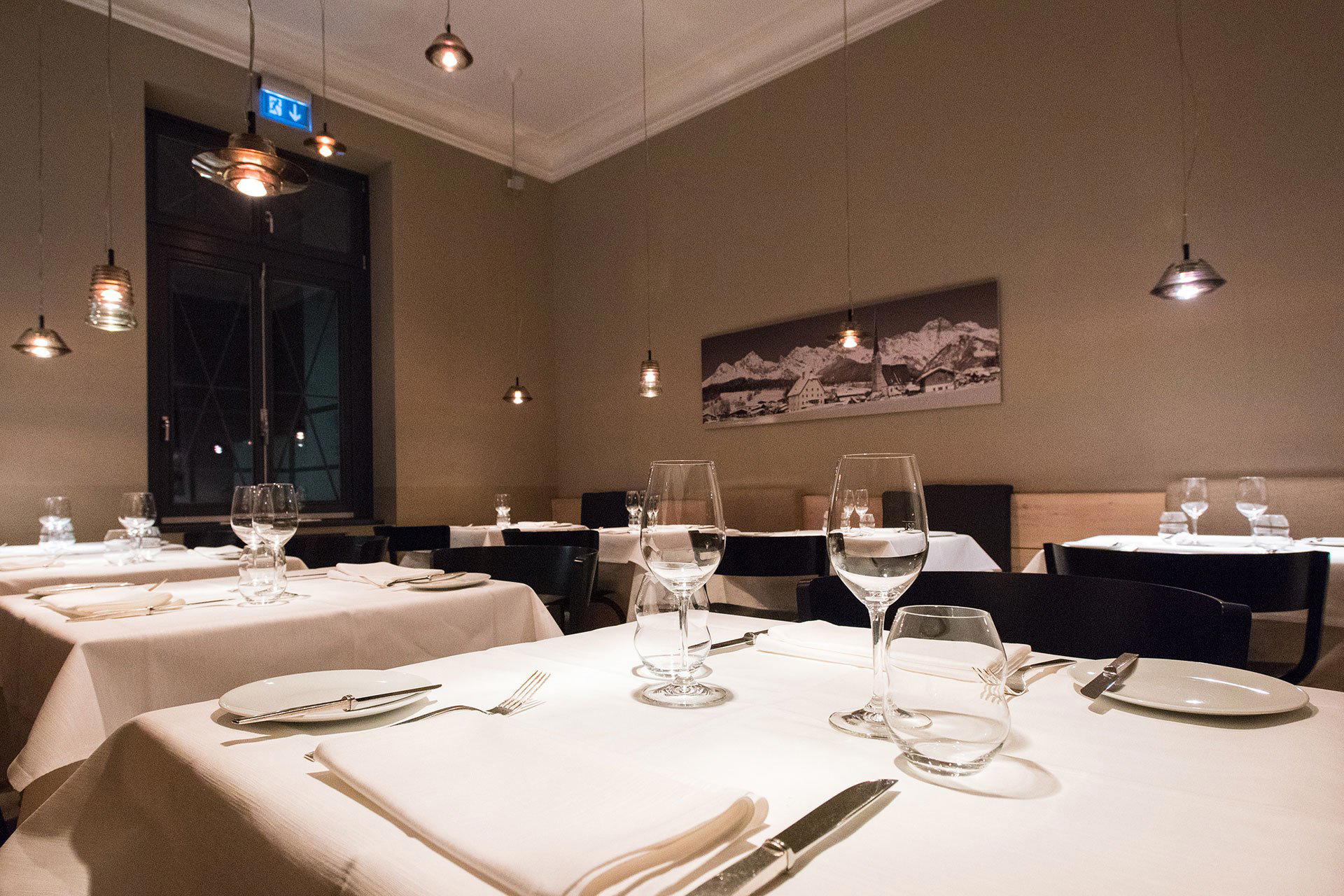
Bars in Frankfurt
All bars in Frankfurt →
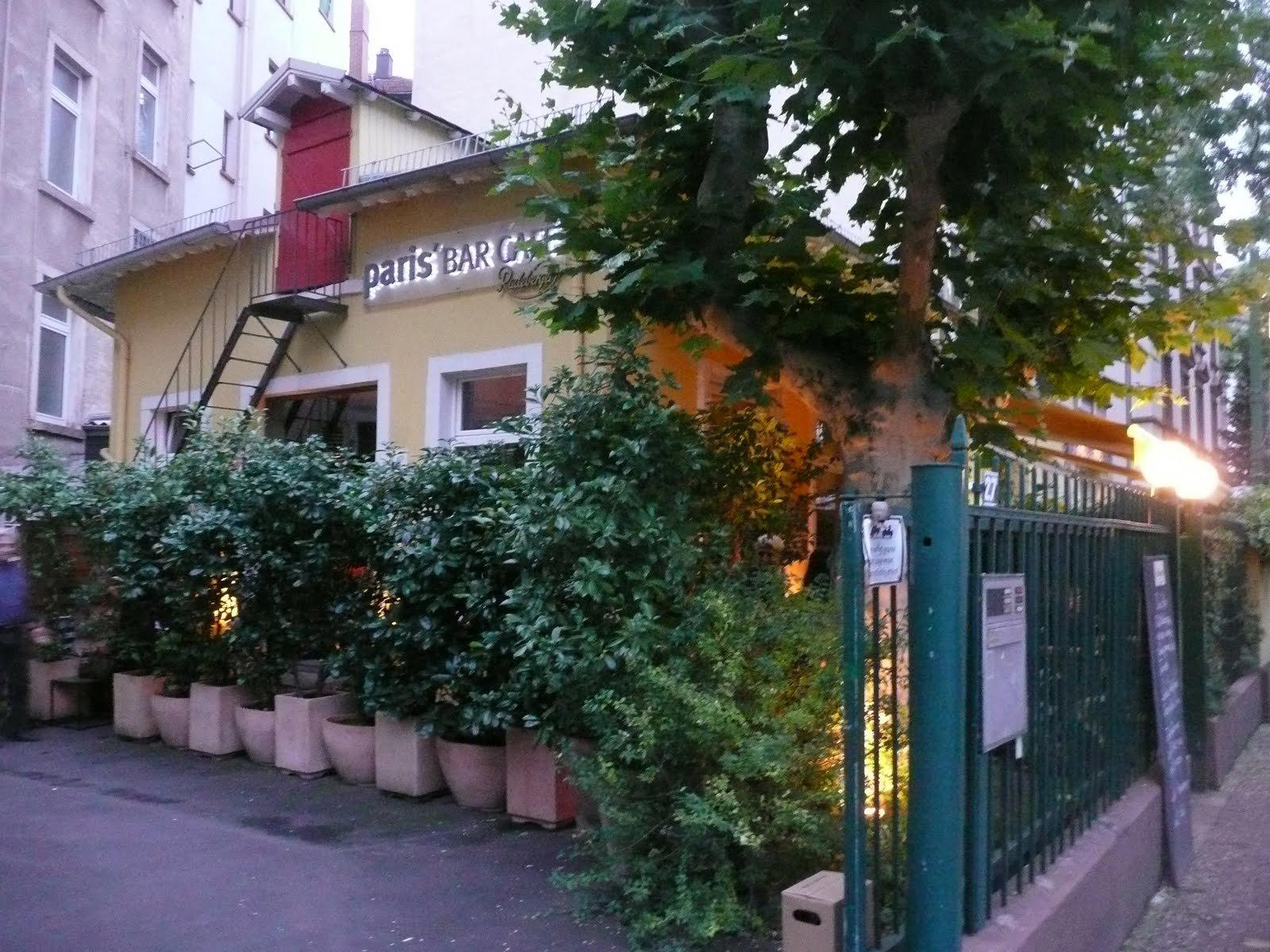
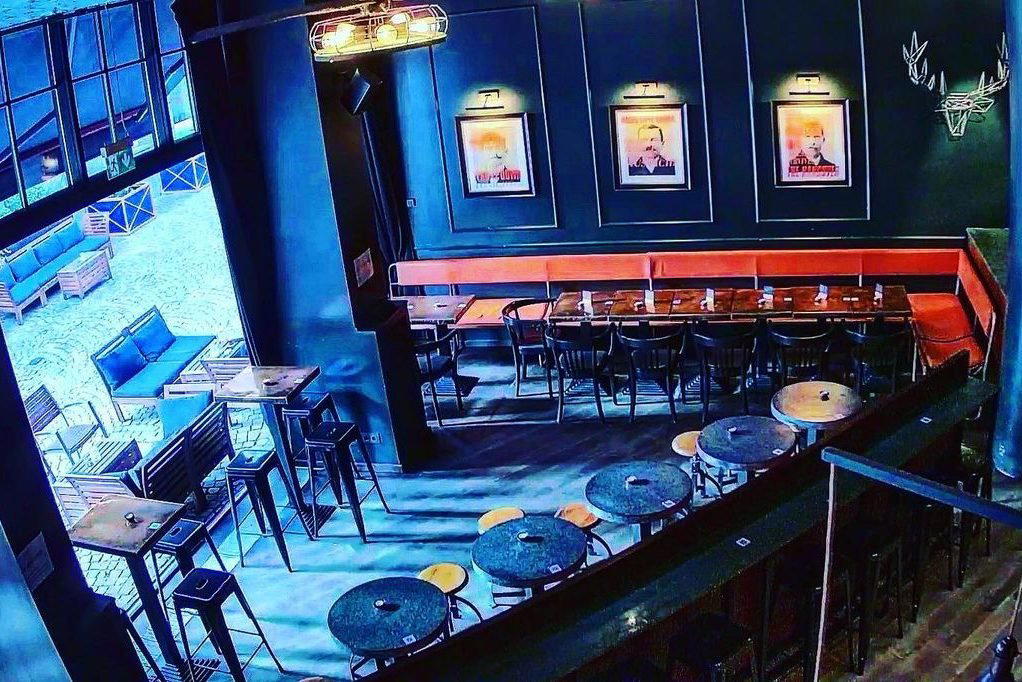
Hotels in Frankfurt
All hotels in Frankfurt →

Details
- Cozy
- Rustic
- Lively
- Casual Hangout
- Standalone
- A La Carte
- Vegetarian Friendly
Current opening hours
- Monday
- 12–10 PM
- Tuesday
- 12–10 PM
- Wednesday
- Closed
- Thursday
- 12–10 PM
- Friday
- 12–10 PM
- Saturday
- 12–10 PM
- Sunday
- 12–10 PM
Hours can change for holidays and private events. Hours as of .
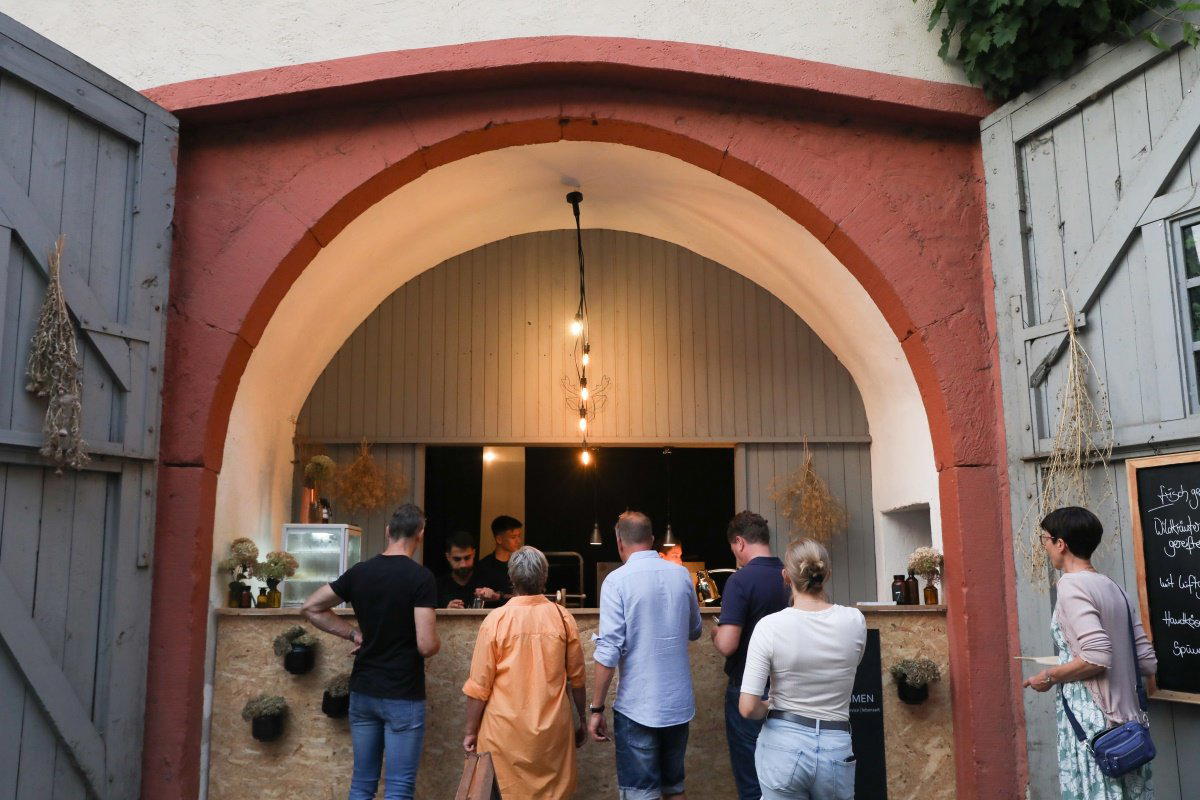
Informal, crowded, and bustling with no-frills snack bar charm, featuring a constant hustle of takeout orders and limited standing or outdoor seating.