Our verdict
On a quiet stretch of Heidestraße in Frankfurt's Ostend district, KRAPAO Thai Bistro brings the assertive, herb-forward cooking of central Thailand into a city more accustomed to Michelin-chased French technique and sturdy German tradition. The name references the holy basil stir-fry that anchors everyday Thai cooking, signalling an interest in regional specificity over pan-Asian generalism. For Frankfurt diners seeking something outside the city's dominant fine-dining register, it occupies a distinct position.

Pearl is the En Primeur Club membership app, where members save venues, book tables and use the concierge.

Where Ostend Meets the Wok
Frankfurt's Ostend has shifted considerably over the past decade. What was once a wholesale and light-industrial corridor running east from the river has become one of the city's more texturally interesting neighbourhoods for eating: a zone where Turkish bakeries, Vietnamese lunch counters, and occasional ambitious bistros share the same block without any of them feeling out of place. Heidestraße 35 sits within that mix. KRAPAO Thai Bistro takes its name from krapao, the holy basil stir-fry that functions in Thailand as a default working-lunch dish, ordered quickly, eaten fast, and judged by the quality of its basil and the wrist of its cook. Using that dish as a naming anchor is an editorial decision of sorts: it signals interest in the workaday centre of Thai cooking rather than the ceremonial periphery.
The Intersection of Imported Method and Local Setting
Thai cooking in German cities has historically arrived in one of two registers. The first is the simplified, sweetened adaptation that spread through Europe in the 1980s and 1990s, dropping chile heat and fish-sauce depth to meet a perceived local palate. The second, more recent wave involves kitchens that take the technical grammar of Thai cuisine seriously: paste-making from scratch, sourcing kaffir lime leaf, galangal, and Thai basil either from specialist importers or, increasingly, from German growers who have begun supplying European Thai restaurants with fresh aromatics. The broader trend in European cities is toward the second approach, as a more travelled dining public arrives with direct reference points from Bangkok, Chiang Mai, or Phuket.
This intersection of imported technique and the German market context is where a place like KRAPAO Thai Bistro sits. The challenge facing any serious Thai kitchen in Frankfurt is sourcing: the aromatics that define central Thai cooking, from fresh turmeric to young green peppercorns, are not native to the region and require either reliable import chains or substitution strategies that don't flatten the flavour architecture. Frankfurt's position as a logistics and trade hub, with direct flight connections to Bangkok via its international airport, means the city is better supplied than many German counterparts for Asian specialty imports. That infrastructural advantage matters more to a Thai bistro than it does to a French or Italian kitchen working with closer European supply lines.
The Frankfurt Context: A City of Range
Frankfurt's dining scene is often read through its concentration of Michelin-recognised addresses, a list that extends outward into the Rhine-Main region to include operations like Aqua in Wolfsburg and, at the national level, three-star kitchens such as Vendôme in Bergisch Gladbach, Victor's Fine Dining by Christian Bau in Perl, and Waldhotel Sonnora in Dreis. Within the city itself, the upper tier is represented by addresses like Allgaiers Restaurant and Ariston, both of which operate in the European fine-dining idiom. That concentration of classical-technique restaurants makes the city's mid-register more interesting by contrast: the bistros and casual specialists filling the space below the white-tablecloth tier have room to define their own terms.
KRAPAO Thai Bistro occupies that mid-register. It is not competing with ALEJANDRO'S or with the wine-focused format at atm by Deli&Grape. In that company, the specificity of the name matters: krapao is not a generic Thai term, and a restaurant that leads with it is making a statement about register and intent.
Thinking About the Menu
What the restaurant's name and positioning do indicate is an orientation toward central Thai cooking: stir-fries built on high heat and fish sauce, curry pastes ground to order rather than opened from a jar, and the kind of chile-and-basil combinations that define Bangkok street cooking at its most direct. German-market Thai restaurants that operate at this level of specificity tend to calibrate their heat for a range of tolerances while keeping the flavour framework intact, a calibration that requires more kitchen discipline than simply moderating spice. For a comparison of how global technique and local sourcing interact at the highest end of the German dining spectrum, the dessert-first format at CODA Dessert Dining in Berlin or the ingredient-led approach at JAN in Munich offer useful reference points for how ambitious kitchens in German cities are thinking about this tension.
Frankfurt also has a cluster of international addresses that approach cooking from different regional starting points: Ambassel brings Ethiopian cooking into the city's dining mix, and the full range of the city's offer is mapped in our full Frankfurt restaurants guide. For those interested in how European fine-dining institutions handle the global-technique question at the highest level, Le Bernardin in New York City and Atomix in New York City represent two different answers to the same problem.
Planning Your Visit
For those building a broader Frankfurt itinerary, the Ostend's dining density means KRAPAO Thai Bistro sits within easy reach of a range of other options. The German fine-dining circuit, from Schwarzwaldstube in Baiersbronn to Restaurant Haerlin in Hamburg and Schanz in Piesport, operates in a different register entirely, but the contrast between those institutions and a focused Thai bistro on Heidestraße is part of what makes Frankfurt a more plural dining city than its financial-capital reputation sometimes suggests. ES:SENZ in Grassau similarly demonstrates how far German kitchens reach when given latitude, a useful reminder that the country's dining range extends well beyond its classical anchors.
Frequently asked questions
What is the must-try dish at KRAPAO Thai Bistro?
How far ahead should I plan for KRAPAO Thai Bistro?
What is the signature at KRAPAO Thai Bistro?
How does KRAPAO Thai Bistro fit into Frankfurt's broader international dining scene?
Compact Comparison
Comparable venues nearby, for context on price, style, and recognition.
| Venue | Cuisine | Price | Notes |
|---|---|---|---|
| KRAPAO Thai BistroThis venue (the venue you are viewing) | Thai Bistro | Not listed | Not listed |
| Bangkok Restaurant | Traditional Thai Cuisine | $30–50 | Roemerberg, Traditional Thai Cuisine |
| Pizzeria Olbia | Traditional Italian Pizza | $10–20 | Palmengarten, Traditional Italian Pizza |
| Toh Thong | Modern Thai Fusion | $20–30 | Goethehaus, Modern Thai Fusion |
| Quan Van | Authentic Vietnamese | $10–20 | Palmengarten, Authentic Vietnamese |
| Duble Meze Grill | Authentic Turkish Meze Grill | $20–30 | Palmengarten, Authentic Turkish Meze Grill |
Continue exploring
More in Frankfurt
Restaurants in Frankfurt
All restaurants in Frankfurt →
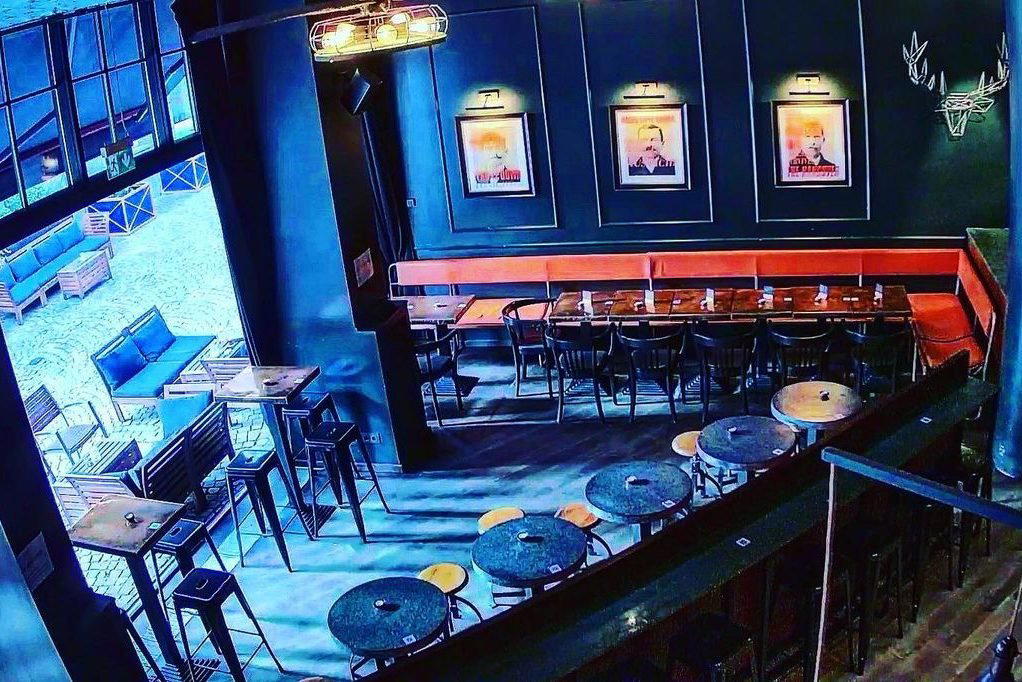
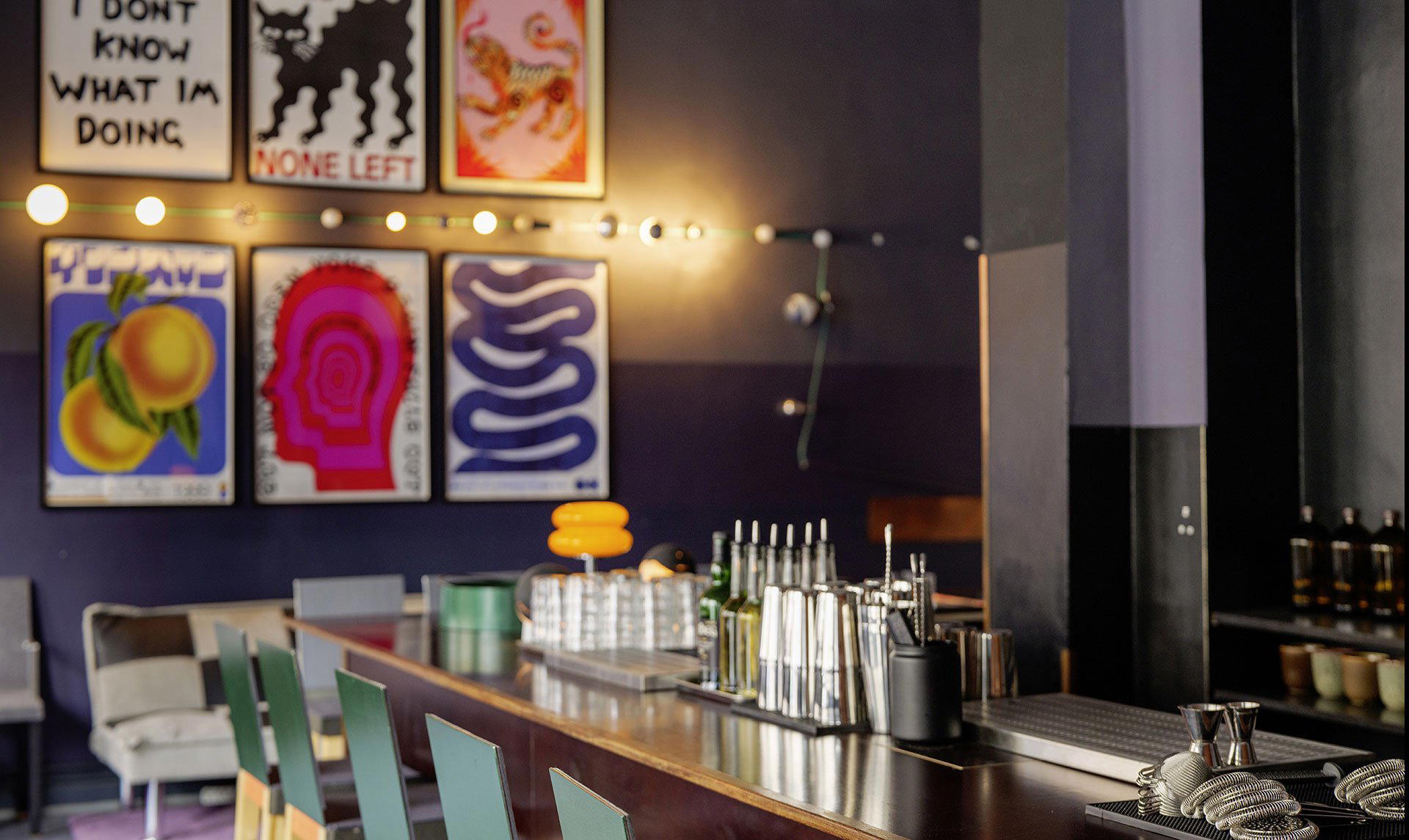
Bars in Frankfurt
All bars in Frankfurt →
Hotels in Frankfurt
All hotels in Frankfurt →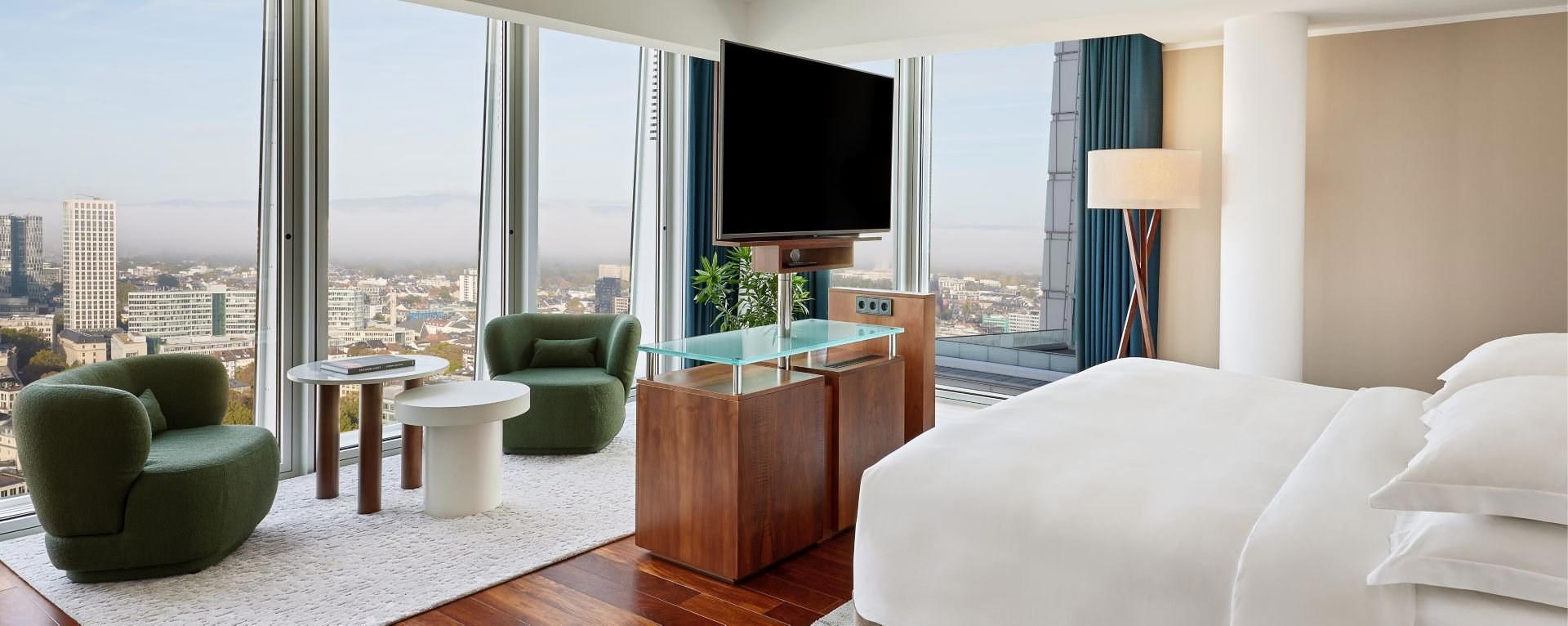

Details
- Cozy
- Casual Hangout
- A La Carte
- Vegetarian Friendly
Current opening hours
- Monday
- 12–3 PM, 5–10 PM
- Tuesday
- 12–3 PM, 5–10 PM
- Wednesday
- Closed
- Thursday
- 12–3 PM, 5–10 PM
- Friday
- 12–3 PM, 5–10 PM
- Saturday
- 12–10 PM
- Sunday
- 12–10 PM
Hours can change for holidays and private events. Hours as of .
Cozy small bistro in a quiet neighborhood with friendly service.