Among Munich's Italian tables, Trattoria Da Fausto in Schwabing occupies a different register than the city's Michelin-chasing Mediterranean fine diners. Regulars return for the kind of neighbourhood consistency that tasting menus can't manufacture: a room that feels used rather than staged, and a kitchen that answers to its repeat clientele more than to any award cycle.
Pearl is the En Primeur Club membership app — saves, bookings, and concierge access live there. Same editors, same standards.
- Address
- Helmtrudenstraße 1, 80805 München, Germany
- Phone
- +498932705553
- Website
- da-fausto.de
- Directions
- Get directions
 Saves & bookings on Pearl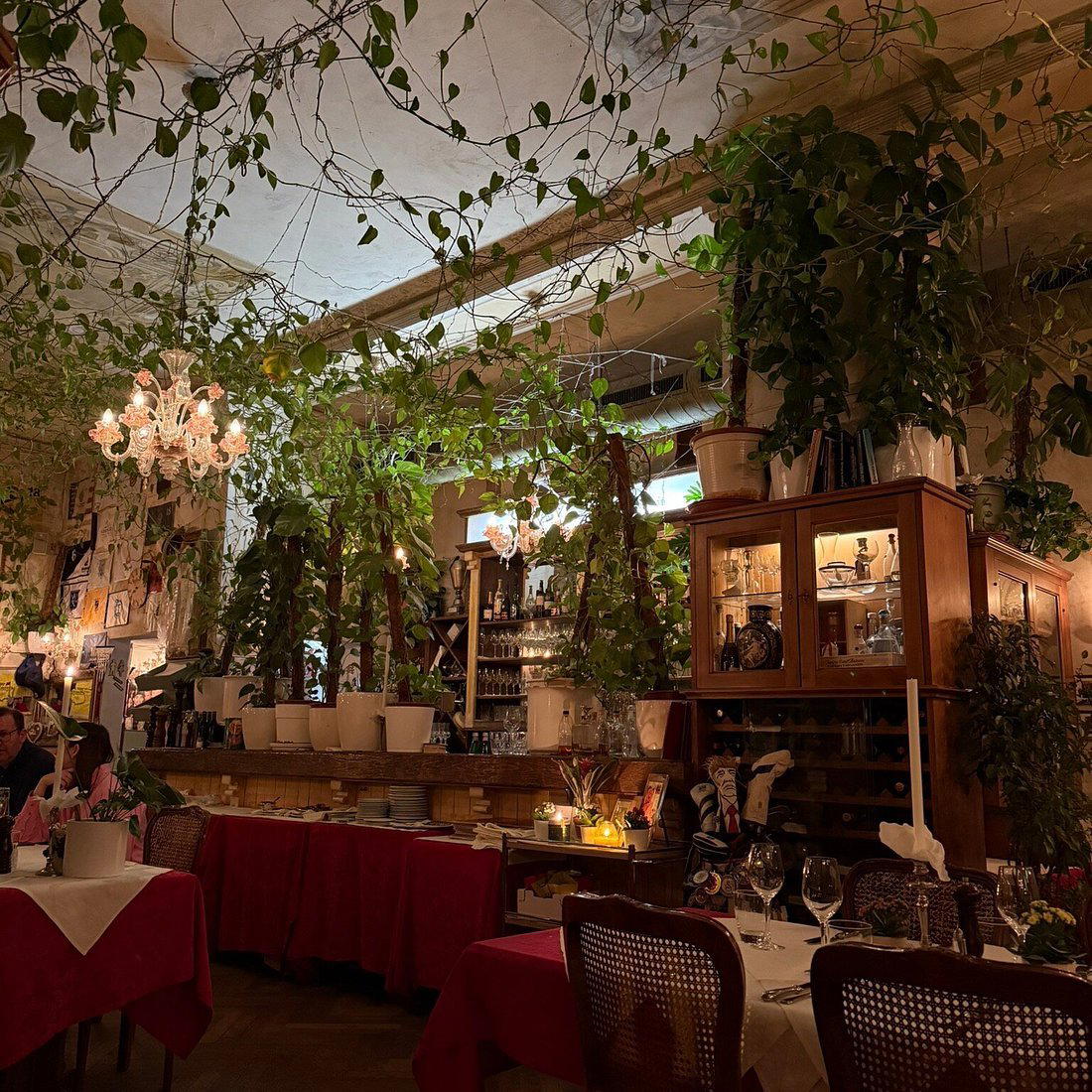
Where Schwabing Eats Without Ceremony
Munich's Schwabing district has long maintained a quieter relationship with its restaurants than the city's Michelin-dense centre. The neighbourhood runs on repeat custom, the same faces at the same tables across years rather than seasons. Trattoria Da Fausto, at Helmtrudenstraße 1, sits inside that pattern. The address places it in a residential pocket of Schwabing where the dining logic is proximity, familiarity, and a room that functions as an extension of someone's regular week rather than as an occasion.
That distinction matters in Munich right now. The city's upper bracket, Tantris, Atelier, Alois - Dallmayr Fine Dining, and Tohru in der Schreiberei, competes on tasting menu architecture, sourcing provenance, and Michelin credentials. Those restaurants price against each other, sequence courses as arguments, and ask something of their guests in return. Trattoria Da Fausto prices and operates according to a completely different set of priorities, which is precisely why its regulars are loyal to it.
The Italian Trattoria Format in a German City
Italian restaurants in German cities tend to bifurcate sharply. One tier goes upmarket, white tablecloths, regional Italian wine programmes, housemade pasta as a point of pride worth advertising. The other tier leans on familiarity to the point of invisibility, becoming part of the urban furniture rather than a considered dining destination. The trattoria format, when it works in this context, occupies a third position: a room with enough character to justify choosing it deliberately, but none of the self-consciousness that makes a restaurant feel like a performance.
Munich has its own Italian fine-dining stratum, with Acquarello representing the Italian-Mediterranean end of the city's €€€€ tier. Trattoria Da Fausto operates differently, the name itself signals intention. A trattoria, in Italian dining culture, is defined by its relationship with its regulars rather than its relationship with critics. The kitchen cooks to please people who will return next week, which produces a different set of decisions than cooking to impress someone who has come once on a special occasion.
Across Germany's broader premium dining circuit, from Aqua in Wolfsburg to Schwarzwaldstube in Baiersbronn and Vendôme in Bergisch Gladbach, the direction of travel has been toward longer menus, higher investment per cover, and kitchens operating as creative statements. The trattoria model runs counter to all of that, which gives it a particular kind of relevance for diners who cycle regularly through the fine-dining tier and occasionally want the opposite.
What Keeps the Regulars Returning
The regulars' perspective on any long-standing neighbourhood restaurant reveals what the menu alone cannot. What they return for is rarely the single leading dish they've ever eaten; it's the absence of friction. A room where the staff know the table's preferences, where the pace of service adjusts to the conversation rather than the kitchen's rhythm, and where the food arrives in a format that doesn't demand interpretation. That's the unwritten contract of the trattoria, and it's a harder thing to sustain than it sounds.
In Munich's Schwabing, where residential streets sit close to the university quarter and the Englischer Garten, the clientele for a restaurant like this tends to span a wider age range than the city's event-dining destinations. Families, couples mid-week, professionals who live within walking distance, the room has to work for all of them without optimising for any single profile. The restaurants that manage this over years tend to do so through consistency of product and tone rather than novelty of concept.
Compare this to what the city's creative-end restaurants are doing: JAN operates as a creative fine-dining destination with its own distinct identity, while elsewhere in Germany, restaurants like CODA Dessert Dining in Berlin and ES:SENZ in Grassau push format into increasingly specialist territory. The restaurant doesn't participate in that conversation. It answers a different question entirely.
Italian Cooking as Neighbourhood Currency
Italian cuisine holds a particular position in Munich's dining culture. The city's proximity to the Alps and its historical connections to northern Italy, through trade routes, tourism, and immigration patterns, have made Italian food a fixture across price points for decades. At the neighbourhood level, this means that a trattoria in Schwabing competes not against the city's Michelin tables but against the accumulated expectations of diners who have eaten Italian food regularly across their lives and know what they're looking for.
That's a harder audience to satisfy than it might appear. Regulars at an Italian trattoria have calibrated opinions about pasta texture, about whether a sauce has been rushed, about the bread and the oil before anything else arrives. The restaurants that survive on this clientele over years are the ones that treat the basics as non-negotiable, because that's exactly what the regulars are checking.
Germany's restaurant scene at the leading end, represented by destinations like Victor's Fine Dining by Christian Bau in Perl, Waldhotel Sonnora in Dreis, Restaurant Haerlin in Hamburg, Schanz in Piesport, and Bagatelle in Trier, operates at a remove from this kind of neighbourhood Italian. The comparison isn't about hierarchy; it's about function. Each tier answers a different dining need, and the neighbourhood trattoria answers one that the fine-dining tier structurally cannot.
For international visitors oriented toward high-concept dining, familiar with formats like Le Bernardin in New York City or Atomix, a place like Trattoria Da Fausto represents a deliberate gear shift. The value is in that shift, not in spite of it. See our full Munich restaurants guide for how this fits into the city's broader dining picture.
Planning Your Visit
The restaurant is located at Helmtrudenstraße 1, 80805 München, in the Schwabing district, accessible via the U-Bahn network. Reservations: Contact details are not currently listed; visiting directly or checking local booking platforms is advisable, particularly for weekend evenings when neighbourhood regulars tend to fill the room. Dress: No dress code is specified; Schwabing's residential character sets a relaxed standard. Timing: Weeknight visits tend to offer a more considered pace in neighbourhood restaurants of this type.
The Short List
Comparable venues nearby, for context on price, style, and recognition.
| Venue | Cuisine | Price | Notes |
|---|---|---|---|
| Trattoria Da FaustoThis venue — the venue you are viewing | Freimann, Authentic Italian Trattoria | $$ | Not listed |
| vi vadi RUSTICO | Not listed | $$ | Neuhausen, Classic Italian with Wood-Fired Pizza |
| Vino e Gusto | Lehel, Modern Italian Enoteca | $$ | Not listed |
| Napoli Rush | Neuhausen, Neapolitan Pizza | $$ | Not listed |
| Partenopeo Caffe Bistrot | Haidhausen, Neapolitan Pizza | $$ | Not listed |
| Opera Pizza Gourmet | Not listed | $$$ | Schwabing, Gourmet Italian Pizza & Contemporary Cuisine |
At a Glance
- Cozy
- Rustic
- Intimate
- Classic
- Date Night
- Family
- Casual Hangout
- Historic Building
- Extensive Wine List
Current opening hours
- Monday
- 11:30 AM–2:30 PM, 5:30–10:30 PM
- Tuesday
- 11:30 AM–2:30 PM, 5:30–10:30 PM
- Wednesday
- 11:30 AM–2:30 PM, 5:30–10:30 PM
- Thursday
- 11:30 AM–2:30 PM, 5:30–10:30 PM
- Friday
- 11:30 AM–2:30 PM, 5:30–10:30 PM
- Saturday
- 5:30–10:30 PM
- Sunday
- Closed
Hours can change for holidays and private events. Last verified .
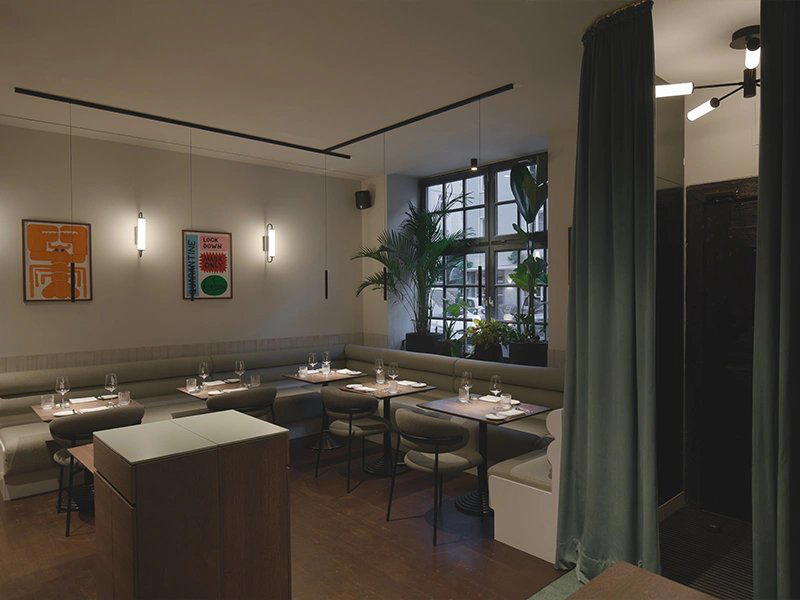
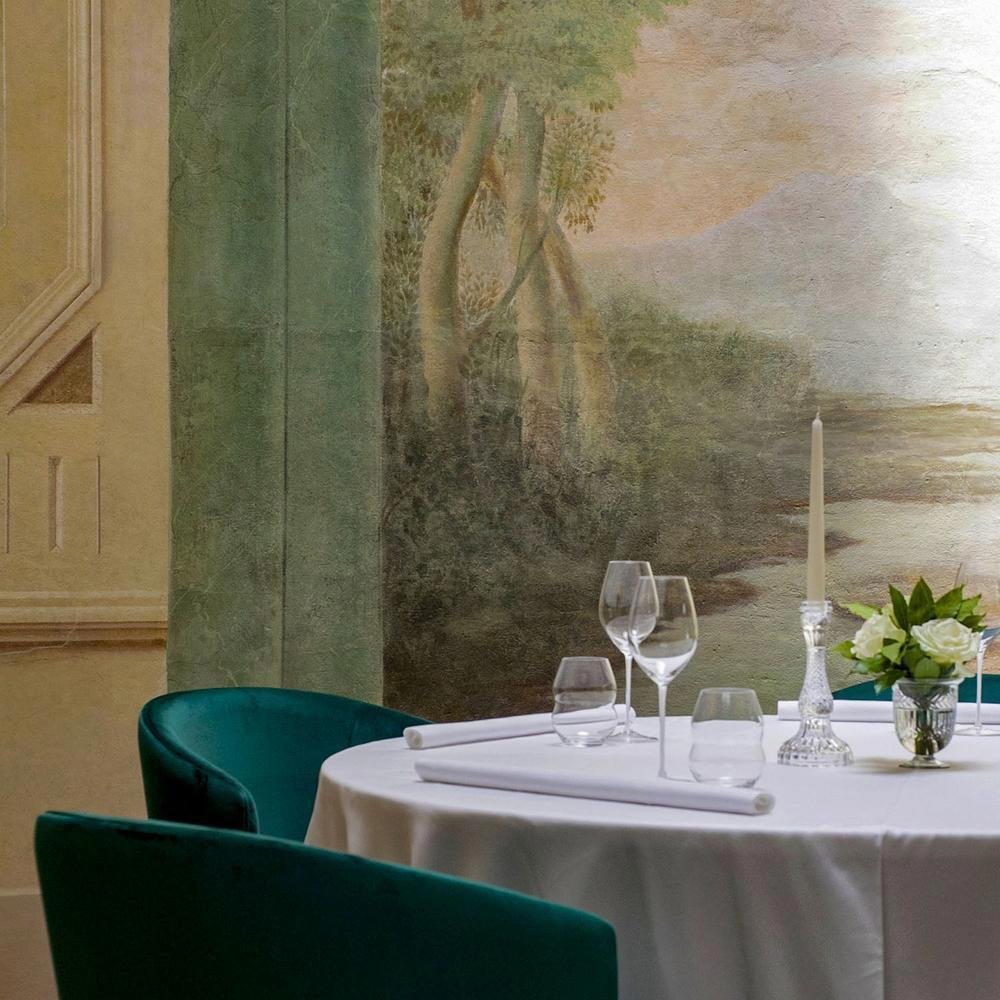
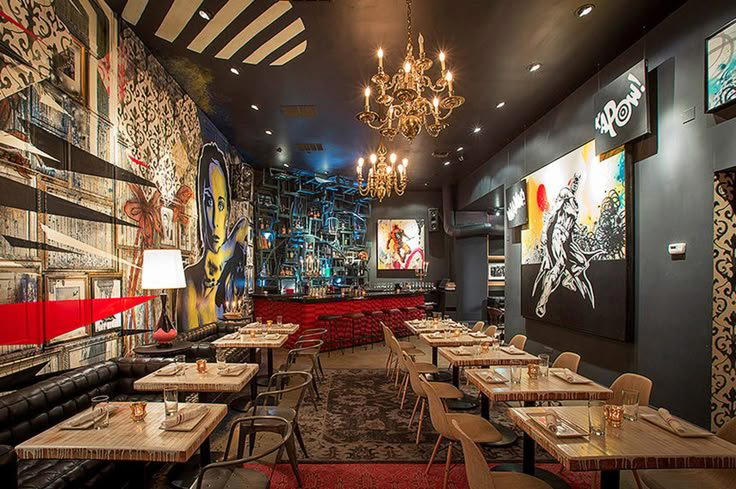
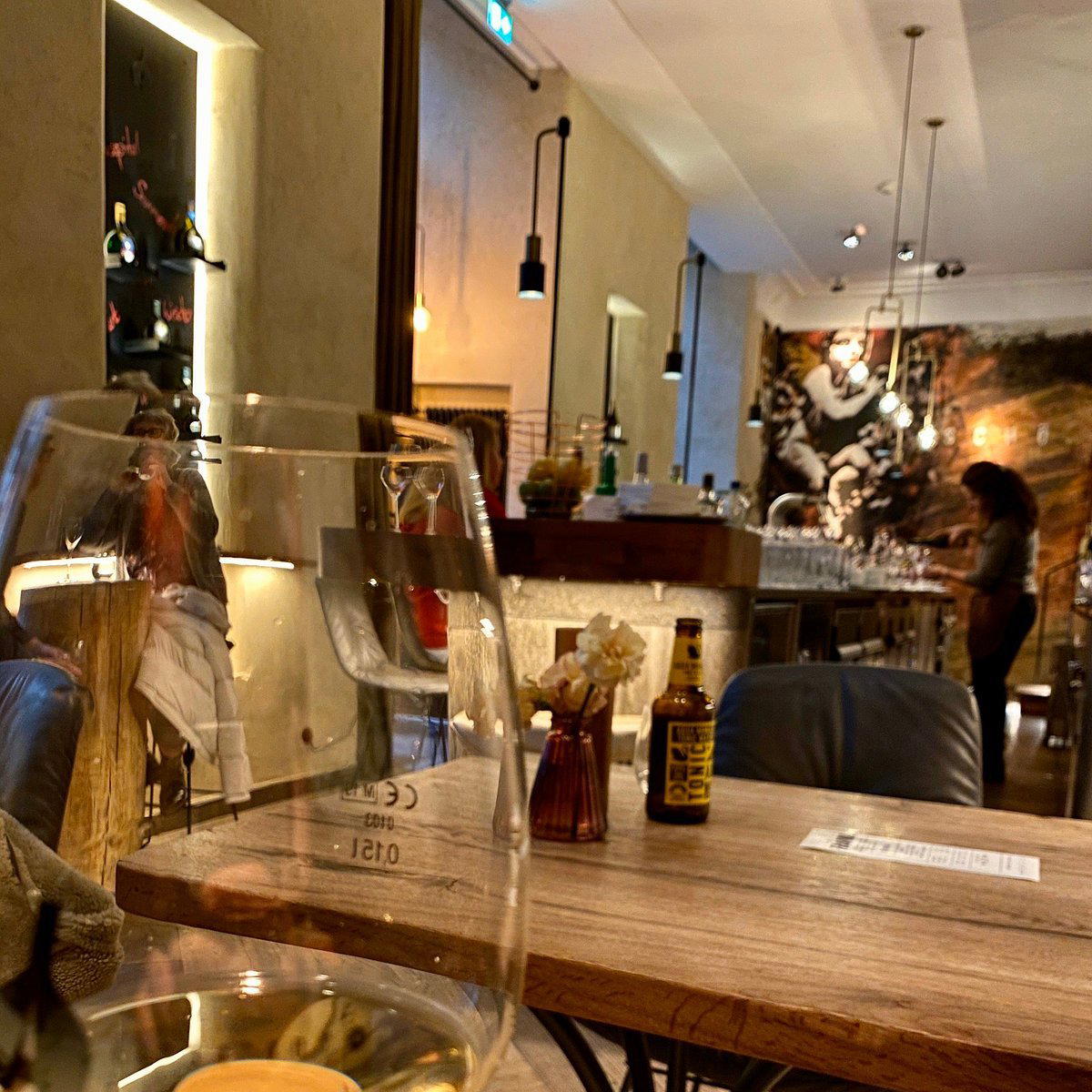
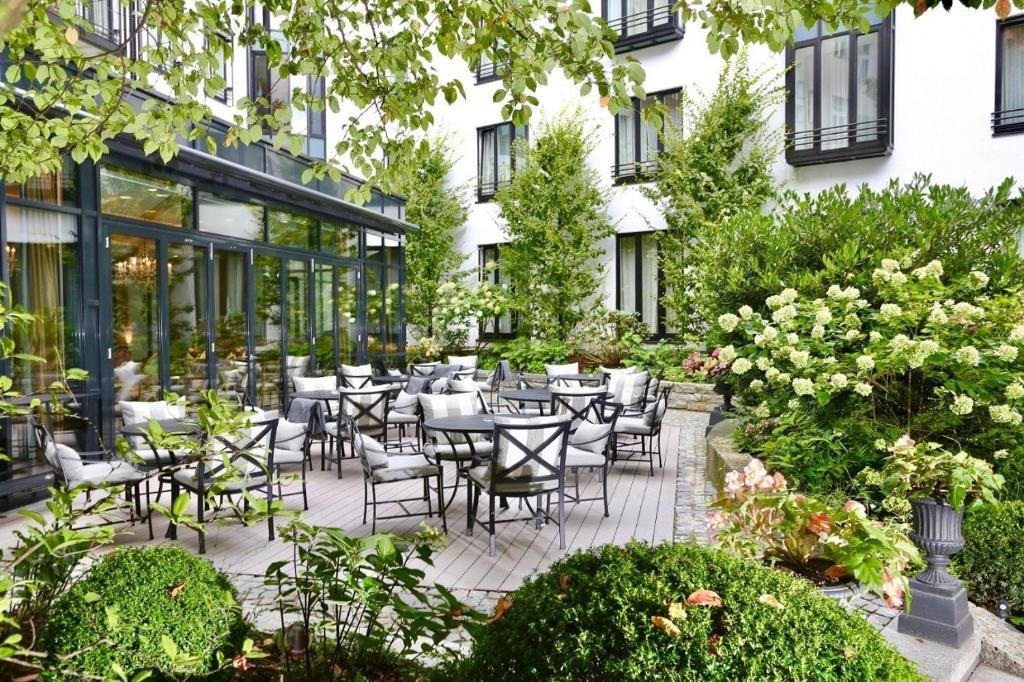
Cozy and inviting with warm lighting from candles and chandeliers, overflowing plants, and an authentic Italian charm enhanced by personal hospitality.