
Our verdict
Pizzeria e Trattoria da ISA in Meguro brings Neapolitan and Italian trattoria traditions to Tokyo through Chef Hisanori Yamamoto, earning recognition from Opinionated About Dining in 2025. The Aobadai address sits comfortably within Tokyo's serious pizza tier, where technical discipline and imported-ingredient sourcing define the conversation. A neighbourhood room with a credentialed kitchen.

Pearl is the En Primeur Club membership app, where members save venues, book tables and use the concierge.
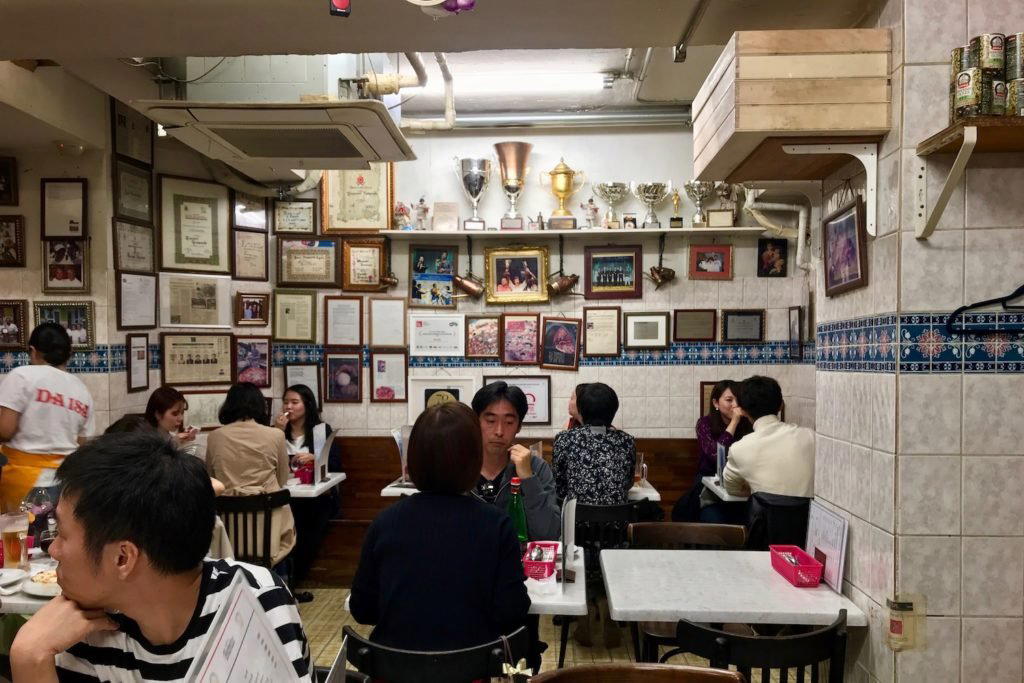
Tokyo's Italian Trattoria Tradition, Placed in Meguro
When serious Italian cooking took hold in Tokyo, it did so with a thoroughness that surprised even Italian observers. By the early 2000s, the city had developed a tier of Italian restaurants whose technical rigour matched anything in Milan or Naples, and whose sourcing networks for imported flour, San Marzano tomatoes, and aged cheeses were as disciplined as the kitchens themselves. That tradition has deepened over two decades. Today, Tokyo's Italian dining scene breaks into distinct layers: high-concept tasting menus at the leading, and neighbourhood-format pizzerias and trattatorie below that, where the real daily cooking happens. Pizzeria e Trattoria da ISA, on a residential street in Aobadai, Meguro, occupies that second tier, not as a compromise, but as a deliberate positioning within a mature category.
The Opinionated About Dining Casual in Japan recognition for 2025 places da ISA inside a small group of Japanese venues that OAD's data-heavy methodology has identified as worth tracking at the casual end of the market. OAD draws on a large base of serious diners and critics rather than inspector visits, which means recognition at this level reflects sustained peer respect rather than a single favourable review cycle.
The Shape of Italian Pasta in Japan
The editorial angle on a room like da ISA runs through pasta first. In Naples, the trattoria tradition is inseparable from its pasta forms: paccheri, spaghetti alle vongole, rigatoni al ragù. These shapes carry meaning beyond preference. Each one was developed to interact with a specific sauce in a specific way, surface area, internal diameter, wall thickness all calibrated to hold, absorb, or carry. When Japanese cooks engage with this tradition, the question is always whether the technique is adopted as pastiche or understood structurally.
Tokyo's strongest Italian rooms have consistently answered that question through structure. The city has a documented culture of craft obsession that transfers well to pasta-making: the patience required for slow-dried fresh pasta, the precision involved in rolling thickness to within a millimetre, the temperature control demanded by an egg-heavy dough. These are not foreign skills in a city that has refined ramen broth and soba noodle technique to the level of formal discipline. The parallel is instructive. What Tokyo's leading Italian kitchens offer is Italian technique absorbed and executed by cooks trained inside a culture of extreme process rigour.
At da ISA, Chef Hisanori Yamamoto sits within that tradition. The trattoria format the restaurant carries in its name signals intent: this is not a kaiseki-inflected fusion exercise, but a commitment to Italian forms on their own terms, wood-fired pizza alongside pasta and the kinds of secondi that complete a proper Italian meal rather than punctuate an omakase sequence.
Pizza Alongside Pasta: The Dual Format
The pizzeria-trattoria combination is worth examining as a format in its own right. In Italy, the two concepts have historically been kept separate: Neapolitan pizzerias are fast, high-temperature, democratically priced; trattatorie are slower, sauce-led, generational in character. The venues that combine them successfully tend to do so in cities outside Italy, where the volume of Italian diners is not large enough to sustain two separate rooms and where a combined format allows the kitchen to express the full range of Italian casual cooking under one roof.
Tokyo has produced several credentialed addresses in this combined format. Pizza Marumo and Pizza Strada represent different approaches to the Neapolitan tradition in the city, while Pizza Studio Tamaki has built a following around technical specificity and documented sourcing practices. 400℃ PIZZA TOKYO positions at the high-temperature end of the spectrum, and Seirinkan has carried the wood-fired Neapolitan standard in Tokyo for long enough to anchor the category's credibility.
Meguro as a Context for This Kind of Room
Aobadai is a residential quarter of Meguro, removed from the denser foot traffic of Nakameguro's canal strip or the commercial intensity of Ebisu. Rooms in this part of the city tend to build their reputation through repeat local custom rather than destination traffic, which shapes both the format and the pace of the experience. A trattoria in Aobadai is not competing for the pre-theatre crowd or the tourist walking route; it is making a case to the neighbourhood first, and to the broader Tokyo dining public through word of mouth and critical recognition second. That the OAD listing has reached da ISA is partly a function of that credibility accumulating over time.
For the visitor staying in central Tokyo, Meguro is a direct train journey from most major accommodation hubs. The neighbourhood rewards an evening with dinner as the anchor rather than a stop in a broader itinerary. Pair it with a walk through the quieter residential streets around Aobadai before or after, and the evening has more texture than a restaurant visit alone typically provides.
Planning Your Visit
| Detail | Pizzeria e Trattoria da ISA | Pizza Studio Tamaki | Seirinkan |
|---|---|---|---|
| Location | Aobadai, Meguro | Tokyo | Tokyo |
| Format | Pizzeria + Trattoria | Pizzeria | Pizzeria (Neapolitan) |
| Recognition | OAD Casual Japan 2025 | OAD listed | Long-established |
| N/A | N/A | ||
| Price Range | Not published | Mid-range | Mid-range |
| Booking | Check directly | Check directly | Check directly |
Volume reviews at this scale often reflect a mixed audience of neighbourhood regulars, first-time visitors with differing reference points, and diners whose expectations were shaped by different price tiers. OAD's methodology filters for experienced diners specifically, which is why its 2025 inclusion carries more signal weight here than the aggregate Google figure.
Tokyo's Wider Dining Picture
Da ISA is one address within a city whose Italian dining culture has genuine depth. For those building a longer Tokyo trip around food, our full Tokyo restaurants guide maps the city's dining tiers across cuisines, from kaiseki to French to Italian. The Tokyo bars guide covers the cocktail and sake bar scenes, and the Tokyo hotels guide handles accommodation across the central wards. For those extending the trip, HAJIME in Osaka, Gion Sasaki in Kyoto, and akordu in Nara represent different points on the Japan dining arc. Goh in Fukuoka, 1000 in Yokohama, and 6 in Okinawa cover the regional spread further. For international pizza comparison, Ken's Artisan Pizza in Portland and 11th Street Pizza in Miami represent the North American end of the serious-pizza conversation. EP Club's Tokyo experiences guide and wineries guide round out the city coverage for members planning across categories.
Frequently asked questions
What is the signature dish at Pizzeria e Trattoria da ISA?
What the room's format and OAD recognition together indicate is a kitchen that treats both the pizza and pasta sides of the menu with equal seriousness, the trattoria designation is not decorative. Chef Hisanori Yamamoto's approach draws on Italian technique applied through a Japanese kitchen discipline, which is a combination the city's most credentialed Italian rooms have made their own.
Comparable Options
Comparable venues nearby, for context on price, style, and recognition.
| Venue | Cuisine | Price | Awards | Notes |
|---|---|---|---|---|
| Pizzeria e Trattoria da ISAThis venue (the venue you are viewing) | Neapolitan Pizza | $20–30 | Not listed | Not listed |
| Hungry Tiger | Classic Italian Pasta & Grill | $10–20 | Not listed | Minato |
| da GIORGIO | Authentic Neapolitan Pizzeria & Italian | $30–50 | Tabelog 100 #69 | Bunkyō |
| pizzeria GG Kichijouji | Traditional Neapolitan Pizzeria | $20–30 | Tabelog 100 #26 | Kichijoji |
| Bar & Enoteca Implicito | Italian wine bar & enoteca | $20–30 | Gambero Rosso 2 Bottiglie | Shibuya |
| Gelateria Acquolina | Artisanal Italian Gelato | $10–20 | Tabelog 100 #58 | Meguro |
Recognition history
Dated appearances from independent guides and award organizations, with the underlying list record or original source where available.
Opinionated About Dining Casual in Japan Ranked #9
Opinionated About Dining
Full recognition history (2 entries)
Opinionated About Dining Casual in Japan
Opinionated About Dining
Continue exploring
More in Tokyo
Restaurants in Tokyo
All restaurants in Tokyo →


Bars in Tokyo
All bars in Tokyo →



Details
- Lively
- Cozy
- Rustic
- Casual Hangout
- Date Night
- Open Kitchen
- Street Scene
- A La Carte
- Vegetarian Friendly
Current opening hours
- Monday
- Closed
- Tuesday
- 11:30 AM–2 PM, 5:30–9:30 PM
- Wednesday
- 11:30 AM–2 PM, 5:30–9:30 PM
- Thursday
- 11:30 AM–2 PM, 5:30–9:30 PM
- Friday
- 11:30 AM–2 PM, 5:30–9:30 PM
- Saturday
- 11:30 AM–2 PM, 5:30–9:30 PM
- Sunday
- 11:30 AM–2 PM, 5:30–9:30 PM
Hours can change for holidays and private events. Last verified .
Cheerfully loud and rambunctious atmosphere like a lively izakaya with simple setup and street views.