Our verdict
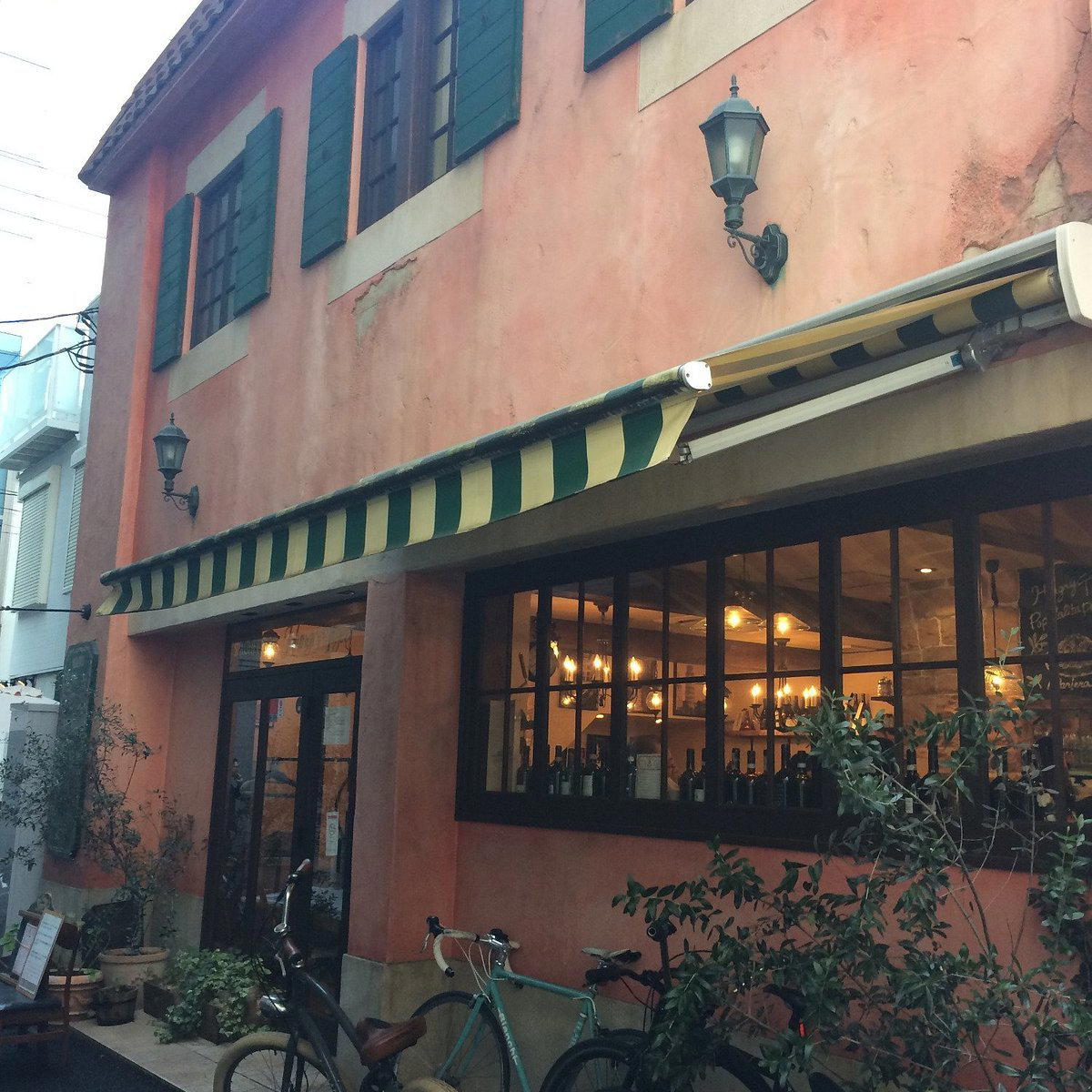
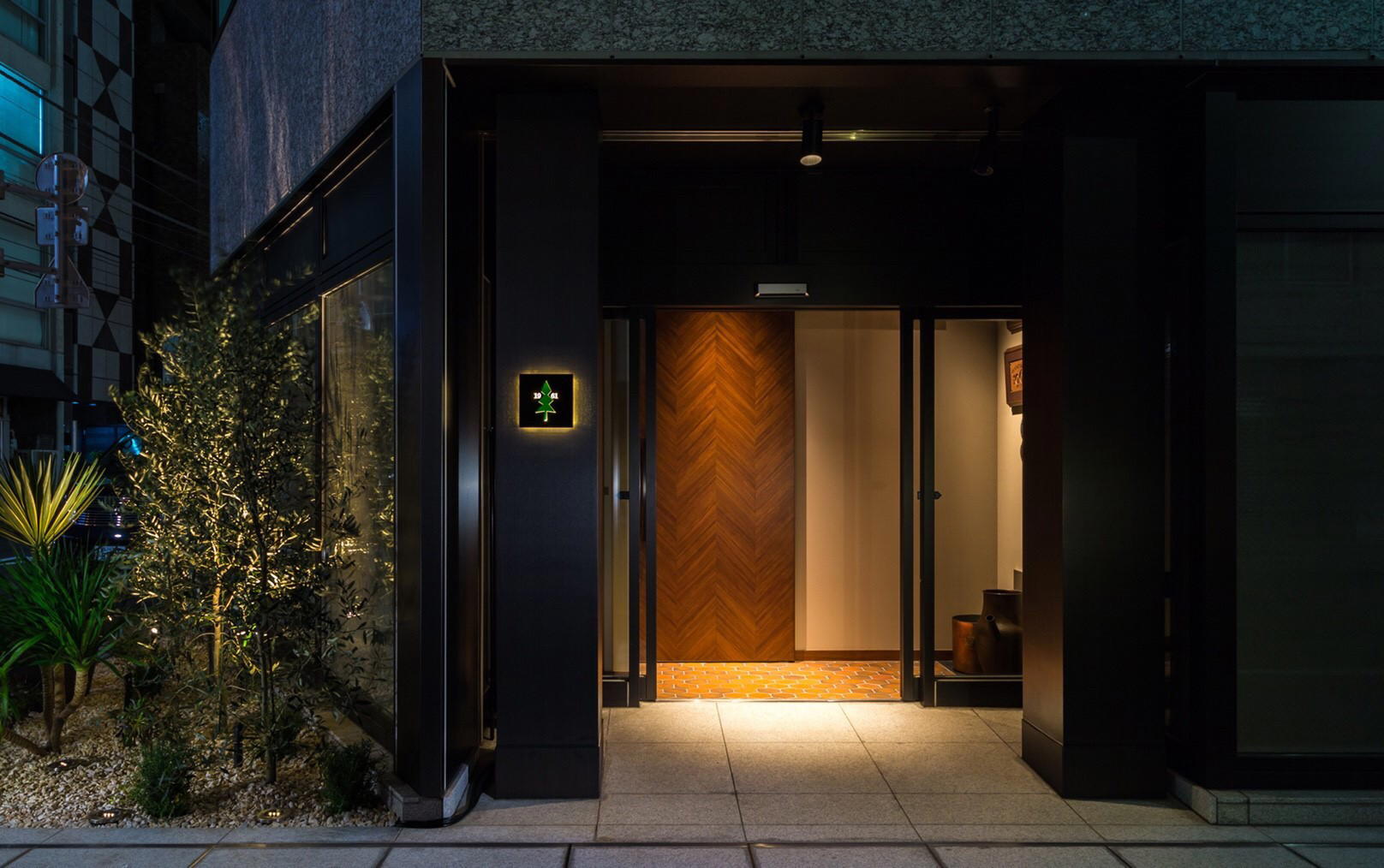
Hungry Tiger occupies a Toranomon address at the sharper end of Tokyo's dining geography, where Minato's business corridor increasingly houses serious restaurant projects alongside its office towers.

Pearl is the En Primeur Club membership app, where members save venues, book tables and use the concierge.
Toranomon and the Restaurants It Has Started to Attract
Minato City's Toranomon district has spent the better part of the last decade repositioning itself. The opening of Toranomon Hills in 2014 and subsequent towers shifted the area's gravitational pull, drawing hospitality projects that previously clustered around Roppongi or Azabu. Today, the 1-chome corridor where Hungry Tiger sits at 1 Chome-11-12 Toranomon is within walking distance of some of the more quietly serious dining addresses in central Tokyo. That context matters. Restaurants that land in Toranomon are not chasing the obvious tourist circuit; their audience is largely drawn from the financial and diplomatic communities that populate Minato's offices and residences.
This is a different competitive frame than, say, Ginza or Nishi-Azabu. Ginza's leading counters, including the Harutaka sushi counter, operate inside a highly visible prestige market where Michelin stars function partly as marketing infrastructure. Toranomon is less performative. The restaurants that work here tend to do so on word-of-mouth and repeat clientele rather than external recognition cycles.
What Tokyo's Mid-Minato Dining Scene Tells You
To understand any Toranomon restaurant, it helps to map the broader dining character of Minato City. The ward runs from waterfront Shibaura up through Shiba, Azabu, and Akasaka, and the restaurant culture shifts noticeably across those sub-districts. Azabu-Juban supports a higher density of French-influenced fine dining, including addresses like L'Effervescence, which has held Michelin recognition within that neighborhood's established framework. Roppongi carries the kaiseki tradition through venues like RyuGin, one of the most technically demanding Japanese restaurants in operation anywhere. And further west, the younger French-informed scene around Sézanne and Crony represents a more contemporary international register.
Toranomon sits between these nodes, geographically and in terms of dining identity. It is neither the traditional kaiseki belt nor the modernist French enclave. Restaurants that open here tend to define their own lane rather than slotting into an established neighborhood type. That independence can work well for places that know their audience clearly.
Japan's Dining Geography Beyond Tokyo
One of the more instructive things about Tokyo's position in Japanese dining is how much serious restaurant activity exists elsewhere in the country. Osaka's HAJIME operates at a tier that competes directly with Tokyo's most recognized kitchens. Kyoto's Gion Sasaki anchors a kaiseki tradition that many argue has deeper historical roots than anything found in the capital. Nara's akordu demonstrates how smaller Japanese cities have started to sustain international-quality cooking without Tokyo overhead. Fukuoka's Goh pulls a similar thread in the south.
Beyond the major cities, Japan's regional dining story becomes more granular. The Nanao restaurant scene on the Noto Peninsula, Sapporo's dining addresses, and smaller operations in places like Takashima and Nishikawa Machi reveal a country where culinary seriousness is not concentrated solely in the capital. For the traveler building a Japan itinerary, Tokyo remains an essential node, but the case for extending into regional addresses is stronger than it has been at any point in the last generation.
That national context places any Tokyo restaurant in a more competitive frame than the city's sheer density of Michelin stars might suggest. Tokyo holds more Michelin stars than any other city in the world. But star density also compresses differentiation at the leading. A restaurant in Toranomon competes not just with nearby addresses but with the entire expectation set that any visitor to Tokyo arrives with.
The Cultural Roots That Shape Tokyo Dining
Japanese dining culture carries a set of structural principles that distinguish it from Western restaurant traditions in ways that matter to anyone booking seriously in Tokyo. The concept of shokunin, the craftsperson who dedicates an entire career to a single discipline, runs through the city's leading counters and kitchens. It explains why Tokyo sushi at the leading level is not simply about fish quality but about the decades of repetition that produce consistency at a cellular level. It also explains why multi-course formats in Japan, whether kaiseki or omakase, tend to be more restrained in their theatrics than comparable French tasting menus: the craft is the performance.
This philosophy has shaped the global conversation around fine dining in ways that extend well beyond Japan. Venues like Le Bernardin in New York have long cited Japanese technique as an influence on their approach to seafood. Korean-inflected fine dining at venues like Atomix in New York draws on the same Asian culinary philosophy of precision, restraint, and seasonal alignment. The current international appetite for Japanese technique and produce reflects a broader recognition that the country's food culture rewards serious attention. Our full Tokyo restaurants guide maps that range in more detail.
Beyond Tokyo, the cultural links between food and place run through venues like Birdland in Sakai and Bistro Ange in Toyohashi, both of which operate within local culinary traditions that predate the current international recognition of Japanese cooking by several generations. The point is that Japanese dining is not a single register; it is a wide field, and Toranomon addresses like Hungry Tiger occupy one specific corner of it.
Know Before You Go
Address: 1 Chome-11-12 Toranomon, Minato City, Tokyo 105-0001, Japan
Nearest station: Toranomon Station (Tokyo Metro Ginza Line), approximately 3 minutes on foot from the 1-chome exit
Timing note: Toranomon dining addresses tend to observe business-district patterns; lunch services in the area are often shorter windows than the dinner equivalent, and midweek tends to be more accessible than Thursday/Friday evenings
Frequently asked questions
What is Hungry Tiger known for?
What's the must-try dish at Hungry Tiger?
Is Hungry Tiger suitable for a business dinner in the Toranomon area?
Cuisine and Credentials
Comparable venues nearby, for context on price, style, and recognition.
| Venue | Cuisine | Price | Awards | Notes |
|---|---|---|---|---|
| Hungry TigerThis venue (the venue you are viewing) | Classic Italian Pasta & Grill | $10–20 | Not listed | Not listed |
| SAVOY Tomato & Cheese (SAVOY とまととちーず) | Wood-fired Neapolitan-style pizza | $50–100 | Tabelog 100 #30 | Azabujuban |
| Pizzeria Bakka M'unica | Neapolitan-Style Pizza | $20–30 | Tabelog 100 #3 | Shinagawa |
| Tanta Bocca | Italian Trattoria | $30–50 | Tabelog 100 #71 | Shibuya |
| 400℃ PIZZA TOKYO (KAGURAZAKA) | Tokyo-style Neapolitan Pizza | $20–30 | Tabelog Bronze #2 | Kagurazaka |
| Savoy Pizza | Neapolitan Pizza | $20–30 | Not listed | Meguro |
Continue exploring
More in Tokyo
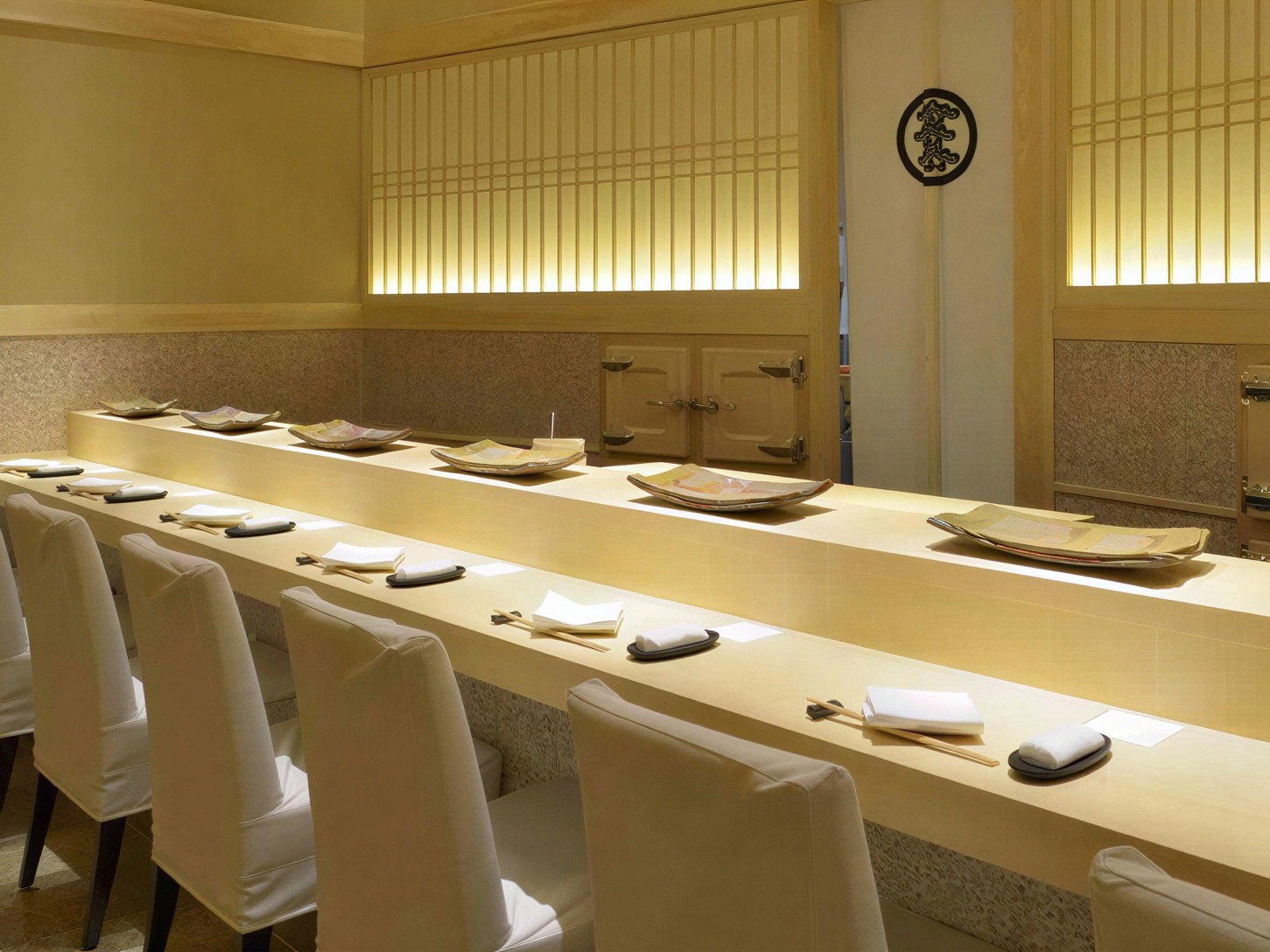
Restaurants in Tokyo
All restaurants in Tokyo →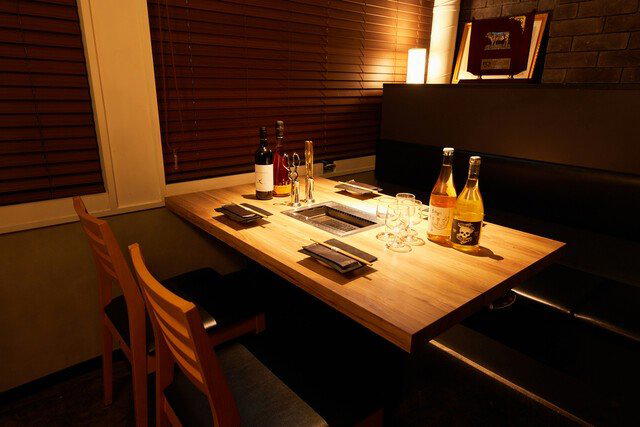
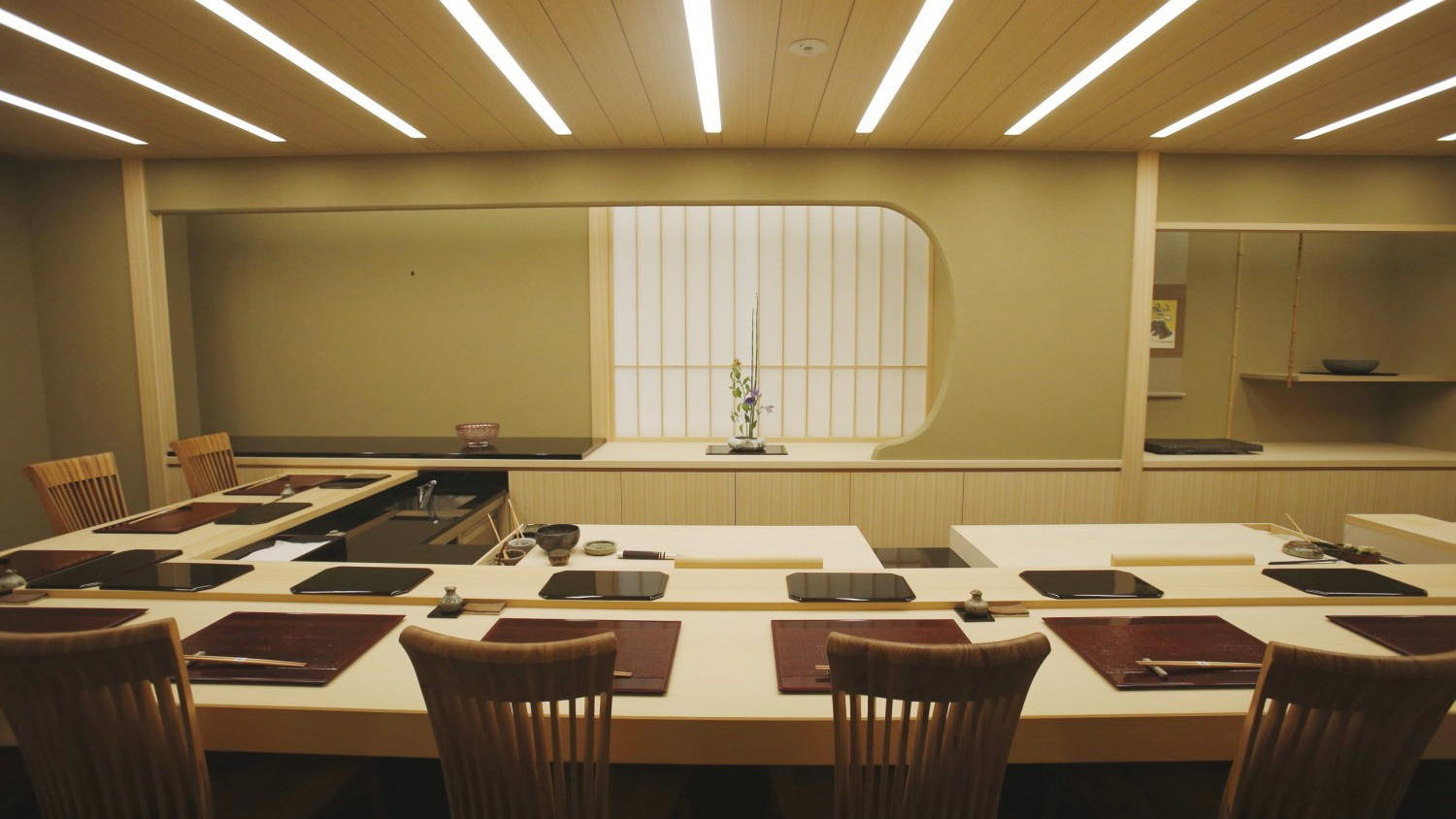
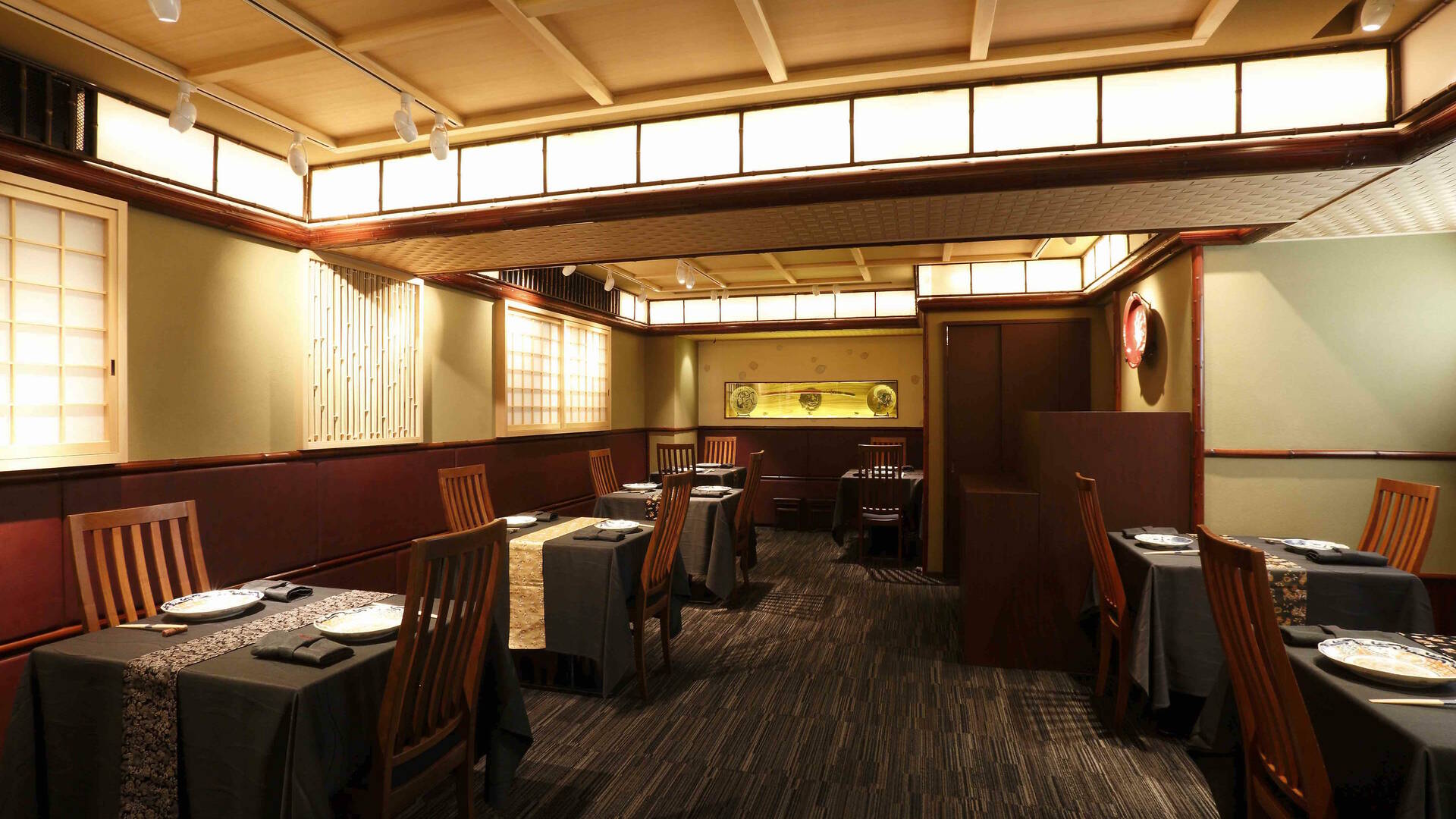
Bars in Tokyo
All bars in Tokyo →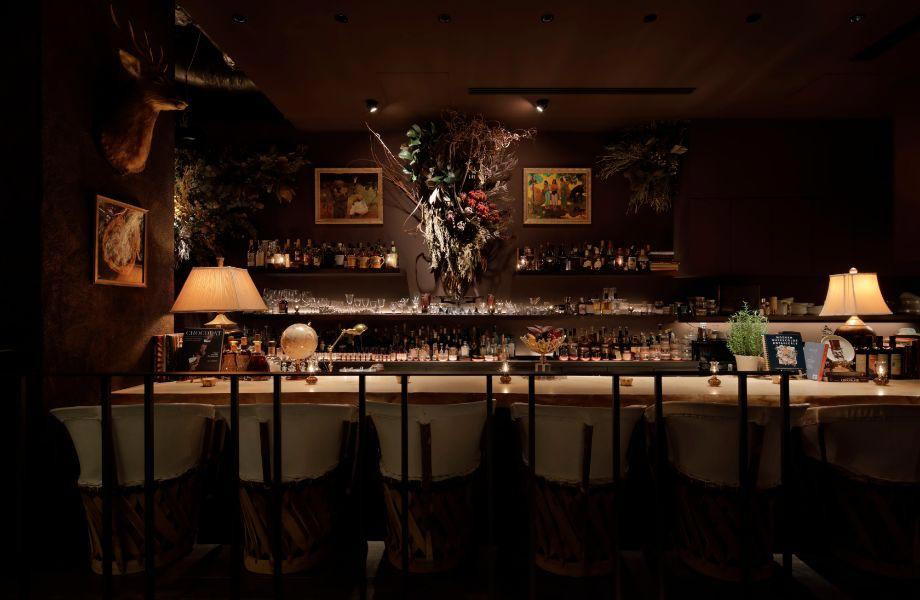


Details
- Classic
- Cozy
- Casual Hangout
- Business Dinner
- Open Kitchen
- Sake Program
- A La Carte
Current opening hours
- Monday
- 11:30 AM–2:15 PM, 5:30–10 PM
- Tuesday
- 11:30 AM–2:15 PM, 5:30–10 PM
- Wednesday
- 11:30 AM–2:15 PM, 5:30–10 PM
- Thursday
- 11:30 AM–2:15 PM, 5:30–10 PM
- Friday
- 11:30 AM–2:15 PM, 5:30–10 PM
- Saturday
- 11:30 AM–2:30 PM
- Sunday
- Closed
Hours can change for holidays and private events. Last verified .
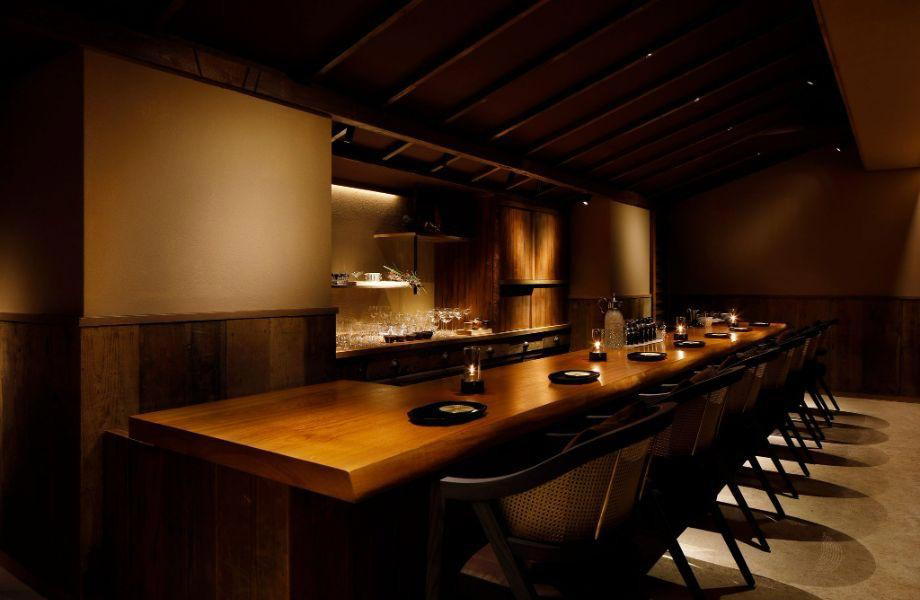
Relaxed space with a classic, cozy atmosphere featuring open cooking views in a renovated historic setting.