A neighbourhood pizza address on Piaristengasse in Vienna's 8th district, Pizza Bussi Ciao occupies a city where the casual dining tier is increasingly shaped by sourcing ethics and waste-conscious kitchens. The address sits at the intersection of Vienna's growing appetite for ingredient-led simplicity and a broader European shift toward pizza as a serious craft format rather than a convenience category.
Pearl is the En Primeur Club membership app — saves, bookings, and concierge access live there. Same editors, same standards.
- Address
- Piaristengasse 15, 1080 Wien, Austria
- Phone
- +436764130562
- Website
- pizzabussiciao.at
- Directions
- Get directions
 Saves & bookings on Pearl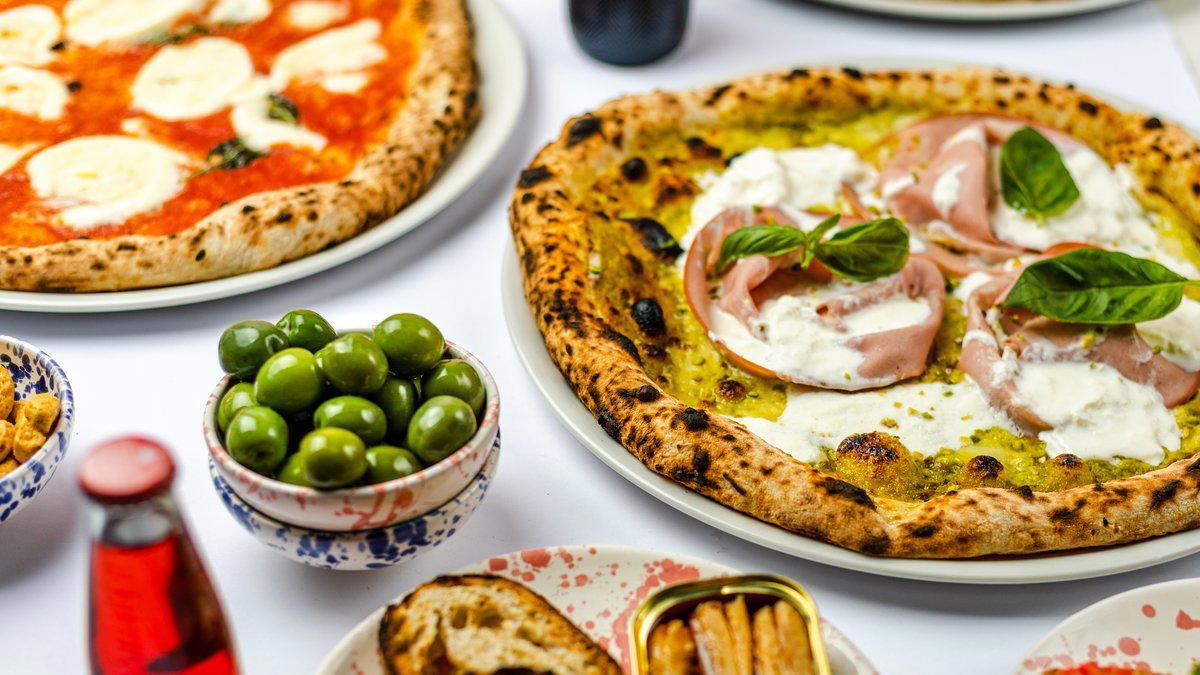
Vienna's Casual Tier and the Pizza Question
Pizza Bussi Ciao is a modern Neapolitan pizza restaurant at Piaristengasse 15, 1080 Wien, Austria, in Vienna's Josefstadt district. Across European cities in the past decade, pizza has migrated from a default option to a considered format, with serious producers treating flour fermentation, sourcing transparency, and waste management with the same rigour as any tasting-menu kitchen. Vienna is not exempt from that shift, and Pizza Bussi Ciao on Piaristengasse 15 in the 8th district is a marker of where that conversation sits in this city.
The 8th district, Josefstadt, has a character distinct from Vienna's grander first-district circuits. It is a residential neighbourhood with a literary and theatrical history, home to the Josefstadt Theater since 1788, and its streets carry a quieter, more habitual cadence than the tourist-heavy inner city. Dining in this part of Vienna tends toward the local and the repeat-visit rather than the destination-driven. A pizza address here is not competing against the grand café institutions; it is competing for the loyalty of people who live and work nearby, which creates different pressures on quality and consistency.
Pizza as a Craft Format in the Austrian Context
Italy's contemporary pizza culture, particularly the Neapolitan revival and the Roman al taglio tradition, has exported its standards outward over the past fifteen years. The craft markers are now fairly well understood: long-fermented doughs (often 48 to 72 hours), high-hydration mixes, flour sourced from smaller mills, and toppings that operate on restraint rather than abundance. Sustainability runs through this model structurally, not as a bolt-on consideration. Long fermentation reduces the need for commercial yeasts and improves digestibility. Minimal topping philosophy cuts food waste. Smaller, more deliberate supplier relationships mean fewer commoditised inputs.
Austria's relationship with Italian cuisine is long and layered, shaped by geographic proximity, Habsburg cultural exchange, and a steady migration of Italian producers and restaurateurs into Austrian cities over generations. Vienna in particular has absorbed Italian food traditions into its everyday eating in ways that go well beyond the obvious pasta and pizza categories. The craft pizza segment, however, is a more recent arrival, and it is still establishing its hierarchy in the city. Addresses in the €€ to €€€ range that take dough and sourcing seriously occupy a different position from the quick-service chains on one side and the full-service Italian restaurants charging fine-dining prices on the other.
For context on the broader Austrian fine-dining picture, the country's serious kitchens extend well beyond Vienna: Döllerer in Golling an der Salzach and Obauer in Werfen anchor a Salzburg-region cluster, while alpine dining at places like Griggeler Stuba in Lech and Gourmetrestaurant Tannenhof in Sankt Anton am Arlberg operates in its own premium register. The ethics conversation around sourcing and waste that animates upper-tier Austrian kitchens has a trickle-down effect, raising expectations at every price point.
The Sustainability Angle in Casual Dining
The framing of casual pizza as a sustainability story is not rhetorical convenience. Pizza kitchens that operate with high-quality, transparently sourced ingredients face the same structural decisions as any ingredient-led restaurant: how to handle trim, how to work with suppliers at a scale that doesn't require commodity pricing, and how to keep a menu focused enough that waste stays low. The pizzerias that have earned serious attention in European cities in recent years, from Naples to Copenhagen to London, share a discipline around these questions that distinguishes them from operators who treat pizza as a low-margin, high-volume game.
Vienna's casual dining sector has been developing its sustainability vocabulary alongside its Austrian fine-dining neighbours. Kitchens at the level of Doubek and the broader creative tier documented in our full Vienna restaurants guide have made regional sourcing a baseline expectation rather than a differentiator. The question for a neighbourhood pizza address is whether that standard transfers down the price ladder, and increasingly, in Vienna as in other European capitals, the answer is yes, at least for the operators who are serious about the format.
Internationally, the analogy holds at much higher price points. Le Bernardin in New York City has long treated ingredient traceability as a non-negotiable, and the influence of that rigour on what diners expect across price tiers is significant. Closer to Vienna's comparable set, Atomix in New York City demonstrates how a kitchen that starts from sourcing philosophy can build a coherent identity at any level of formality. The principle scales. Sourcing discipline is not the exclusive province of tasting-menu restaurants, and the pizzerias that understand this are the ones building durable reputations.
Josefstadt as a Dining Neighbourhood
Arriving at Piaristengasse 15, the immediate context is residential Vienna at its most characteristic: Biedermeier facades, an unhurried pavement pace, and proximity to both the Theater in der Josefstadt and Piaristenkirche. The neighbourhood rewards walking, and an evening spent eating in Josefstadt rarely involves the queues or the tourist density of the inner districts. For visitors staying in or near the 8th, Pizza Bussi Ciao operates as a local address rather than a destination pull, which in its own way is a more demanding position. A restaurant that survives on neighbourhood repeat business has fewer places to hide than one drawing destination traffic from further afield.
The Austrian fine-dining addresses scattered across the country's regions, from Ikarus in Salzburg to Kräuterreich by Vitus Winkler in Sankt Veit im Pongau to Landhaus Bacher in Mautern an der Donau, share a commitment to regional produce that filters outward into the wider food culture. That culture sets a baseline expectation even in casual formats. Schwarzer Adler in Hall in Tirol and Restaurant 141 by Joachim Jaud in Mieming further illustrate how seriously the Austrian kitchen takes its relationship with local supply chains. Ois in Neufelden adds a rural-region perspective to that picture. The cumulative effect is a dining culture in Austria that has trained its audience to notice sourcing, which is good news for any casual operator willing to do the work.
Planning Your Visit
Address: Piaristengasse 15, 1080 Wien, Austria. District: Josefstadt (8th), a short walk from the Theater in der Josefstadt. Budget: Price: about USD 18 per person. Hours: Mon: 5–10 PM; Tue: 5–10 PM; Wed: 5–10 PM; Thu: 5–11 PM; Fri: 5–11 PM; Sat: 12:30–11 PM; Sun: 12:30–10 PM.
Peers in This Market
Comparable venues nearby, for context on price, style, and recognition.
| Venue | Cuisine | Price | Notes |
|---|---|---|---|
| Pizza Bussi CiaoThis venue — the venue you are viewing | Modern Neapolitan Pizza | $$ | Not listed |
| Wolke | Modern Neapolitan Pizza | $$ | Franz Josefs Bahnhof |
| Riva | Authentic Neapolitan Pizza | $$ | Praterstern Wien Nord |
| SOFI Vera Pizza Napoletana | Authentic Neapolitan Pizza | $$ | Hernals |
| Margareta | Italian Trattoria & Pizzeria | $$ | Margareten |
| Lido | Italian Cicchetti Bar | $$ | Stephansdom |
Continue exploring
More in Vienna
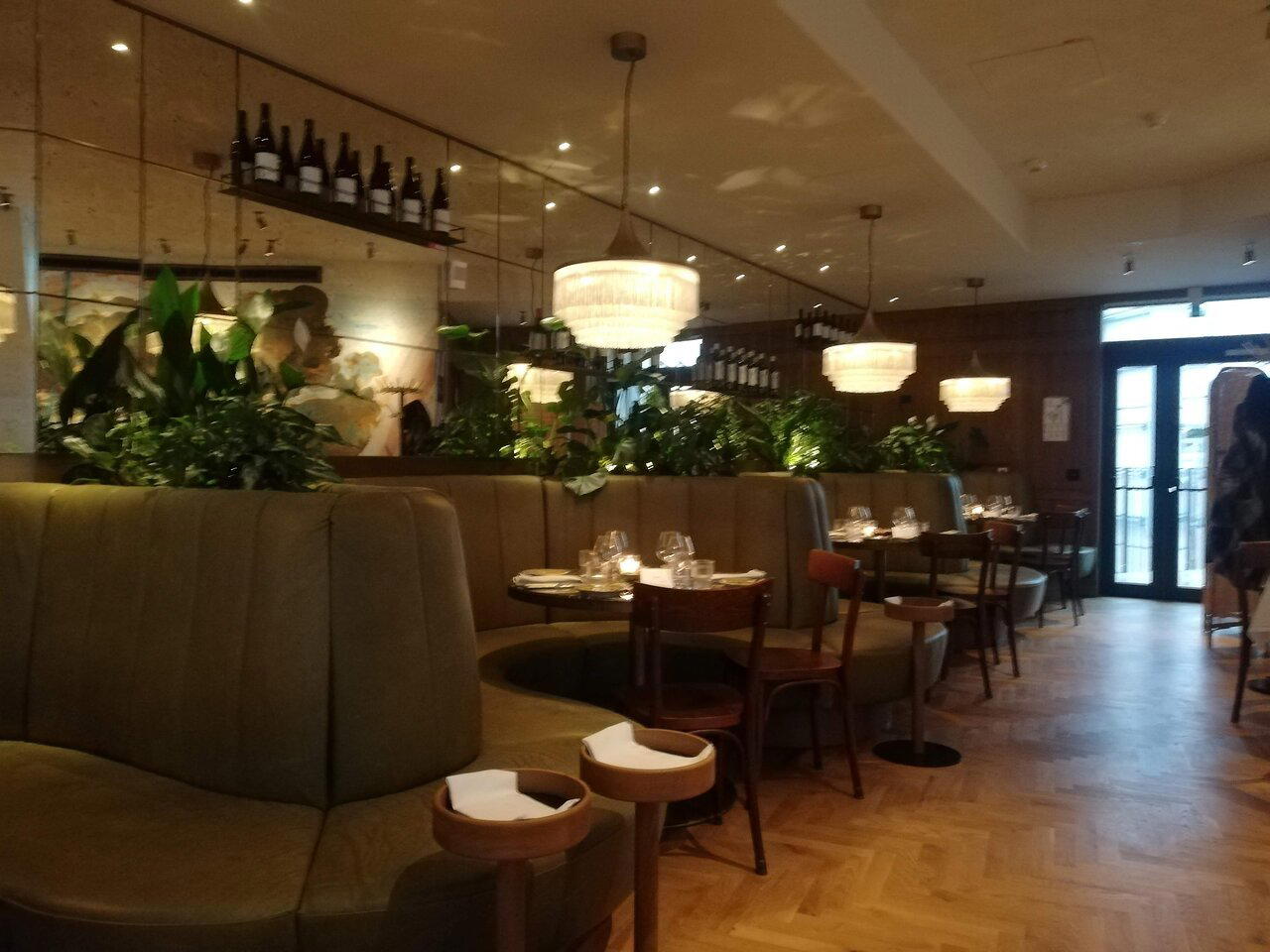
Restaurants in Vienna
Browse all →
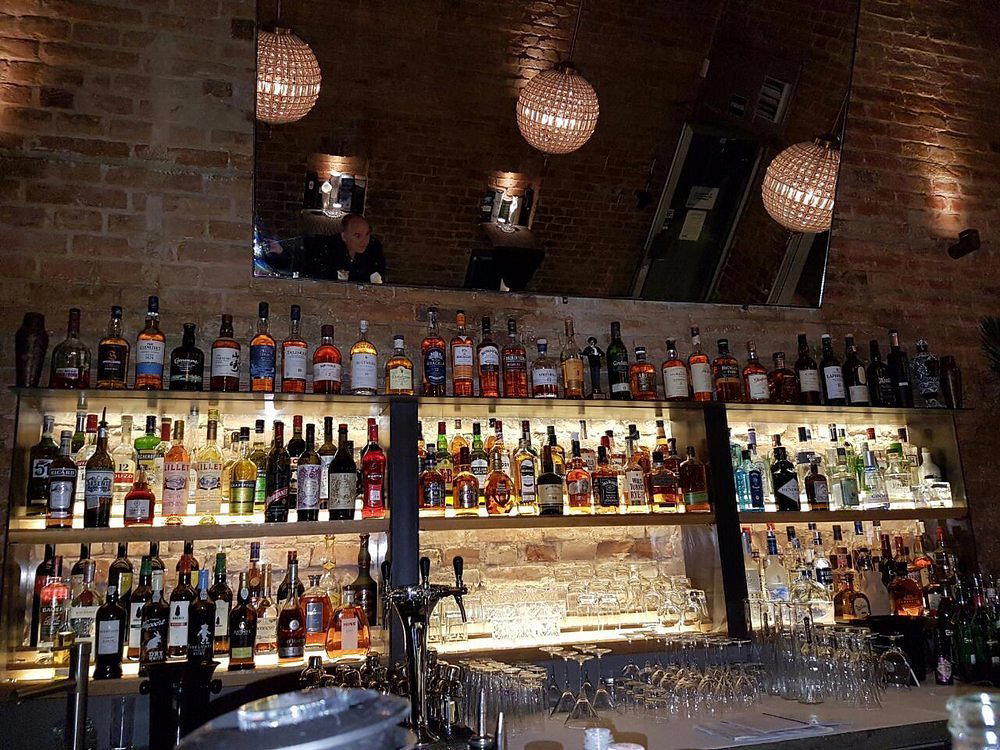
Bars in Vienna
Browse all →

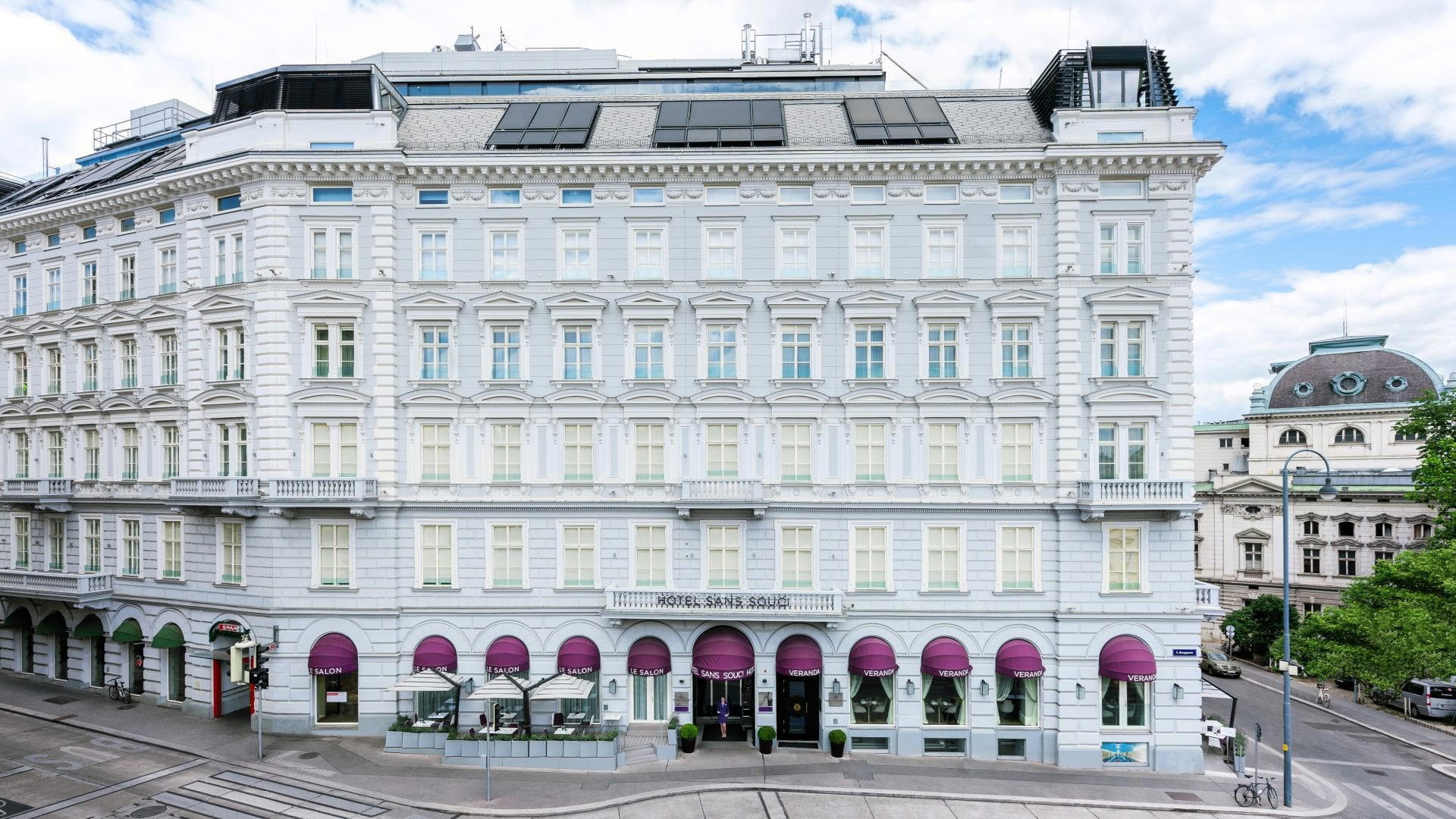
Hotels in Vienna
Browse all →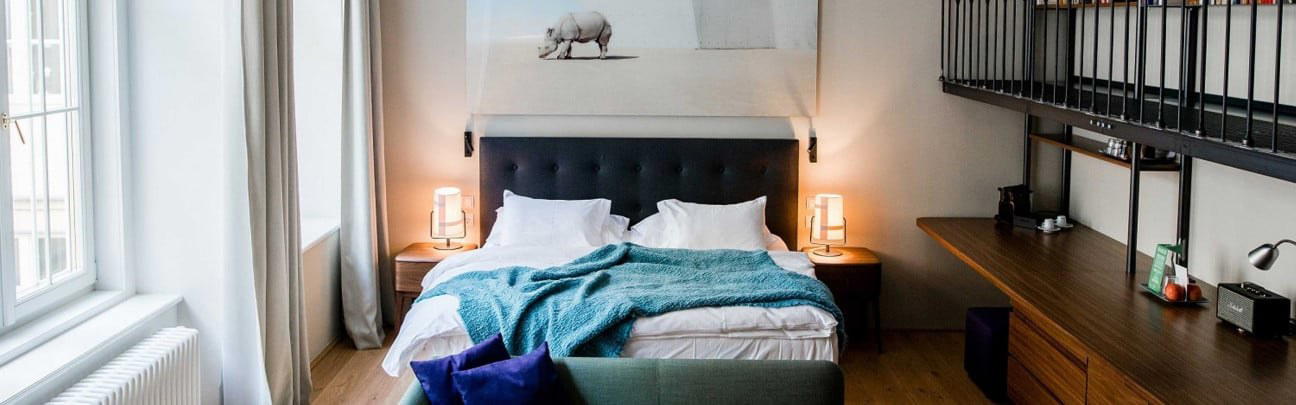
At a Glance
- Trendy
- Cozy
- Casual Hangout
- Group Dining
- Solo
- Open Kitchen
- Standalone
- Craft Cocktails
Current opening hours
- Monday
- 5–10 PM
- Tuesday
- 5–10 PM
- Wednesday
- 5–10 PM
- Thursday
- 5–11 PM
- Friday
- 5–11 PM
- Saturday
- 12:30–11 PM
- Sunday
- 12:30–10 PM
Hours can change for holidays and private events. Last verified .
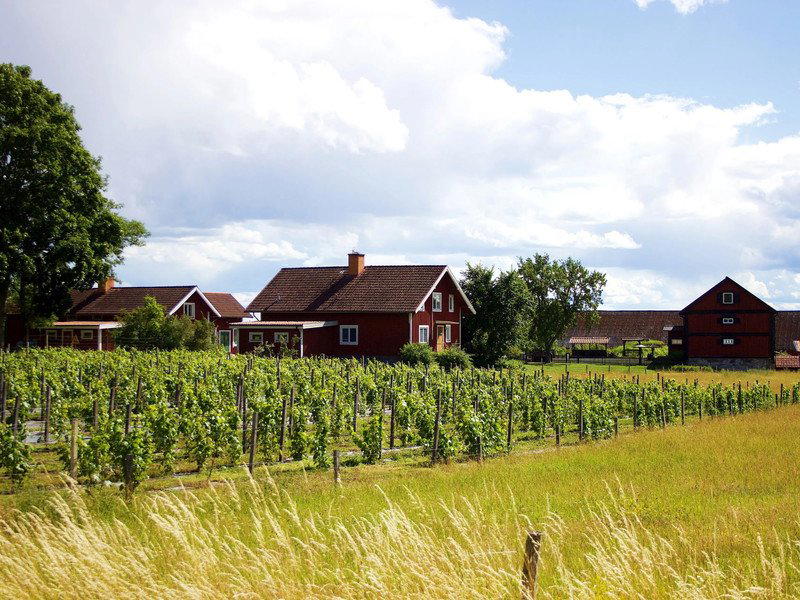
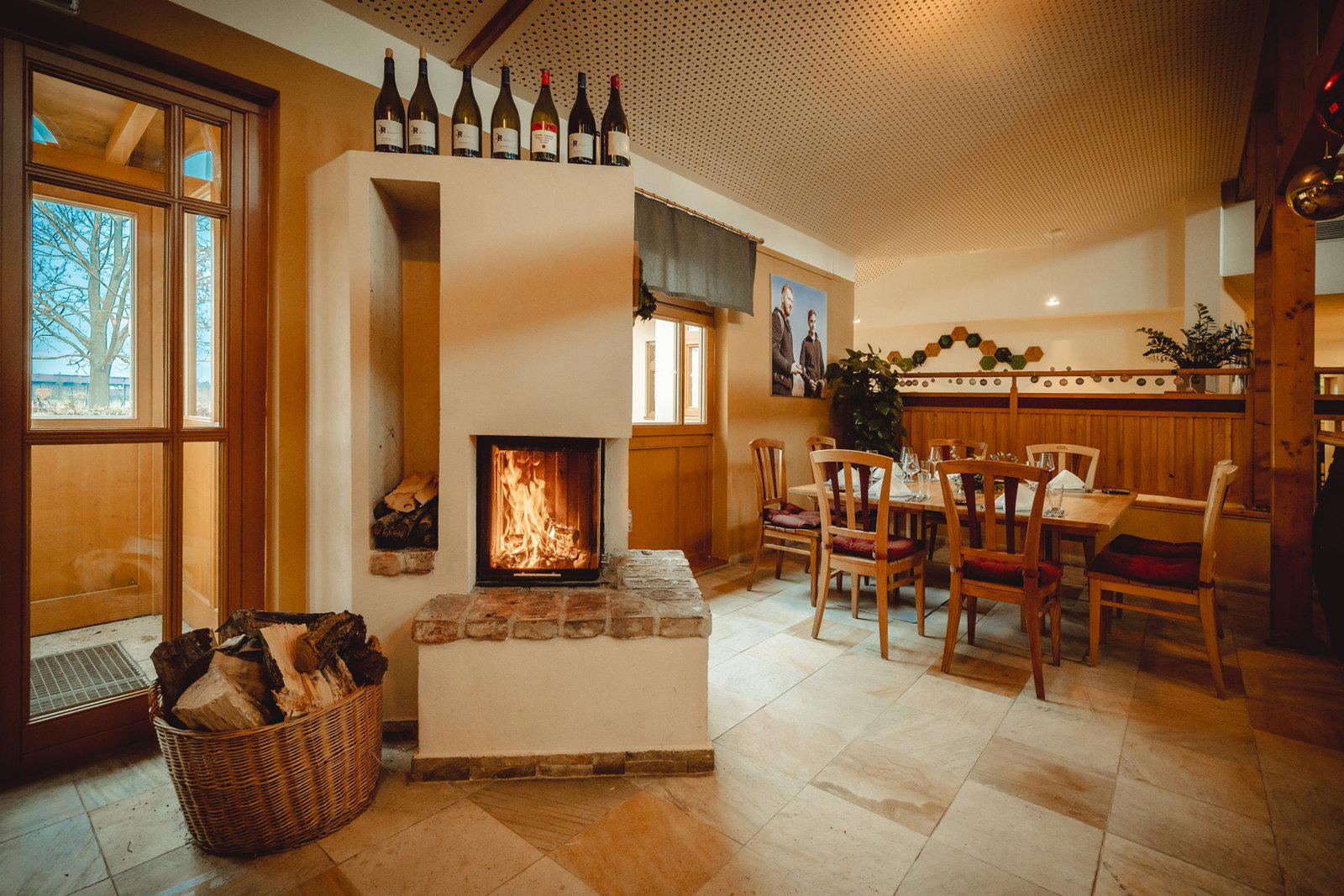
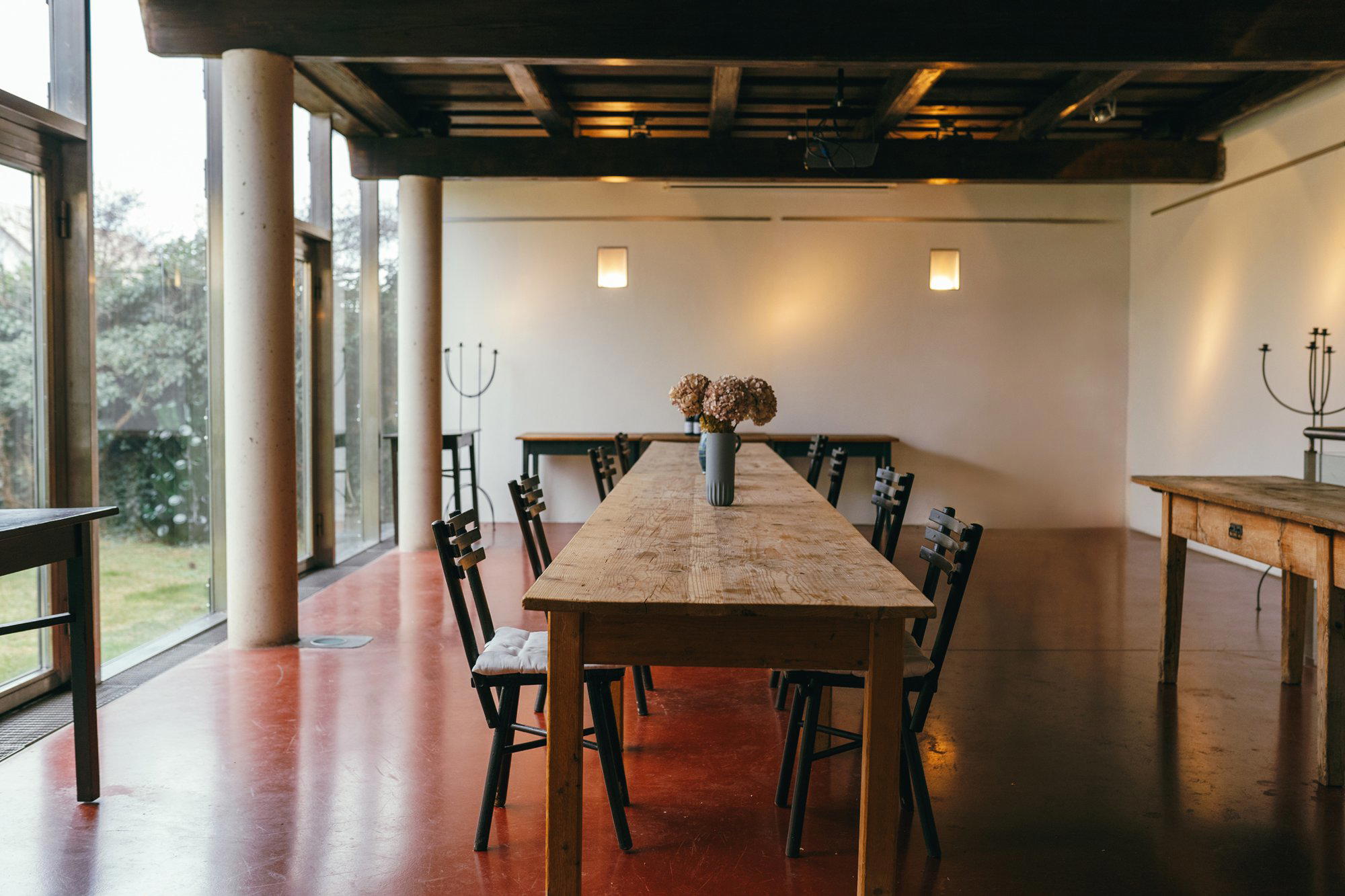
Charming, casual retro Italian setting with a distinctive baby blue pizza oven as the focal point; warm and inviting atmosphere that appeals to both pizza enthusiasts and those seeking gluten-free options.