PIANO B Food Experience occupies a residential address in Barcelona's Sants-Montjuïc district, operating in the format tier where small capacity and tightly coordinated service define the proposition. The experience sits closer to the intimate, specialist end of the city's creative dining spectrum than to its high-profile Eixample flagships, making it a reference point for readers tracking how Barcelona's neighbourhood dining scene is developing beyond its Michelin-mapped centre.
Pearl is the En Primeur Club membership app — saves, bookings, and concierge access live there. Same editors, same standards.
- Address
- Carrer de Magalhães, 35, Sants-Montjuïc, 08004 Barcelona, Spain
- Phone
- +34930370882
- Website
- pianobbcn.com
- Directions
- Get directions
 Saves & bookings on Pearl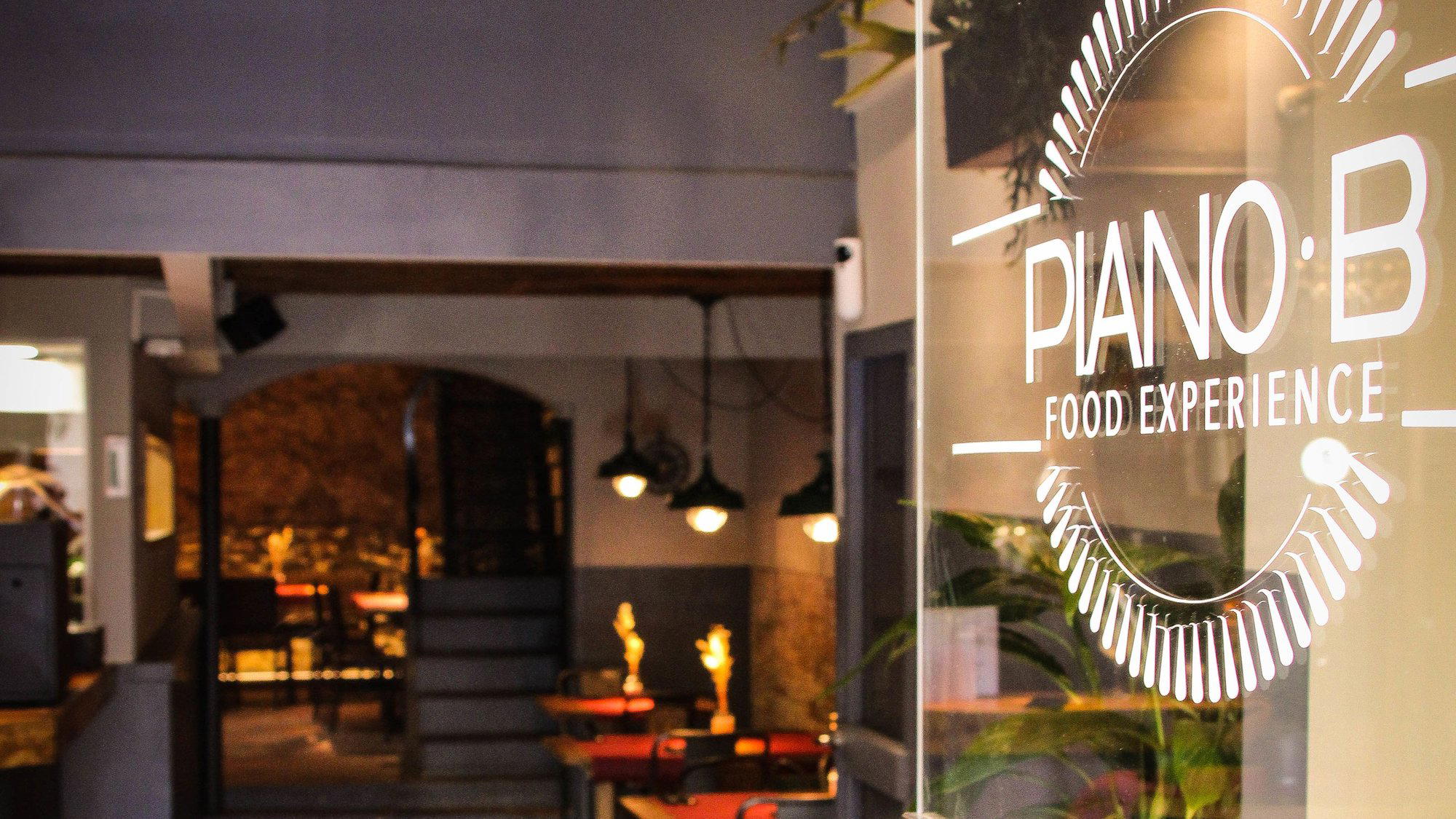
Where Barcelona's Neighbourhood Dining Goes Quiet and Deliberate
Carrer de Magalhães sits in Sants-Montjuïc, a district that most visitors map to the cable car and the castle rather than to the table. That geography is part of what defines a particular kind of Barcelona dining experience: low street-level visibility, a local residential address, and an operating model that depends on word of mouth and deliberate destination travel rather than foot traffic. PIANO B Food Experience fits that profile. It is not positioned against the city's Eixample flagship restaurants. It operates in a different register entirely, one where the neighbourhood context is functional to the format and the format is designed around a smaller, more focused interaction.
Barcelona's restaurant scene is split between internationally recognised creative restaurants and smaller, independently operated formats in residential districts. On one side sit the internationally recognised creative restaurants: Disfrutar (Progressive, Creative), Cocina Hermanos Torres (Creative), ABaC (Creative), Lasarte (Progressive Spanish, Creative), and Enigma (Creative). On the other sit smaller, independently operated formats in residential districts, where the economics and ambitions are different and the relationship between kitchen, floor, and guest is correspondingly tighter. PIANO B sits in this second group.
The Logic of the Collaborative Format
In Spain's most discussed restaurants, the dominant editorial narrative runs through individual chefs: the technical ambition of a particular kitchen, the lineage from a specific mentor, the signature philosophy encoded in a tasting sequence. At El Celler de Can Roca in Girona the sibling structure is itself the subject. At Arzak in San Sebastián, the father-daughter dynamic has shaped decades of coverage. At Mugaritz in Errenteria, the conversation is inseparable from a single creative intelligence. Smaller format experiences like PIANO B operate under different structural logic. When capacity is limited and the room is intimate, the coordination between cooking, service, and the drink programme becomes the actual medium of the experience. Every interaction is proximate, and any gap between the kitchen's intent and the front-of-house delivery is immediately legible to the guest.
This is the core argument for the team-dynamic model in intimate dining formats: the sommelier and service roles stop being support functions and become co-authors of the experience. A well-timed wine note that contextualises a course reframes what arrives on the plate. A service rhythm that reads the table correctly means the experience breathes rather than performs. The format demands it and, when it works, it is what separates a meal worth repeating from one that simply executes its menu competently.
Spain's restaurant scene offers useful comparison points at different scales. Aponiente in El Puerto de Santa María and Azurmendi in Larrabetzu both operate with strong front-of-house programmes that are as discussed as their kitchens. At Atrio in Cáceres, the wine collection is as central to the identity as any menu decision. The difference is scale: those are larger operations with the staffing and financing to build those programmes deliberately. At a small neighbourhood format, the same integration has to be achieved with fewer people and less infrastructure, which makes it more demanding and, when executed well, more apparent.
Sants-Montjuïc as a Dining Address
The district has dining credentials. Sants-Montjuïc is a working residential neighbourhood with a long-established local food culture, and it sits on the western edge of the city's denser central districts. The address at Carrer de Magalhães, 35 places PIANO B in a part of Barcelona where the restaurant is not competing for tourist visibility with the Ramblas corridor or the Gràcia village circuit. That positioning is either an inconvenience or a feature depending on what you are looking for. For a specialist format that depends on a specific type of engaged guest, a quiet residential street is a functional asset. It self-selects the audience.
For international readers who have spent time in cities where interesting dining has migrated away from prime tourist addresses, this pattern will be recognisable. In New York, the shift is documented in restaurants like Atomix in New York City, which operates in a format where the address and the booking process are as much a signal as the Michelin recognition. In Barcelona, a similar dynamic operates at a smaller scale and with less press infrastructure, which makes local knowledge more relevant than published rankings.
Positioning Against Barcelona's Creative Tier
The comparable set for PIANO B is not the city's Michelin-decorated rooms. Comparing it to Disfrutar or Lasarte would be a category error: different price tiers, different booking windows, different ambitions and audiences. The relevant comparison is with other intimate, independently operated formats in Barcelona's non-central districts, where the proposition is defined by proximity and the coordination of a small team rather than by institutional recognition. Spain's broader creative dining scene, from Quique Dacosta in Dénia to Ricard Camarena in València to Martin Berasategui in Lasarte-Oria, is heavily weighted toward destination restaurants with established reputations. The neighbourhood intimate format is a smaller and less well-documented part of that scene, which makes navigation harder and the return on good intelligence higher.
For readers whose reference points extend beyond Spain, the format has parallels with how smaller tasting-menu operations function in cities like Paris or Tokyo, where a two or three person team operating in a compact space can produce an experience that the institutional rooms cannot replicate simply because the ratio of attention to guest is structurally different. See our full Barcelona restaurants guide for wider context on how the city's dining tiers are currently configured.
Planning Your Visit
| Venue | Format | Price Tier | District | Booking Lead Time |
|---|---|---|---|---|
| PIANO B Food Experience | Intimate neighbourhood experience | Not confirmed | Sants-Montjuïc | |
| Disfrutar | Progressive tasting menu | €€€€ | Eixample | Several months in advance |
| Enigma | Creative immersive | €€€€ | Eixample | Several months in advance |
| ABaC | Creative tasting menu | €€€€ | Zona Alta | Weeks to months in advance |
Cost and Credentials
Comparable venues nearby, for context on price, style, and recognition.
| Venue | Cuisine | Price | Notes |
|---|---|---|---|
| PIANO B Food ExperienceThis venue — the venue you are viewing | el Poble Sec, Authentic Italian | $$ | Not listed |
| L'Amoroso | Not listed | $$ | Sant Gervasi - Galvany, Festive Italian with Homemade Pasta |
| Murivecchi | Not listed | $$ | Sant Pere, Santa Caterina i la Ribera, Authentic Neapolitan Italian |
| Pizzería RAGVSA | el Guinardo, Italian Neapolitan Pizza | $$ | Not listed |
| Ana's | Not listed | $$ | Eixample, Italian Restaurant & Cocktail Bar |
| De Gustibus Italiae | Not listed | $$ | Sant Gervasi - la Bonanova, Italian with Sicilian and Southern-Italian influences |
Continue exploring
More in Barcelona
Restaurants in Barcelona
Browse all →
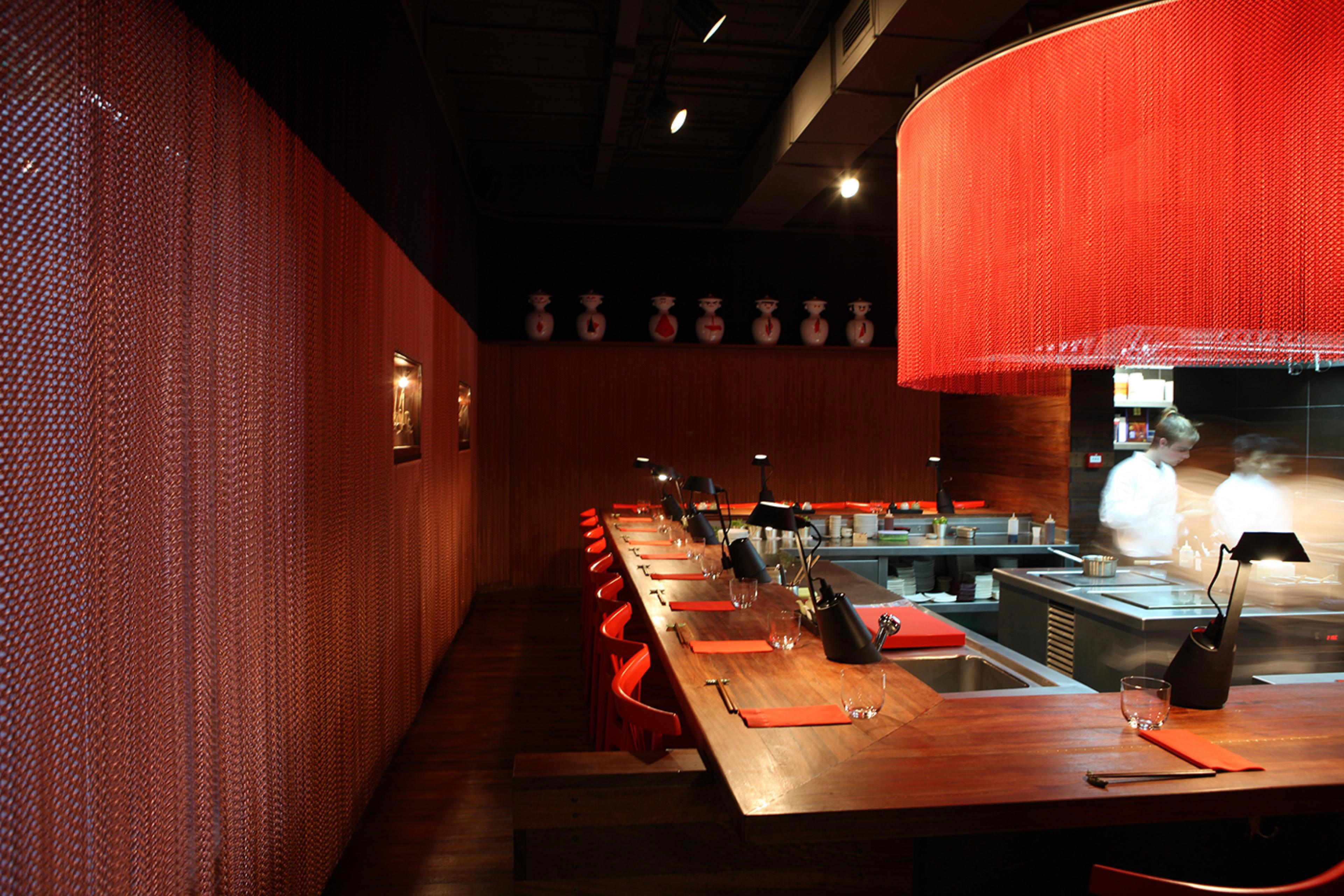
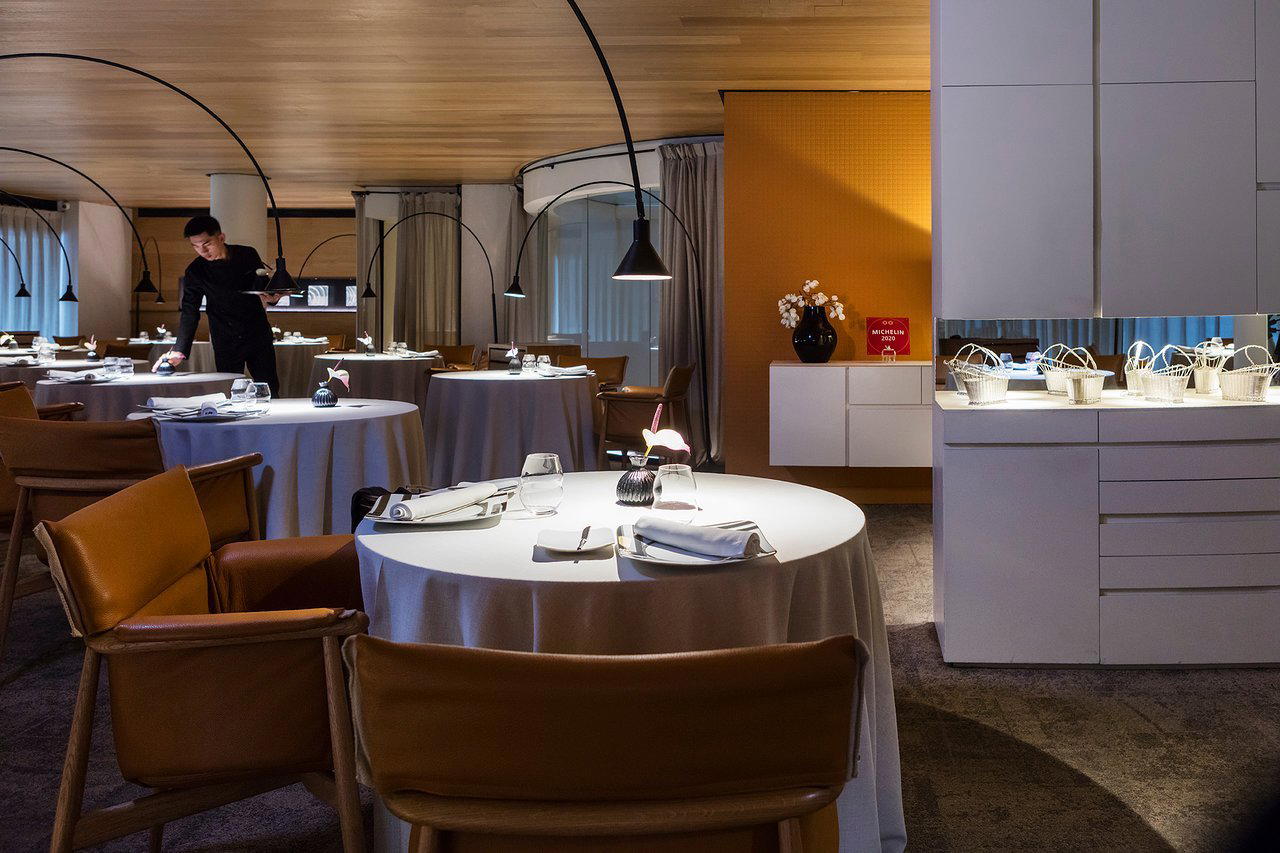
Bars in Barcelona
Browse all →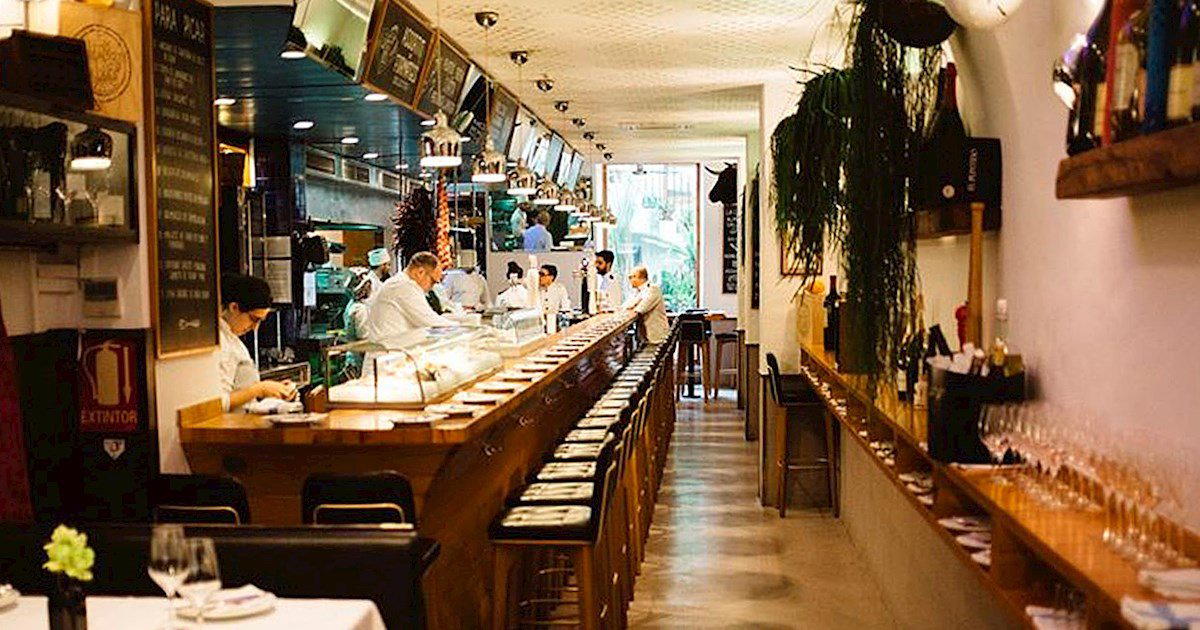
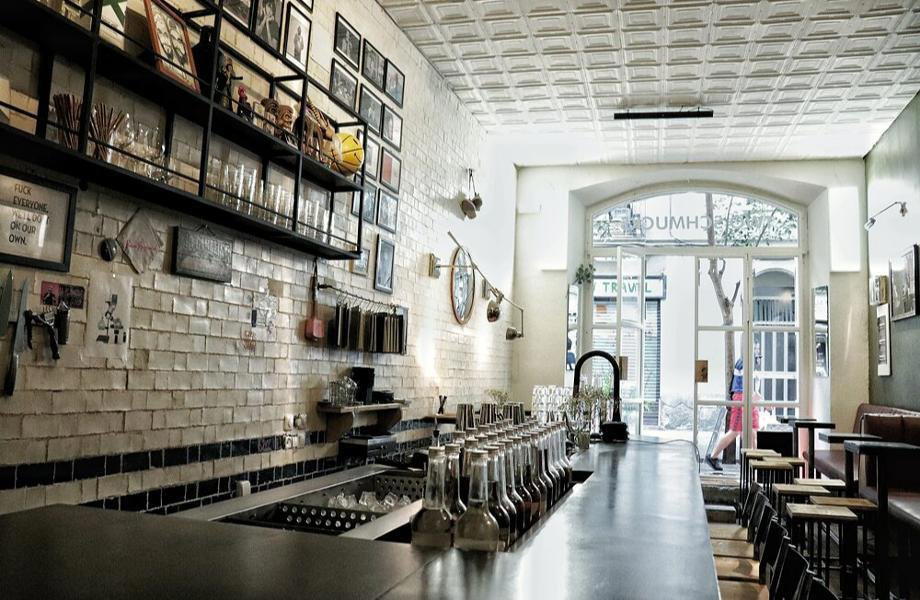
Hotels in Barcelona
Browse all →
At a Glance
- Cozy
- Intimate
- Modern
- Elegant
- Date Night
- Group Dining
- Casual Hangout
- Open Kitchen
Current opening hours
- Monday
- 8–11 PM
- Tuesday
- 1:30–3:30 PM, 8–11 PM
- Wednesday
- 8–11 PM
- Thursday
- 8–11 PM
- Friday
- 1:30–3:30 PM, 8–11 PM
- Saturday
- 1:30–3:30 PM, 8–11 PM
- Sunday
- 1:30–3:30 PM, 8–11 PM
Hours can change for holidays and private events. Last verified .
Cozy and romantic atmosphere with industrial decor, Italian details, warm lighting, and a welcoming, harmonious feel.