Pizzería RAGVSA operates in Horta-Guinardó, one of Barcelona's quieter residential districts, at a remove from the Eixample dining circuit that draws most visitor attention. Neighbourhood pizza in Barcelona has shifted toward longer fermentation schedules and local ingredient sourcing, and RAGVSA sits within that broader movement, a practical address for anyone spending time in the upper city.
Pearl is the En Primeur Club membership app — saves, bookings, and concierge access live there. Same editors, same standards.
- Address
- Ronda del Guinardó, 114, 116, Horta-Guinardó, 08041 Barcelona, Spain
- Phone
- +34934462484
- Website
- ragvsa.es
- Directions
- Get directions
 Saves & bookings on Pearl
Horta-Guinardó and the Outer-Ring Pizza Scene
Barcelona's dining conversation rarely travels beyond the Eixample and Born circuits. The city's Michelin infrastructure, anchored by addresses like Disfrutar, Lasarte, and ABaC, pulls both local and international attention toward a fairly compact central geography. What that concentration obscures is a second layer of neighbourhood eating that functions entirely on local terms, serving residents who have no particular interest in tasting menus or reservation queues. Horta-Guinardó, the district where Pizzería RAGVSA operates, is that kind of neighbourhood: hilly, residential, architecturally mixed, and largely untouched by the hospitality developments reshaping central Barcelona. Ronda del Guinardó, the address where RAGVSA sits, is a working arterial road, not a dining destination. That geographic reality shapes everything about how a pizzeria here positions itself and whom it serves.
Across European cities, pizza has undergone a significant re-categorisation over the past decade. What was once read as casual or low-investment has split into at least three distinct tiers: fast-casual chains, neighbourhood independents with craft positioning, and a smaller premium tier drawing on Neapolitan technique, extended fermentation, and imported ingredients. Barcelona has tracked that split closely, with new-wave pizza addresses appearing across multiple districts. The neighbourhood independent category, which is where RAGVSA logically sits, is defined less by any single technical marker and more by its relationship to a specific local community. These are places where regulars set the rhythm, where the room reflects the residential aesthetic of its surroundings, and where the menu stays legible without abandoning quality. Spain's broader dining culture, which runs toward long meals and shared plates rather than quick solo eating, tends to shape even pizza formats in this direction. For context on how Spanish kitchens have evolved at the summit of the market, see El Celler de Can Roca in Girona or Mugaritz in Errenteria, though RAGVSA operates in an entirely different register, the underlying emphasis on product and place is a throughline in Catalan and Basque food culture at every price point.
The Physical Address as Context
Design and space apply differently to a neighbourhood pizzeria than they do to the kind of architecture-forward restaurants that commission interior designers before they hire kitchen staff. In the outer Barcelona districts, the physical container tends to reflect the building stock rather than a deliberate design programme. Ronda del Guinardó 114-116 occupies a ground-floor retail position typical of the district's mixed-use residential blocks: the kind of space where the room's character comes from use and repetition rather than from any single considered gesture. This is worth noting because it places RAGVSA in a different comparable set from the Barcelona restaurants that have made spatial design central to their proposition. Addresses like Cocina Hermanos Torres or Enigma treat the room as a primary editorial statement; neighbourhood independents in Horta-Guinardó treat it as background. Neither approach is wrong, they serve different functions and different audiences.
For visitors accustomed to the considered interiors of Barcelona's central dining circuit, the contrast is instructive. The outer-ring neighbourhood restaurant, when it works, earns authority through consistency and community rather than through the first impression of a designed space. The regulars already know what to expect; the room is familiar rather than aspirational. This is a model that functions well in cities where residential districts maintain their own cultural gravity independent of the tourist and media economy. Horta-Guinardó has that gravity, it is not a neighbourhood in transition, not a district being repositioned by real estate or hospitality capital. It has a stable residential identity, and restaurants here reflect that rather than try to reshape it.
Pizza in Barcelona: What the Category Means Here
Italian food in Spain occupies a specific cultural position. Unlike in some northern European markets, where Italian restaurants have historically served as default casual options, Catalan dining culture is strong enough that local cuisine rarely needs an imported substitute. Pizza, however, has found a durable place in Barcelona's eating habits, partly through the long-established Italian community in the city, and partly through the same European-wide shift toward the craft pizza format that has affected London, Paris, and Copenhagen. The question for any Barcelona pizzeria is how it positions itself within that spectrum: as a delivery and takeaway operation, as a sit-down neighbourhood room, or as a craft-focused address making technical claims. The neighbourhood independent model, which prioritises community and regularity over media attention, is probably particularly sustainable in residential districts away from the centre. It does not require the same customer acquisition pressure as a central address, and it does not compete directly with the higher-investment operations in the Eixample.
For readers cross-referencing Spain's dining scene at larger scale, the contrast with the country's Michelin-decorated restaurants is striking. Aponiente in El Puerto de Santa María, Arzak in San Sebastián, and Quique Dacosta in Dénia represent Spain's most internationally visible dining tier, technically complex, ingredient-obsessed, and priced accordingly. RAGVSA operates at the opposite end of the formality spectrum, in a register where the relevant comparison is other neighbourhood independents rather than tasting-menu operations. Both ends of that spectrum matter to a complete picture of how Spain eats.
Practical Planning
RAGVSA's address in Horta-Guinardó means it is most relevant for visitors staying in or passing through the upper city, or for locals in the district. It sits outside the natural orbit of central Barcelona's dining circuit.
| Venue | District | Format | Price Tier | Booking |
|---|---|---|---|---|
| Pizzería RAGVSA | Horta-Guinardó | Neighbourhood pizzeria | Not confirmed | |
| Disfrutar | Eixample | Progressive tasting menu | €€€€ | Advance booking required |
| Lasarte | Eixample | Progressive Spanish tasting | €€€€ | Advance booking required |
| Cocina Hermanos Torres | Les Corts | Creative tasting menu | €€€€ | Advance booking required |
At a Glance
Comparable venues nearby, for context on price, style, and recognition.
| Venue | Cuisine | Price | Notes |
|---|---|---|---|
| Pizzería RAGVSAThis venue — the venue you are viewing | el Guinardo, Italian Neapolitan Pizza | $$ | Not listed |
| Vapiano Ramblas | Not listed | $$ | Barri Gotic, Handmade Italian Pasta & Pizza |
| Sartoria Panatieri | Not listed | $$ | la Vila de Gracia, Neapolitan-inspired Pizza |
| La Balmesina | Not listed | $$ | Sant Gervasi - Galvany, Modern Neapolitan Pizza |
| Vapiano Gran Via | Not listed | $$ | la Dreta de l'Eixample, Handmade Italian Pasta & Pizza |
| Restaurante Punta | Not listed | $$ | Sant Gervasi - Galvany, Southern Italian Pizzeria |
Continue exploring
More in Barcelona
Restaurants in Barcelona
Browse all →
Bars in Barcelona
Browse all →
Hotels in Barcelona
Browse all →
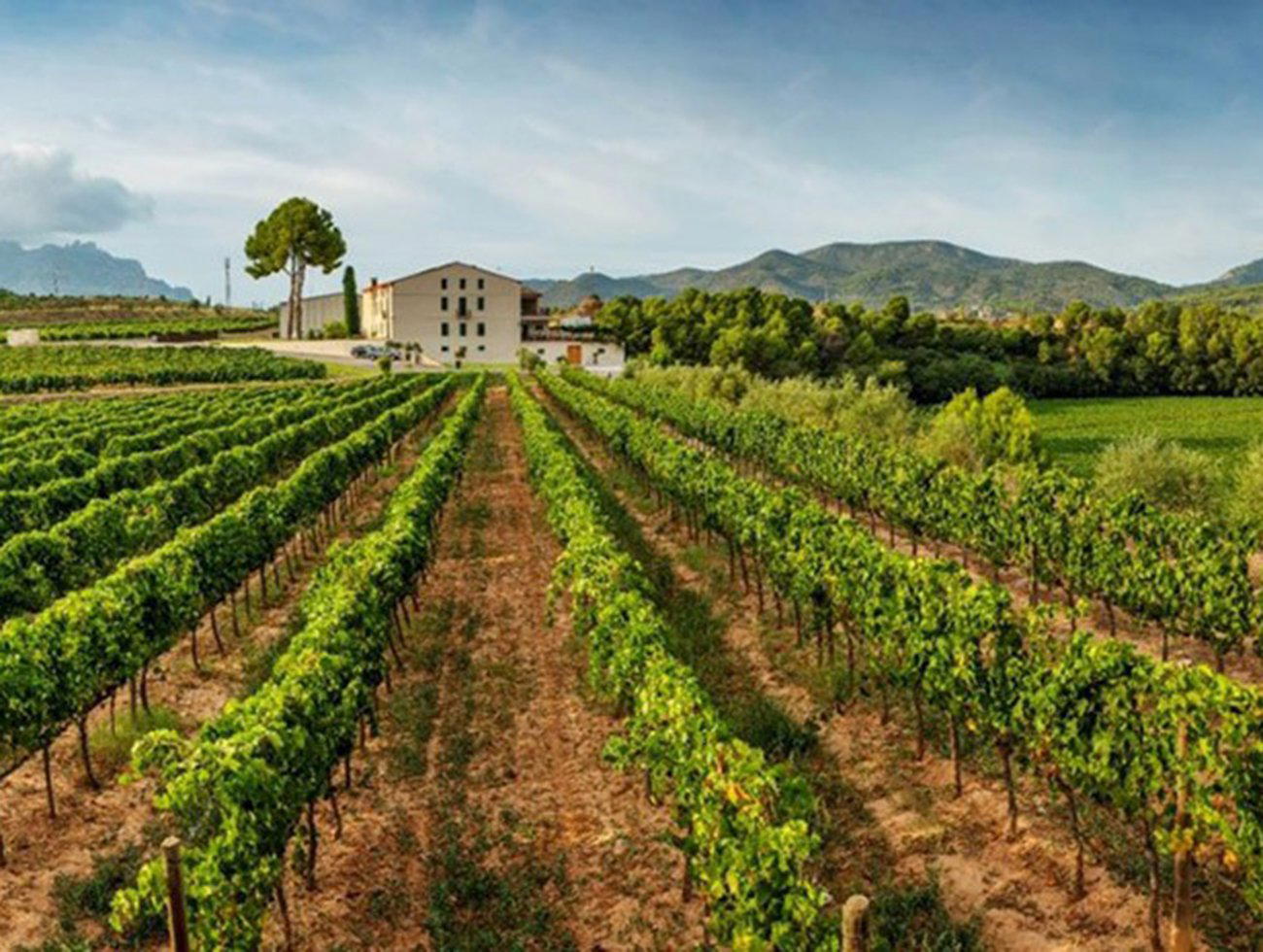
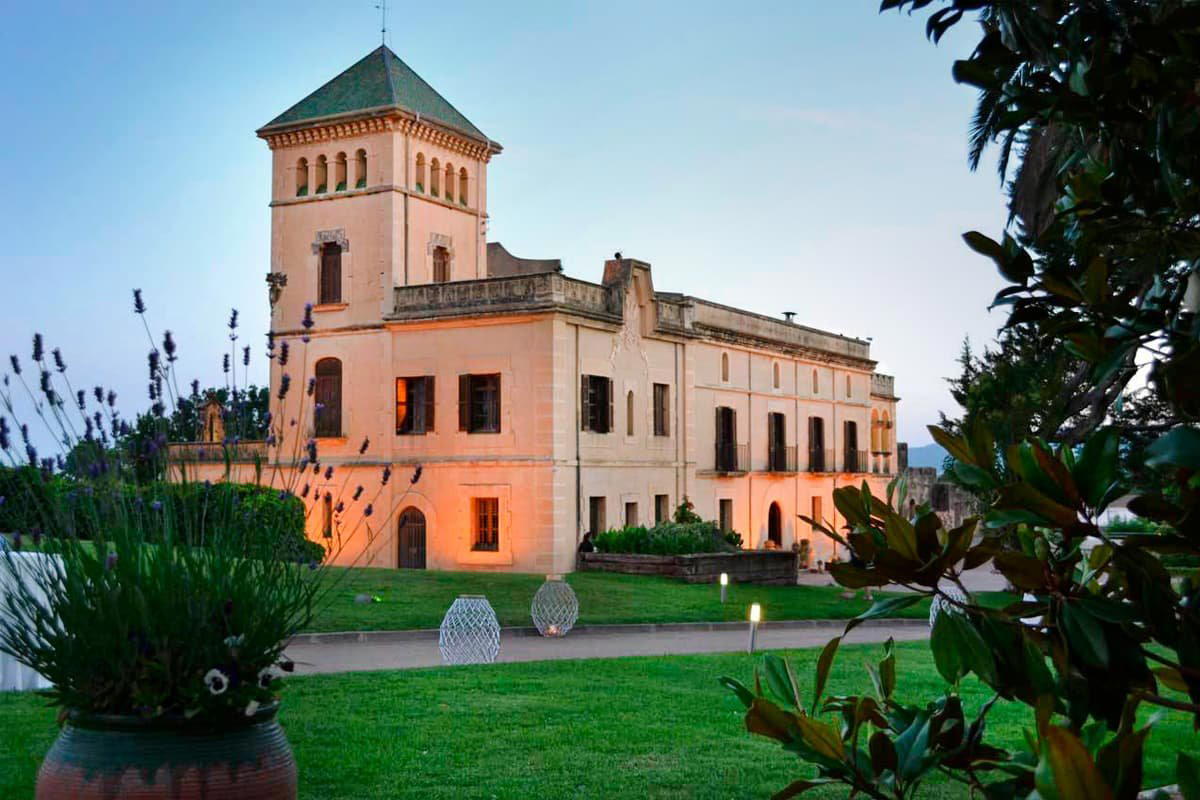
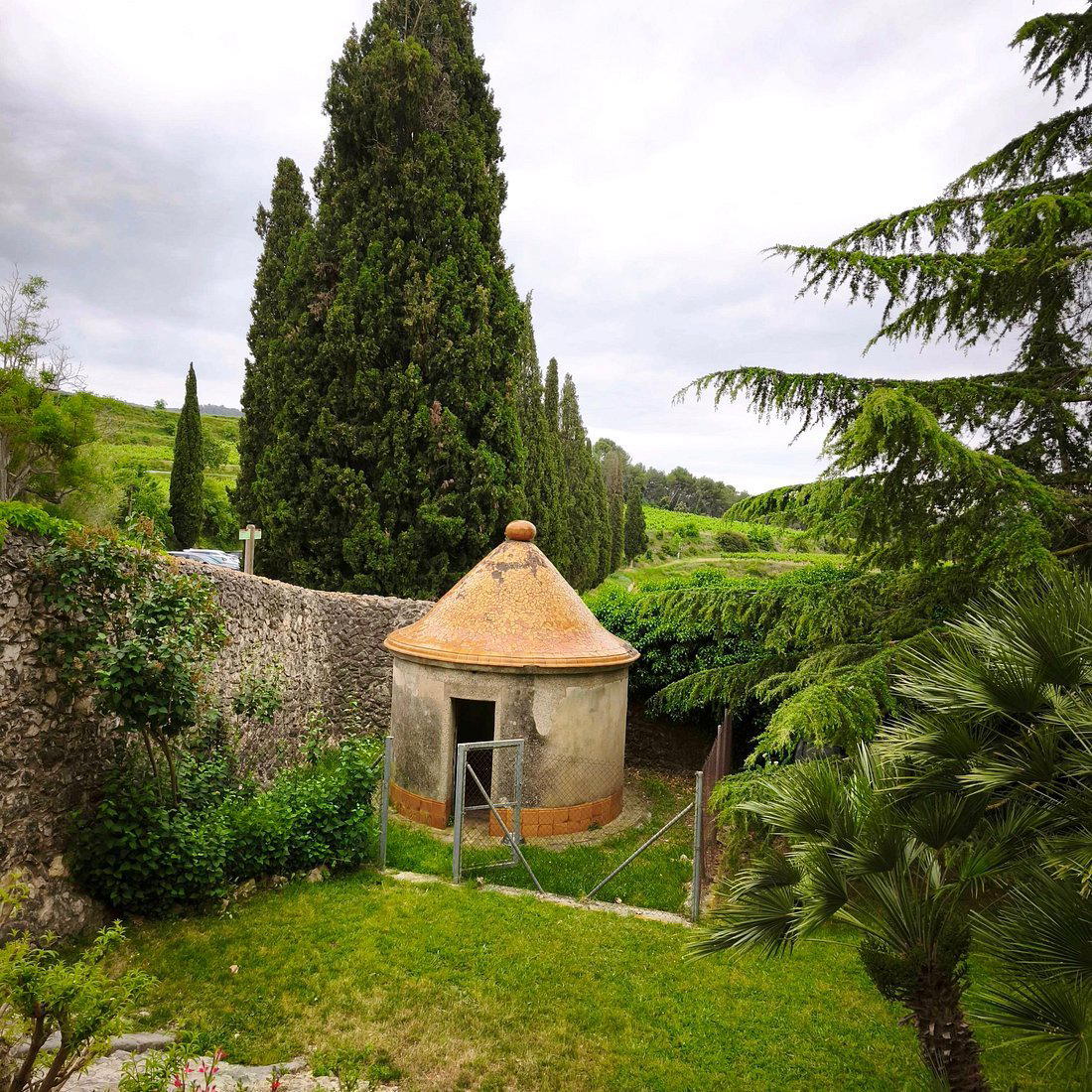
At a Glance
- Rustic
- Modern
- Cozy
- Casual Hangout
- Family
- Group Dining
- Standalone
Current opening hours
- Monday
- 12:30–11:30 PM
- Tuesday
- 12:30–11:30 PM
- Wednesday
- 12:30–11:30 PM
- Thursday
- 12:30–11:30 PM
- Friday
- 12:30 PM–12 AM
- Saturday
- 12:30 PM–12 AM
- Sunday
- 12:30–11:30 PM
Hours can change for holidays and private events. Last verified .
Cozy, rustic-modern neighborhood pizzeria atmosphere with an emphasis on traditional Italian comfort food.