Murivecchi occupies a quietly prominent address on Carrer de la Princesa in Barcelona's Ciutat Vella, a neighbourhood where old stone and daily commerce have coexisted for centuries. The restaurant sits within a broader conversation about ethical sourcing and low-impact cooking that is reshaping how serious Barcelona kitchens operate. For visitors tracking Spain's more considered dining culture, it belongs on the same itinerary as the city's heavier-decorated addresses.
Pearl is the En Primeur Club membership app — saves, bookings, and concierge access live there. Same editors, same standards.
- Address
- Carrer de la Princesa, 59, Ciutat Vella, 08003 Barcelona, Spain
- Phone
- +34933152297
- Website
- murivecchi.com
- Directions
- Get directions
 Saves & bookings on Pearl
Carrer de la Princesa and the Weight of the Old City
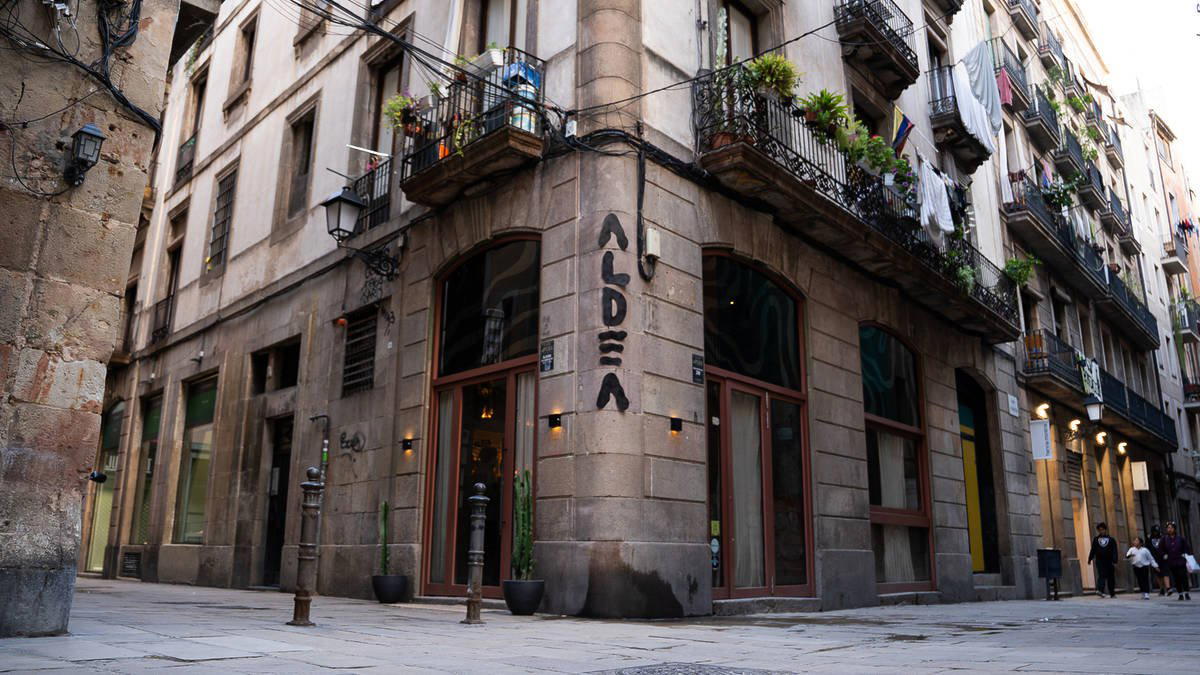
Carrer de la Princesa moves at a particular pace. It connects the Arc de Triomf end of the Eixample border to the dense interior of El Born, and the buildings along it carry the layered patina of a neighbourhood that has never fully gentrified and never fully stood still. Number 59 sits in this stretch with the kind of understated street presence that Ciutat Vella's older blocks tend to enforce on their tenants: stone thresholds, modest signage, a façade that asks nothing of the passerby. That restraint, in the context of Barcelona's current dining culture, reads less like anonymity and more like a deliberate position.
Barcelona's serious restaurant scene has spent the better part of two decades concentrating its energy into two recognisable poles: the high-concept creative kitchens that draw international comparison with places like Disfrutar and Enigma, and the neighbourhood-anchored tables that serve the city's residents rather than its visitors. Murivecchi, at this address in the oldest quarter, occupies a position that is harder to categorise simply, and that difficulty is part of what makes it worth tracking.
Barcelona itself has been slower than the Basque Country to produce flagship sustainability narratives at the summit tier, though that gap is narrowing. The city's market infrastructure, anchored by the Boqueria and the less-touristed Mercat de Santa Caterina a short walk from Carrer de la Princesa, gives kitchens in Ciutat Vella a genuine proximity advantage when it comes to working directly with small producers and daily-catch fish. For a restaurant at this address, supplier relationships that would require deliberate effort elsewhere are a function of geography. That structural advantage shapes what responsible sourcing can realistically look like at this scale and in this neighbourhood.
Within Barcelona's mid-tier and upper-mid-tier dining, the conversation around waste reduction and ethical supply chains tends to be more practice than proclamation. Unlike the headline sustainability programs attached to destinations such as Mugaritz in Errenteria, the approach at smaller city restaurants is typically embedded in daily kitchen decisions rather than announced through architectural gesture or press materials. That operational quietness does not make it less consequential; it makes it harder to read from the outside, which is part of why restaurants in this mode reward closer attention.
At the summit of the formal creative tier, Cocina Hermanos Torres and Lasarte both carry two Michelin stars and operate at price points and booking lead times that place them firmly in destination-dining territory. ABaC adds a hotel component that draws a different kind of international traveller. These addresses compete with Spain's wider elite tier, which includes El Celler de Can Roca in Girona, Martin Berasategui, Quique Dacosta, and Arzak.Murivecchi is not competing for position in that decorated tier, at least not as currently recognised. Its Ciutat Vella location and the particular character of Carrer de la Princesa place it closer to a different and more interesting bracket: the smaller, less-announced tables that serious local eaters and informed visitors use as a counterpoint to the tasting-menu circuit. In that bracket, the questions that matter are about consistency, sourcing integrity, and what the kitchen does with the market access that the neighbourhood provides. For comparison at the international level, the commitment to ingredient-driven restraint practised in this mode of restaurant finds parallels at places like Ricard Camarena in València, where market proximity and producer relationships define the creative frame rather than elaborate technique for its own sake.
The Seasonal Case for Coming Now
Barcelona's most ingredient-driven kitchens operate on a rhythm that the city's tourists rarely track. The period from late autumn through early spring brings the produce that Mediterranean market cooking does leading at the serious level: wild mushrooms from the pre-Pyrenean ranges, salt cod preparations that reference centuries of Catalan preservation culture, and the slower-braised formats that summer's tourist-facing menus rarely feature. A restaurant on Carrer de la Princesa, working from the Mercat de Santa Caterina's daily supply, is doing its most considered cooking in exactly these months, when the ingredients it can access are at their most compelling and the neighbourhood is operating at a pace that suits unhurried eating.
Internationally, the seasonal-sourcing argument connects to what kitchens like Atomix in New York City and Le Bernardin have demonstrated: that one durable restaurants at any tier are those whose menus are genuinely dictated by what the supply chain produces at a given moment, not by what the brand requires year-round. DiverXO in Madrid and Atrio in Cáceres represent different models entirely, but they share the characteristic that the ideal time to visit is determined by the kitchen's relationship to its sources rather than by weather or travel convenience.
Similar Picks
Comparable venues nearby, for context on price, style, and recognition.
| Venue | Cuisine | Price | Notes |
|---|---|---|---|
| MurivecchiThis venue — the venue you are viewing | Authentic Neapolitan Italian | $$ | Not listed |
| Vapiano Ramblas | Handmade Italian Pasta & Pizza | $$ | Barri Gotic |
| Bene Assai | Italian Trattoria | $$ | Sant Gervasi - la Bonanova |
| De Gustibus Italiae | Italian with Sicilian and Southern-Italian influences | $$ | Sant Gervasi - la Bonanova |
| Xemei | Venetian Italian | $$ | el Poble Sec |
| Disío | Authentic Sicilian Trattoria | $$ | Sant Gervasi - Galvany |
Continue exploring
More in Barcelona
Restaurants in Barcelona
Browse all →
Bars in Barcelona
Browse all →
Hotels in Barcelona
Browse all →
At a Glance
- Rustic
- Cozy
- Classic
- Casual Hangout
- Late Night
- Open Kitchen
- Extensive Wine List
Current opening hours
- Monday
- 1 PM–12 AM
- Tuesday
- 1 PM–12 AM
- Wednesday
- 1 PM–12 AM
- Thursday
- 1 PM–12 AM
- Friday
- 1 PM–12 AM
- Saturday
- 1 PM–12 AM
- Sunday
- 1 PM–12 AM
Hours can change for holidays and private events. Last verified .
Rustic and informal atmosphere with a charming authentic Italian trattoria feel.