
De Gustibus Italiae serves Italian with Sicilian and Southern-Italian influences on Carrer de Ricardo Calvo, with a terrace, conversational pacing, and an extensive wine list for lunch, dinner, or late night.
Pearl is the En Primeur Club membership app — saves, bookings, and concierge access live there. Same editors, same standards.
- Address
- Carrer de Ricardo Calvo, 13, Sarrià-Sant Gervasi, 08022 Barcelona, Spain
- Phone
- +34934189849
- Website
- degustibusitaliae.com
- Directions
- Get directions
 Saves & bookings on Pearl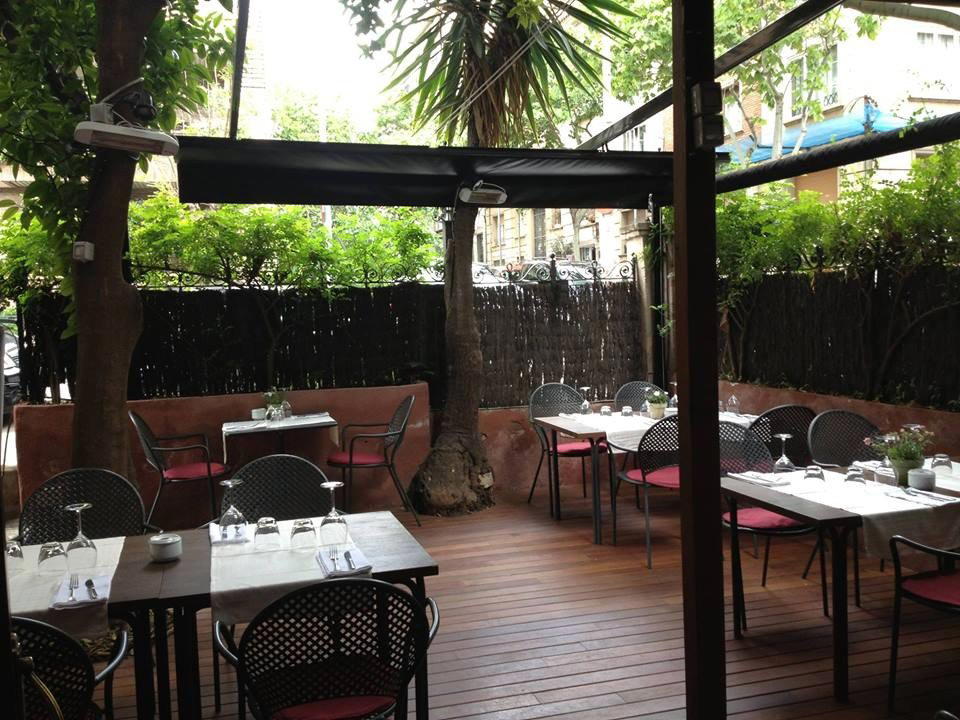
Italian Cooking in the Upper City: What Sarrià-Sant Gervasi Signals
The residential quarter of Sarrià-Sant Gervasi sits at the foot of the Collserola hills, a considerable distance in character from the tourist-dense Eixample and Gothic Quarter below. Its dining rooms have historically served the neighbourhood's professional households: a crowd with European reference points, higher price tolerance, and a preference for consistency over spectacle. It is the kind of district where an Italian restaurant with serious intentions can find its footing, because the clientele already understands what that means.
De Gustibus Italiae operates at Carrer de Ricardo Calvo, 13, in this upper-city context. The address alone places it in a comparable set defined less by tasting-menu theatrics and more by the kind of cooking that rewards return visits. Barcelona's dominant fine-dining conversation currently runs through venues like Disfrutar (Progressive, Creative), ABaC (Creative), and Lasarte (Progressive Spanish, Creative). De Gustibus Italiae is a different proposition: an Italian-rooted table in a neighbourhood that rarely produces international press, which means it functions on local loyalty rather than destination tourism.
The Cultural Weight of Italian Cooking Outside Italy
Italian cuisine exported to the Iberian Peninsula carries a specific set of challenges that Spanish or pan-Mediterranean restaurants do not face. The reference is always Italy itself, and diners with any experience of eating in Bologna, Rome, or Naples carry that comparison constantly. Spanish cities have historically housed Italian restaurants that prioritised familiarity over rigour, leaning on pizza and pasta tropes rather than engaging with the depth of regional Italian cooking: the difference between the bollito misto traditions of Emilia-Romagna, the agrodolce preparations of Sicily, or the braised-meat cultures of Lazio and Lombardy.
In this context, a restaurant whose name explicitly invokes taste and Italy together, De Gustibus Italiae, is making a positioning statement. The name draws from the Latin phrase de gustibus non est disputandum, on matters of taste there is no dispute, and layering that with Italiae signals an intention to treat Italian cuisine as a subject of genuine seriousness rather than a convenient category. Whether the kitchen delivers on that framing is the question a first visit is designed to answer.
Across Spain's broader fine-dining map, the Italian tradition occupies a quieter register than the country's own avant-garde output. The venues drawing international attention, from El Celler de Can Roca in Girona to Mugaritz in Errenteria and Quique Dacosta in Dénia, all draw from Spanish or Basque tradition as primary source material. Italian fine dining in Spain exists in the spaces between those poles: respected within its neighbourhood, rarely exported as a headline.
Sarrià as a Dining District: What the Neighbourhood Tells You
Sarrià-Sant Gervasi functions differently from Barcelona's central restaurant clusters. It is not a street like Carrer del Parlament in Sant Antoni, where new openings layer quickly and a single block can hold three or four competing concepts. The neighbourhood's dining fabric is slower-moving, with longer-tenured restaurants earning their position through repeat custom rather than social media cycles. A restaurant that opens here and survives beyond its first two or three years has generally found a local audience that books by habit, which creates a different operational logic than venues dependent on tourist rotation.
This matters for a visitor calibrating expectations. Restaurants in Sarrià-Sant Gervasi are rarely in the same sightline as the city's most-photographed tables. They sit closer to the Barcelona that residents actually use. For comparison, consider that Barcelona's most-discussed creative addresses, Cocina Hermanos Torres and Enigma, command city-wide and international attention partly because their formats are designed for destination dining. A neighbourhood Italian in the upper city is doing something structurally different.
Italian Cuisine in Spain: The Regional Depth That Separates Serious Tables
The clearest marker of ambition at any Italian restaurant outside Italy is how it handles regional specificity. Generic Italian menus flatten twenty distinct regional traditions into a single, commercially safe repertoire. A kitchen that acknowledges the structural difference between northern and southern Italian cooking, that distinguishes between fresh egg pasta traditions in the Po Valley and the dried semolina-based traditions of Puglia and Campania, is operating with a different level of seriousness than one treating "Italian" as a single monolithic category.
This is the question worth asking at the restaurant, and the kind of observation that separates a productive visit from a passive one. Regional Italian cooking at its most rigorous is as technically demanding and as philosophically distinct as the avant-garde Spanish output at venues like Aponiente in El Puerto de Santa María or DiverXO in Madrid, it simply operates with a different set of tools and references. A braise that holds the structure and flavour logic of a correct ossobuco, or a risotto where the mantecatura is executed with the right temperature discipline, signals training and intention as clearly as any tasting-menu flourish.
For those who want to extend the Italian-outside-Italy comparison across borders, the question of what separates a technically grounded Italian room from a competent one has equivalents at institutions like Le Bernardin in New York City, where French technique transplanted to another country either deepens or dilutes depending on the kitchen's rigour.
Practical Planning
| Venue | Cuisine | Price Tier | District |
|---|---|---|---|
| The restaurant | Italian | Unconfirmed | Sarrià-Sant Gervasi |
| Lasarte | Progressive Spanish | €€€€ | Eixample |
| ABaC | Creative | €€€€ | Sarrià-Sant Gervasi |
| Cocina Hermanos Torres | Creative | €€€€ | Les Corts |
For broader orientation across the city's dining options, Visitors exploring Spain's wider fine-dining circuit may also find useful reference in Arzak in San Sebastián, Azurmendi in Larrabetzu, Martin Berasategui in Lasarte-Oria, Ricard Camarena in València, Atrio in Cáceres, and Lazy Bear in San Francisco for comparable-format reference outside Spain.
A Pricing-First Comparison
Comparable venues nearby, for context on price, style, and recognition.
| Venue | Cuisine | Price | Notes |
|---|---|---|---|
| De Gustibus ItaliaeThis venue — the venue you are viewing | Not listed | $$ | Not listed |
| Parking Pizza | Not listed | $$ | Sant Gervasi - Galvany, Modern Italian Pizza |
| Eatmosfera | Not listed | $$ | el Parc i la Llacuna del Poblenou, Authentic Neapolitan Pizza & Italian Cuisine |
| Pizzeria Av. Corrientes | Not listed | $$ | la Maternitat i Sant Ramon, Argentine Pizzeria |
| Parking Piizza / Parking Pita | la Dreta de l'Eixample, Neapolitan Pizza | $$ | Not listed |
| Cecconi's Barcelona | Barri Gotic, Modern Northern Italian | $$$ | Not listed |
Recognition history
Dated appearances from independent guides and award organizations, with the underlying list record or original source where available.
Macarfi 7.2 Food Rating
Macarfi
Continue exploring
More in Barcelona
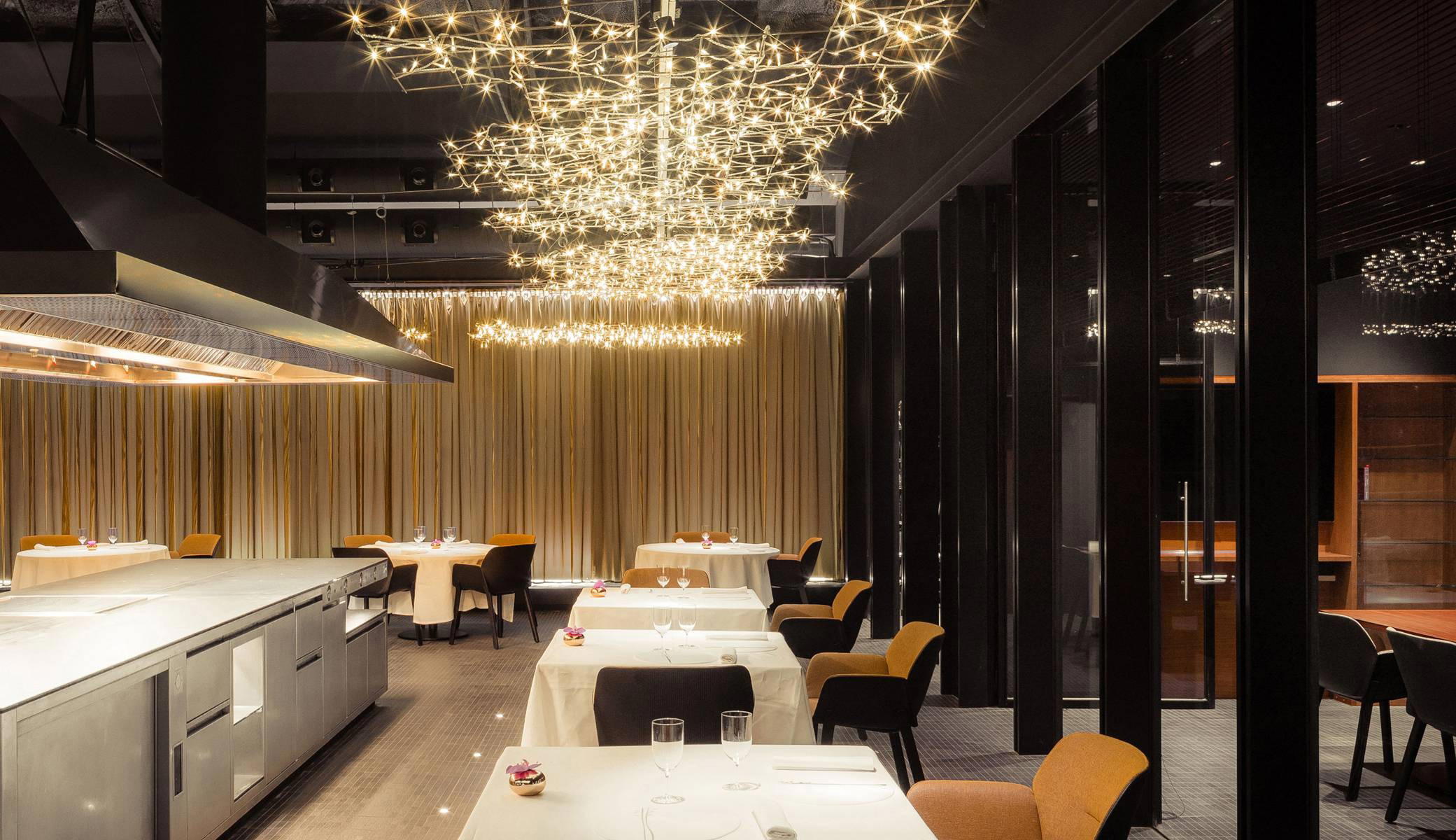
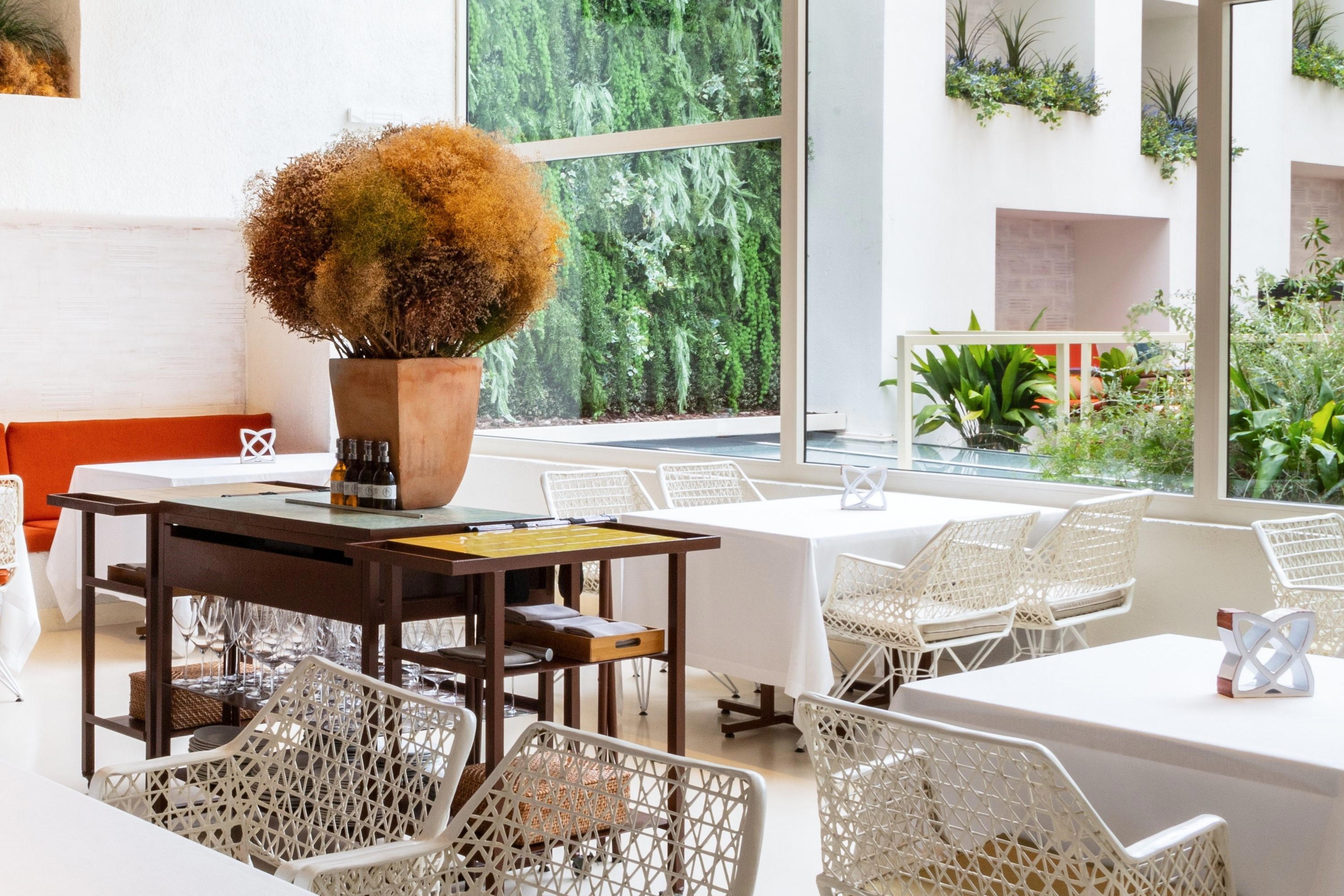
Restaurants in Barcelona
Browse all →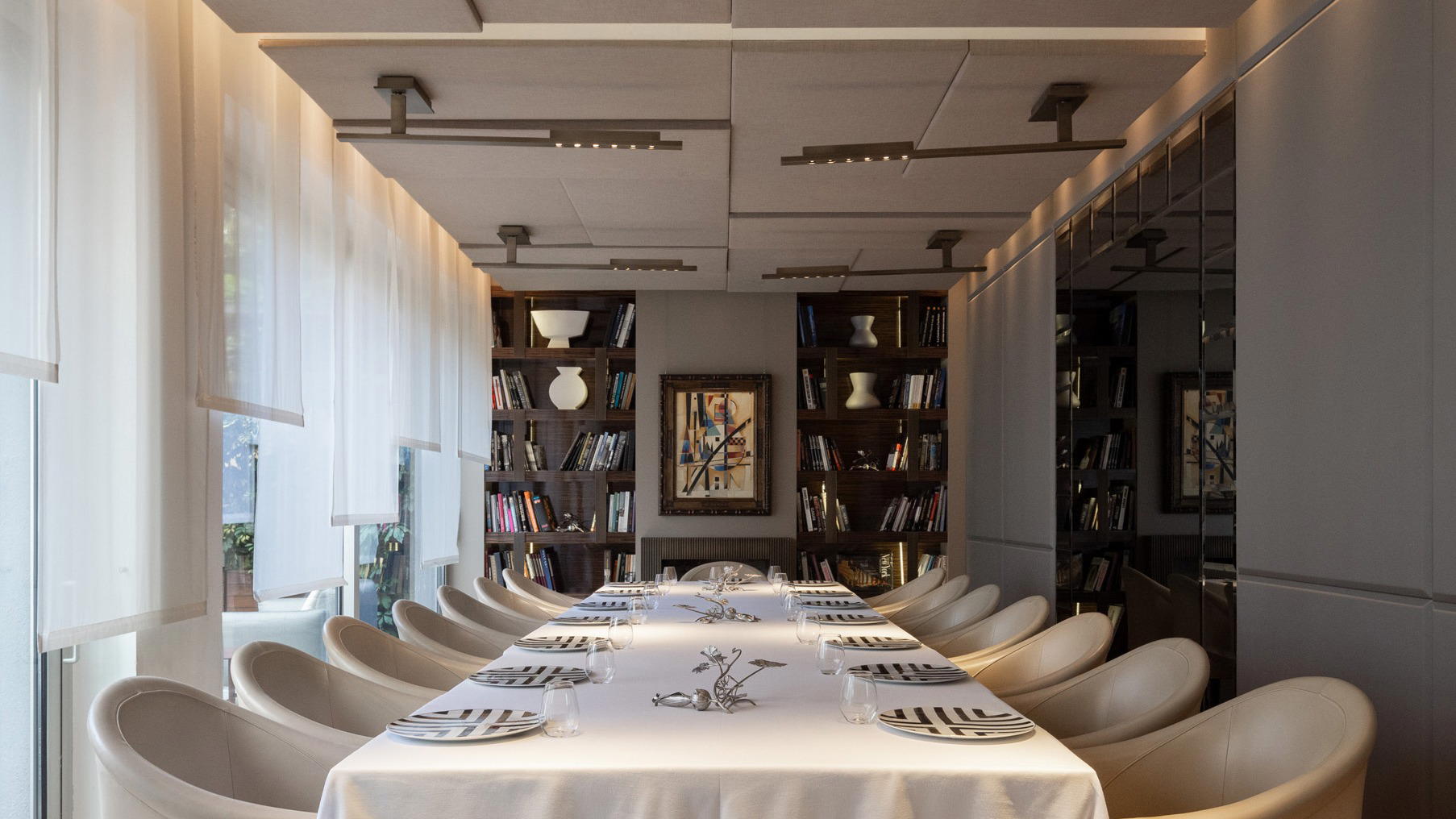
Bars in Barcelona
Browse all →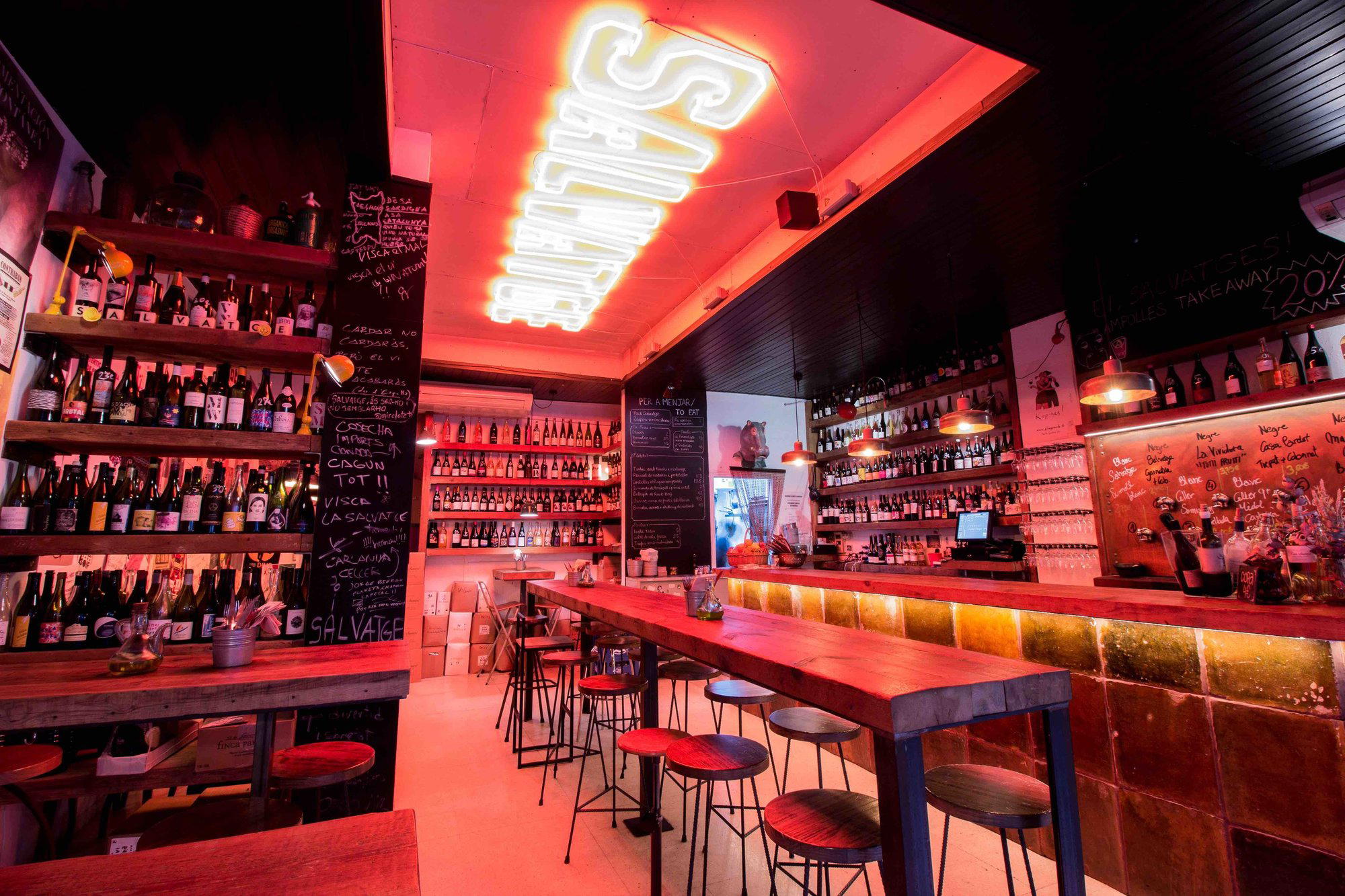
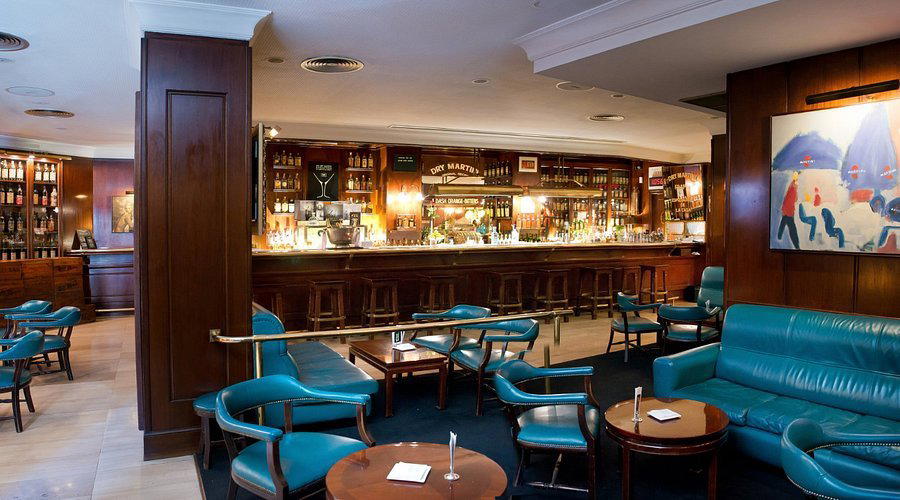
Hotels in Barcelona
Browse all →
At a Glance
- Cozy
- Elegant
- Intimate
- Date Night
- Family
- Group Dining
- Terrace
- Extensive Wine List
Current opening hours
- Monday
- 1–5 PM, 7:30 PM–12 AM
- Tuesday
- 1–5 PM, 7:30 PM–12 AM
- Wednesday
- 1–5 PM, 7:30 PM–12 AM
- Thursday
- 1–5 PM, 7:30 PM–12 AM
- Friday
- 1–5 PM, 7:30 PM–12 AM
- Saturday
- 1–5 PM, 7:30 PM–12 AM
- Sunday
- 1–5 PM
Hours can change for holidays and private events. Last verified .
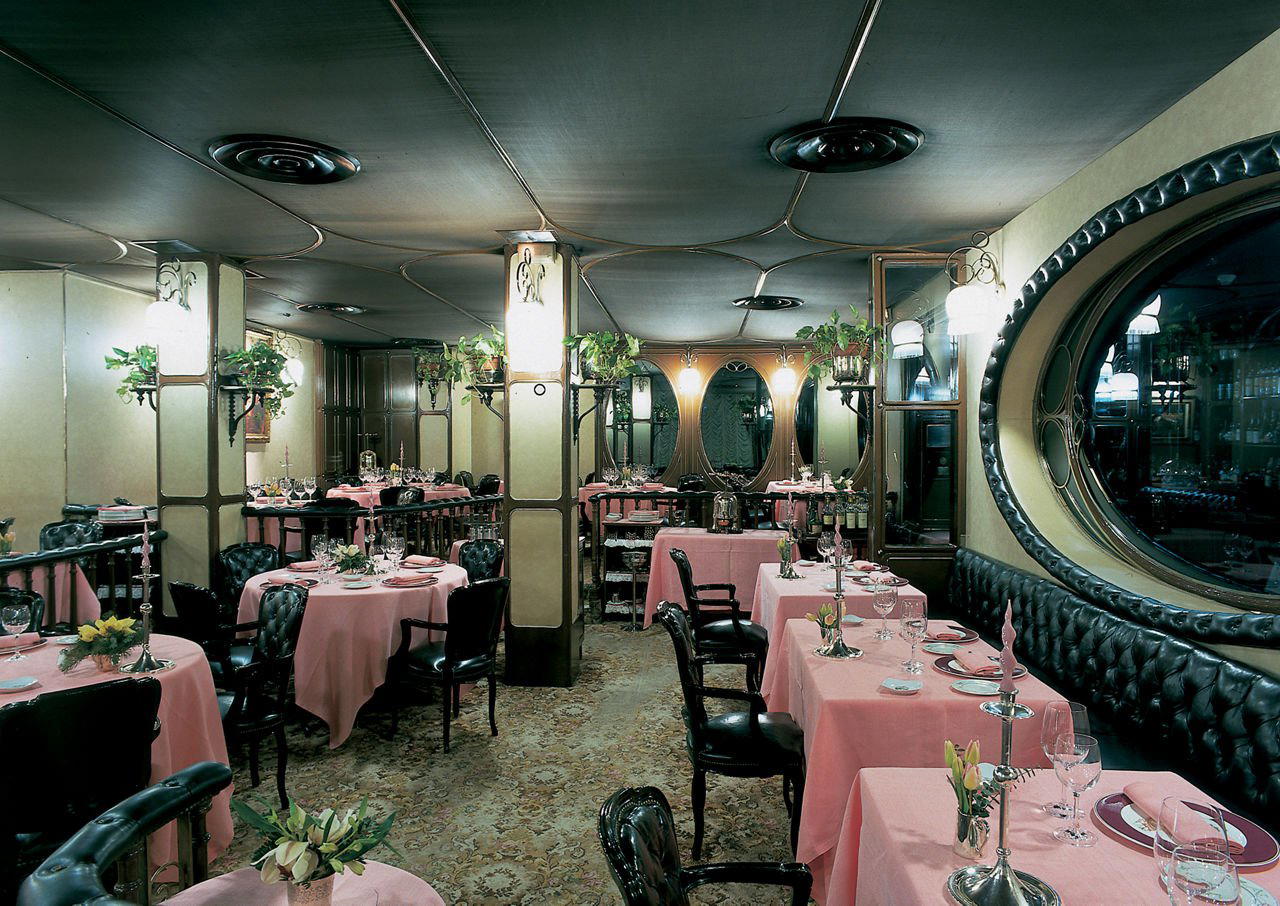
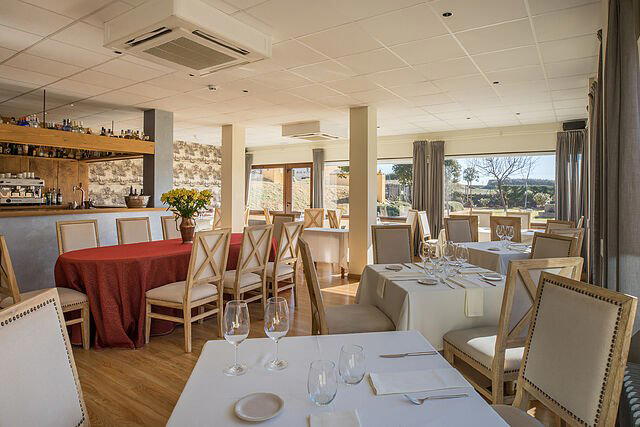
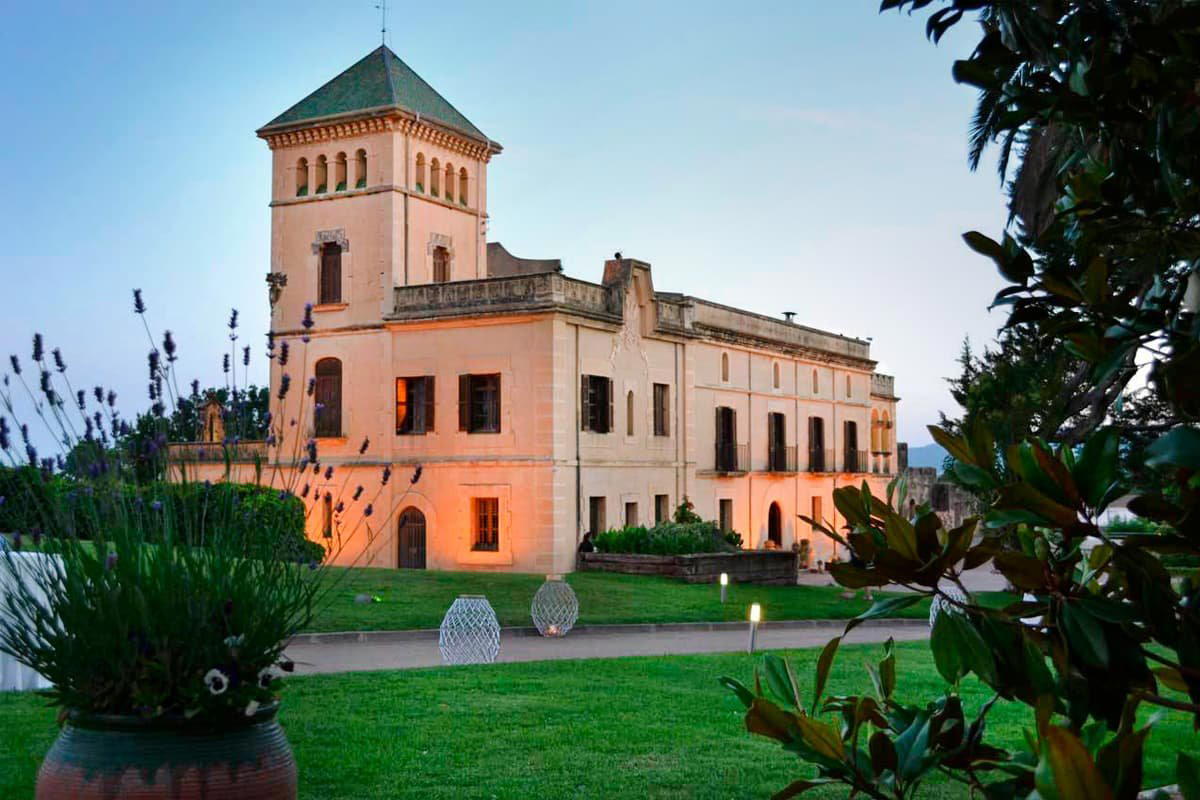
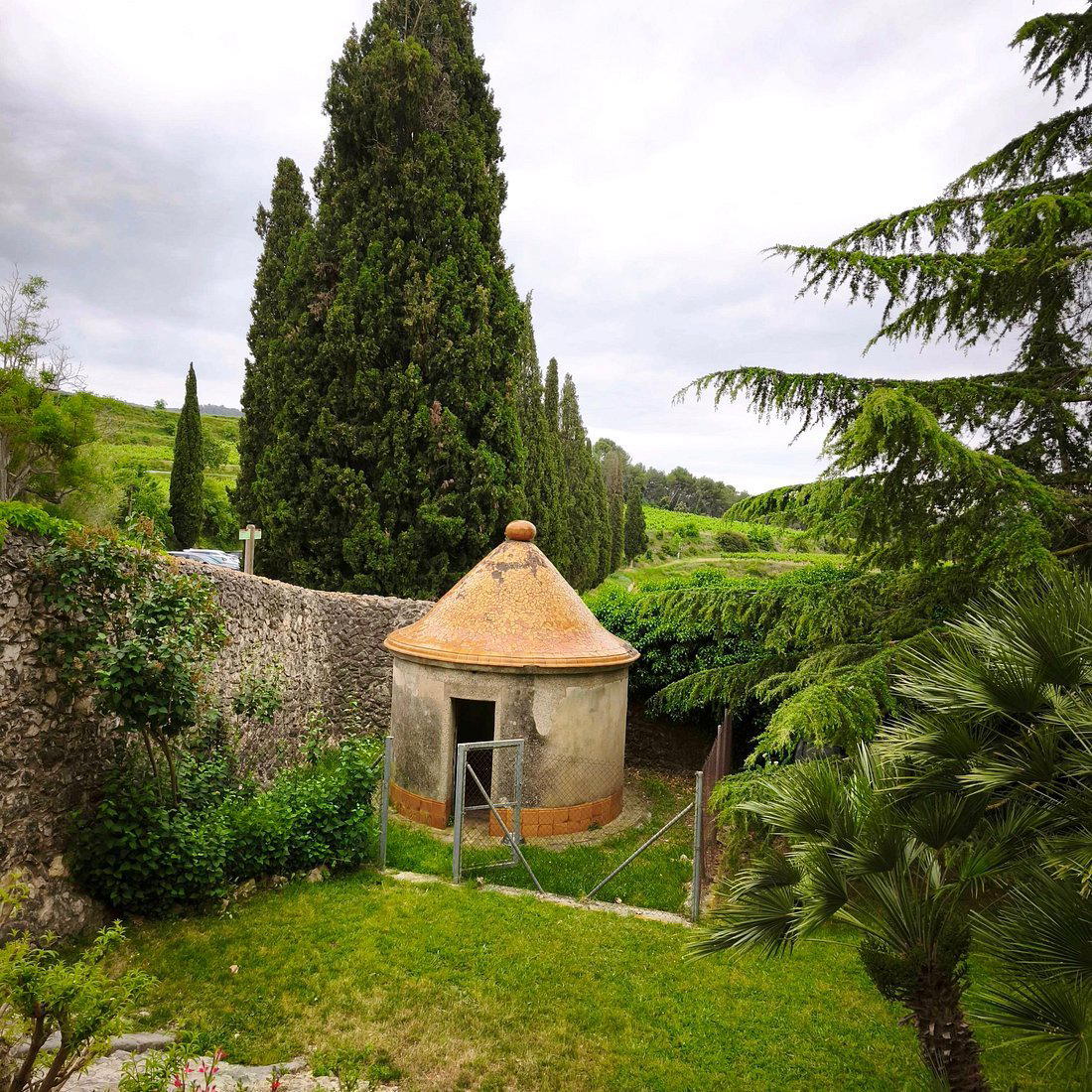
Comfortable chairs around strategically placed tables with good lighting, cozy terrace surrounded by bushes for privacy, and elegant simple room.